The increased frequency and severity of natural disasters have underscored the need for effective emergency sanitation solutions. EcoSan, or ecological sanitation, stands out as a viable and sustainable approach to addressing sanitation needs in disaster relief and emergency situations. By focusing on resource recovery, minimizing environmental impact, and promoting health and hygiene, EcoSan principles can be effectively implemented in areas affected by disasters. This article aims to explore the key principles and concepts of EcoSan, highlighting its benefits, challenges, and applications in disaster and emergency contexts.
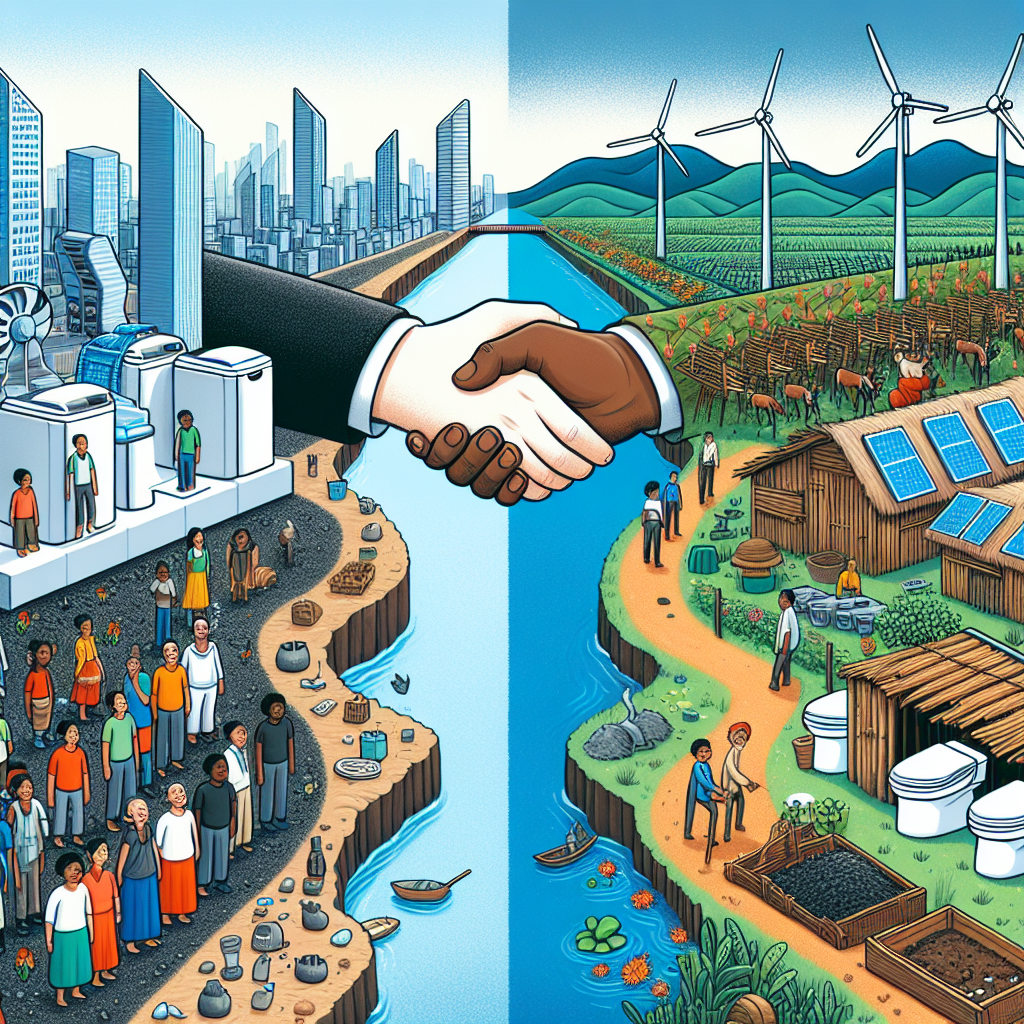
EcoSan systems are designed to close the loop between sanitation and agriculture, converting human excreta into valuable resources such as compost and urine fertilizers. In the aftermath of a disaster, traditional sanitation systems often fail due to infrastructure damage and contamination, creating significant health risks. EcoSan offers a decentralized, resilient alternative that can be rapidly deployed in various emergency scenarios. Moreover, EcoSan aligns with international sustainable development goals by promoting environmental sustainability and improving the quality of life for affected populations.
In this article, we will discuss the fundamental principles of EcoSan, its practical applications in disaster relief, design considerations, and community engagement strategies. By understanding these elements, we can better appreciate the role of EcoSan in providing effective, sustainable, and resilient sanitation solutions in times of crisis.
EcoSan Principles and Concepts
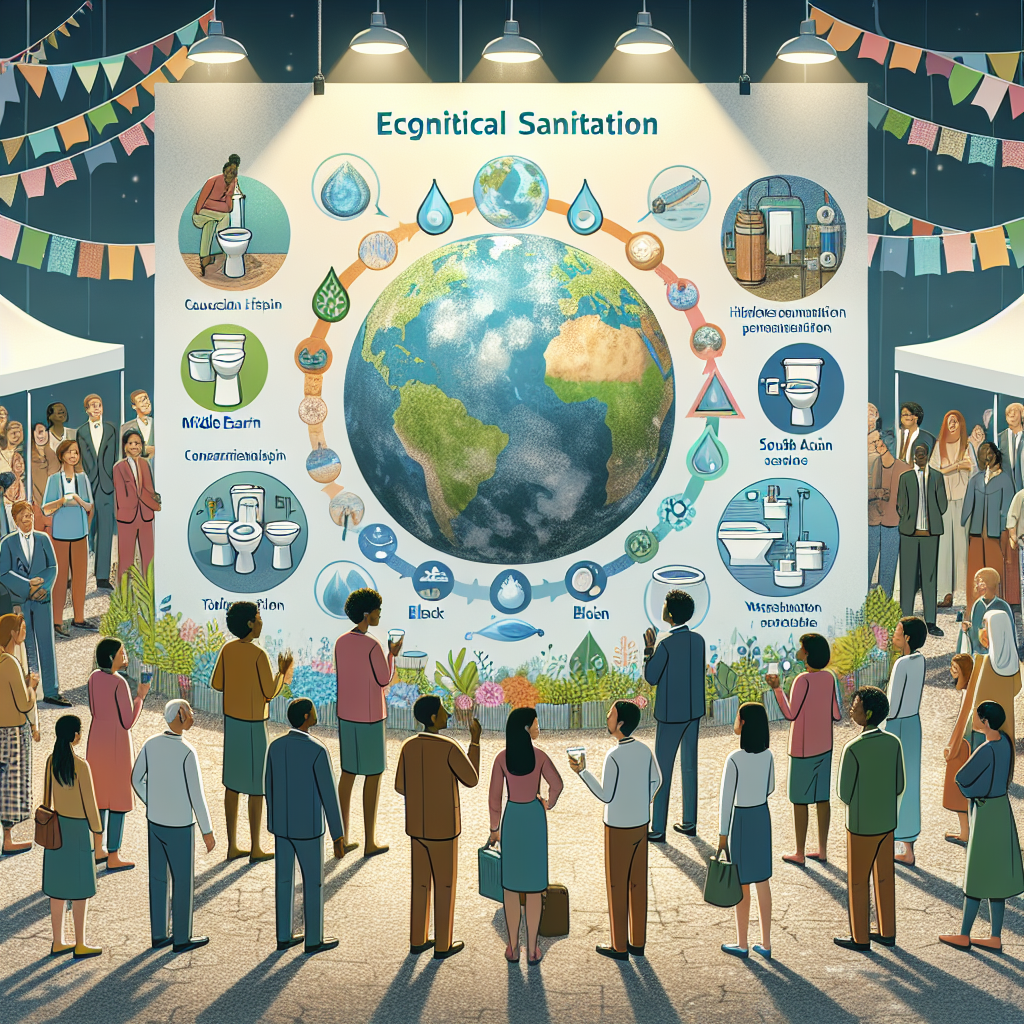
Ecological sanitation is based on three main principles: containment, sanitation, and reuse. These principles aim to transform waste into a resource, preventing environmental contamination and promoting sustainable practices.
Containment: Ensuring that human excreta is safely contained to prevent direct contact and environmental pollution. This principle eliminates the risk of pathogens spreading through water, soil, or food, thereby protecting public health.
Sanitation: Treating human waste to remove pathogens and make it safe for reuse. Treatment methods vary, including composting, dehydration, and vermiculture. These processes ensure that the end products are hygienic and environmentally friendly.
Reuse: Repurposing treated human excreta as fertilizers in agriculture. This approach not only recycles nutrients but also enhances soil fertility, thereby reducing the reliance on chemical fertilizers and promoting sustainable farming practices.
The EcoSan approach is holistic, integrating sanitation, agriculture, and ecology. By closing the loop between waste and resource, EcoSan systems contribute to a healthier environment, more productive agriculture, and improved public health.
EcoSan in Disaster Relief
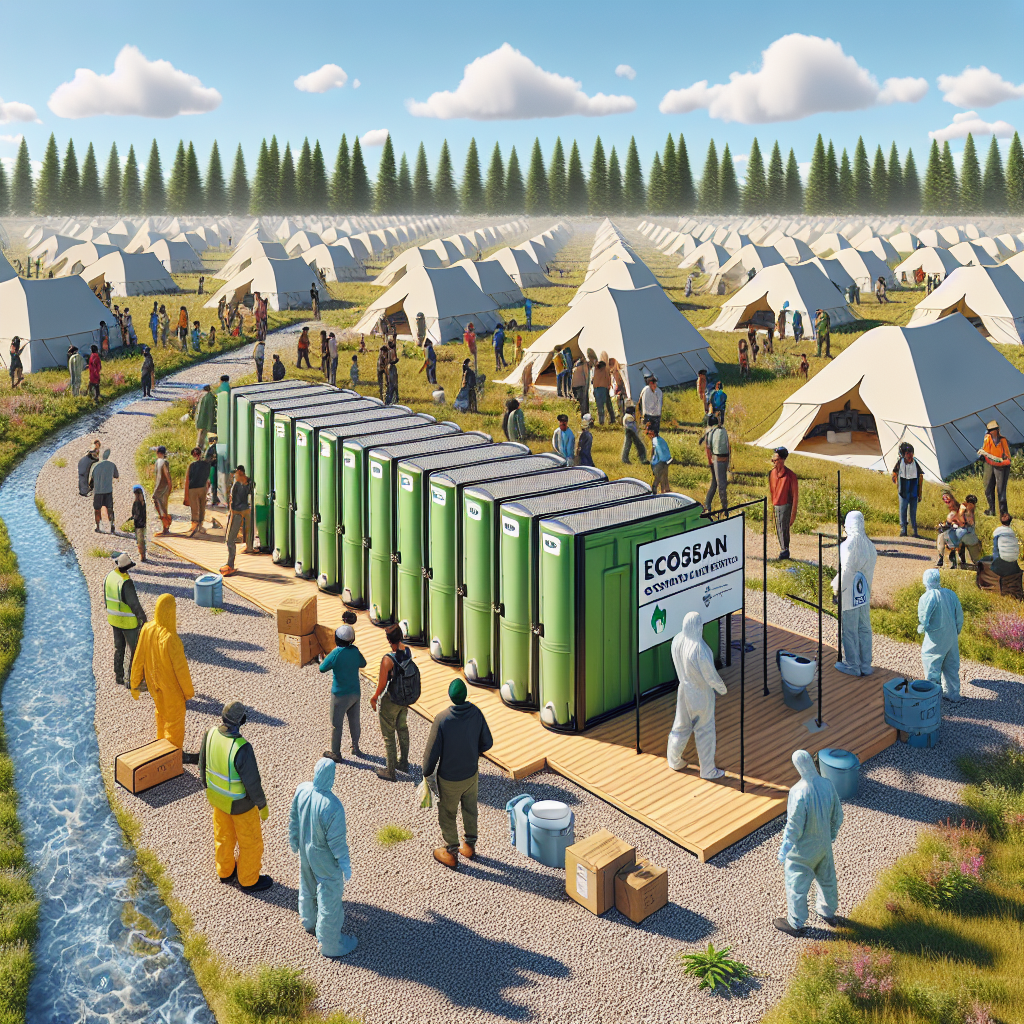
In the aftermath of a disaster, traditional sanitation systems such as flush toilets and septic tanks often become inoperable due to infrastructure damage and contamination. EcoSan provides a decentralized and flexible alternative that can be rapidly deployed in a variety of emergency settings, from refugee camps to areas affected by natural disasters like earthquakes, floods, and hurricanes.
One of the key advantages of EcoSan in disaster relief is its adaptability. EcoSan toilets can be built using locally available materials and tailored to specific community needs. This flexibility ensures that sanitation solutions are culturally appropriate and can be implemented quickly and cost-effectively.
Moreover, EcoSan systems mitigate the environmental impacts often associated with emergency sanitation. By containing and treating human waste on-site, EcoSan prevents contamination of water sources and soil, protecting both human health and the environment. The reuse of treated waste as fertilizer is especially valuable in areas where agricultural recovery is essential for food security and livelihoods.
Design Considerations for EcoSan Systems
Designing EcoSan systems for disaster relief requires careful consideration of various factors to ensure effectiveness and sustainability. Key design elements include:
- Site Selection: Choosing appropriate locations for EcoSan units to avoid flood-prone or unstable areas and ensure accessibility.
- Materials: Utilizing locally available, durable, and low-cost materials for construction to facilitate rapid deployment and maintenance.
- Capacity: Determining the number of users and waste production rates to design adequately sized containment and treatment units.
- Treatment Methods: Selecting suitable treatment methods such as composting, dehydration, or anaerobic digestion based on local conditions and resources.
- Reuse Practices: Developing safe and effective nutrient reuse strategies, including guidelines for the application of treated waste in agriculture.
By addressing these design considerations, EcoSan systems can provide reliable and sustainable sanitation solutions for disaster-affected communities.
Community Engagement and Education
Successful implementation of EcoSan systems in disaster relief requires active community engagement and education. Involving community members in the planning, construction, and maintenance of EcoSan units fosters ownership and ensures that the systems are culturally appropriate and well-maintained.
Educational programs are crucial for raising awareness about the benefits and safe practices of EcoSan. Training sessions can cover topics such as the importance of proper sanitation, techniques for constructing and maintaining EcoSan units, and methods for safely handling and reusing treated waste. By empowering communities with knowledge and skills, EcoSan initiatives can achieve long-term sustainability and positive health outcomes.
Challenges and Solutions in EcoSan Implementation
Implementing EcoSan systems in disaster relief settings presents several challenges, including:
- Cultural Acceptance: Ensuring that EcoSan solutions are culturally accepted can be challenging, as attitudes towards human waste vary widely among different communities.
- Technical Expertise: Limited technical knowledge and skills can hinder the effective design, construction, and maintenance of EcoSan units.
- Funding: Securing adequate funding for EcoSan projects, particularly in emergency situations where resources are often stretched thin.
- Coordination: Coordinating with multiple stakeholders, including governments, NGOs, and local communities, to ensure cohesive and effective implementation.
Addressing these challenges requires a multifaceted approach. Strategies include intensive community engagement, training programs to build local capacity, securing funding through partnerships with international organizations, and establishing clear communication channels among stakeholders.
Conclusion
EcoSan represents a promising and sustainable approach to sanitation in disaster relief and emergency situations. By focusing on containment, sanitation, and reuse, EcoSan systems provide decentralized and resilient solutions that protect public health, promote environmental sustainability, and support agricultural recovery.
The successful implementation of EcoSan in disaster contexts requires careful design, active community engagement, and coordinated efforts among various stakeholders. Addressing the challenges associated with cultural acceptance, technical expertise, funding, and coordination is key to ensuring that EcoSan systems are effective and sustainable in the long-term.
As natural disasters continue to pose significant risks to communities worldwide, the adoption of EcoSan principles and practices in emergency sanitation efforts can make a critical difference in safeguarding human health and resilience. By embracing EcoSan, we can develop more sustainable and adaptable sanitation solutions that enhance the wellbeing of disaster-affected populations and contribute to global sustainability goals.