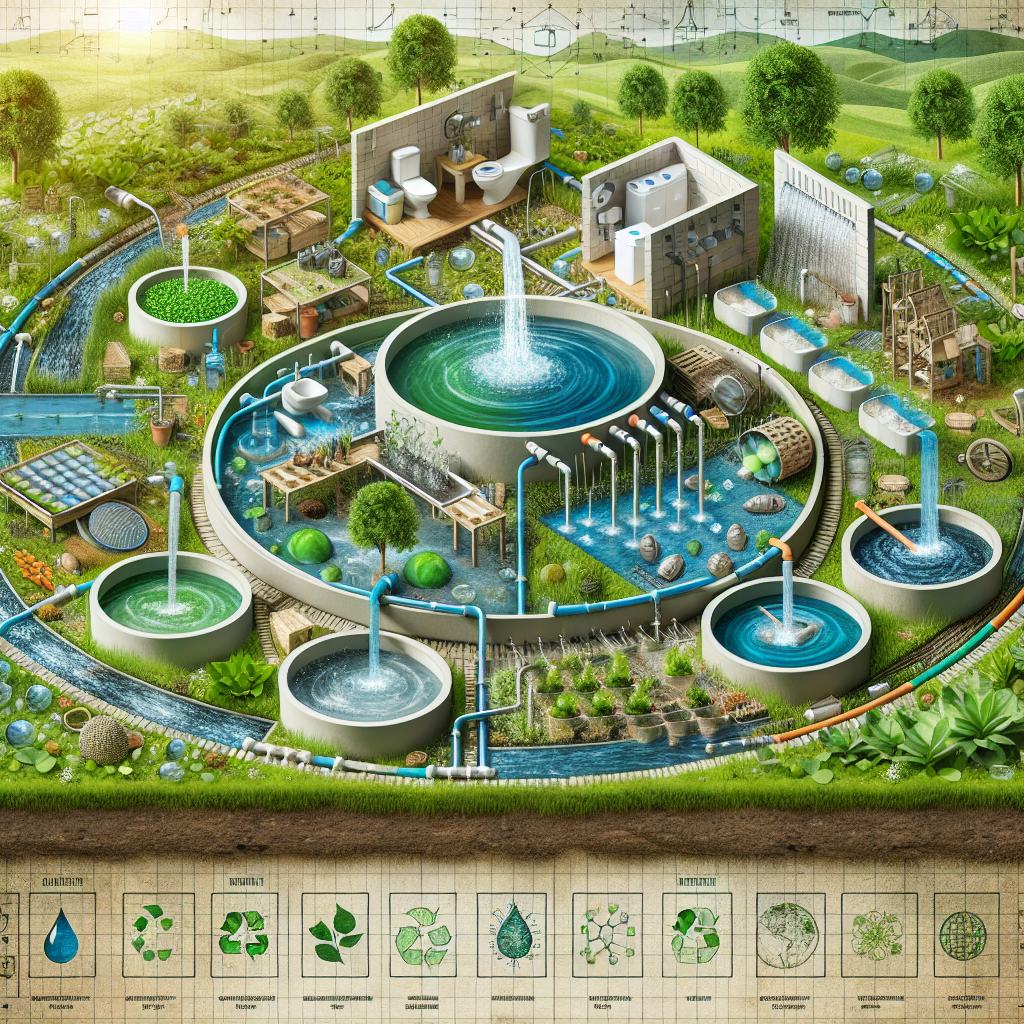
As climate change and resource management become pivotal issues in today’s world, the concept of ecological sanitation, often referred to as EcoSan, presents an innovative, sustainable solution. EcoSan is more than just a method of waste treatment; it embodies principles that enhance the health, environment, and even the economy of our society. One of the areas where EcoSan can make a significant impact is in schools. By integrating EcoSan systems into the school environment, we can not only create healthier and more sustainable schools but also educate the next generation about the critical importance of sustainable waste management. This article dives deep into the principles and concepts of EcoSan, highlighting how these systems can be effectively implemented in schools to foster a culture of environmental responsibility and awareness among students.
The Basics of EcoSan
The term “EcoSan” stands for ecological sanitation, a concept that goes beyond traditional waste disposal methods. EcoSan systems treat human waste as a resource, emphasizing recycling and minimizing environmental impact. The core principles of EcoSan include the protection of public health, environmental protection, resource recovery, and sustainability. These systems operate by separating urine and feces at the source, treating them with an appropriate technology, and then reintroducing the separated components back into the ecosystem safely. For instance, urine can be used as a fertilizer due to its high nutrient content, while treated feces can be used as compost.
Implementing EcoSan systems in schools serves multiple purposes. It educates students about sustainable practices, reduces the school’s environmental footprint, and potentially provides resources that can benefit school gardens or agricultural programs. By teaching students about EcoSan, we promote a hands-on understanding of sustainable waste management, preparing them to be environmentally conscious citizens.
Implementing EcoSan in Schools
Integrating EcoSan systems into the school environment requires careful planning and collaboration. Schools need to assess the existing infrastructure and determine the most suitable EcoSan technologies based on their specific needs and resources. This can include UDDTs (Urine Diversion Dehydration Toilets), biogas systems, or composting toilets.
Installing these systems typically involves initial training for staff and students to ensure they understand the operation and maintenance of the facilities. It is crucial to establish a clear maintenance plan to keep the systems running efficiently and hygienically. Partnering with local environmental organizations or governmental bodies can provide additional support and resources for schools embarking on the EcoSan implementation journey.
Additionally, integrating EcoSan education into the curriculum enriches students’ learning experience. By incorporating lessons on sanitation, environmental science, and resource management, schools can create a more interactive and engaging learning environment. Activities such as school garden projects, where students use compost produced by EcoSan systems, can provide practical applications of what they have learned, reinforcing the importance of sustainable practices.

Benefits of EcoSan for Schools
The advantages of adopting EcoSan systems in schools are multifaceted. Firstly, EcoSan promotes public health by minimizing contact with untreated waste, significantly reducing the risk of waterborne diseases. Clean, safe sanitation facilities contribute to a healthier school environment, ultimately enhancing students’ overall well-being and academic performance.
Environmentally, these systems drastically reduce water usage, as they often require less water for flushing compared to conventional toilets. This conservation of water resources is particularly crucial in areas facing water scarcity. Moreover, by recycling nutrients found in human waste, EcoSan systems help reduce the dependence on synthetic fertilizers, leading to a lowered ecological footprint.
On an educational level, EcoSan systems serve as a powerful teaching tool. They provide students with practical, real-world examples of sustainability and resource management. By engaging with EcoSan practices, students develop a deeper understanding of environmental issues and the significant role they play in mitigating these challenges. This hands-on experience fosters a sense of responsibility and empowerment, encouraging students to adopt sustainable practices in their daily lives.
Challenges and Solutions in EcoSan Implementation
While the benefits of EcoSan systems are clear, schools may encounter several challenges when attempting to implement these solutions. Financial constraints, lack of technical expertise, and resistance to change can all hinder the adoption of EcoSan technologies.
To address financial challenges, schools can seek funding from government grants, environmental organizations, or community fundraising efforts. Demonstrating the long-term cost savings and environmental benefits of EcoSan systems can also help garner support from stakeholders and policymakers. For technical expertise, schools can collaborate with environmental engineers, EcoSan experts, or local universities to provide the necessary knowledge and support for successful implementation.
Overcoming resistance to change requires building a culture of acceptance and enthusiasm around EcoSan principles. This can be achieved through educational campaigns, workshops, and involving the entire school community in the planning and implementation process. Highlighting success stories from other schools that have implemented EcoSan systems can also serve as powerful motivators. Engaging students in creative projects, such as EcoSan awareness art competitions or EcoSan ambassadors programs, can further embed these sustainable practices into the school’s culture.
Case Studies of EcoSan in Schools
Several schools worldwide have successfully integrated EcoSan systems, serving as inspiring examples of how ecological sanitation can be implemented effectively. In India, the Rishi Valley School’s EcoSan project has transformed the school’s sanitation infrastructure. They installed UDDTs that separate urine and feces, with the urine being used as a nutrient source for the school’s agricultural initiatives. This not only improved sanitation but also provided valuable resources for their gardening programs.
In Sweden, a school in Malmö adopted composting toilets, significantly reducing their water usage and generating compost for their school gardens. The project also involved educational workshops for students, teaching them about waste management, the nitrogen cycle, and sustainability.
The Grace Foundation in Uganda undertook a comprehensive EcoSan project in several local schools, addressing both sanitation and energy needs. They installed biogas toilets that convert human waste into biogas, which is then used for cooking in the school kitchens. This initiative resulted in cleaner sanitation facilities, reduced reliance on firewood, and hands-on learning opportunities for students regarding renewable energy and waste management.
Future Prospects of EcoSan Education
As the global emphasis on sustainability continues to grow, the future of EcoSan education in schools looks promising. Advancements in technology and increased awareness about environmental issues are likely to drive more schools to adopt EcoSan systems.
Incorporating EcoSan principles into the education system aligns with broader educational goals of fostering critical thinking, problem-solving, and responsible citizenship. Moreover, students who are well-versed in ecological sanitation can become advocates for sustainable practices, influencing their communities and future workplaces.
The integration of digital tools and platforms can further enhance EcoSan education. Virtual reality simulations, interactive apps, and online courses can provide students with a deeper understanding of how EcoSan systems work and their impact on the environment. Such innovative approaches can make EcoSan education more accessible and engaging, reaching a broader audience.
Governments and educational institutions can play a crucial role in promoting EcoSan. By incorporating EcoSan principles into national education curricula, providing funding for schools to adopt EcoSan technologies, and fostering partnerships with environmental organizations, they can accelerate the adoption of sustainable sanitation practices. Conclusion
EcoSan systems represent a paradigm shift in how we manage human waste, turning a potential environmental burden into a resource. By implementing EcoSan in schools, we not only create healthier and more sustainable learning environments but also educate the next generation on the importance of environmental stewardship. The benefits of EcoSan are multifaceted, from improving public health and conserving water to providing valuable nutrients for agriculture and serving as powerful educational tools.
Despite the challenges schools may face in adopting EcoSan systems, the long-term benefits far outweigh the initial obstacles. Financial constraints, technical expertise, and resistance to change can be tackled through strategic planning, partnerships, and educational initiatives. Success stories from schools around the world serve as a testament to the effectiveness and feasibility of EcoSan solutions.
As we look to the future, the integration of EcoSan principles into education will play a pivotal role in fostering a sustainable society. By equipping students with the knowledge and skills to manage resources responsibly, we empower them to become the environmental leaders of tomorrow. The journey towards sustainable sanitation and resource management starts in our schools, and with EcoSan, we are laying the foundation for a healthier, more sustainable world.