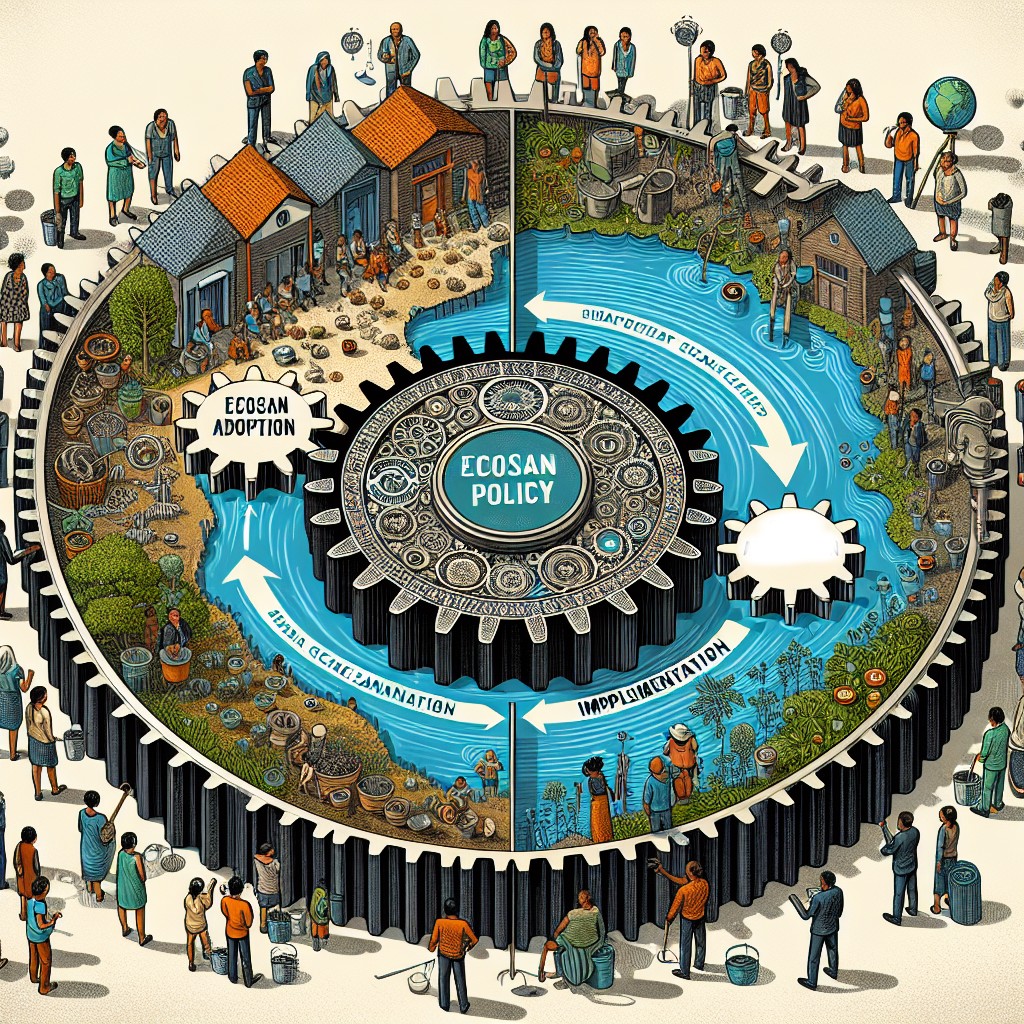
Ecological sanitation, commonly referred to as EcoSan, represents a paradigm shift in waste management, emphasizing sustainability, resource recovery, and environmental protection. Central to the EcoSan concept are the principles of safely processing human waste into usable resources, typically through composting or other biological processes. The ultimate goal of EcoSan is to create a closed-loop system, where human waste is treated as a valuable resource rather than a pollutant, thus preserving natural resources, preventing contamination, and contributing to agricultural productivity. However, the adoption and implementation of EcoSan systems are heavily influenced by various policy frameworks, regulations, and governmental support. This article explores the invaluable role that policy plays in the widespread acceptance and successful implementation of EcoSan technologies.
While EcoSan systems offer immense potential in promoting sustainable development and environmental conservation, the complexity of policy landscapes often presents challenges. Policies can either catalyze or hinder the adoption of EcoSan solutions. Understanding the influence of policy on EcoSan requires a keen examination of how governmental regulations, development agendas, and public health guidelines intersect. Additionally, financial incentives, educational initiatives, and community engagement play pivotal roles in shaping the success of EcoSan implementations.
Policy Frameworks and Regulatory Environment
The regulatory environment significantly impacts EcoSan projects. Governments establish sanitation standards and policies to protect public health and the environment. These regulations influence factors such as design standards, construction practices, and operational protocols. In some regions, stringent regulations can create barriers, while in others, supportive policies can foster innovation and adoption.
For EcoSan systems to thrive, it is crucial that policies align with ecological principles. This involves revising outdated sanitation laws to accommodate sustainable practices and recognizing EcoSan as a viable alternative to conventional sewage systems. Governments can facilitate this transition by integrating EcoSan into national sanitation policies and development plans, setting clear guidelines and standards for implementation.
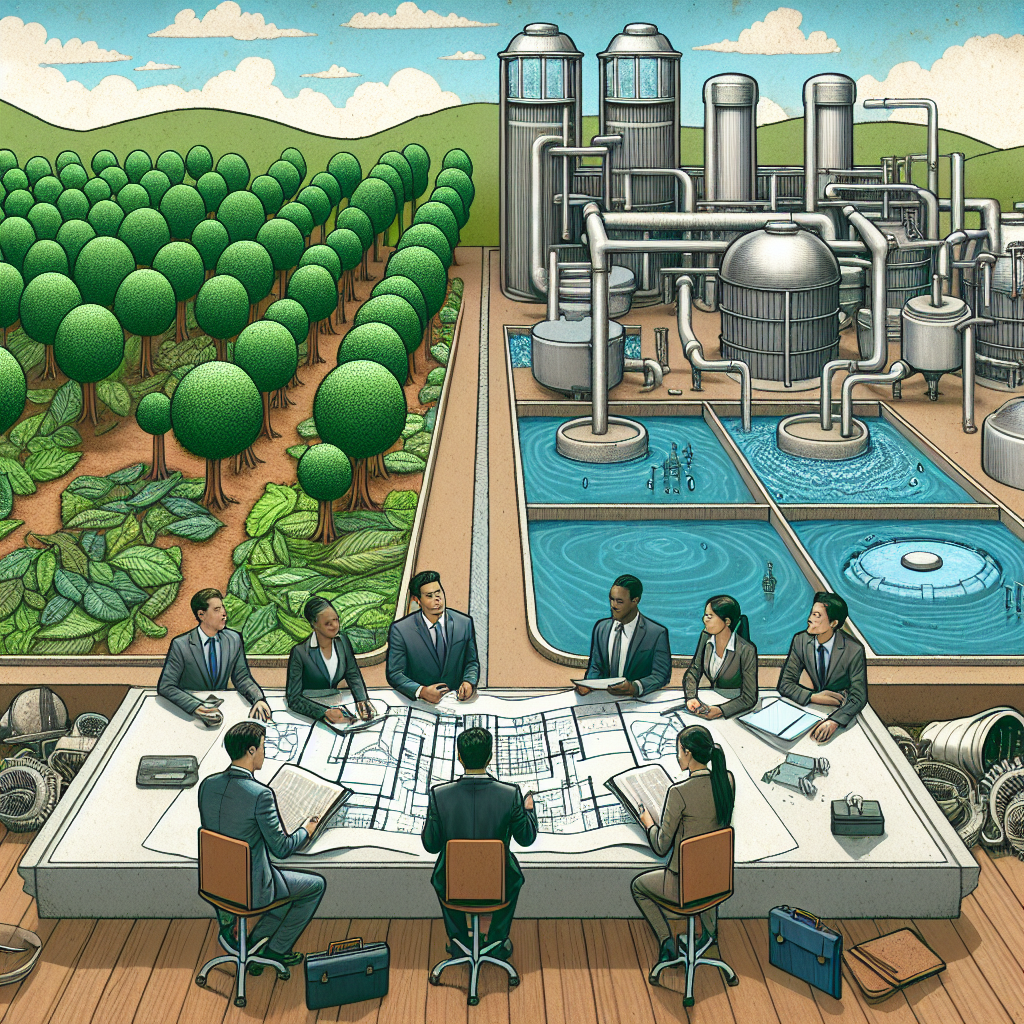
Moreover, multi-sectoral collaboration is essential. Aligning policies across different sectors such as health, agriculture, and water management ensures a holistic approach. This coordination can help address potential conflicts and promote coherence in EcoSan initiatives.
Financial Incentives and Funding Mechanisms
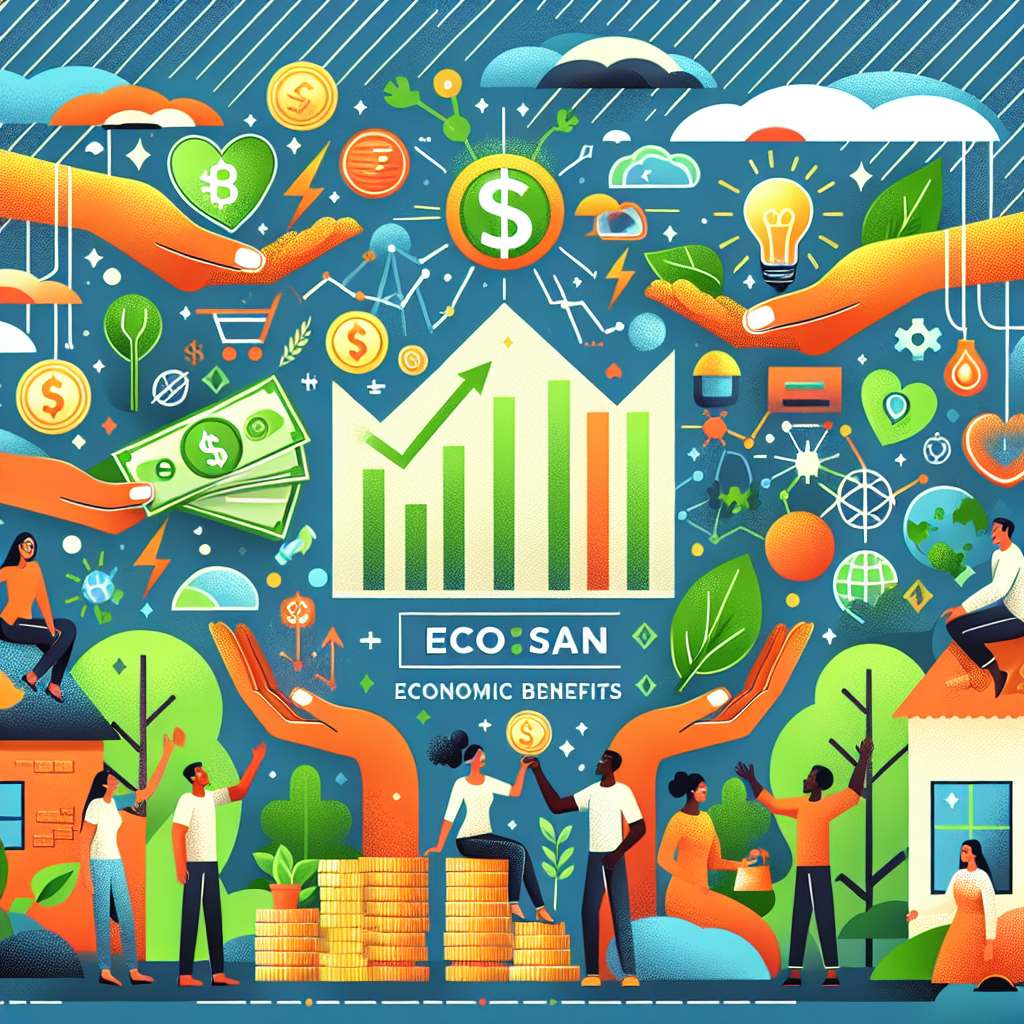
Financial barriers are a common obstacle to the adoption of EcoSan systems. The initial costs of installing EcoSan infrastructure can be significant, deterring both individual households and communities from investing in these technologies. To address this, governments and international organizations can provide financial incentives and funding mechanisms to support EcoSan projects.
Subsidies, grants, and low-interest loans are effective tools to lower the financial burden on households and communities. Additionally, incorporating EcoSan into broader development funding streams can ensure sustained financial support. For example, integrating EcoSan funding into programs addressing climate change, sustainable development, and agricultural productivity can create synergies and maximize resource allocation.
Public-private partnerships also play an essential role in financing EcoSan projects. By leveraging private sector investment and expertise, governments can enhance the scalability and sustainability of EcoSan initiatives. Collaborative efforts between governments, non-governmental organizations, and private companies can also foster innovation and drive down costs.

Educational Campaigns and Public Awareness
Education and public awareness are fundamental to the success of EcoSan systems. Misconceptions about EcoSan, particularly concerns regarding health risks and cultural acceptability, can impede adoption. Effective educational campaigns can address these concerns by providing accurate information on how EcoSan systems work, their benefits, and safety protocols.
Government-led initiatives to educate the public about EcoSan can significantly increase acceptance and participation. This includes integrating EcoSan education into school curricula, conducting community workshops, and utilizing media platforms to disseminate information. Furthermore, demonstrating successful EcoSan projects can serve as powerful case studies to build trust and confidence in these systems.
Public engagement should also extend to stakeholder involvement in planning and decision-making processes. Encouraging community participation ensures that EcoSan solutions are tailored to local needs and preferences, increasing their effectiveness and sustainability.
Technological Innovations and Research
Technology and research play a crucial role in advancing EcoSan solutions. Continuous innovation is necessary to improve the efficiency, affordability, and user-friendliness of EcoSan systems. Governments and academic institutions must prioritize research in ecological sanitation to drive technological advancements.
Investing in research and development can lead to the discovery of new methods for waste treatment, nutrient recovery, and resource recycling. Collaborative research efforts between nations can also enhance the global knowledge base and facilitate the exchange of best practices.
Furthermore, testing and piloting new technologies in different contexts can generate valuable data to inform policy and practice. Governments can support these initiatives by providing funding for research projects and facilitating partnerships between universities, research institutes, and the private sector.
Case Studies and Success Stories
Examining successful EcoSan projects can offer valuable insights and lessons. Across the globe, numerous case studies demonstrate how effective policies and supportive environments contribute to the successful implementation of EcoSan systems.
For instance, in some regions of India, policy frameworks that integrate EcoSan principles into rural development strategies have resulted in widespread adoption. Local governments worked in collaboration with NGOs to provide technical support, educational programs, and financial assistance, resulting in thriving EcoSan communities.
In East Africa, several countries have embraced EcoSan as part of their national sanitation policies. Supportive regulations, combined with strong community engagement and international aid, have led to the successful installation of numerous EcoSan toilets. These projects not only improved sanitation but also contributed to agricultural productivity by providing organic fertilizers derived from treated human waste.
These case studies highlight the importance of a supportive policy environment, financial incentives, education, and community involvement in achieving successful EcoSan implementation. They serve as models for other regions looking to adopt similar approaches.
Conclusion
EcoSan offers a sustainable and innovative approach to sanitation, transforming human waste from a liability into a resource. However, its adoption and implementation are heavily influenced by policy frameworks and governmental support. A cohesive and supportive policy environment, coupled with financial incentives, educational initiatives, technological innovation, and community engagement, is essential for the widespread adoption of EcoSan systems.
Governments and policymakers play a pivotal role in shaping the success of EcoSan initiatives. By revising outdated regulations, providing financial support, fostering public awareness, and investing in research, they can create enabling environments for EcoSan adoption. Moreover, collaborative efforts between the public and private sectors, as well as active community participation, are critical in ensuring the sustainability and effectiveness of EcoSan systems.
As global challenges such as water scarcity, climate change, and population growth intensify, the need for sustainable sanitation solutions becomes more urgent. EcoSan represents a vital component of the solution, promoting environmental conservation, public health, and resource recovery. By understanding and addressing the policy factors that influence EcoSan adoption, we can unlock its full potential and create a more sustainable future.