Ecological sanitation, commonly known as EcoSan, is a sustainable approach to managing human waste by considering it a resource rather than a waste product. This approach not only aims to prevent pollution but also promotes the recycling of nutrients to increase agricultural productivity. At the heart of EcoSan systems is the principle of biodiversity. In this article, we’ll explore why biodiversity is crucial for the effectiveness of EcoSan systems and how it contributes to environmental sustainability.
Understanding EcoSan
Before diving into the role of biodiversity, let’s define what EcoSan is. EcoSan systems are designed to safely process and recycle excreta, greywater, and sometimes solid waste. The goal is to recover nutrients, organic matter, and water for use in agriculture, thereby closing the loop between sanitation and food production. This approach not only conserves resources but also reduces the environmental footprint of human waste management.
The Role of Biodiversity in EcoSan
Biodiversity refers to the variety of life in all its forms and levels, including genetic, species, and ecosystem diversity. In EcoSan systems, biodiversity plays several key roles:
Nutrient Cycling
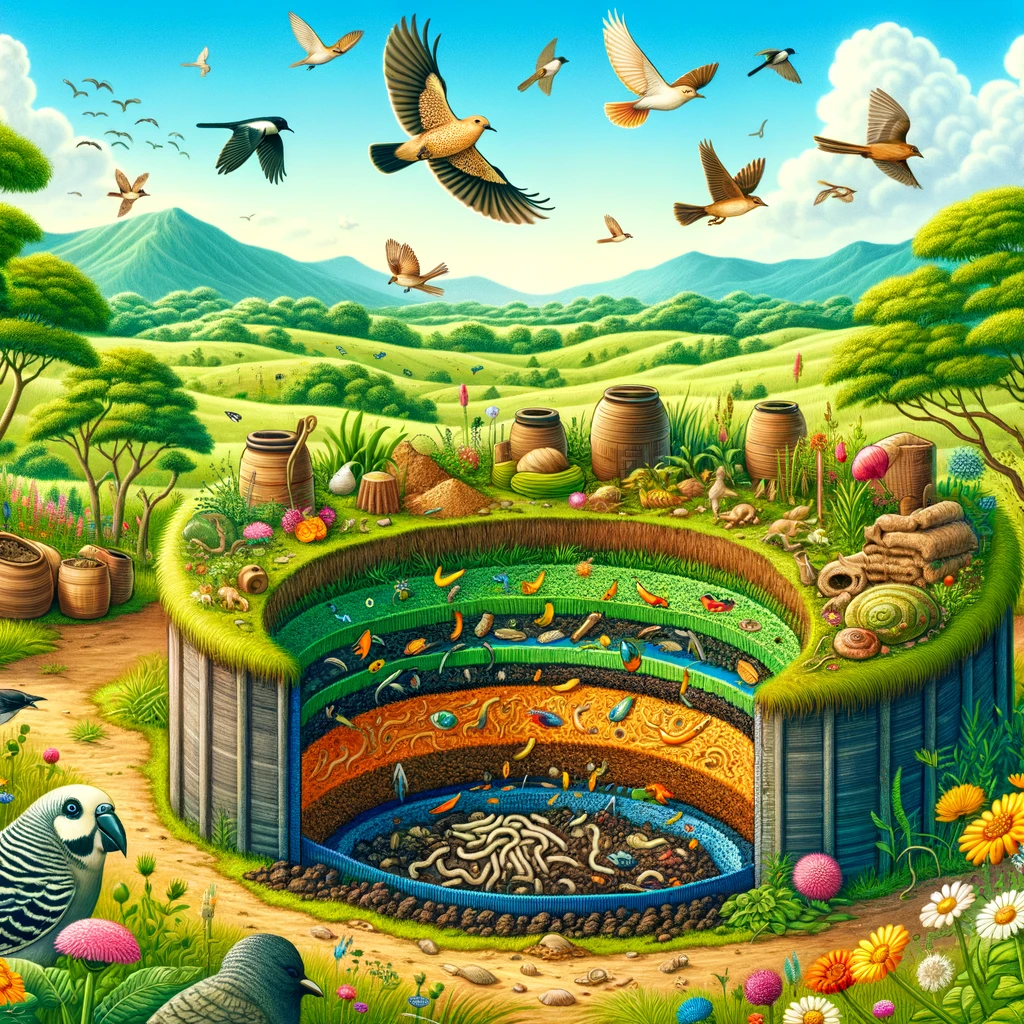
Diverse microbial communities are crucial for the breakdown and transformation of organic materials into plant-available nutrients. These microorganisms, including bacteria and fungi, are essential for decomposing solid waste and converting it into compost that can be safely used in agriculture. The more diverse these communities, the more efficient and robust the nutrient cycling process can be.
Disease Suppression
Healthy, biodiverse ecosystems are often more resistant to pathogens and pests. In the context of EcoSan, biodiversity can help suppress disease-causing organisms that might otherwise proliferate in more simplified or less diverse systems. For example, certain plant species can inhibit the growth of harmful bacteria through chemical interactions in the soil.
Resilience and Stability
Biodiversity contributes to the overall resilience and stability of EcoSan systems. Diverse ecosystems are better able to withstand and recover from stresses and disturbances, such as climatic extremes or disease outbreaks. This resilience is crucial for maintaining continuous nutrient recycling processes, especially in the face of environmental change.
Enhancing Soil Structure and Health
The introduction of compost and other organic materials produced from EcoSan systems improves soil structure, aeration, water retention, and fertility. The diverse organic matter supports a wider range of soil life, including earthworms, insects, and a myriad of microorganisms that contribute to the overall health of the soil.
Implementing Biodiversity in EcoSan Systems
To maximize the benefits of biodiversity in EcoSan systems, several strategies can be employed:
Use of Native Plants
Incorporating native plants into the design of EcoSan systems can enhance biodiversity. These plants are adapted to the local environment and can support a wide range of local wildlife, including pollinators and beneficial insects.
Integrated Design
EcoSan systems can be integrated into larger ecological systems, such as permaculture gardens, which mimic natural ecosystems and inherently support diverse species. Such integration helps to create more balanced and sustainable systems.
Community Involvement
Engaging the community in the planning and maintenance of EcoSan systems ensures a broader understanding of ecological principles and encourages the preservation of local biodiversity. Community-driven decisions can lead to more appropriate and diverse ecological solutions.
Challenges and Considerations
While the benefits of incorporating biodiversity into EcoSan systems are significant, there are also challenges to consider:
- Knowledge and Skills: Effective implementation requires a good understanding of ecological and sanitation principles.
- Cultural Acceptance: Integrating traditional ecological knowledge with modern EcoSan practices can be challenging but is crucial for long-term sustainability.
- Regulatory Frameworks: Adapting policies to support innovative sanitation solutions that emphasize biodiversity can be slow.
Biodiversity is not just a beneficial element but a fundamental component of effective EcoSan systems. By embracing ecological principles and fostering biodiversity, EcoSan can contribute significantly to sustainable waste management and environmental conservation. As the world continues to grapple with issues of waste, water scarcity, and food security, EcoSan presents a viable solution that aligns with the goals of ecological sustainability and resilience.

Future Directions in EcoSan and Biodiversity
As we look towards the future, the integration of biodiversity into EcoSan systems is poised to evolve with advancements in technology and increased environmental awareness. Here are some potential directions that could further enhance the role of biodiversity in EcoSan systems:
Technological Innovations
Emerging technologies can play a pivotal role in monitoring and enhancing biodiversity within EcoSan systems. For instance, IoT (Internet of Things) sensors could be used to track soil health, moisture levels, and nutrient content in real time, allowing for more precise management of ecological sanitation processes. Additionally, advancements in biotechnology could lead to the development of microbial solutions specifically tailored to enhance nutrient cycling and pathogen reduction in diverse ecological contexts.
Policy and Education
For EcoSan systems to reach their full potential, supportive policy frameworks are essential. Governments and policymakers need to recognize the value of biodiverse EcoSan systems in achieving sustainability goals. This includes providing incentives for research, development, and the adoption of EcoSan solutions that prioritize ecological principles.
Education plays a crucial role in the adoption and success of EcoSan systems. Educational programs that focus on ecological sanitation should not only target professionals and decision-makers but also the general public. These programs should highlight the interconnectedness of human health, sanitation, and biodiversity, promoting a holistic view of environmental stewardship.
Community-Based Adaptations
Community-based approaches to EcoSan can lead to innovative adaptations that enhance biodiversity. Local communities can experiment with different plant species and designs to find solutions that best meet their specific environmental and cultural needs. Such grassroots innovations can lead to more robust EcoSan systems that are finely adapted to local conditions and biodiversity patterns.
Biodiversity Conservation Initiatives
Linking EcoSan projects with broader biodiversity conservation initiatives can create synergies that benefit both sanitation and environmental goals. For example, EcoSan systems can be designed to contribute to reforestation efforts or to support the habitats of local wildlife. These initiatives not only improve sanitation but also help in the conservation of ecosystems, which is critical for biodiversity.
Practical Examples of Biodiversity in EcoSan
To illustrate the practical application of biodiversity in EcoSan, consider the following examples:
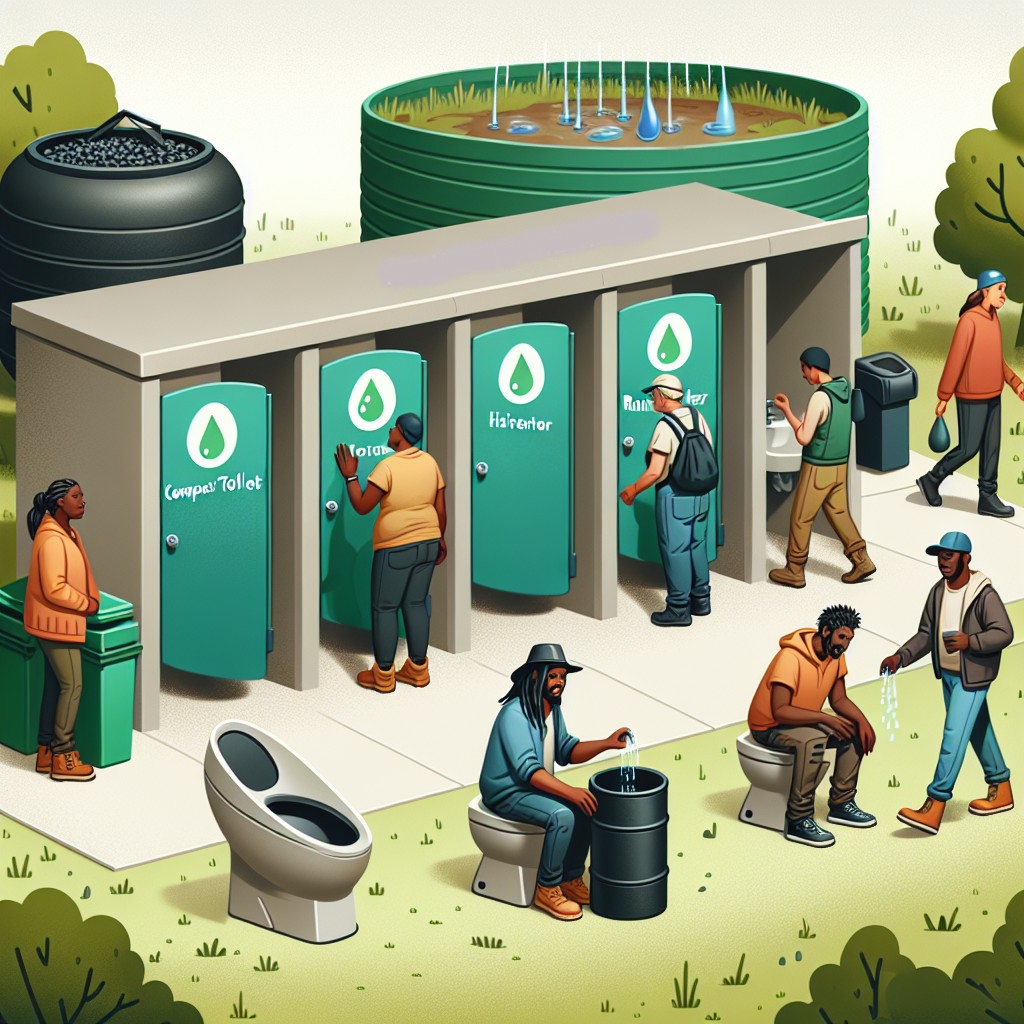
- Compost Toilets in Rural Communities: In many rural areas, compost toilets provide a simple yet effective way to manage human waste. By converting waste into compost, these toilets utilize microbial diversity to break down pathogens and transform waste into a resource that enhances soil fertility.
- Constructed Wetlands for Wastewater Treatment: Constructed wetlands mimic natural wetland ecosystems and are used to treat greywater and sewage. They rely on a diverse array of plants, bacteria, and other organisms to filter and break down pollutants, demonstrating how engineered and natural systems can work together.
- Agroforestry Systems: Integrating EcoSan with agroforestry practices can help recycle nutrients while supporting a diverse range of plant and animal species. These systems use strategic plantings of trees and other vegetation to enhance biodiversity, soil quality, and water cycle regulation.
The Broader Impact of Biodiversity in EcoSan
The integration of biodiversity into EcoSan is about more than just effective waste management—it’s about creating sustainable, resilient communities that are in harmony with their natural environments. As global environmental challenges intensify, the principles of biodiversity in EcoSan offer a hopeful pathway towards a more sustainable future, where human activities contribute positively to ecological health.
In conclusion, biodiversity is essential for the success of EcoSan systems. It enhances ecological resilience, improves waste recycling, and contributes to a healthier environment. As we move forward, it is vital to integrate these principles more deeply into our approaches to sanitation, ensuring that EcoSan systems continue to evolve as effective, sustainable solutions for our planet’s future.