With the growing concerns over environmental sustainability and the urgent need for improved sanitation solutions, Ecological Sanitation (EcoSan) has emerged as a promising approach. EcoSan is a sustainable sanitation concept that transforms human waste into valuable resources while ensuring minimal negative impact on the environment. One of the critical aspects of EcoSan is its deliberate design to maintain and improve groundwater quality. Groundwater is a vital resource, serving as drinking water for nearly 50% of the global population, making its protection paramount.
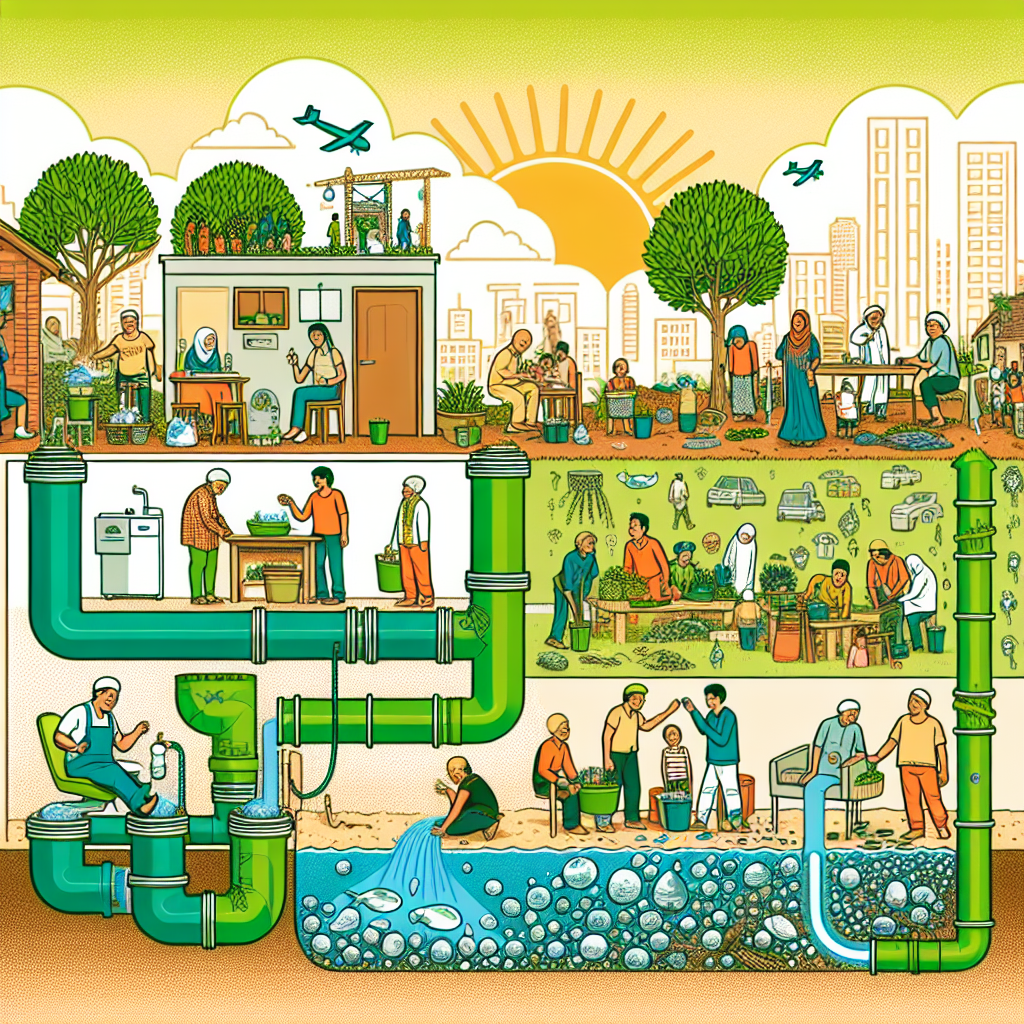
Traditional sanitation systems, including pit latrines and septic tanks, often pose significant risks to groundwater quality due to the infiltration of pathogens, nutrients, and chemical contaminants. EcoSan addresses these issues through innovative techniques that encapsulate waste, promote nutrient recovery, and enhance soil fertility without degrading water sources. By integrating waste management with agricultural practices, EcoSan not only protects groundwater but also fosters a closed-loop system that supports environmental health and agricultural productivity.
This article delves into the fundamental principles and concepts of EcoSan, elucidating how these practices ensure the safeguarding of groundwater. We’ll explore the design and operational features of EcoSan systems, their impact on groundwater quality, and how their implementation can contribute to broader environmental and public health benefits. As sustainable water management becomes increasingly critical, understanding and adopting EcoSan practices could play a significant role in achieving global sanitation and environmental goals.
EcoSan Principles
Ecological Sanitation operates on several core principles designed to achieve sustainability and minimal environmental impact. The foundational concept is the safe recycling of nutrients from human excreta back into the environment, a process that contrasts sharply with conventional sanitation methods that largely focus on waste disposal.
Source Separation: EcoSan systems typically involve the segregation of urine and feces at the source. This separation facilitates more effective treatment and reuse of these components. Urine is a valuable resource for its high nutrient content, particularly nitrogen and phosphorus, which are essential for plant growth. Separated urine can be treated and safely used as fertilizer in agriculture.
Dehydration and Composting: Fecal matter is treated through dehydration or composting to eliminate pathogens and convert it into a safe and stabilized substance that can be used as soil conditioner. The composting process, involving aerobic conditions and elevated temperatures, ensures the destruction of harmful microorganisms.
Minimal Water Usage: Unlike conventional flush toilets, EcoSan systems are designed to use little to no water, thereby mitigating the risk of pathogen-laden water infiltrating the groundwater. This also conserves water resources, which is particularly beneficial in arid regions.
Localized Treatment: By treating waste at the point of generation or close to it, EcoSan reduces the need for extensive sewer networks and centralized treatment facilities. This local management of waste minimizes the risk of widespread groundwater contamination.
Design and Operation of EcoSan Systems
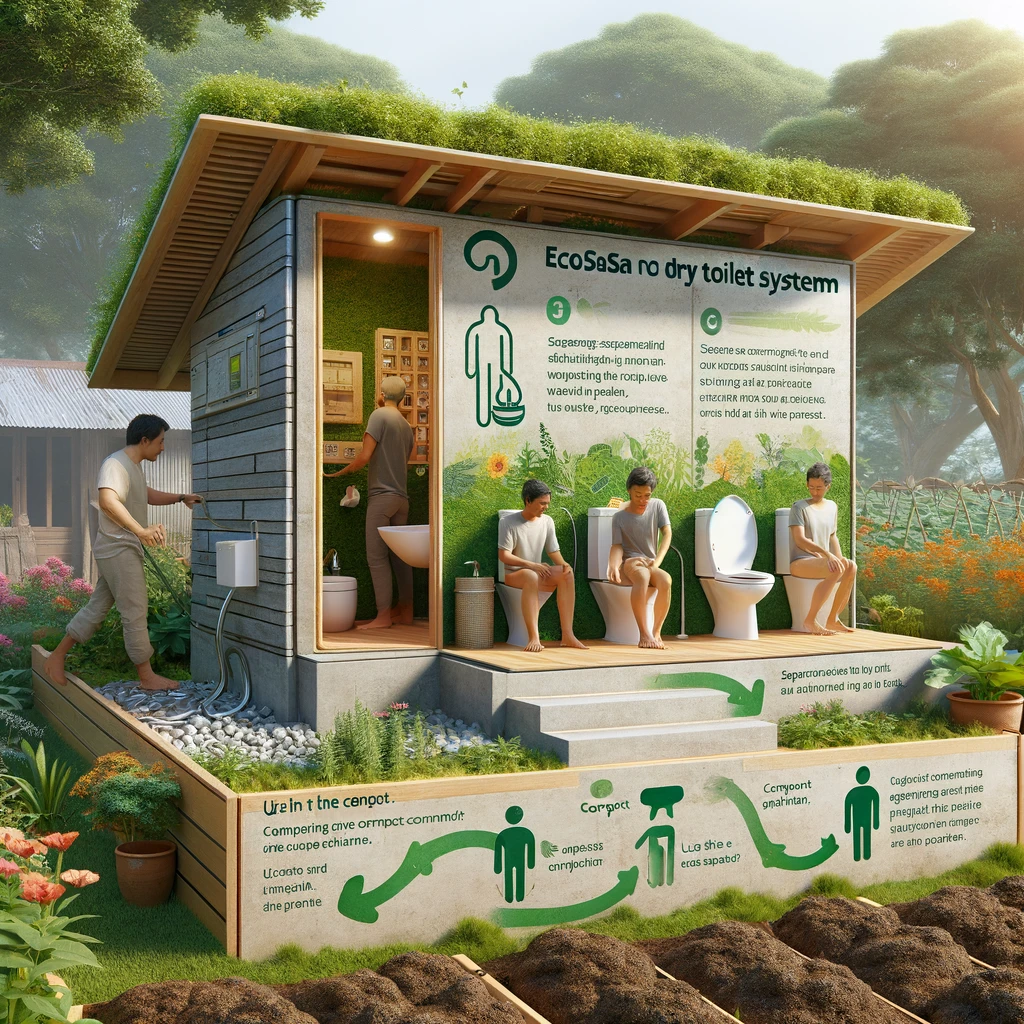
The design of EcoSan systems can vary widely depending on local conditions, available resources, and specific sanitation needs. However, some common designs include urine-diverting dry toilets (UDDTs), composting toilets, and biogas toilets.
Urine-Diverting Dry Toilets (UDDTs): These toilets separate urine and feces at the source. Urine is collected in a separate container for storage and eventual use as fertilizer, while feces are collected in a chamber where they can be processed by composting or dehydration.
Composting Toilets: Composting toilets are designed to treat feces with the aerobic decomposition process. They often include a ventilation system to ensure proper airflow and control odors, and may use bulking agents like sawdust to enhance composting efficiency. The end product is humus-like compost that can safely be used to enrich soil.
Biogas Toilets: In biogas toilets, human waste is anaerobically digested to produce biogas, which can be used for cooking or lighting. The residue from the digestion process can be used as a soil conditioner, similar to composting systems. This approach not only addresses waste treatment but also provides an energy source.
Operation: Effective operation of EcoSan systems hinges on proper usage, regular maintenance, and community involvement. Users must be educated on how to use the systems correctly, particularly in source-separation toilets. Maintenance tasks include regular collection of urine, monitoring and adjusting the composting process, and ensuring the removal of the stabilized end-products. Community engagement and education are essential for the successful adoption and sustainability of EcoSan systems.
Impact on Groundwater Quality
The implementation of EcoSan systems has a profound impact on protecting groundwater quality. By preventing the direct disposal of untreated waste into the ground, EcoSan significantly reduces the risk of groundwater contamination.
Pathogen Reduction: One of the critical benefits of EcoSan is the significant reduction of pathogens in human excreta before they have a chance to infiltrate groundwater sources. Through processes like composting and dehydration, pathogens are effectively inactivated, resulting in safe by-products.
Controlled Nutrient Management: EcoSan promotes the controlled application of nutrients found in urine and feces, preventing the leaching of excess nutrients into groundwater. This contrasts with traditional systems where nutrients can seep into the soil and eventually contaminate groundwater.
Elimination of Chemical Contaminants: By minimizing or eliminating the use of chemicals in the waste treatment process, EcoSan systems avert the risk of chemical contaminants entering the groundwater.
Reduction in Water Usage: The minimal water usage in EcoSan systems means that there is less likelihood of contaminated water percolating down to the groundwater. This not only conserves water but also protects water quality.
Overall, the protective measures inherent in EcoSan systems ensure that groundwater remains clean and safe for use, supporting both human health and environmental integrity.
Global Implementation of EcoSan
The global adoption of EcoSan systems is gaining momentum, driven by the need for sustainable sanitation solutions that protect water resources. Various regions, particularly in developing countries, have recognized the advantages of EcoSan and are implementing these systems at different scales.
Africa: Countries like Uganda, Kenya, and South Africa have embraced EcoSan due to their pressing need for water conservation and improved sanitation. Initiatives often involve community-based projects that educate local populations on the benefits and operation of EcoSan systems.
Asia: In countries such as India, China, and Nepal, EcoSan initiatives are being integrated into both urban and rural settings. Governments and NGOs are promoting the construction of EcoSan toilets to address the lack of sanitation infrastructure and protect groundwater.
Latin America: Regions like Brazil and Mexico are exploring EcoSan as a way to address water scarcity and improve sanitation in underserved areas. Pilot projects and community education programs are critical components of their strategy.
Challenges and Solutions: Despite the benefits, EcoSan implementation faces challenges such as cultural acceptance, initial costs, and the need for ongoing education and maintenance. Solutions include community involvement, innovative financing models, and policies that support sustainable sanitation practices.
As more regions experience the benefits of EcoSan, its global adoption is likely to accelerate, contributing to better groundwater protection and environmental sustainability.
Case Studies and Success Stories
Examining case studies and success stories provides insight into the practical application and benefits of EcoSan systems.
Example Case Study – Ethiopia: In Ethiopia, a project implemented in the Arba Minch area introduced UDDTs to improve sanitation and protect groundwater. The project involved community training, construction of EcoSan toilets, and monitoring of groundwater quality. Results showed a significant reduction in contamination levels, and the community reported improved health outcomes and agricultural productivity due to the use of nutrient-rich compost.
Success Story – Sweden: Sweden has been a pioneer in EcoSan, particularly in rural areas. An initiative in the Stockholm archipelago integrated EcoSan UDDTs with local agricultural practices. The approach drastically reduced nitrogen and phosphorus runoff into water bodies, enhancing water quality and supporting sustainable farming.
India’s EcoSan Revolution: In Kerala, India, a major EcoSan initiative focused on building thousands of composting toilets in rural communities. This effort was driven by local NGOs and supported by the government. The project not only provided improved sanitation but also empowered communities with knowledge about sustainable waste management and organic farming.
These case studies demonstrate the transformative potential of EcoSan systems, highlighting success factors such as community participation, ongoing education, and robust monitoring frameworks.
Further Considerations and Future Prospects
As we look towards the future, the potential for EcoSan systems to contribute to global sustainability goals cannot be overstated. Several factors and emerging trends will shape the advancement and wider adoption of EcoSan.
Technological Innovation: Advances in technology can enhance the efficiency and effectiveness of EcoSan systems. Innovations such as automated composting processes, improved pathogen detection methods, and enhanced nutrient recovery techniques hold promise for optimizing EcoSan operations.
Policy Support: Governments play a critical role in promoting EcoSan through supportive policies, subsidies, and integrating these systems into national sanitation strategies. Policy frameworks that incentivize sustainable practices will be key to scaling up EcoSan adoption.
Climate Change Mitigation: EcoSan systems can contribute to climate change mitigation by reducing greenhouse gas emissions associated with traditional waste treatment processes. The use of ecological sanitation as part of climate adaptation strategies is an area of growing interest.
Education and Awareness: Ongoing education and awareness efforts are essential to overcoming cultural barriers and misconceptions about EcoSan. Training programs, awareness campaigns, and involvement of local leaders can foster broader acceptance.
The future of EcoSan looks promising, with its potential to address pressing global challenges related to sanitation, water quality, and environmental sustainability. Continued efforts in research, policy development, and community engagement will be crucial to realizing the full benefits of EcoSan systems.
Conclusion
Ecological Sanitation represents a paradigm shift in how we approach human waste management, emphasizing sustainability, resource recovery, and environmental protection. Its principles and concepts, centered on the safe treatment and reuse of human excreta, offer significant benefits for groundwater quality and overall environmental health.
By separating waste streams, promoting dehydration and composting, and minimizing water usage, EcoSan systems effectively mitigate the risks of groundwater contamination. The successful design and operation of these systems depend on community involvement, proper maintenance, and ongoing education.
As seen in various global implementations and success stories, EcoSan can substantially improve sanitation, enhance agricultural productivity, and safeguard precious water resources. Despite challenges, the adoption of EcoSan continues to grow, driven by the need for sustainable and resilient sanitation solutions.
Looking ahead, the integration of technological innovations, supportive policies, and heightened awareness will be key to scaling up EcoSan. By embracing EcoSan, we move towards a healthier, more sustainable future, ensuring that groundwater and other natural resources are preserved for generations to come.