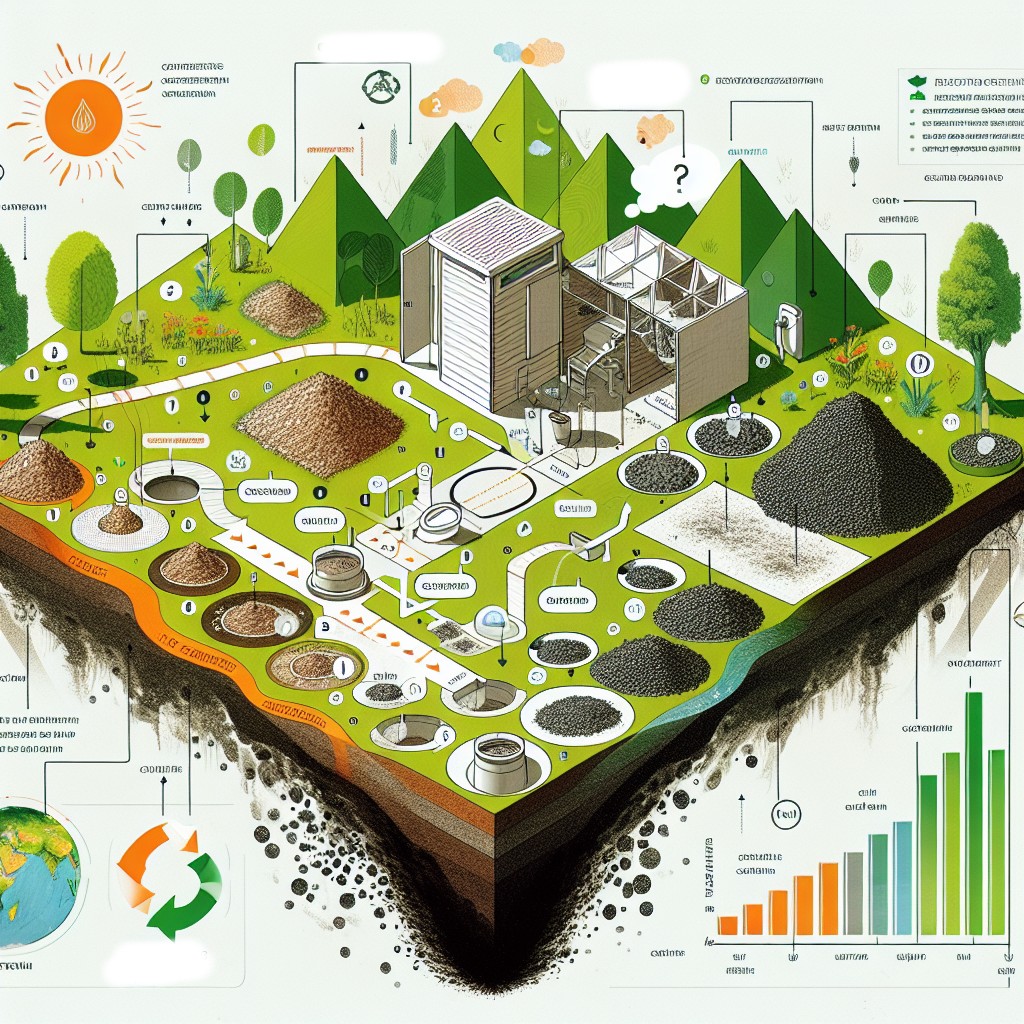
Sanitation is a cornerstone of public health, providing essential services that prevent the spread of diseases and protect the environment. However, traditional sanitation methods often fall short in terms of sustainability, resource efficiency, and environmental impact. Ecological Sanitation (EcoSan) emerges as an innovative and holistic approach to address these shortcomings. By integrating ecological principles into the design and management of sanitation systems, EcoSan aims to recycle nutrients, conserve water, and create safe, hygienic environments. In this article, we’ll explore the core principles and concepts of EcoSan, and how they can contribute to advancing public health and environmental sustainability.
EcoSan looks beyond mere waste disposal to see human waste as a resource. This paradigm shift enables the recovery and reuse of nutrients, such as nitrogen and phosphorus, which are vital for agriculture. Moreover, EcoSan helps mitigate water scarcity, a growing global concern, by encouraging the use of dry or low-water toilet systems. Importantly, these systems are designed to protect both soil and water bodies from contamination, ensuring a healthier ecosystem for humans and wildlife alike.
In the following sections, we will delve deeper into the principles that guide EcoSan, the technologies that enable its application, the benefits it offers over conventional methods, and case studies showcasing its success. Through comprehensive understanding and strategic implementation, EcoSan holds the potential to revolutionize sanitation practices worldwide, significantly improving health outcomes and environmental conditions. Let’s begin our journey into the world of EcoSan and uncover how ecological principles can redefine sanitation.
EcoSan Principles: The Foundation of Sustainable Sanitation
At the heart of EcoSan are core principles that set it apart from traditional sanitation methods. These principles aim to create closed-loop systems where human waste is converted into valuable resources rather than discarded as pollutants. Let’s explore these foundational concepts in detail:
Source Separation: One of the key tenets of EcoSan is the separation of urine and feces at the source. This practice not only simplifies the treatment process but also allows for the specific reuse of urine, which is nutrient-rich and can be directly utilized in agriculture after minimal treatment.
Resource Recovery: EcoSan systems are designed to recover and recycle nutrients found in human waste. Urine, which contains high levels of nitrogen and phosphorus, can be used as a fertilizer, while treated feces can be used as soil conditioner. This not only reduces the need for synthetic fertilizers but also enriches the soil naturally.
Water Conservation: EcoSan promotes the use of dry or low-water systems, significantly reducing water consumption compared to conventional flush toilets. This is particularly valuable in water-scarce regions, ensuring that water resources are used more efficiently and sustainably.
Environmental Protection: By treating waste at the source and preventing contamination of water bodies and soil, EcoSan systems play a critical role in safeguarding ecosystems. Properly managed EcoSan systems reduce the risk of pathogen spread and minimize the impact on the environment.
Understanding and implementing these principles are crucial for the successful deployment of EcoSan technologies. In the next section, we’ll take a closer look at the innovative technologies that bring these principles to life.
Technologies and Systems in EcoSan
EcoSan involves a range of technologies and systems designed to embody its guiding principles. The selection of appropriate technologies depends on various factors such as geographical location, climate, cultural acceptance, and economic conditions. Here are some of the most effective and widely used EcoSan technologies:
Urine Diversion Dry Toilets (UDDTs): UDDTs are a prime example of a technology that embodies EcoSan principles. These toilets separate urine from feces, allowing for the easier treatment and reuse of both. Urine can be utilized as a liquid fertilizer, while feces undergo composting or other treatment processes to become safe soil conditioners.
Composting Toilets: These toilets compost human waste on-site, turning it into nutrient-rich compost over time. Composting toilets are especially useful in off-grid locations and areas lacking sewage infrastructure. They also contribute to sanitary improvements by preventing the spread of pathogens.
Constructed Wetlands: These artificial wetland systems treat greywater and blackwater through natural processes involving plants and microorganisms. Constructed wetlands help in purifying wastewater, making it safe for reuse in irrigation or safe discharge into natural waterways.
Biogas Toilets: Biogas toilets convert human waste into biogas through anaerobic digestion. The biogas produced can be used as a source of renewable energy for cooking, heating, or electricity generation. The remaining sludge can be treated and used as fertilizer.
Each of these technologies plays a pivotal role in implementing EcoSan principles effectively, ensuring resource recovery and ecological synergy. Next, we’ll discuss the various benefits EcoSan systems offer compared to conventional sanitation methods.

Benefits of EcoSan over Conventional Sanitation
EcoSan systems provide a multitude of benefits that extend beyond simple waste management. By embracing EcoSan, communities can reap both immediate and long-term advantages, making it a compelling alternative to traditional sanitation methods. Here are some key benefits:
Public Health Improvements: EcoSan reduces pathogen transmission and contamination of water sources, which are common issues with conventional sewage systems. This results in lower incidences of waterborne diseases and improved community health.
Environmental Sustainability: By converting waste into valuable resources, EcoSan significantly reduces the environmental footprint. It minimizes the use of chemical fertilizers, curtails water pollution, and helps in combating soil degradation.
Water Conservation: Traditional flush toilets are notoriously water-intensive. In contrast, EcoSan systems such as UDDTs and composting toilets use minimal to no water, making them ideal for regions facing water scarcity.
Economic Benefits: When communities adopt EcoSan systems, the savings from reduced water usage, lower chemical fertilizer dependency, and energy production through biogas can be substantial. Additionally, the local production of compost and biogas provides economic opportunities.
By offering these multifaceted benefits, EcoSan greatly contributes to sustainable development goals, especially in rural and underserved urban areas. Now, let’s look at real-world examples to understand how EcoSan principles have been successfully applied in various contexts.
Case Studies: Real-world Applications of EcoSan
To fully grasp the potential of EcoSan, it is helpful to examine its application in real-world settings. Here are some notable case studies that highlight the success and adaptability of EcoSan principles:
South Africa: The eThekwini Municipality in Durban has successfully implemented UDDTs in informal settlements. The project not only addressed sanitation challenges but also created jobs in the production and maintenance of these toilet systems. The nutrient-rich urine is collected and used as fertilizer, contributing to the local agriculture.
Sweden: Sweden has been a pioneer in implementing EcoSan on a larger scale. The Ecovillage in Brändön uses a closed-loop system where human waste is composted and the compost is used in local farming. Constructed wetlands further treat greywater, ensuring minimal environmental impact.
India: In the rural parts of India, EcoSan toilets have been implemented as part of the Swachh Bharat Mission. These toilets have greatly reduced open defecation, improved hygiene, and provided compost for agricultural use. The project has also enhanced community awareness about sustainable sanitation practices.
Honduras: In the rural community of El Retiro, EcoSan toilets have been introduced to address the lack of sanitation infrastructure. These toilets have improved public health, conserved water, and provided farmers with quality compost, boosting agricultural productivity.
These case studies illustrate the efficacy of EcoSan in diverse geographic and socio-economic contexts. The adaptability of EcoSan technologies to local conditions underscores their potential for widespread adoption. In the next section, we’ll discuss the challenges and considerations for scaling up EcoSan initiatives globally.
Challenges and Considerations for Scaling Up EcoSan
While EcoSan offers numerous advantages, scaling up these initiatives globally presents certain challenges that must be addressed to ensure successful implementation. Understanding these hurdles and developing strategies to overcome them is crucial for the future of sustainable sanitation.
Cultural Acceptance: One of the primary challenges in adopting EcoSan practices is cultural acceptance. In many regions, discussing and handling human waste is a taboo subject. Education and awareness campaigns are vital to shifting perceptions and encouraging community buy-in.
Economic Constraints: Initial setup costs for EcoSan technologies can be high, deterring communities with limited financial resources. However, these costs are often offset by long-term savings and benefits. Financial incentives, subsidies, and micro-financing can play a significant role in overcoming economic barriers.
Technical Expertise and Management: Effective implementation of EcoSan systems requires technical knowledge and proper management. Training programs for local technicians and ongoing support from specialists are essential to ensure that systems are maintained and operated correctly.
Policy and Regulatory Frameworks: Supportive policies and regulatory frameworks are necessary to promote EcoSan initiatives. Governments and relevant authorities need to formulate policies that encourage the use of sustainable sanitation technologies and provide a conducive environment for their adoption.
Addressing these challenges requires a multi-faceted approach involving stakeholders at all levels, from local communities to international organizations. By fostering collaboration and innovation, the barriers to EcoSan can be effectively managed, paving the way for broader adoption and greater impact.
Conclusion: The Future of EcoSan
As we move towards a more sustainable and health-conscious future, the principles and practices of EcoSan have a vital role to play. By transforming how we perceive and manage human waste, EcoSan offers a pathway towards improved public health, environmental sustainability, and economic resilience.
EcoSan’s emphasis on resource recovery, water conservation, and environmental protection aligns seamlessly with global sustainability goals. The success stories from around the world demonstrate its viability and potential for scalability. However, realizing the full potential of EcoSan requires overcoming cultural, economic, and technical challenges through concerted efforts and innovative solutions.
Going forward, it is imperative to invest in education, community engagement, and policy support to foster the widespread adoption of EcoSan practices. Collaboration across sectors, including governments, NGOs, the private sector, and research institutions, will be key to driving progress.
Ultimately, the journey towards sustainable sanitation is a collective endeavor. By embracing EcoSan, we can ensure that our sanitation practices are not only effective and hygienic but also contribute positively to the environment and society. Together, we can advance public health through improved sanitation, creating a healthier, more sustainable world for future generations.