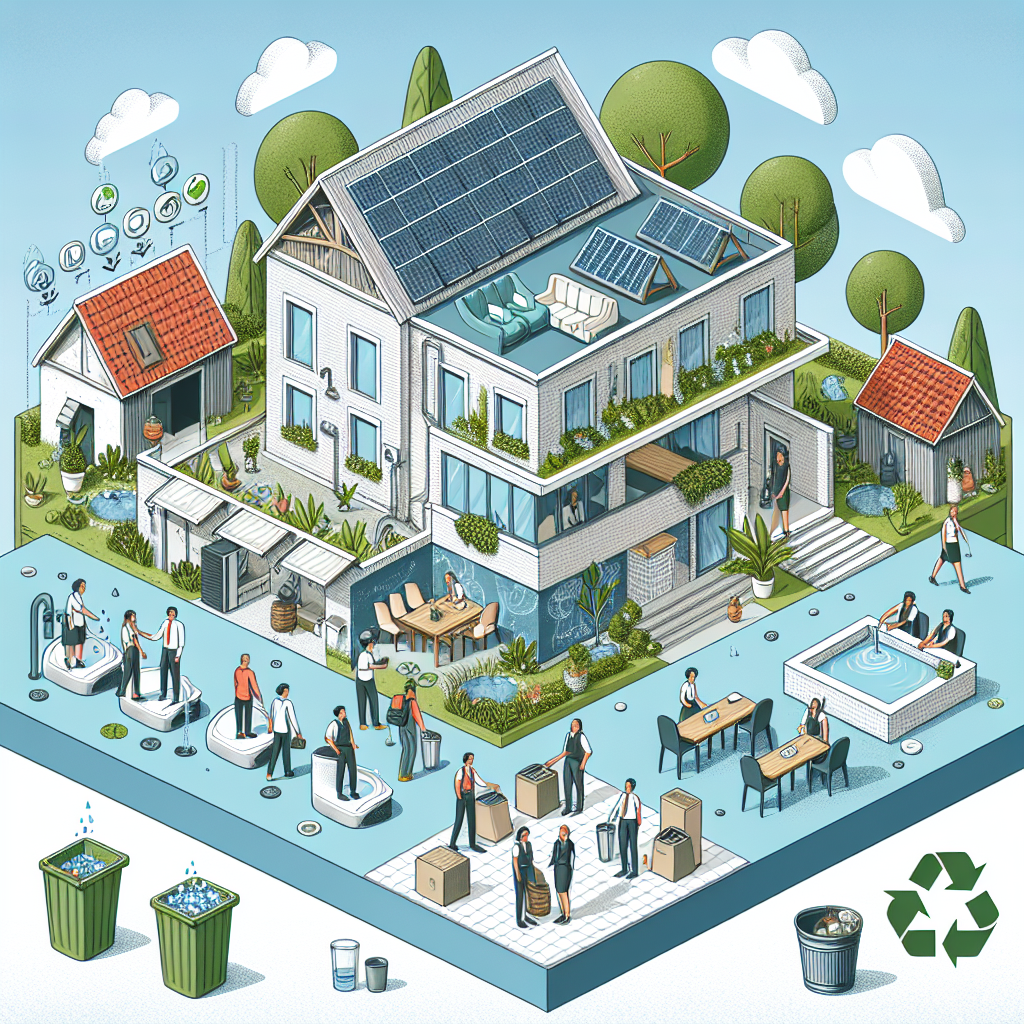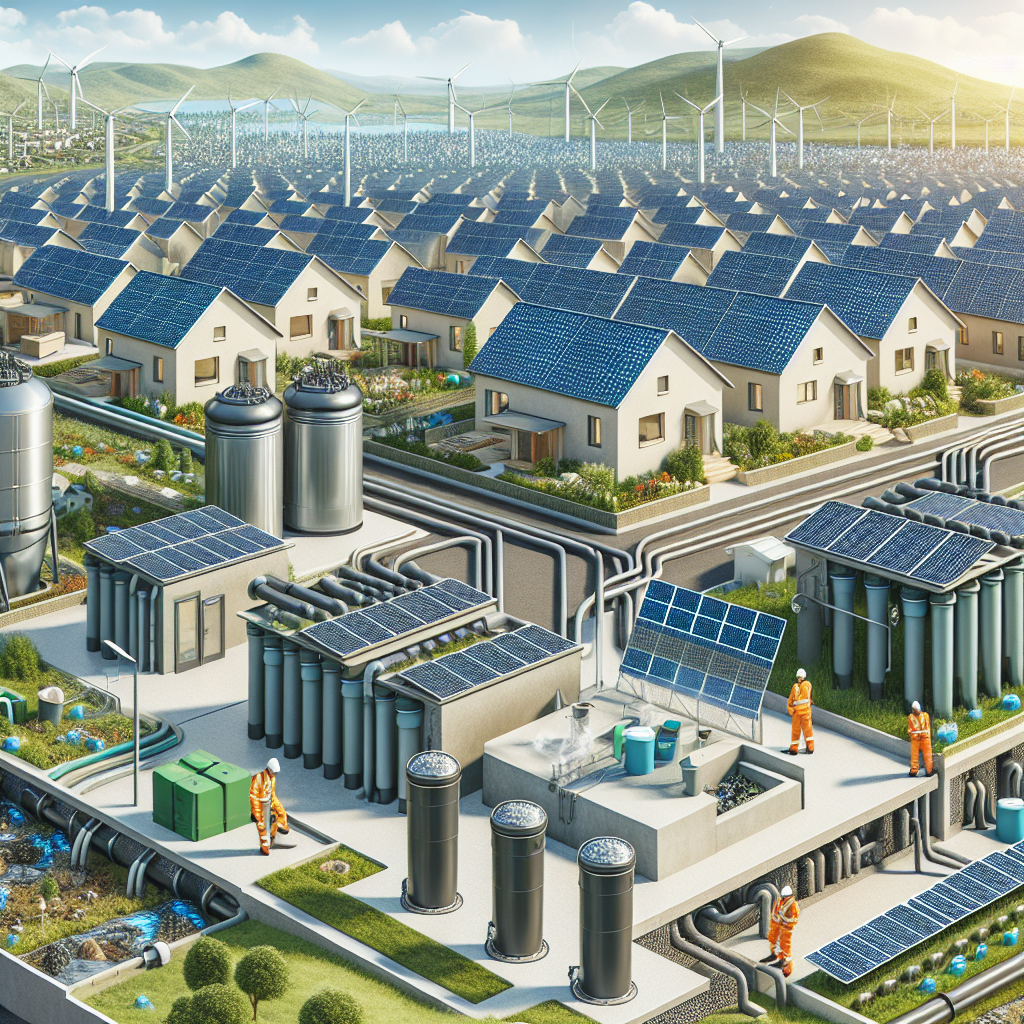
Ecological sanitation, often abbreviated as EcoSan, is a transformative approach to handling human waste that focuses on sustainability, resource recovery, and environmental stewardship. As cities and rural areas alike grapple with the challenges of conventional sanitation systems, EcoSan emerges as a promising alternative. This article delves into the fundamental principles and concepts of ecological sanitation, shedding light on why decentralized sanitation systems may well be the future of waste management.
Today, inadequate sanitation remains a pressing issue globally, affecting billions of people and leading to dire health consequences, including the spread of diseases such as cholera and dysentery. Traditionally, sanitation systems have relied heavily on water for transporting waste, posing severe environmental problems like water pollution and resource depletion. In contrast, EcoSan seeks to close the loop by treating human waste as a valuable resource rather than waste to be disposed of.
With the global population projected to exceed 9 billion by 2050, the strain on existing sanitation infrastructure will intensify. Innovative solutions are essential to ensure that everyone has access to safe, dignified, and sustainable sanitation. This is where ecological sanitation steps in, with its principles of sustainability, nutrient recovery, and the minimal use of water and chemicals.
As we explore the core principles and concepts of ecological sanitation, it becomes clear that these systems are not merely a futuristic ideal; they are a practical and necessary response to the environmental and health challenges posed by conventional sanitation methods. Let us delve deeper into the world of EcoSan and discover how it offers a blueprint for a more sustainable and equitable future.
Principles of Ecological Sanitation
The principles of ecological sanitation are designed to fundamentally transform our approach to waste management, focusing on closing the nutrient loop and promoting sustainability. At the heart of EcoSan are three core principles:
1. Prevention: Reducing pollution and preventing contamination is the starting point. EcoSan systems aim to manage waste in a way that minimizes the risk of environmental pollution and human exposure to pathogens.
2. Resource Recovery: Human waste is rich in nutrients like nitrogen, phosphorus, and potassium, essential for plant growth. EcoSan systems capture these nutrients and recycle them back into agriculture, creating a closed-loop system that mimics natural ecological cycles.
3. Treatment and Reuse: Unlike conventional sanitation systems that focus on waste disposal, EcoSan emphasizes treating and safely reusing waste. This can include converting waste to compost or bioenergy, thus transforming a potential pollutant into a valuable resource.
The implementation of these principles requires innovative technologies and approaches. For instance, urine-diverting toilets separate urine and feces at the source, simplifying treatment and enhancing nutrient recovery. Composting toilets turn human waste into valuable compost, enriching soil and reducing the need for chemical fertilizers.
Importantly, EcoSan systems are highly adaptable and can be scaled to fit various contexts, from urban slums to remote rural areas. By prioritizing sustainability, resource efficiency, and environmental protection, ecological sanitation offers a holistic solution to the pressing sanitation challenges of our time.
Technological Innovations in EcoSan
The successful implementation of ecological sanitation hinges on the deployment of innovative technologies that can efficiently manage and treat human waste. Several technological advances have been made in the field of EcoSan, making it feasible for diverse settings.
1. Composting Toilets: These toilets use aerobic decomposition to break down waste into compost. They are particularly suited for rural areas and places with limited water supply.
2. Urine-Diverting Dry Toilets (UDDTs): UDDTs separate urine and feces, allowing for easier treatment and recovery of nutrients. The urine can be used directly as a fertilizer, while feces can be composted.
3. Bio-Digesters: These systems use anaerobic digestion to convert organic waste, including fecal matter, into biogas and digestate. Biogas can be used as a renewable energy source, while digestate serves as a nutrient-rich fertilizer.
4. Constructed Wetlands: These engineered systems mimic natural wetlands to treat wastewater. They can efficiently remove contaminants and pathogens, making the effluent safe for reuse in irrigation or aquaculture.
Technological innovations also extend to decentralized treatment systems that can operate independently of large-scale infrastructure. These are particularly beneficial in areas with inadequate or aging sewer systems. By decentralizing sanitation, communities gain greater control over their waste management, ensuring that local needs and environmental conditions are met.
Incorporating smart sensors and Internet of Things (IoT) technology can further enhance EcoSan systems, allowing for real-time monitoring and management of waste treatment processes. This not only improves efficiency but also ensures that systems are operating within safe parameters.

Environmental Benefits of EcoSan
One of the primary motivations for adopting ecological sanitation systems is their significant environmental benefits. By treating human waste as a resource rather than a pollutant, EcoSan systems can mitigate many of the environmental issues associated with conventional sanitation.
1. Water Conservation: Conventional flush toilets use significant amounts of water, a precious and often scarce resource. EcoSan systems, such as composting or urine-diverting toilets, drastically reduce or eliminate the need for water in sanitation.
2. Nutrient Recovery: Human waste contains essential nutrients that, when captured and reused, can enhance soil fertility and reduce the need for chemical fertilizers. This nutrient recovery promotes sustainable agriculture and protects water bodies from nutrient pollution.
3. Reduction in Greenhouse Gas Emissions: By diverting organic waste from landfills and using it to produce biogas, EcoSan systems can reduce methane emissions, a potent greenhouse gas. Moreover, by reducing reliance on synthetic fertilizers, which require significant energy to produce, these systems further decrease carbon footprints.
4. Pollution Prevention: EcoSan systems prevent the contamination of water sources with pathogens and pollutants commonly associated with untreated sewage. This protects aquatic ecosystems and enhances water quality, contributing to healthier environments for both humans and wildlife.
By shifting towards sustainable waste management practices, EcoSan systems address the root causes of many environmental issues, offering a more resilient and eco-friendly approach to sanitation.
Socio-Economic Impacts
Beyond environmental benefits, ecological sanitation systems have profound socio-economic impacts. By providing communities with safe and sustainable sanitation solutions, EcoSan can drive positive changes in health, education, and economic development.
1. Health Improvement: Proper sanitation is crucial for preventing waterborne diseases and improving public health. EcoSan systems effectively manage pathogens, reducing the incidence of illnesses such as diarrhea, cholera, and typhoid.
2. Economic Savings: By recycling nutrients and producing biogas, EcoSan systems can reduce the costs associated with synthetic fertilizers and energy. Additionally, decentralized systems lower the expenses related to centralized sewage infrastructure maintenance and expansion.
3. Job Creation: The implementation and maintenance of EcoSan systems create employment opportunities in construction, waste treatment, and agricultural sectors. This boosts local economies and provides livelihoods.
4. Educational Benefits: Schools with adequate sanitation facilities experience better attendance rates, especially among girls. EcoSan projects often include educational components that raise awareness about hygiene, health, and sustainability.
The socio-economic advantages of EcoSan extend beyond individuals to entire communities, fostering resilience and self-sufficiency. By integrating sanitation with broader development goals, EcoSan can play a pivotal role in achieving sustainable development.
Challenges and Considerations
While the benefits of ecological sanitation are evident, several challenges must be addressed to ensure successful implementation and widespread adoption.
1. Cultural Acceptance: Attitudes towards human waste and its reuse can vary significantly across cultures. Effective education and community engagement are essential to overcome stigmas and misconceptions.
2. Technical Complexity: Certain EcoSan technologies may require specialized knowledge and skills for proper operation and maintenance. Ensuring adequate training and support is crucial for long-term success.
3. Policy and Regulation: Supportive policies and regulatory frameworks are needed to promote EcoSan systems. This includes guidelines for safe waste treatment, reuse, and integration into existing sanitation infrastructure.
4. Initial Investment: While EcoSan can lead to economic savings in the long term, the initial costs of setting up decentralized systems or advanced technologies may be a barrier for some communities.
By addressing these challenges through collaborative efforts among governments, NGOs, academia, and the private sector, the potential of EcoSan can be fully realized. Flexible, context-specific approaches are vital to overcoming obstacles and maximizing the benefits of ecological sanitation.
Conclusion
The future of sanitation lies in sustainable, decentralized systems that prioritize resource recovery and environmental protection. Ecological sanitation offers a viable alternative to conventional waste management methods, addressing pressing global challenges such as water scarcity, pollution, and public health issues.
Through its principles of prevention, resource recovery, and reuse, EcoSan systems transform human waste from a problem to be managed into a valuable resource. Technological innovations, coupled with the multiple environmental and socio-economic benefits, make a strong case for the widespread adoption of ecological sanitation.
However, the successful implementation of EcoSan requires overcoming challenges related to cultural acceptance, technical complexity, policy support, and initial investment. By fostering collaboration among stakeholders and embracing flexible, locally-appropriate solutions, these challenges can be surmounted.
As we strive for a more sustainable and equitable future, ecological sanitation stands out as a critical component of the solution. The transition to EcoSan not only ensures dignified sanitation for all but also contributes to healthier ecosystems and resilient communities. It is time to embrace ecological sanitation and unlock its potential for transforming our world.