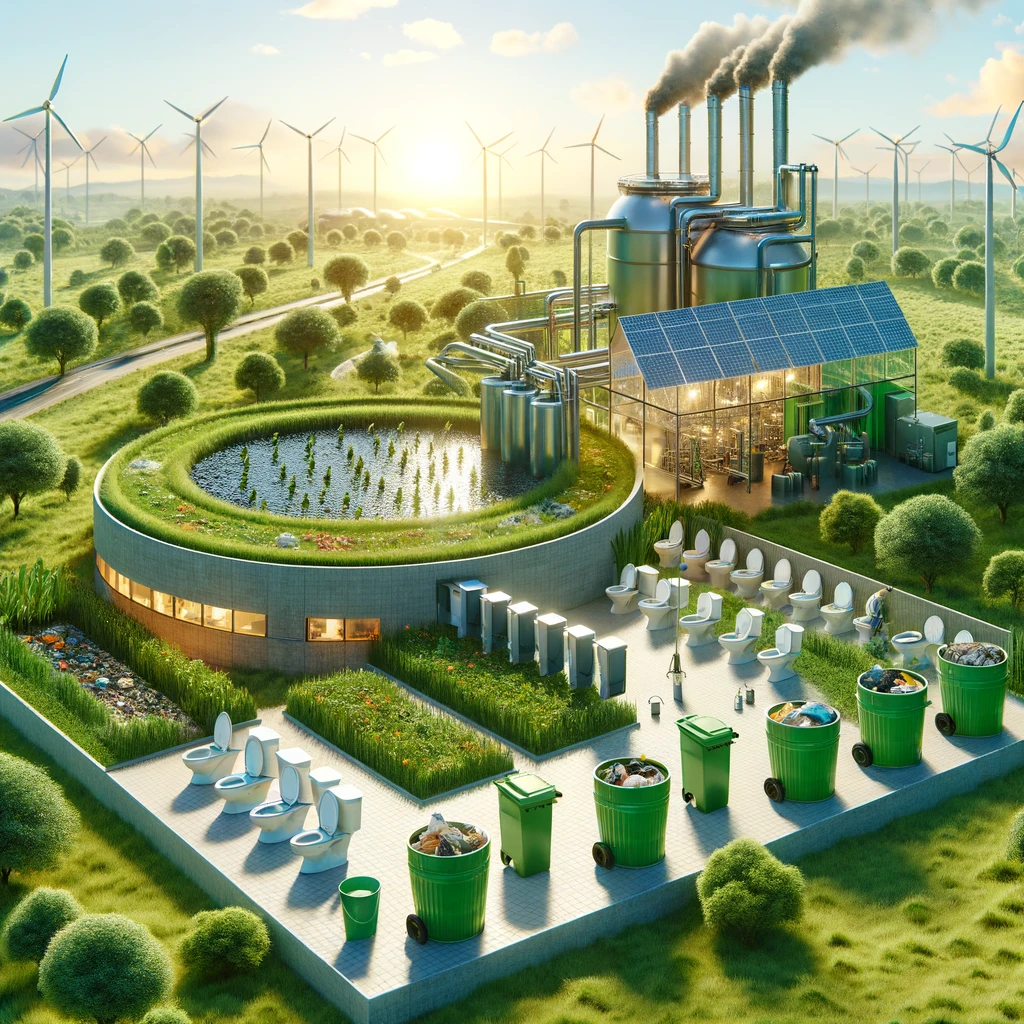
Ecological sanitation, or EcoSan, is a sanitation approach designed not merely to dispose of human waste but to transform it into a valuable resource. This innovative system is a game-changer for sustainable development, aiming to address some of the most pressing global challenges outlined in the United Nations’ Sustainable Development Goals (SDGs). At the heart of the EcoSan philosophy is the objective to close the loop between sanitation and agriculture, facilitating the recycling of nutrients from human waste back into the environment. By doing so, EcoSan not only mitigates health and environmental problems associated with conventional sanitation practices but also contributes to food security and economic development.
The global need for improved sanitation cannot be overstated. According to the World Health Organization (WHO), approximately 2 billion people still lack access to basic sanitation services. Traditional sanitation systems, such as flush toilets and sewage treatment plants, often prove to be inefficient, costly, and detrimental to the environment. EcoSan offers a sustainable alternative by promoting the safe and hygienic reuse of human excreta, minimizing water pollution, and reducing the exploitation of natural resources. This comprehensive approach promises an array of environmental, economic, and social benefits that align closely with the SDGs.
The Principles of Ecological Sanitation
EcoSan is built on a set of core principles that prioritize environmental integrity, resource recovery, and user participation. Firstly, it seeks to secure health, hygiene, and environmental protection by preventing pathogens from entering water sources and effectively treating human excreta. This is achieved through various technologies and processes, such as urine diversion, composting toilets, and biogas systems, which ensure that waste is safely transformed into beneficial products.
Secondly, EcoSan emphasizes the recovery and safe reuse of nutrients, organic matter, and water within the ecosystem. Nutrient cycles, particularly those involving nitrogen, phosphorus, and potassium, are crucial for agricultural productivity. By treating human waste as a resource rather than a liability, EcoSan supports the replenishment of these essential nutrients in the soil, enhancing soil fertility and reducing the reliance on synthetic fertilizers. This practice not only boosts crop yields but also promotes sustainable agricultural practices.
User participation is another key principle of EcoSan. The successful implementation of EcoSan systems depends on the active involvement and cooperation of the community. This includes educating users on proper sanitation practices, encouraging the safe handling and application of treated waste, and fostering a sense of ownership and responsibility over the system. By engaging users in the process, EcoSan ensures the sustainability, effectiveness, and acceptance of the sanitation solution.
EcoSan Technologies and Systems
EcoSan encompasses a diverse range of technologies and systems designed to suit various geographical, cultural, and socio-economic contexts. One commonly employed technology is the urine-diverting dry toilet (UDDT), which separates urine and feces at the source. Urine can be readily used as a fertilizer, while feces undergo composting to become nutrient-rich soil conditioner. This system is particularly beneficial in areas with water scarcity, as it eliminates the need for water in waste management processes.
Composting toilets are another widely used EcoSan solution. These toilets facilitate the aerobic decomposition of feces, converting them into compost over time. Properly managed composting toilets offer an odor-free and pathogen-free final product that is safe to handle and use as organic fertilizer. Additionally, biogas systems convert human waste into biogas, a renewable energy source, and digestate, which serves as an excellent fertilizer. These systems can be implemented at various scales, from household-level units to community and institutional setups.
While these technologies offer immense potential, their success hinges on context-specific modifications and community buy-in. Key considerations in selecting and designing an EcoSan system include cultural acceptability, economic feasibility, technical reliability, and environmental sustainability. Tailoring the technology to meet local needs and preferences fosters a sense of ownership amongst users, enhancing the long-term viability and impact of the system.

EcoSan and Public Health
One of the foremost contributions of EcoSan to sustainable development is its positive impact on public health. Traditional sanitation systems often result in the contamination of water bodies, leading to waterborne diseases such as cholera, diarrhea, and dysentery. By safely managing and treating human excreta, EcoSan significantly reduces the risk of pathogen transmission, enhancing public health outcomes, particularly in low-resource settings.
The separation of urine and feces, as practiced in many EcoSan technologies, further minimizes the risk of contamination and makes it easier to manage each waste stream effectively. Treated urine, rich in nitrogen and other nutrients, can be safely used in agriculture, while the composting process effectively destroys pathogens in fecal matter. Additionally, biogas systems not only provide a clean source of energy but also generate pathogen-free digestate that can be used to improve soil health. These outcomes align directly with SDG 3, which aims to ensure healthy lives and promote well-being for all at all ages.
Beyond disease prevention, EcoSan can address the broader determinants of health by improving access to clean energy, promoting food security, and fostering economic development. The reduction of environmental pollution, combined with the enhancement of agricultural productivity, contributes to healthier and more resilient communities. Furthermore, the potential to generate income from the sale of compost, biogas, or treated urine creates economic opportunities for marginalized populations, supporting their overall well-being.
EcoSan and Environmental Sustainability
EcoSan’s alignment with environmental sustainability principles is evident in its approach to natural resource management and pollution prevention. By promoting the recycling of nutrients, EcoSan reduces the dependence on chemical fertilizers, which are often energy-intensive to produce and can have harmful environmental impacts. This practice helps preserve soil health, promote biodiversity, and reduce the carbon footprint associated with agricultural activities.
Water conservation is another significant benefit of EcoSan. Conventional sanitation systems, such as flush toilets, require substantial amounts of water for waste disposal, exacerbating water scarcity issues in many parts of the world. In contrast, EcoSan technologies like UDDTs and composting toilets operate without water or with minimal water use, conserving this precious resource. This aspect is critical in arid regions or areas with limited access to clean water.
EcoSan also mitigates water pollution by preventing the direct discharge of untreated wastewater into water bodies. This is essential for protecting aquatic ecosystems, preserving biodiversity, and ensuring the availability of clean water for various uses. The reuse of treated waste in agriculture closes the nutrient loop, preventing the build-up of pollutants in the environment and contributing to a more sustainable and circular nutrient economy. Collectively, these efforts align with SDG 6, which focuses on ensuring the availability and sustainable management of water and sanitation for all.
EcoSan and Social Equity
EcoSan has significant implications for social equity by providing dignified and accessible sanitation solutions to underserved communities. Traditional sanitation infrastructure often fails to reach remote or economically disadvantaged areas, perpetuating health disparities and hindering social development. EcoSan systems, with their flexibility and adaptability, offer an inclusive alternative that can bridge these gaps.
By engaging communities in the design, implementation, and management of sanitation systems, EcoSan empowers individuals and fosters a sense of ownership and responsibility. This participatory approach ensures that the solutions are culturally acceptable, user-friendly, and sustainable over the long term. Furthermore, the economic opportunities generated through the sale of byproducts, such as compost or biogas, can provide additional income streams for marginalized populations, enhancing their socio-economic status.
EcoSan also addresses gender disparities in access to sanitation. Women and girls, particularly in developing countries, often bear the brunt of inadequate sanitation services, facing increased risks of harassment, health issues, and educational disruptions. By providing safe, private, and accessible sanitation facilities, EcoSan promotes gender equality and empowers women and girls to pursue education, work, and social activities without the burden of sanitation-related challenges. This directly contributes to the achievement of SDG 5, which aims to achieve gender equality and empower all women and girls.
Conclusion
In conclusion, Ecological Sanitation (EcoSan) is a holistic and transformative approach that aligns closely with the Sustainable Development Goals. By emphasizing the safe recycling of human waste, conserving water resources, reducing environmental pollution, and enhancing agricultural productivity, EcoSan presents a robust solution to some of the most pressing challenges facing the world today. Its principles of health protection, resource recovery, and community participation ensure that EcoSan systems are not only effective but also sustainable and socially inclusive.
The adoption of EcoSan technologies can drive significant progress in improving public health, environmental sustainability, and social equity. By preventing waterborne diseases and promoting safe sanitation practices, EcoSan enhances health outcomes and contributes to the well-being of communities. Its water-saving and nutrient-recycling capabilities align with environmental conservation goals, promoting a circular economy and mitigating the impacts of climate change. Moreover, the inclusive and participatory nature of EcoSan empowers communities, fosters social cohesion, and provides economic opportunities for marginalized populations.
As the world strives to achieve the Sustainable Development Goals by 2030, EcoSan offers a viable and impactful strategy to address multiple targets across health, sanitation, water management, gender equality, and sustainable agriculture. Governments, organizations, and communities must embrace and prioritize EcoSan initiatives to harness their full potential. Investment in research, education, infrastructure, and policy support is essential to scale up EcoSan practices and ensure their successful integration into broader development frameworks. Through collective efforts, EcoSan can usher in a future where sustainable and equitable sanitation is accessible to all, contributing to a healthier, more resilient, and prosperous world.