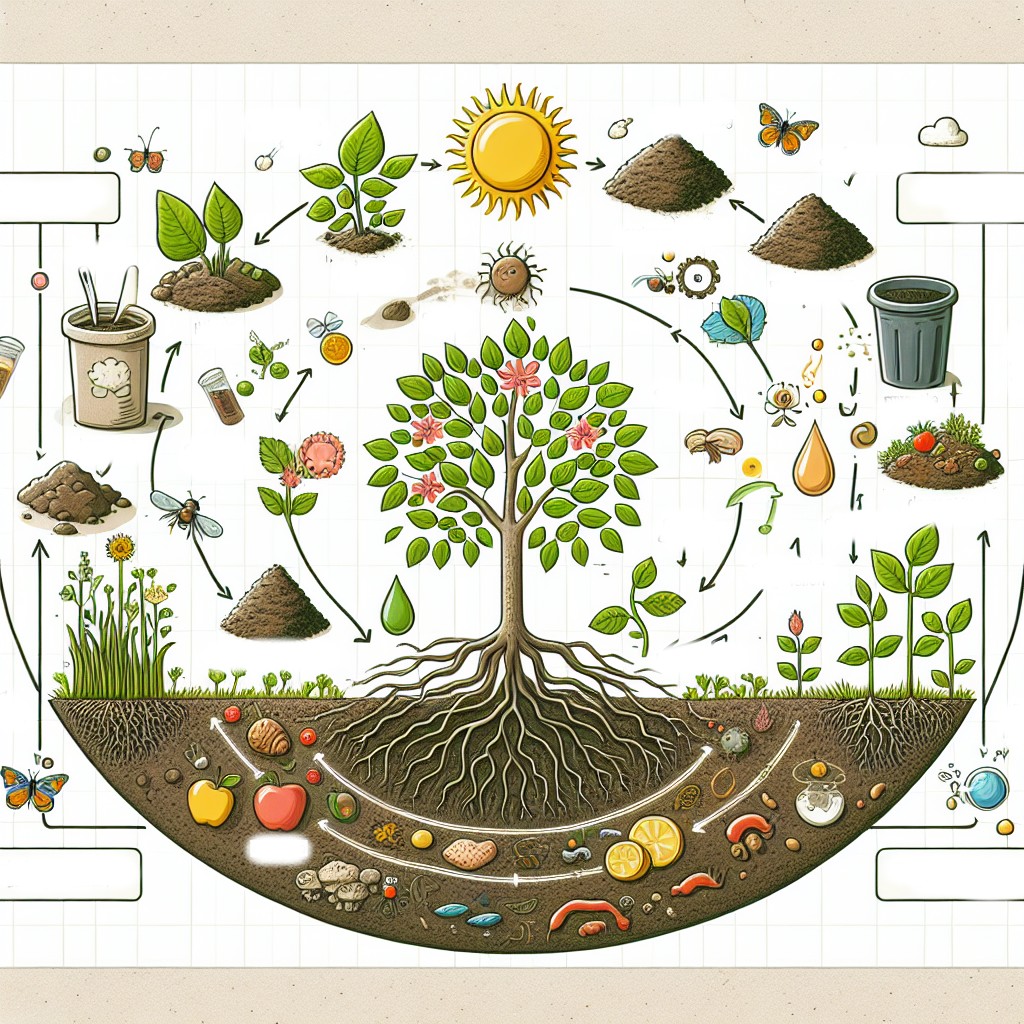
Ecological sanitation, often abbreviated as EcoSan, is an innovative approach to sanitation that emphasizes sustainability and environmental protection. Unlike traditional sanitation systems, EcoSan systems treat human waste as a valuable resource rather than something to be discarded. By transforming waste into nutrients, water, and organic matter, these systems aim to close the nutrient loop, reduce the need for chemical fertilizers, and lessen the pollution of water bodies.
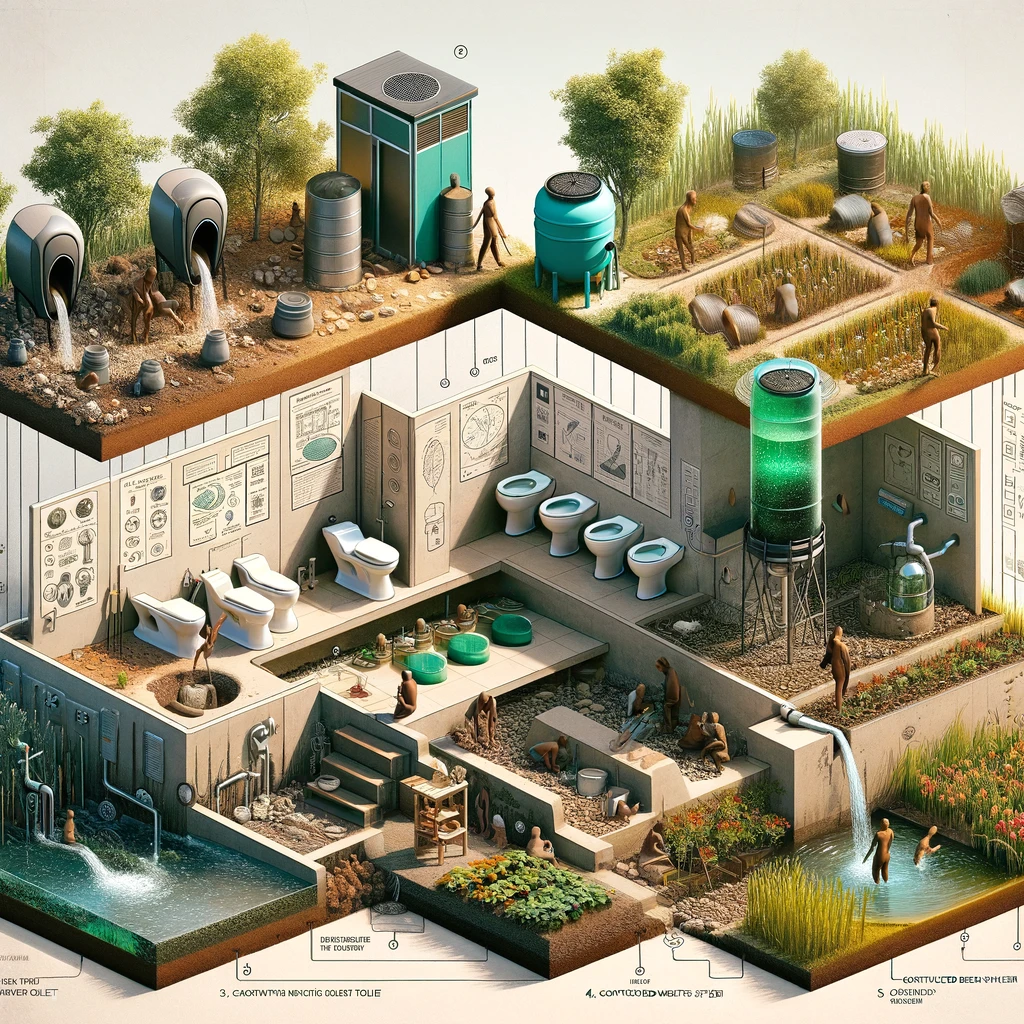
The principles of EcoSan are rooted in ecological engineering, aiming to create more resilient communities through improved sanitation services. EcoSan systems vary significantly in terms of design and implementation. This article will systematically compare some of the commonly used EcoSan systems to help you decide which one suits your specific needs. From composting toilets to urine-diverting dry toilets (UDDTs), each system has its unique features, advantages, and challenges.
Composting Toilets
Composting toilets are one of the most well-known EcoSan systems. These toilets use aerobic decomposition to break down human waste into compost. They are particularly suitable for areas lacking sewer infrastructure and have gained popularity in both urban and rural settings.
One of the main benefits of composting toilets is their ability to produce a valuable end product: compost. This compost can enrich soil with organic matter, enhancing its fertility and structure. Composting toilets are also water-efficient, requiring little to no water for operation, making them ideal in regions experiencing water scarcity.
However, proper operation and maintenance are crucial for composting toilets. They require regular monitoring to ensure that the composting process is functioning correctly. Temperature, moisture, and aeration are critical factors influencing the efficiency of pathogen inactivation and organic matter decomposition. When managed properly, composting toilets can offer a sustainable and effective sanitation solution.
Urine-Diverting Dry Toilets (UDDTs)
Urine-Diverting Dry Toilets, commonly known as UDDTs, separate urine from feces at the source. This separation provides several ecological and practical advantages. Urine, which contains most of the nutrients excreted by the human body, can be used directly or processed for agricultural purposes.
The separation of urine and feces also simplifies the management and treatment of fecal matter. Without the presence of urine, feces can be easily dried and stored, making pathogen elimination more feasible. Drying either occurs naturally in well-ventilated conditions or through additional drying mechanisms.
UDDTs are highly suitable for water-scarce regions due to their zero-water requirement for flushing. This system not only saves water but also reduces the burden on sewage treatment facilities. Properly managed UDDTs can significantly improve sanitation services while contributing to agricultural productivity by providing a steady supply of nutrients from urine.

Constructed Wetlands
Constructed wetlands, also known as treatment wetlands, are engineered systems that use natural processes involving wetland vegetation, soils, and their associated microbial populations to treat wastewater. They can be used to treat various kinds of wastewater, including blackwater, greywater, and even industrial wastewater.
Constructed wetlands can be designed in various configurations such as surface-flow wetlands, subsurface-flow wetlands, and hybrid systems. The choice of configuration depends on the specific treatment needs and environmental conditions. These systems mimic the functions of natural wetlands and provide secondary and sometimes tertiary treatment of wastewater.
The benefits of constructed wetlands include their low operational and maintenance costs, energy efficiency, and ability to sustain high biodiversity. They also provide additional ecosystem services such as habitat provision, carbon sequestration, and aesthetic value. The primary challenge lies in the requirement for substantial land area for implementation, which may limit their use in dense urban environments.
Biogas Toilets
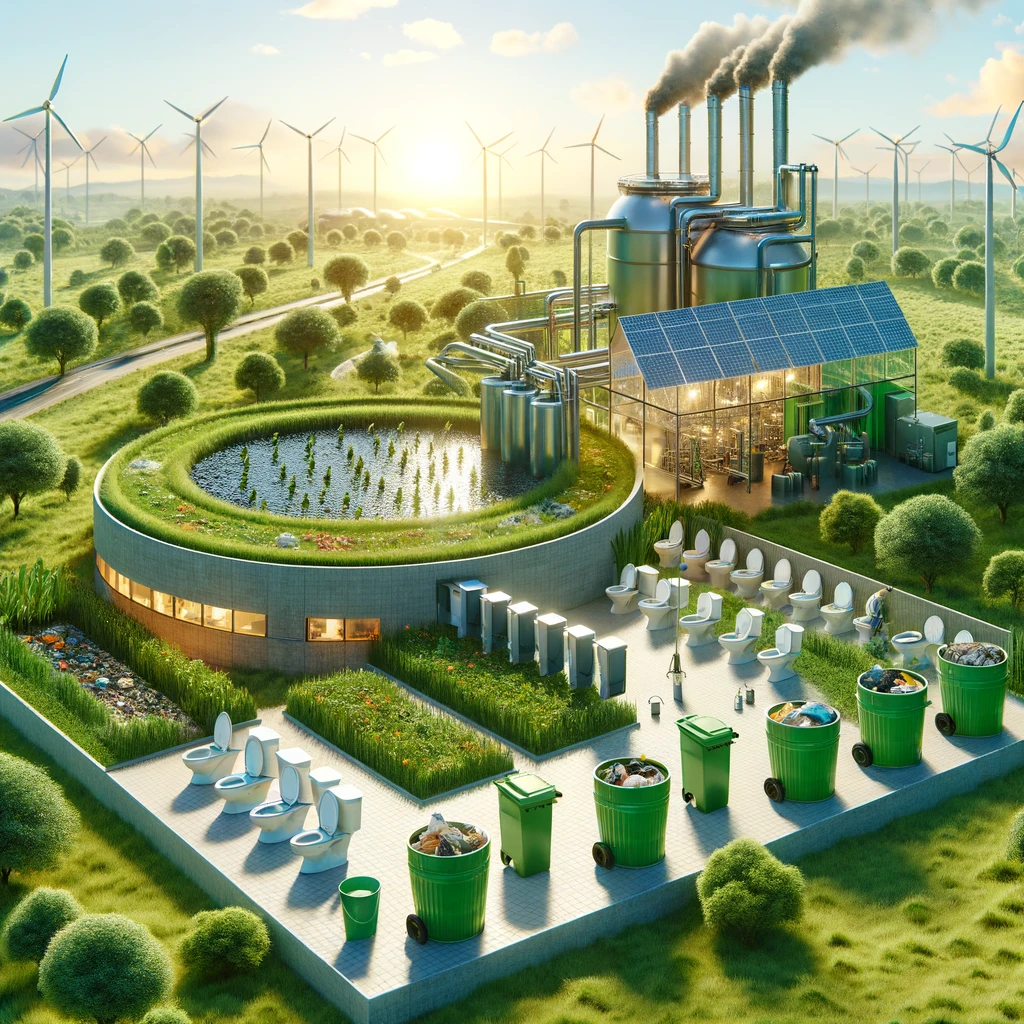
Biogas toilets integrate sanitation with energy production by utilizing anaerobic digestion to break down organic matter, including human waste, to produce biogas. This biogas, primarily composed of methane and carbon dioxide, can be used as a renewable energy source for cooking, heating, or electricity generation.
Biogas toilets offer a dual benefit: they address sanitation challenges while providing a sustainable energy source. This makes them particularly appealing in rural and peri-urban areas where access to both sanitation and energy can be limited. The digestate, a by-product of the anaerobic digestion process, remains after biogas extraction and can be used as a soil conditioner.
The successful operation of biogas toilets requires regular maintenance and a consistent feedstock of organic matter. Temperature control and system management are crucial to ensuring efficient biogas production. When effectively managed, biogas toilets can significantly contribute to energy security and waste management in underserved communities.
Phytoremediation Toilets
Phytoremediation toilets, sometimes known as green toilets or soil-based toilets, utilize plants to absorb, contain, or degrade contaminants in wastewater. These toilets rely on plant roots and soil microorganisms to biologically treat the waste, integrating natural processes into the sanitation system.
These toilets can be designed in different forms, such as green belts, green walls, or vertical gardens. Phytoremediation toilets not only improve sanitation but also enhance urban green spaces and contribute to biodiversity. They can be particularly useful in urban settings where space is limited, and multifunctional solutions are required.
While phytoremediation toilets offer significant ecological benefits, their effectiveness depends on the careful selection of appropriate plants and regular maintenance. These systems require monitoring to ensure that the plants and soil microorganisms are performing effectively. Properly managed, phytoremediation toilets can provide an aesthetically pleasing, low-impact sanitation solution.
Conclusion
Choosing the right EcoSan system depends on several factors including environmental conditions, resource availability, and the specific needs of the community. Composting toilets, UDDTs, constructed wetlands, biogas toilets, and phytoremediation toilets each offer unique benefits and face distinct challenges.
Composting toilets and UDDTs are excellent choices for areas with limited water resources and can provide valuable end-products for agriculture. Constructed wetlands offer robust treatment capabilities and additional ecosystem services but require more land area. Biogas toilets present a valuable integration of sanitation and energy production, while phytoremediation toilets combine sanitation with urban greening and environmental enhancement.
A thorough assessment of local conditions and thorough community engagement are crucial for the successful implementation of any EcoSan system. Considering maintenance requirements, resource inputs, and potential outputs will guide you in selecting the most suitable EcoSan system for your needs.