With the global population continuously on the rise, addressing sanitation challenges has become increasingly vital. Traditional sanitation systems often lead to environmental degradation and unsustainable resource management. This has led to a growing interest in Ecological Sanitation (EcoSan), a sustainable alternative designed to treat human waste as a valuable resource rather than waste. However, the success of EcoSan systems depends not only on their environmental benefits but also on their cultural acceptance. Tailoring EcoSan solutions for diverse cultural contexts is crucial for their effective implementation and sustainability.
Introduction: Understanding Ecological Sanitation (EcoSan)
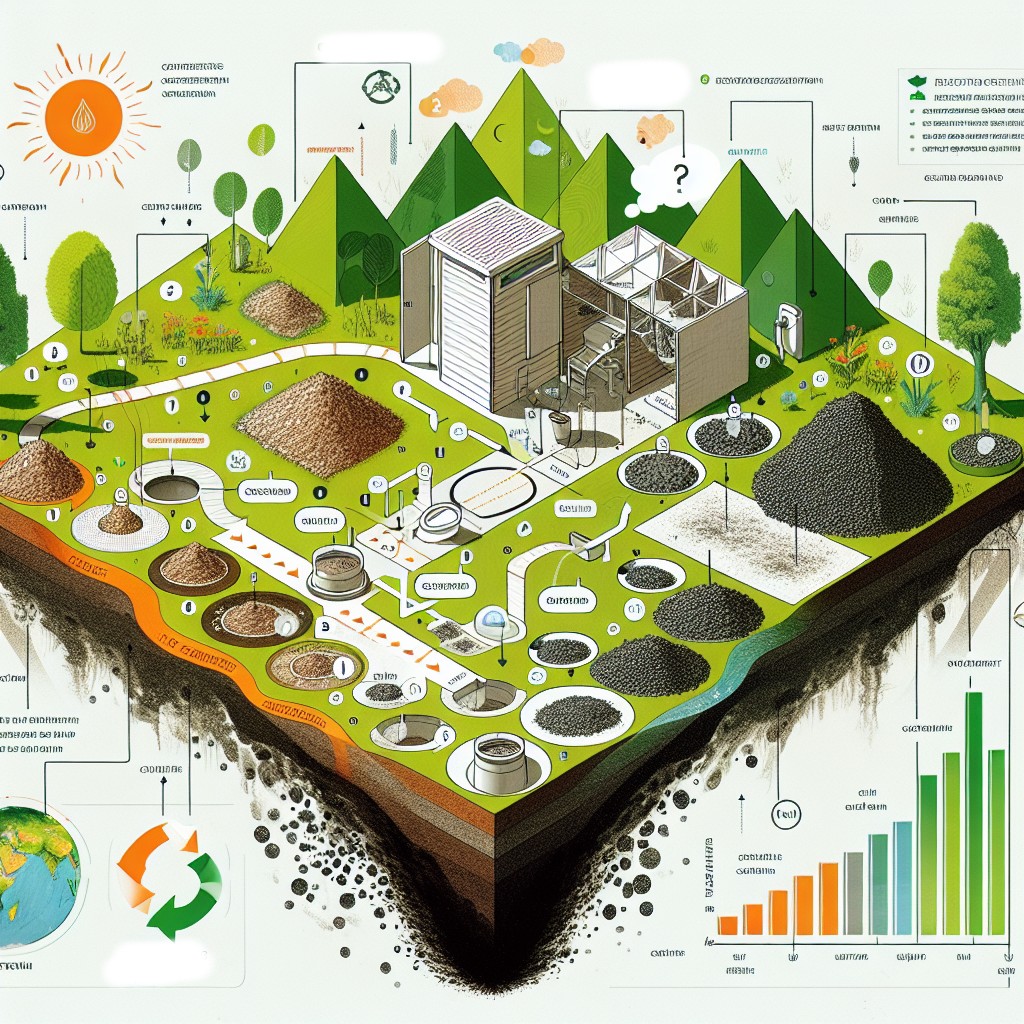
Ecological Sanitation, commonly known as EcoSan, is a comprehensive and sustainable approach to sanitation that views human waste as a resource rather than a problem. It is predicated on the idea of closing the loop between sanitation and agriculture, aiming to protect public health and the environment simultaneously. EcoSan technologies focus on the recovery and safe reuse of nutrients, water, energy, and organic matter from human waste.
One of the core principles of EcoSan is nutrient recycling. Human excreta contain valuable nutrients like nitrogen, phosphorus, and potassium, essential for agricultural production. Traditional sanitation systems often waste these nutrients, leading to resource depletion and environmental pollution. EcoSan systems, in contrast, are designed to safely capture and process human waste, making these nutrients available for agricultural use.
EcoSan also emphasizes the need for decentralized sanitation systems, particularly in rural areas and small communities where centralized systems may be financially and logistically impractical. Decentralized systems are often more adaptable and can be tailored to the specific needs and conditions of individual communities. However, this adaptability requires a deep understanding of the cultural, social, and economic contexts of the target population.
Despite the environmental and economic benefits of EcoSan, its successful implementation faces various challenges. Chief among them is the cultural acceptance of EcoSan technologies. Many communities have deeply ingrained sanitation practices and attitudes towards human waste. Therefore, any EcoSan solution must be respectfully and thoughtfully integrated into local cultural contexts to ensure its acceptance, adoption, and long-term sustainability.
Cultural Sensitivities and Sanitation Solutions
Cultural sensitivity is vital when implementing EcoSan solutions, as sanitation practices are deeply rooted in cultural and social norms. For instance, some cultures have taboos against handling human waste, making it challenging to promote composting toilets or urine-diverting systems. Understanding such cultural contexts can help in designing EcoSan systems that people are more likely to accept and use.
One way to address cultural sensitivities is through community involvement in the planning and implementation stages of EcoSan projects. Engaging local leaders, stakeholders, and the community at large can provide valuable insights into cultural norms and preferences. This participatory approach can also foster a sense of ownership and responsibility, enhancing the likelihood of success.
Educational campaigns are another crucial component. Raising awareness about the environmental and health benefits of EcoSan can help shift perceptions and attitudes towards these systems. Tailored educational materials that resonate with the local culture, language, and traditions are more likely to be effective. Demonstration projects can serve as tangible examples of how EcoSan systems work and the benefits they offer, helping to build trust and acceptance.
Moreover, it is essential to address any misconceptions or fears related to EcoSan technologies. Some communities might have concerns about hygiene and safety when handling human waste. Providing clear information on how EcoSan systems work, emphasizing their safety, and demonstrating proper operation and maintenance can help alleviate these concerns.
Ultimately, the success of EcoSan hinges on designing solutions that respect and integrate into the local cultural fabric. By recognizing and addressing cultural sensitivities, EcoSan initiatives can achieve greater acceptance and sustainability.

Adapting Technology to Local Environments
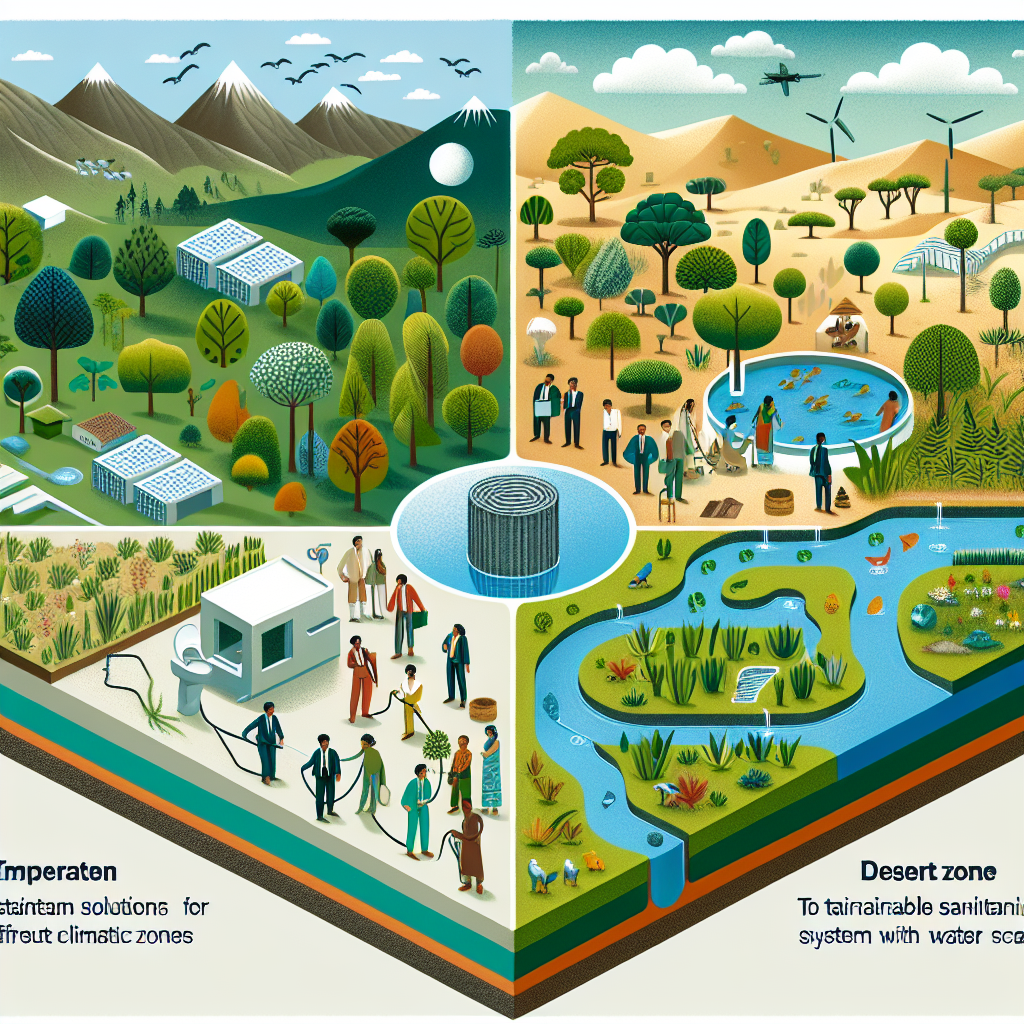
Adaptability is a key strength of EcoSan solutions. They can be tailored to fit the specific environmental conditions of different regions, whether these are in urban slums, rural villages, or peri-urban areas. The adaptability of EcoSan systems allows them to be effective where conventional sanitation infrastructure might fail.
For example, in arid regions where water scarcity is a significant issue, urine-diverting dry toilets (UDDTs) can be an excellent solution. These systems separate urine from feces, reducing the need for water and facilitating the recovery of nutrients. The urine can be used as a fertilizer after proper treatment, while the feces can be composted for safe agricultural use.
In flood-prone areas, raised latrines or floating sanitation systems can prevent contamination of water sources during floods. These systems can be designed to collect and treat waste in a way that minimizes environmental impact, protecting public health and water quality.
In regions with cold climates, EcoSan systems can be equipped with insulation and composting technology that ensures effective waste treatment despite low temperatures. Similarly, in densely populated urban areas, compact and scalable EcoSan systems can help manage waste efficiently without requiring extensive space or infrastructure.
Customization of EcoSan systems involves not only adapting to environmental conditions but also considering the available materials and local construction techniques. Utilizing locally available materials can reduce costs and make the systems more affordable and accessible. Additionally, involving local craftsmen and builders in the construction process can enhance skills and encourage local economic development.
By tailoring EcoSan systems to local environmental conditions and resource availability, these solutions can become more practical, efficient, and sustainable. This adaptability helps ensure that EcoSan systems can be effectively implemented across diverse settings, contributing to broader environmental and public health goals.
Economic Considerations and Sustainability
Economic sustainability is a critical factor in the long-term success of EcoSan initiatives. While EcoSan systems can offer significant cost savings compared to conventional sanitation systems, the initial investment for installation can be a barrier, particularly in low-income communities.
One approach to overcoming this barrier is through financing models that make EcoSan systems more affordable. Microfinancing, subsidies, and grants can help lower the cost burden for households. Additionally, community-based financing models, where the community pools resources to fund sanitation projects, can be effective, especially in tightly-knit communities.
Generating revenue from EcoSan systems is another strategy to enhance economic sustainability. By-products of EcoSan, such as compost and treated urine, have economic value as fertilizers. Creating a market for these products can generate income for households and communities. Training and supporting local entrepreneurs to produce and market EcoSan by-products can foster economic development and sustainability.
Maintenance and operational costs must also be considered. Over time, EcoSan systems require regular maintenance to function properly. Establishing a clear plan for maintenance, including assigning responsibilities and ensuring access to necessary resources and support, is crucial. Training local technicians can help ensure that systems are adequately maintained, reducing the risk of failure and prolonging their lifespan.
Incorporating EcoSan principles in local policies and regulations can further support economic sustainability. Governments and local authorities can play a significant role by creating an enabling environment for EcoSan adoption. This could include offering incentives for EcoSan implementation, integrating EcoSan into national sanitation frameworks, and promoting research and innovation in EcoSan technologies.
Ultimately, achieving economic sustainability for EcoSan systems requires a holistic approach that includes financing, market creation, maintenance planning, and supportive policies. By addressing these economic considerations, EcoSan initiatives can become more feasible and sustainable in the long run.
Gender Considerations in EcoSan Implementation
Gender considerations play a crucial role in the design and implementation of EcoSan systems. Women and girls are often disproportionately affected by poor sanitation, facing unique challenges related to privacy, safety, and menstrual hygiene. Ensuring that EcoSan solutions address these gender-specific needs is essential for their success.
Designing EcoSan facilities with privacy and safety in mind can significantly improve the usability and acceptance of these systems among women and girls. This includes ensuring that facilities are well-lit, secure, and provide adequate privacy. Separate facilities for men and women, as well as considerations for menstrual hygiene management, are also critical.
Empowering women and involving them in the decision-making process is another important aspect. Women often have valuable insights into the specific sanitation needs and preferences of their communities. Their participation can help ensure that EcoSan systems are designed to meet these needs effectively. Additionally, women’s involvement in the implementation and maintenance of EcoSan facilities can enhance their skills and economic opportunities.
Educational campaigns should also address gender-specific issues and empower women with knowledge about the health and environmental benefits of EcoSan. Raising awareness about the importance of menstrual hygiene management and providing education on using and maintaining EcoSan facilities can contribute to better health outcomes and greater acceptance of these systems.
It is also essential to address any social and cultural barriers that might hinder women’s access to EcoSan facilities. This could involve engaging men and boys in educational campaigns to foster a supportive environment for gender-sensitive sanitation solutions. Community involvement and dialogue can help break down stigmas and promote a more inclusive approach to EcoSan implementation.
By incorporating gender considerations into EcoSan design and implementation, these systems can better address the needs of all community members. This inclusive approach not only enhances the effectiveness of EcoSan solutions but also contributes to broader goals of gender equality and empowerment.
Monitoring, Evaluation, and Continuous Improvement
Monitoring and evaluation are crucial components of EcoSan initiatives to ensure their effectiveness and sustainability. Continuous assessment can help identify challenges, measure impacts, and inform necessary adjustments for improvement.
Key performance indicators (KPIs) should be established to assess the success of EcoSan systems. These may include metrics related to public health outcomes, environmental impacts, user satisfaction, and economic benefits. Regular data collection and analysis can provide valuable insights into the performance of EcoSan systems and identify areas for improvement.
Community feedback is an essential aspect of monitoring and evaluation. Engaging users in the feedback process can help understand their experiences, identify any issues, and gather suggestions for improvement. This participatory approach fosters a sense of ownership and can lead to more effective and user-friendly EcoSan solutions.
Technological advancements and innovations should also be leveraged to enhance the monitoring and evaluation process. Digital tools and mobile applications can facilitate data collection, making it easier to track and analyze information. Remote monitoring technologies can provide real-time data on system performance, enabling timely interventions when needed.
Continuous improvement requires a commitment to learning and adaptation. Lessons learned from monitoring and evaluation should be shared with stakeholders and used to inform future projects. This iterative process of feedback, learning, and adaptation can help refine EcoSan solutions and ensure their long-term sustainability.
Governments, NGOs, and other implementing organizations play a crucial role in supporting monitoring and evaluation efforts. Providing training and resources for effective data collection and analysis, facilitating community engagement, and promoting knowledge sharing can enhance the overall effectiveness of EcoSan initiatives.
By incorporating robust monitoring and evaluation practices, EcoSan projects can continuously improve, adapt to changing conditions, and achieve greater impacts. This commitment to learning and improvement is essential for the long-term success and sustainability of EcoSan solutions.
Conclusion: A Pathway to Sustainable Sanitation
Tailoring EcoSan solutions to diverse cultural contexts is a pathway to achieving sustainable sanitation that benefits both people and the environment. The principles of EcoSan, which emphasize resource recovery, environmental protection, and public health, provide a solid foundation for addressing global sanitation challenges.
The successful implementation of EcoSan requires a deep understanding of the cultural, social, economic, and environmental contexts of target communities. By addressing cultural sensitivities, adapting technologies to local conditions, considering economic sustainability, incorporating gender perspectives, and committing to continuous improvement, EcoSan initiatives can achieve greater acceptance, effectiveness, and longevity.
EcoSan offers a transformative approach to sanitation that turns waste into valuable resources, reduces environmental impacts, and promotes public health. By involving communities, fostering collaboration, and leveraging local knowledge and resources, EcoSan solutions can be tailored to meet diverse needs and preferences.
Ultimately, the goal of EcoSan is to create sustainable and resilient sanitation systems that contribute to broader goals of environmental sustainability, social equity, and economic development. By championing EcoSan principles and adapting them to diverse cultural contexts, we can pave the way for a more sustainable and healthy future for all.