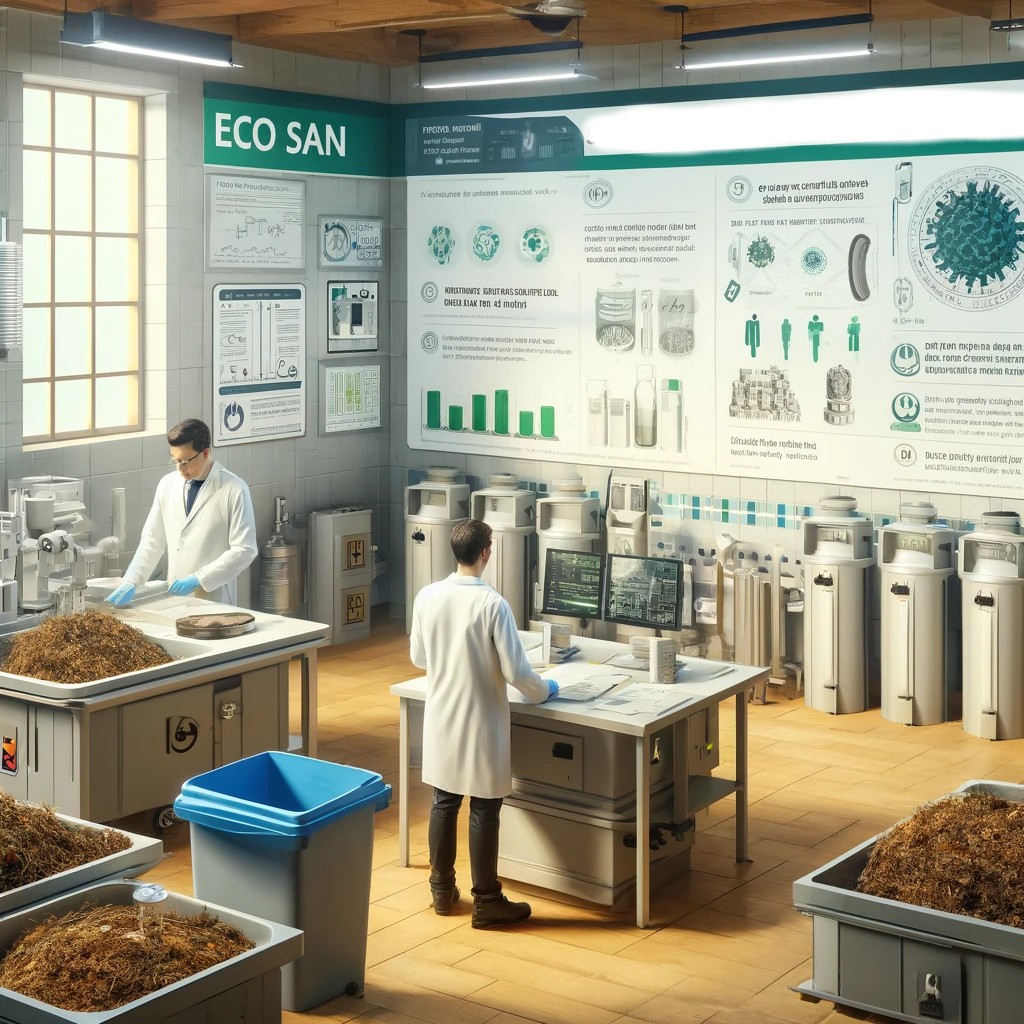
Ecological sanitation (EcoSan) represents a transformative approach to managing human excreta with an objective to safely reuse it in agriculture. This method not only addresses sanitation challenges but also promotes a sustainable and closed-loop system of waste management. In a world where water scarcity and environmental degradation are pressing issues, EcoSan provides an alternative that reduces water usage, enhances soil fertility, and minimizes pollution. Given its myriad benefits, the integration of advanced technology into EcoSan systems plays a crucial role in modernizing these methods, making them more efficient, accessible, and scalable.
The fundamental principle of EcoSan is to treat human excreta as a resource rather than waste. Technologies in modern EcoSan systems aim to optimize the processing and conversion of this resource into safe, valuable products, such as biogas and fertilizers. As we move towards a more sustainable future, understanding and leveraging these technologies become paramount. In this comprehensive guide, we will explore the concept of EcoSan, discuss the principles that guide it, and delve into the various technologies that are being integrated to enhance its efficiency and applicability.
The Basics of Ecological Sanitation
Ecological sanitation focuses on the safe treatment and reuse of human waste to close the nutrient loop. It challenges the traditional perception of excreta management, advocating for sustainable and environmentally friendly methodologies. The EcoSan approach hinges on several key principles:
- Resource Recovery: Rather than treating waste as an undesirable byproduct, EcoSan systems aim to reclaim valuable nutrients and organic matter.
- Water Conservation: EcoSan technologies often minimize or eliminate the use of water, reducing the burden on freshwater resources.
- Pollution Prevention: By properly managing and treating waste, EcoSan reduces the risk of water, soil, and air pollution.
- Health Safety: Modern EcoSan systems are designed to safely handle and process human waste, protecting community health.
These principles serve as the backbone for various EcoSan technologies that seek to not just manage but utilize human waste effectively.
Technological Advancements in EcoSan Systems
The modernization of EcoSan systems incorporates numerous technological advancements that enhance efficiency, safety, and convenience. These advancements include:
- Urine Diversion Toilets: These toilets separate urine from feces at the source, simplifying the management and treatment process. Urine, rich in nitrogen and phosphorus, can be easily treated and reused as fertilizer.
- Composting Toilets: These toilets utilize aerobic decomposition to convert feces into compost. Advanced models are equipped with temperature regulation and ventilation systems to accelerate the composting process and eliminate odors.
- Anaerobic Digesters: These systems break down organic waste, including feces, in an oxygen-free environment to produce biogas and digestate, a nutrient-rich byproduct used as fertilizer. Technology integration ensures efficient biogas capture and utilization.
- Microbial Fuel Cells: This emerging technology uses microorganisms to convert organic waste into electrical energy. It’s a promising development for integrating waste management and renewable energy production.
With these advancements, EcoSan systems are evolving to meet the demands of modern societies, providing sustainable solutions for both urban and rural settings.

Implementation Challenges and Solutions
While the benefits of modern EcoSan systems are significant, their implementation faces several challenges:
- Cultural Acceptance: Traditional views on human waste can hinder the adoption of EcoSan practices. Community education and involvement are crucial to addressing this challenge.
- Initial Costs: The upfront investment for installing advanced EcoSan systems can be high. However, long-term savings and environmental benefits often justify the costs.
- Maintenance: Continuous maintenance and monitoring are necessary to ensure the effectiveness and safety of EcoSan systems. Training local communities or engaging service providers can help mitigate this issue.
- Regulatory Barriers: Government regulations and lack of policies supporting EcoSan can impede progress. Advocacy and collaboration with policymakers can drive regulatory changes.
Addressing these challenges requires a multifaceted approach, including community engagement, financial incentives, and policy advocacy.
Case Studies: Successful EcoSan Implementation
Several global examples highlight the successful implementation and benefits of EcoSan systems:
- Sweden: The implementation of urine diversion toilets in Swedish households has seen significant success, with urine being collected and processed into concentrated fertilizers for agricultural use.
- Germany: Several German municipalities have adopted composting toilet systems in public places, significantly reducing water usage and producing valuable compost for green spaces.
- India: The Sulabh International Social Service Organization has installed thousands of EcoSan toilets in rural areas, promoting health, hygiene, and sustainable agriculture through treated waste reuse.
These case studies illustrate that with the right support and community involvement, EcoSan systems can be successfully integrated into diverse settings, delivering substantial environmental and economic benefits.
The Role of Policy and Regulation
Supportive policies and regulations are critical for the widespread adoption of EcoSan technologies. Governments can play a pivotal role in promoting EcoSan through:
- Incentives and Subsidies: Providing financial support for the installation and maintenance of EcoSan systems can encourage adoption, especially in low-income regions.
- Regulatory Frameworks: Establishing guidelines for the safe treatment and reuse of human waste ensures public health and environmental safety.
- Research and Development: Funding R&D initiatives can drive innovation in EcoSan technologies, optimizing their efficiency and reducing costs.
- Public Awareness Campaigns: Educating the public about the benefits of EcoSan systems can foster community acceptance and participation.
Effective policy frameworks can create an enabling environment for EcoSan systems to thrive, contributing to sustainable sanitation solutions.
Future of EcoSan: Innovations and Trends
As we look to the future, several trends and innovations are set to shape the development of EcoSan systems:
- Smart Monitoring Systems: Integrating IoT technology for remote monitoring and management of EcoSan systems can enhance efficiency and maintenance.
- Advanced Treatment Technologies: Innovations in microbial and nanotechnology-driven treatment processes can improve the safety and efficacy of waste conversion.
- Decentralized Sanitation Solutions: Developing modular, adaptable systems can address the unique needs of different communities, from urban to remote areas.
- Circular Economy Integration: Aligning EcoSan practices with circular economy principles ensures sustainable resource management and environmental preservation.
These emerging trends indicate a promising future for EcoSan, as technology continues to evolve and integrate with sustainable sanitation strategies.
Conclusion
In conclusion, the integration of technology in modern EcoSan systems marks a significant stride towards sustainable sanitation solutions. By adhering to the core principles of resource recovery, water conservation, pollution prevention, and health safety, EcoSan transcends traditional waste management approaches, transforming human excreta into valuable resources. The incorporation of advanced technologies such as urine diversion toilets, composting toilets, anaerobic digesters, and microbial fuel cells has revolutionized the field, making EcoSan systems more efficient, scalable, and environmentally friendly.
Despite the implementation challenges, including cultural acceptance, initial costs, maintenance, and regulatory barriers, the numerous successful case studies globally highlight the potential and effectiveness of EcoSan systems when supported by community education, financial incentives, and policy frameworks. Governments and institutions have a pivotal role to play in fostering the growth of EcoSan through supportive policies, research funding, and public awareness campaigns.
Looking to the future, the continuous advancement and integration of smart monitoring systems, advanced treatment technologies, decentralized solutions, and circular economy principles hold promise for further enhancing EcoSan systems. These developments not only aim to address current sanitation challenges but also pave the way for more resilient and sustainable communities.
As we embrace these technologies and innovations, it is essential to maintain a holistic and inclusive perspective, ensuring that EcoSan systems are accessible and beneficial to all, particularly underserved and vulnerable populations. The journey towards sustainable sanitation is ongoing, and with concerted efforts, we can achieve a future where ecological sanitation is a mainstream solution, safeguarding both human health and the environment.