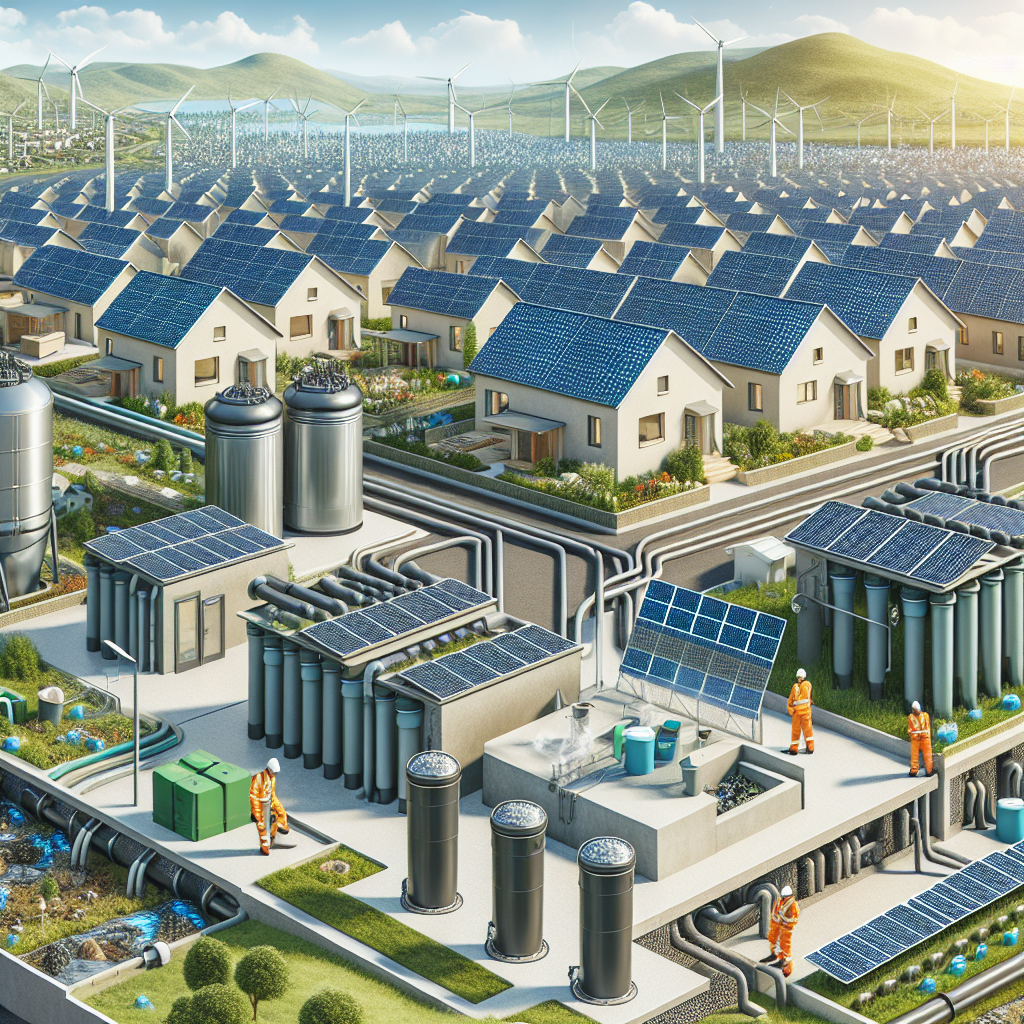
Ecological sanitation, commonly known as EcoSan, is a sustainable approach to waste management that transforms waste into valuable resources. By closing the nutrient loop, EcoSan not only addresses sanitation issues but also promotes agricultural productivity and environmental protection. Here, we celebrate the success stories of communities and individuals who have experienced remarkable transformations through EcoSan.
The Birth of EcoSan: A Brief Overview
EcoSan originated as a response to the sanitation challenges faced by many developing countries. Traditional sanitation methods often lead to environmental pollution and health hazards. EcoSan, on the other hand, emphasizes the safe reuse of human waste, turning it into compost and fertilizer. This innovative approach not only mitigates health risks but also contributes to soil enrichment and food security.
Case Study 1: Umande Trust, Kenya
The Challenge
In the crowded urban slums of Kenya, sanitation was a significant challenge. Overwhelmed by poor infrastructure, residents faced health risks from inadequate waste disposal systems. The lack of proper sanitation facilities also contributed to water pollution and disease outbreaks.
The Transformation
Umande Trust, a Kenyan NGO, introduced EcoSan toilets in several urban slums. These toilets use a dry composting system, separating urine and feces to produce compost. The residents quickly embraced this sustainable solution, leading to significant improvements in sanitation and health.
The Impact
- Health Benefits: The reduction in open defecation and proper waste management led to a decrease in waterborne diseases.
- Economic Gains: The compost produced was used in urban agriculture, improving food security and providing an additional income source for families.
- Environmental Protection: The EcoSan system reduced water pollution and promoted the sustainable use of resources.
Case Study 2: SCOPE, India
The Challenge
Rural India faces significant sanitation challenges, with many communities lacking access to proper toilet facilities. Open defecation was widespread, leading to severe health and environmental consequences.
The Transformation
SCOPE, an Indian NGO, introduced EcoSan toilets in rural Tamil Nadu. These toilets were designed to be cost-effective and culturally acceptable. By involving the community in the construction and maintenance process, SCOPE ensured long-term sustainability.
The Impact
- Health Improvements: The EcoSan toilets reduced the incidence of diarrheal diseases and other sanitation-related health issues.
- Empowerment of Women: The availability of safe and private toilets enhanced the dignity and safety of women.
- Agricultural Benefits: The compost generated from EcoSan toilets improved soil fertility, boosting agricultural productivity.
Case Study 3: Swedish EcoSan Initiatives
The Challenge
Even in developed countries like Sweden, there are remote areas where traditional sanitation systems are not feasible. These regions often face challenges related to waste management and environmental sustainability.
The Transformation
Sweden has been a pioneer in promoting EcoSan solutions. In areas such as the island of Gotland, EcoSan toilets have been installed to manage waste sustainably. These systems are designed to be efficient and user-friendly, ensuring high acceptance rates.
The Impact
- Environmental Sustainability: The EcoSan systems have significantly reduced the environmental footprint of sanitation in remote areas.
- Resource Efficiency: The nutrients recovered from waste are used in local agriculture, promoting a circular economy.
- Tourism Boost: Improved sanitation facilities have enhanced the appeal of remote areas as tourist destinations, boosting the local economy.
Case Study 4: Sanergy, Kenya
The Challenge
Urban slums in Nairobi, Kenya, suffer from severe sanitation issues, with many residents lacking access to clean and safe toilets. Traditional waste management systems were inadequate, leading to pollution and health risks.
The Transformation
Sanergy, a social enterprise, introduced innovative EcoSan solutions in Nairobi’s slums. They developed affordable, container-based sanitation systems that collect and convert waste into valuable products like organic fertilizer and animal feed.
The Impact
- Health and Hygiene: The reduction in open defecation and improved waste management practices led to better health outcomes.
- Job Creation: Sanergy’s model created employment opportunities in the collection, treatment, and sales of the converted waste products.
- Agricultural Advancements: The organic fertilizer produced from waste improved soil health and crop yields, supporting local farmers.
The Broader Impact of EcoSan
Environmental Benefits
EcoSan systems contribute to environmental conservation by reducing water usage, preventing pollution, and promoting the recycling of nutrients. This sustainable approach helps protect water bodies and reduces the reliance on chemical fertilizers, which can harm the environment.
Economic Advantages
By converting waste into valuable resources, EcoSan systems create economic opportunities. The compost and fertilizers produced are used in agriculture, boosting food production and providing income for communities. Additionally, the reduced healthcare costs due to improved sanitation translate to economic savings.
Social Improvements
EcoSan promotes dignity and safety, especially for women and children. Access to safe and private sanitation facilities reduces the risk of violence and harassment, and improves overall quality of life. Furthermore, community involvement in EcoSan projects fosters a sense of ownership and responsibility, leading to sustainable outcomes.
Overcoming Challenges in EcoSan Implementation
Despite the numerous benefits, implementing EcoSan systems can be challenging. Common obstacles include cultural acceptance, initial costs, and maintenance issues. Successful EcoSan projects often involve community engagement, education, and support from local governments and organizations.
Community Engagement
Involving the community in the planning, construction, and maintenance of EcoSan systems is crucial for success. Community members who understand the benefits and functionality of EcoSan are more likely to adopt and sustain these systems.
Education and Awareness
Educating communities about the health, economic, and environmental benefits of EcoSan is essential. Awareness campaigns and training programs can help dispel myths and encourage acceptance of EcoSan practices.
Financial Support
Initial installation costs can be a barrier for many communities. Partnerships with NGOs, governments, and private sectors can provide the necessary financial support to implement EcoSan systems. Microfinance options and subsidies can also make EcoSan more accessible.
Looking Ahead: The Future of EcoSan
The future of EcoSan looks promising as more communities and organizations recognize its potential. Advances in technology and increased awareness of environmental sustainability are driving the adoption of EcoSan solutions. By continuing to share success stories and best practices, we can inspire more communities to embrace this transformative approach to sanitation.
Innovations in EcoSan
Future innovations in EcoSan may include smart monitoring systems, improved composting techniques, and integration with renewable energy sources. These advancements can enhance the efficiency and effectiveness of EcoSan systems, making them more appealing and accessible.
Global Collaboration
International collaboration and knowledge sharing are vital for the global spread of EcoSan. By learning from successful projects and adapting them to local contexts, we can overcome challenges and achieve widespread adoption of EcoSan practices.
Advocacy and Policy Support
Strong advocacy and supportive policies are crucial for the long-term success of EcoSan. Governments and organizations must prioritize sustainable sanitation solutions and provide the necessary resources and support for their implementation.
EcoSan is more than just a sanitation solution; it is a pathway to healthier communities, environmental sustainability, and economic prosperity. The success stories from Kenya, India, Sweden, and beyond demonstrate the transformative power of EcoSan. By celebrating these achievements and continuing to innovate and advocate for EcoSan, we can build a brighter and more sustainable future for all.

Community Voices: Testimonials from Beneficiaries
Empowering Women: A Testimonial from Tamil Nadu
Radhika, a resident of a rural village in Tamil Nadu, shares her experience with EcoSan toilets:
“Before the EcoSan toilets were introduced, open defecation was the norm in our village. It was not only unsafe but also undignified, especially for women. The introduction of EcoSan toilets has transformed our lives. We now have clean, safe, and private spaces for our sanitation needs. Moreover, the compost we produce is used in our fields, resulting in better crop yields. This has significantly improved our family’s income and overall quality of life. EcoSan has truly empowered us.”
A New Dawn in Urban Slums: A Story from Nairobi
James, a resident of Nairobi’s informal settlements, describes the impact of Sanergy’s EcoSan solutions:
“Living in the slums, access to proper sanitation was always a struggle. The traditional pit latrines were often overflowing, causing health issues and environmental pollution. When Sanergy introduced their container-based toilets, it was a game-changer. Not only did it improve sanitation and hygiene in our community, but it also created job opportunities. I now work with Sanergy, collecting waste and converting it into valuable products like fertilizer. This job has given me a steady income and a sense of purpose. Our community is healthier and more hopeful thanks to EcoSan.”
Sustainable Tourism: Insights from Gotland
Anna, a tour guide on the island of Gotland, Sweden, highlights the benefits of EcoSan in promoting sustainable tourism:
“Gotland’s natural beauty attracts many tourists, but managing waste sustainably was always a challenge. The EcoSan toilets installed across the island have made a significant difference. They are efficient, eco-friendly, and easy to maintain. Tourists appreciate the clean facilities, and the compost produced is used in local gardens and farms. This initiative has not only preserved our environment but also enhanced the tourist experience, making Gotland a model for sustainable tourism.”
The Role of Technology in Advancing EcoSan
Technological advancements are playing a crucial role in enhancing the effectiveness and efficiency of EcoSan systems. Here are some innovative technologies that are shaping the future of EcoSan:
Smart Monitoring Systems
Smart monitoring systems use sensors and IoT technology to track the usage and maintenance needs of EcoSan toilets. These systems provide real-time data on fill levels, usage patterns, and maintenance requirements, ensuring timely interventions and reducing the risk of overflows and malfunctions.
Advanced Composting Techniques
Innovations in composting technology are making EcoSan systems more efficient and user-friendly. Advanced composting techniques accelerate the decomposition process, reduce odors, and produce high-quality compost in a shorter time. These improvements enhance the overall user experience and increase the acceptance of EcoSan systems.
Integration with Renewable Energy
Integrating EcoSan systems with renewable energy sources like solar power can further enhance their sustainability. Solar-powered EcoSan toilets can operate independently of traditional power grids, making them ideal for remote and off-grid locations. This integration also reduces the carbon footprint of sanitation solutions.
Policy Support and Advocacy for EcoSan
For EcoSan to achieve widespread adoption, strong policy support and advocacy are essential. Here are some ways in which governments and organizations can promote EcoSan:
Policy Frameworks
Governments can create supportive policy frameworks that prioritize sustainable sanitation solutions like EcoSan. This includes setting standards for EcoSan systems, providing financial incentives for their implementation, and integrating EcoSan into national sanitation strategies.
Capacity Building
Building the capacity of local communities, governments, and organizations to implement and maintain EcoSan systems is crucial. Training programs, workshops, and knowledge exchange platforms can equip stakeholders with the skills and knowledge needed to ensure the success of EcoSan projects.
Public Awareness Campaigns
Raising public awareness about the benefits of EcoSan through targeted campaigns can drive acceptance and adoption. These campaigns can highlight success stories, dispel myths, and educate communities about the health, economic, and environmental advantages of EcoSan.
Conclusion
Celebrating the success stories of EcoSan is a testament to the transformative power of sustainable sanitation solutions. From urban slums in Kenya to rural villages in India and remote areas in Sweden, EcoSan has proven to be a game-changer in improving health, promoting environmental sustainability, and enhancing livelihoods. By continuing to innovate, advocate, and support EcoSan, we can pave the way for a future where everyone has access to safe, dignified, and sustainable sanitation.
The journey of EcoSan is a collective effort that requires the collaboration of governments, NGOs, communities, and individuals. As we celebrate the successes achieved so far, let us remain committed to advancing EcoSan principles and practices, ensuring that the benefits of ecological sanitation are realized by all.