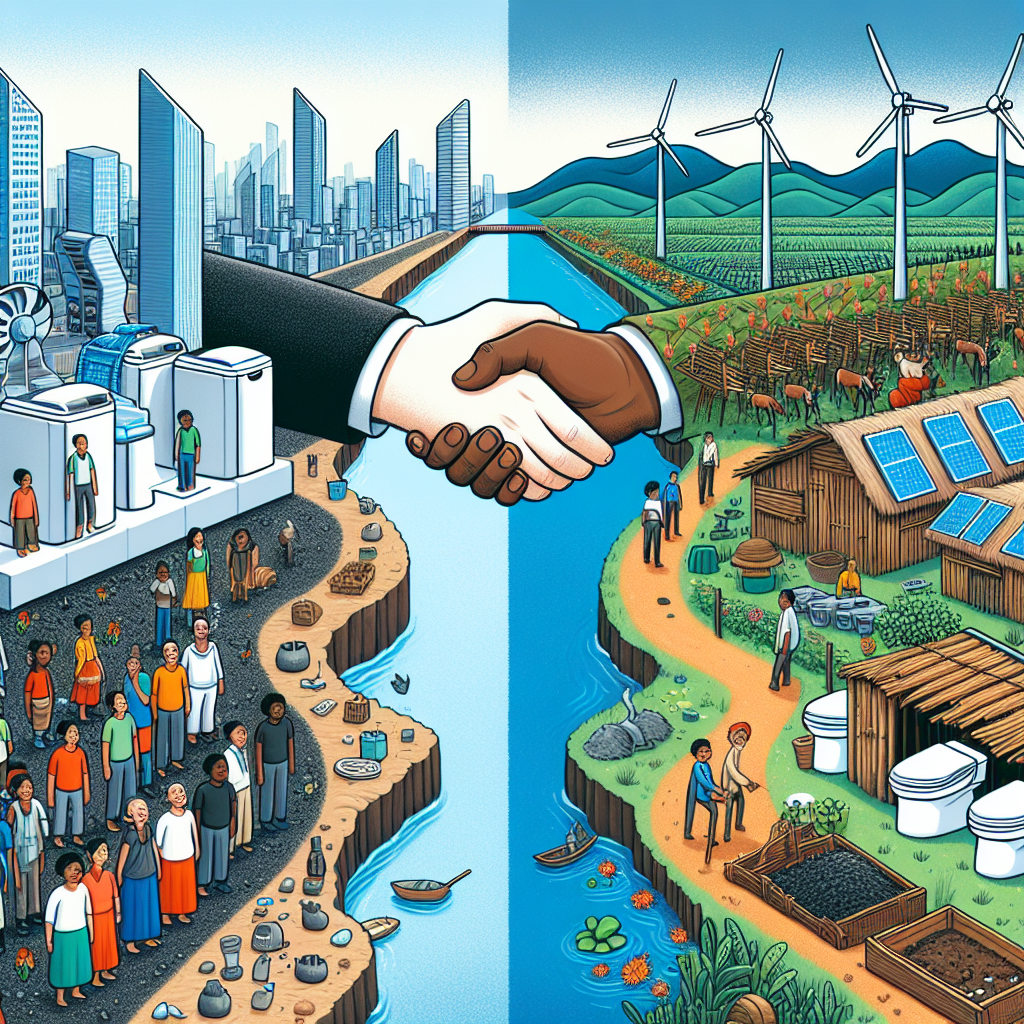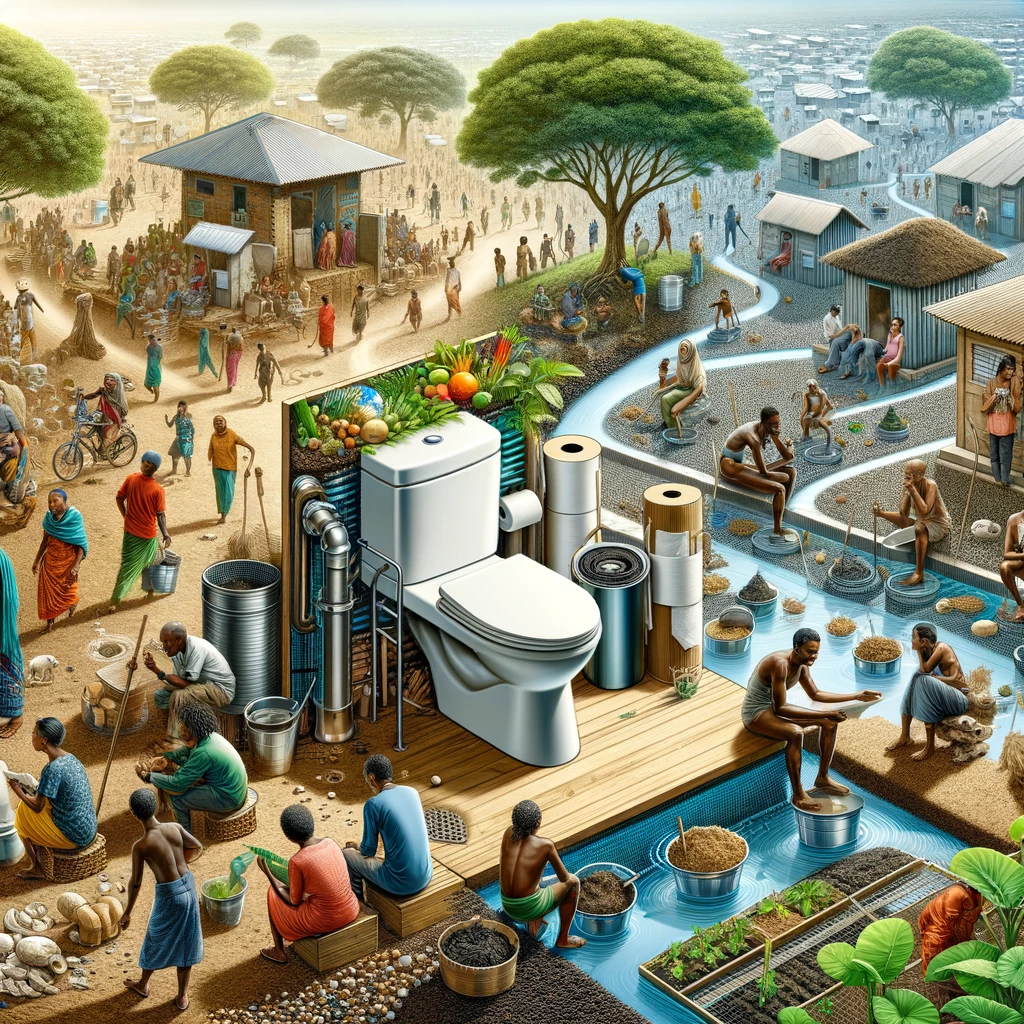
Sanitation is a fundamental human right, yet millions of people worldwide still lack access to basic sanitation facilities. This lack of access not only compromises health and dignity but also perpetuates social and economic inequalities. EcoSan, or ecological sanitation, offers a sustainable and equitable solution to this pressing global issue.
Understanding the Importance of Sanitation
Sanitation goes beyond the mere provision of toilets. It encompasses the safe management of human waste, ensuring it does not contaminate the environment or pose a health risk. Proper sanitation is crucial for:
- Health: Preventing diseases like cholera, diarrhea, and dysentery, which are often spread through poor sanitation.
- Dignity: Ensuring individuals, particularly women and girls, can manage sanitation needs safely and privately.
- Economic Development: Reducing healthcare costs and increasing productivity by minimizing illness-related absences from work and school.
- Environmental Protection: Preventing contamination of water sources and soil.
Despite its importance, 2.4 billion people lack access to basic sanitation, and 892 million still practice open defecation. These statistics highlight the urgent need for innovative and sustainable sanitation solutions like EcoSan.
What is EcoSan?
Ecological sanitation (EcoSan) is a holistic approach to sanitation that views human waste as a resource rather than a waste product. EcoSan systems aim to safely recycle human waste back into the environment, enhancing soil fertility and supporting agricultural productivity.
Key Principles of EcoSan:
- Separation: Separating urine and feces at the source to facilitate different treatment and recycling processes.
- Treatment and Reuse: Treating human waste to destroy pathogens and then using it as fertilizer or soil conditioner.
- Sustainability: Designing systems that are environmentally sustainable and economically viable.
The Role of EcoSan in Promoting Global Equity
EcoSan’s approach to sanitation can significantly contribute to global equity by addressing the disparities in access to sanitation facilities and promoting sustainable development.
Health and Hygiene Benefits
EcoSan systems help reduce the spread of sanitation-related diseases by providing safe and hygienic ways to manage human waste. By treating and reusing waste, these systems minimize environmental contamination and protect public health. Communities with access to EcoSan systems experience lower rates of illness, reduced healthcare costs, and improved overall well-being.
Empowering Women and Girls
Access to proper sanitation is especially critical for women and girls. Lack of facilities often forces them to miss school during menstruation or expose themselves to risks when seeking privacy. EcoSan systems, designed with gender-specific needs in mind, provide safe and private facilities, enabling women and girls to manage their sanitation needs with dignity. This empowerment leads to better educational and economic opportunities, contributing to gender equity.
Economic and Agricultural Advantages
EcoSan promotes the recycling of nutrients back into the soil, supporting sustainable agriculture. Farmers using treated human waste as fertilizer benefit from increased crop yields and reduced reliance on chemical fertilizers. This not only improves food security but also provides economic opportunities for communities. By integrating EcoSan into agricultural practices, communities can create a sustainable cycle of waste management and food production.
Environmental Sustainability
Traditional sanitation systems, such as flush toilets and sewage treatment plants, require significant amounts of water and energy. EcoSan systems, in contrast, are designed to be environmentally sustainable. By recycling waste and minimizing water usage, EcoSan reduces the ecological footprint of sanitation. Additionally, these systems help mitigate climate change by reducing methane emissions from untreated waste and decreasing the need for energy-intensive fertilizer production.
Case Studies: EcoSan in Action
Uganda: Transforming Sanitation in Rural Communities
In Uganda, EcoSan systems have been implemented in rural communities to address the lack of sanitation infrastructure. These systems have significantly improved public health and agricultural productivity. By converting waste into valuable compost, communities have seen increased crop yields and reduced costs for chemical fertilizers. The success of EcoSan in Uganda demonstrates its potential to transform sanitation in resource-limited settings.
India: Empowering Women through EcoSan
In India, the lack of sanitation facilities disproportionately affects women and girls. EcoSan projects have focused on providing gender-sensitive solutions that ensure privacy and safety. These projects have empowered women by improving their health, increasing school attendance, and providing opportunities for economic participation. The integration of EcoSan systems in schools and communities has created a ripple effect, enhancing gender equity and community well-being.
Sweden: Innovative EcoSan Solutions
Sweden, known for its innovative approach to sustainability, has successfully integrated EcoSan systems into urban settings. These systems separate and treat waste at the source, converting it into biogas and compost. The biogas is used for energy production, while the compost enriches agricultural soils. Sweden’s experience highlights how EcoSan can be adapted to different contexts, from rural to urban environments, promoting sustainability and resource efficiency.
Challenges and Opportunities
Challenges
Despite the numerous benefits of EcoSan, several challenges hinder its widespread adoption:
- Cultural Acceptance: In many cultures, handling human waste is considered taboo, making it difficult to promote EcoSan practices.
- Initial Costs: The installation of EcoSan systems can be costly, posing a barrier for low-income communities.
- Maintenance: EcoSan systems require regular maintenance and monitoring to ensure they function effectively.
Opportunities
Addressing these challenges presents opportunities for innovation and collaboration:
- Education and Awareness: Raising awareness about the benefits of EcoSan and providing education on its use can help overcome cultural barriers.
- Community Involvement: Engaging communities in the design and implementation of EcoSan projects ensures that systems meet local needs and are more likely to be accepted and maintained.
- Partnerships: Collaborating with governments, NGOs, and the private sector can mobilize resources and expertise to support EcoSan initiatives.
A Path to Global Equity
Sanitation is a fundamental human right that should be accessible to all. EcoSan offers a sustainable and equitable solution to the global sanitation crisis. By transforming human waste into valuable resources, EcoSan systems promote health, dignity, and environmental sustainability. The successful implementation of EcoSan can significantly contribute to global equity, ensuring that everyone, regardless of their socio-economic status, has access to safe and dignified sanitation.
To achieve this vision, it is essential to overcome cultural and economic barriers, foster community engagement, and build strong partnerships. With concerted efforts, EcoSan can play a pivotal role in creating a more equitable and sustainable world.

The Role of Policy and Advocacy in Promoting EcoSan
For EcoSan to reach its full potential in promoting global equity, strong policy support and effective advocacy are essential. Governments, international organizations, and advocacy groups play a crucial role in creating an enabling environment for the adoption and scaling of EcoSan systems.
Policy Support
Governments can support EcoSan through:
- Regulatory Frameworks: Implementing regulations that promote the safe treatment and reuse of human waste.
- Funding and Incentives: Providing financial support and incentives for the installation and maintenance of EcoSan systems, particularly in low-income communities.
- Integration with National Programs: Incorporating EcoSan into national sanitation and agriculture programs to ensure a coordinated and comprehensive approach.
Advocacy Efforts
Advocacy groups and non-governmental organizations (NGOs) can drive the adoption of EcoSan by:
- Raising Awareness: Conducting campaigns to educate the public and policymakers about the benefits of EcoSan.
- Community Mobilization: Engaging communities in discussions about their sanitation needs and involving them in the design and implementation of EcoSan projects.
- Capacity Building: Providing training and resources to local organizations and communities to build their capacity to manage and maintain EcoSan systems.
International Cooperation
International organizations, such as the United Nations and the World Health Organization, can facilitate global cooperation on EcoSan by:
- Setting Standards: Developing global standards and guidelines for EcoSan systems to ensure safety and effectiveness.
- Sharing Best Practices: Promoting the exchange of knowledge and best practices among countries and regions.
- Providing Technical Assistance: Offering technical support and resources to countries and communities implementing EcoSan projects.
Future Prospects for EcoSan
The future of EcoSan looks promising, with increasing recognition of its benefits and growing momentum for its adoption. Several trends and innovations are likely to shape the future of EcoSan:
Technological Innovations
Advancements in technology can enhance the efficiency and effectiveness of EcoSan systems. Innovations such as smart sensors and automation can improve the monitoring and management of EcoSan facilities, ensuring they operate optimally and safely. Additionally, new treatment technologies can further enhance the recycling and reuse of human waste, making EcoSan systems more sustainable and user-friendly.
Climate Change Adaptation
As the impacts of climate change become more pronounced, the need for sustainable and resilient sanitation solutions will grow. EcoSan systems, with their low water usage and ability to recycle nutrients, are well-suited to help communities adapt to changing environmental conditions. By integrating EcoSan into climate adaptation strategies, countries can build more resilient and sustainable sanitation infrastructure.
Inclusive Design
Designing EcoSan systems that are accessible and user-friendly for all individuals, including those with disabilities, elderly people, and children, is essential for promoting equity. Inclusive design ensures that EcoSan systems meet the needs of diverse populations, enhancing their effectiveness and acceptance.
Scaling Up
For EcoSan to have a significant impact on global sanitation, it must be scaled up to reach more communities. Scaling up requires a concerted effort from governments, international organizations, and the private sector. By investing in EcoSan infrastructure, capacity building, and community engagement, stakeholders can expand the reach of EcoSan and maximize its benefits.
Call to Action
The time to act is now. Ensuring access to sanitation as a human right is not only a matter of health and dignity but also a crucial step toward achieving global equity. EcoSan offers a sustainable and equitable solution to the global sanitation crisis, but its success depends on collective action.
How You Can Help
- Educate Yourself and Others: Learn about the benefits of EcoSan and share this knowledge with your community.
- Advocate for Policy Change: Support policies and initiatives that promote sustainable sanitation solutions.
- Get Involved: Volunteer with organizations working on EcoSan projects or start a local initiative in your community.
- Support EcoSan Projects: Donate to or partner with organizations that are implementing EcoSan systems in underserved areas.
By taking these steps, we can contribute to a future where everyone has access to safe and dignified sanitation, and where EcoSan plays a pivotal role in promoting global equity.
EcoSan represents a transformative approach to sanitation that can address some of the most pressing challenges facing our world today. By viewing human waste as a resource and adopting sustainable practices, EcoSan not only improves health and dignity but also fosters economic development and environmental sustainability. As we move forward, it is essential to support and scale up EcoSan initiatives, ensuring that the right to sanitation is realized for all, and that global equity is achieved.