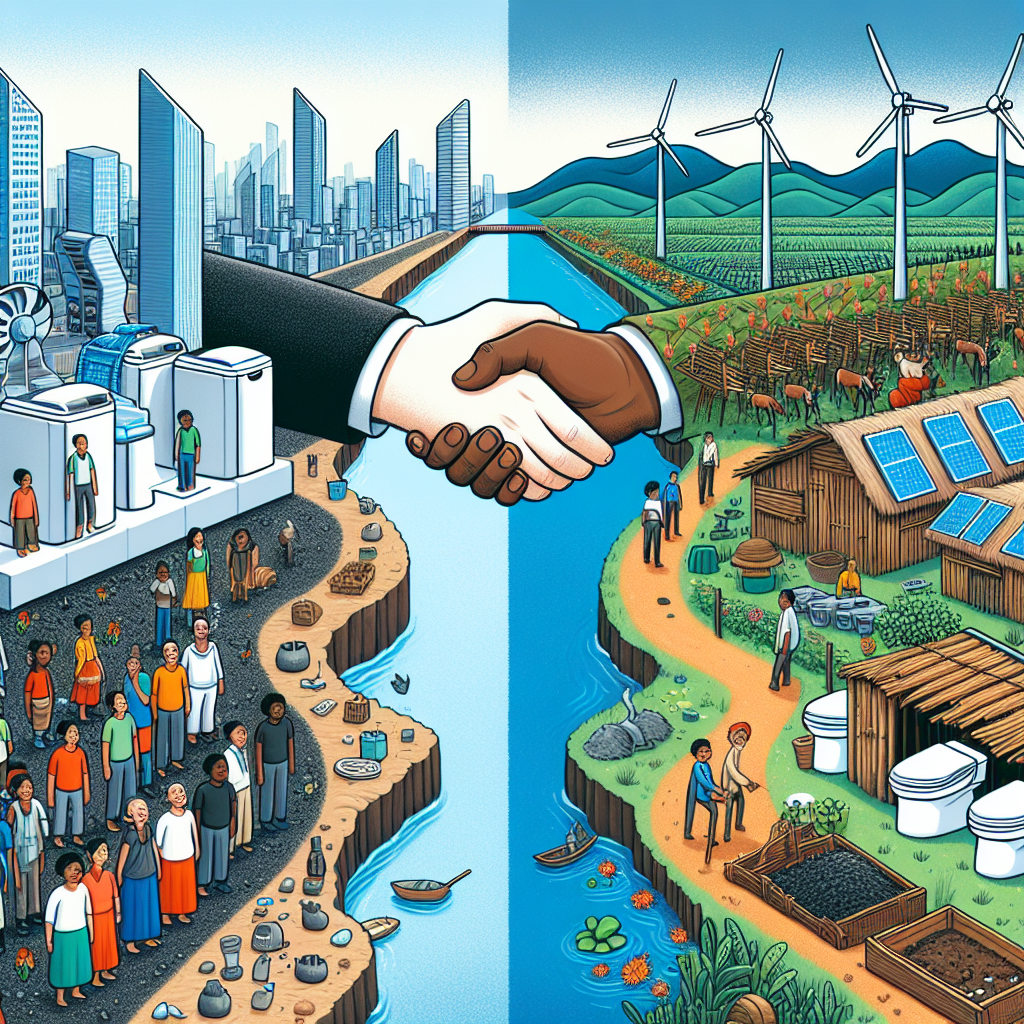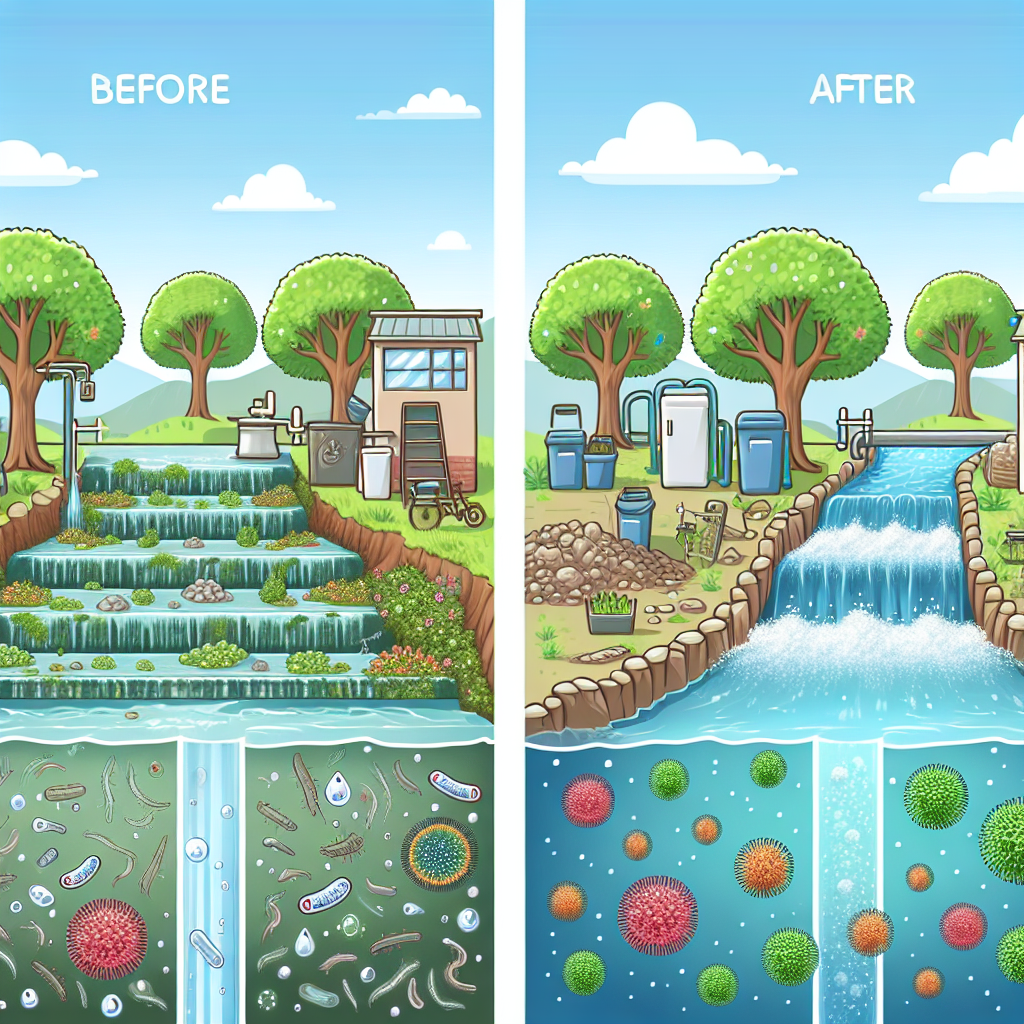
The issue of sanitation is critical in shaping the health, dignity, and overall quality of life of rural and underserved communities. Traditional sanitation systems often fail in these areas due to the lack of infrastructure, financial constraints, and cultural barriers. Here, Ecological Sanitation, or EcoSan, offers a promising solution. By converting waste into a valuable resource, EcoSan presents an innovative and sustainable method that addresses sanitation needs while simultaneously promoting rural development.
Introduction
In many rural regions worldwide, sanitation remains a significant concern. Inadequate sanitation systems contribute to the spread of diseases, environmental pollution, and the degradation of natural resources. These challenges are exacerbated by the lack of financial and infrastructural capacity to implement and maintain traditional sanitation systems. EcoSan, an ecological sanitation approach, offers a viable alternative that focuses on closing the loop between sanitation and agriculture. It emphasizes the recovery and safe reuse of nutrients from excreta and organic waste, transforming these materials into valuable resources for agricultural purposes.
The core principle of EcoSan is simple yet revolutionary – instead of viewing human waste as a hazardous by-product, it reimagines it as a resource that can significantly benefit rural communities. EcoSan systems can improve soil fertility, increase agricultural productivity, and enhance food security, thereby contributing to rural development goals. This holistic approach not only addresses sanitation and hygiene issues but also supports sustainable agriculture, environmental conservation, and economic resilience in rural areas.
In this article, we will delve deeply into the principles and concepts of EcoSan, examining how this ecological approach can be leveraged for rural development. Through understanding its advantages, methodologies, and real-world applications, we can better appreciate EcoSan’s potential in fostering healthier, more sustainable rural communities.
EcoSan Principles and Concepts
EcoSan is based on several guiding principles that distinguish it from conventional sanitation methods. These principles revolve around resource recovery, environmental protection, and sustainability. The primary EcoSan concept is the separation of urine and feces at the source. This separation facilitates the safe processing and reuse of these waste products in agriculture.
Urine, which is rich in nitrogen and phosphorus, can be collected and used as a liquid fertilizer. It is usually pathogen-free, making it a safer and more straightforward nutrient source for crops. Feces, on the other hand, require more extensive treatment to eliminate pathogens. Once safely processed through composting or other treatment methods, feces become a nutrient-rich soil conditioner known as humanure.
Another crucial EcoSan principle is minimizing water use. Many EcoSan systems require little to no water, making them highly suitable for water-scarce regions. These dry or low-water systems, such as composting toilets, reduce the risk of groundwater contamination and conserve valuable water resources.
EcoSan also emphasizes local solutions tailored to the specific environmental, cultural, and economic contexts of a community. By involving local stakeholders in the design, implementation, and maintenance of EcoSan systems, these initiatives are more likely to succeed and be sustainable in the long term.
Advantages of EcoSan
EcoSan offers numerous advantages over traditional sanitation systems, particularly in rural settings. Firstly, EcoSan systems reduce the environmental impact of waste by preventing the contamination of water bodies and soil. The nutrients in human waste are recycled rather than being lost or causing pollution.
Secondly, EcoSan can be more cost-effective than conventional sanitation solutions. Cleaning, treating, and managing water-intensive sewage systems require significant investments in infrastructure and ongoing maintenance. In contrast, EcoSan systems often utilize locally available materials and labor, reducing overall costs.
EcoSan also delivers health benefits by mitigating the spread of waterborne and sanitation-related diseases. Properly managed EcoSan systems ensure that pathogens in human waste are neutralized, creating a safer and healthier environment for communities.
Furthermore, the agricultural benefits of EcoSan are substantial. By recycling nutrients from waste, farmers can improve soil fertility and crop yields, reducing dependence on chemical fertilizers. This not only enhances food security but also fosters a more sustainable agricultural model.

Implementation of EcoSan Systems
The successful implementation of EcoSan systems requires careful planning, community engagement, and ongoing education. The first step is assessing the local context, including environmental conditions, cultural preferences, and economic constraints. This assessment informs the design of appropriate EcoSan technologies and strategies.
Community involvement is critical to the success of EcoSan initiatives. Engaging local stakeholders, including community leaders, farmers, and households, ensures that the systems are acceptable and meet the needs of the population. Training and education are also vital components, equipping community members with the knowledge and skills to manage EcoSan systems effectively.
Different types of EcoSan technologies can be employed based on local conditions and preferences. For example, urine-diverting dry toilets (UDDT) are an effective option in water-scarce regions. These toilets separate urine and feces, allowing for the safe collection and reuse of these products.
Composting toilets are another popular EcoSan technology. These toilets convert human feces into compost through aerobic decomposition. The resulting compost can be safely used to improve soil fertility and agricultural productivity.
Challenges and Solutions
Despite its many advantages, EcoSan faces several challenges that need to be addressed for successful implementation. One significant challenge is the cultural stigma associated with human waste. Overcoming this stigma requires extensive community education and sensitization to change attitudes and behaviors.
The initial cost of some EcoSan technologies can also be a barrier, particularly for low-income households. However, subsidies, micro-financing, and community-driven funding models can help make these systems more accessible.
Maintenance and management of EcoSan systems are crucial for their long-term success. Establishing clear roles and responsibilities within the community ensures that the systems are adequately maintained. Regular monitoring and support from local authorities and NGOs can also enhance sustainability.
Furthermore, adapting EcoSan technologies to diverse environmental conditions and user needs is essential. Research and innovation in EcoSan design can lead to more versatile and user-friendly systems that are widely accepted and utilized.
Case Studies and Success Stories
Several successful EcoSan projects worldwide demonstrate its potential in promoting rural development. One notable example is the Orangi Pilot Project in Karachi, Pakistan. This community-led initiative implemented low-cost, low-water sanitation systems that significantly improved sanitation and health outcomes in the area.
In India, the Ecosan Services Foundation has been instrumental in promoting EcoSan principles across various states. By collaborating with local communities, they have installed numerous EcoSan toilets that provide both sanitation and agricultural benefits.
Another success story comes from the SaciWATERs project in Bangladesh, which introduced EcoSan toilets in flood-prone areas. These elevated, urine-diverting toilets have proven resilient to flooding, ensuring continuous access to safe sanitation.
These case studies highlight the importance of community involvement, appropriate technology selection, and ongoing support in the successful implementation of EcoSan systems. They provide valuable lessons for other regions looking to leverage EcoSan for rural development.
Future Prospects and Innovations
The future of EcoSan holds exciting possibilities for innovation and expansion. Ongoing research into alternative sanitation technologies and waste treatment methods continues to push the boundaries of what is possible. For instance, advancements in biochar production from human waste offer promise for improving soil health and carbon sequestration.
Developing mobile and modular EcoSan systems can also enhance flexibility and accessibility, making it easier to implement these systems in diverse settings. Digital solutions and smart technologies can further optimize the management and monitoring of EcoSan systems, ensuring efficiency and effectiveness.
Engaging the younger generation through education and awareness-raising initiatives is critical for the future of EcoSan. Integrating EcoSan concepts into school curricula can inspire a new generation of environmental stewards and innovators.
Collaboration between governments, NGOs, private sector entities, and academic institutions will be essential in scaling up EcoSan efforts. Policy frameworks that support resource recovery and sustainable sanitation practices can provide a conducive environment for EcoSan initiatives to thrive.
Conclusion
EcoSan represents a transformative approach to sanitation that aligns with the principles of sustainability, health, and resource efficiency. By reconceptualizing waste as a valuable resource, EcoSan can play a pivotal role in rural development, improving sanitation, enhancing agricultural productivity, and protecting the environment.
The principles and concepts of EcoSan focus on separating and safely reusing human waste, conserving water, involving communities, and tailoring solutions to local contexts. These principles have been successfully applied in various regions, demonstrating EcoSan’s potential to address complex sanitation challenges.
Overcoming cultural stigma, ensuring affordability, and providing ongoing support are key to the success of EcoSan initiatives. The positive impacts on health, environment, and agriculture make EcoSan an attractive option for rural communities seeking sustainable development solutions.
As we look to the future, continued innovation, education, and collaboration will be vital in realizing the full potential of EcoSan. By leveraging this ecological approach, we can create healthier, more resilient, and sustainable rural communities worldwide.