Ecological sanitation (EcoSan) is a sustainable approach to sanitation that emphasizes the recycling of nutrients and the safe treatment of human waste. Unlike traditional sanitation systems, which often rely on water-intensive methods and centralized treatment facilities, EcoSan aims to mimic natural processes. This helps to reduce waste, conserve water, and return valuable nutrients to the soil. This innovative approach is gaining increased attention across the globe, particularly in the face of water scarcity, urbanization, and climate change. However, the application and acceptance of EcoSan can vary significantly between developed and developing countries, each facing unique challenges and opportunities.
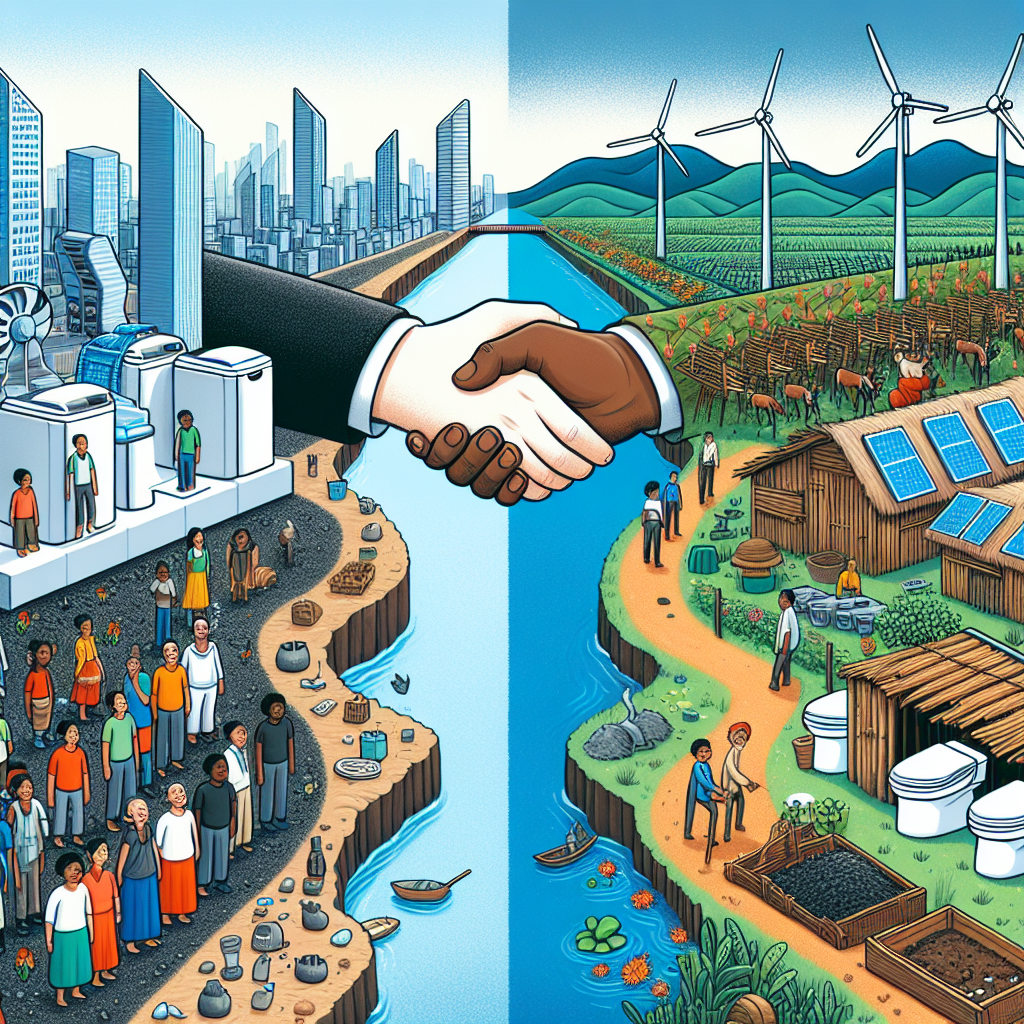
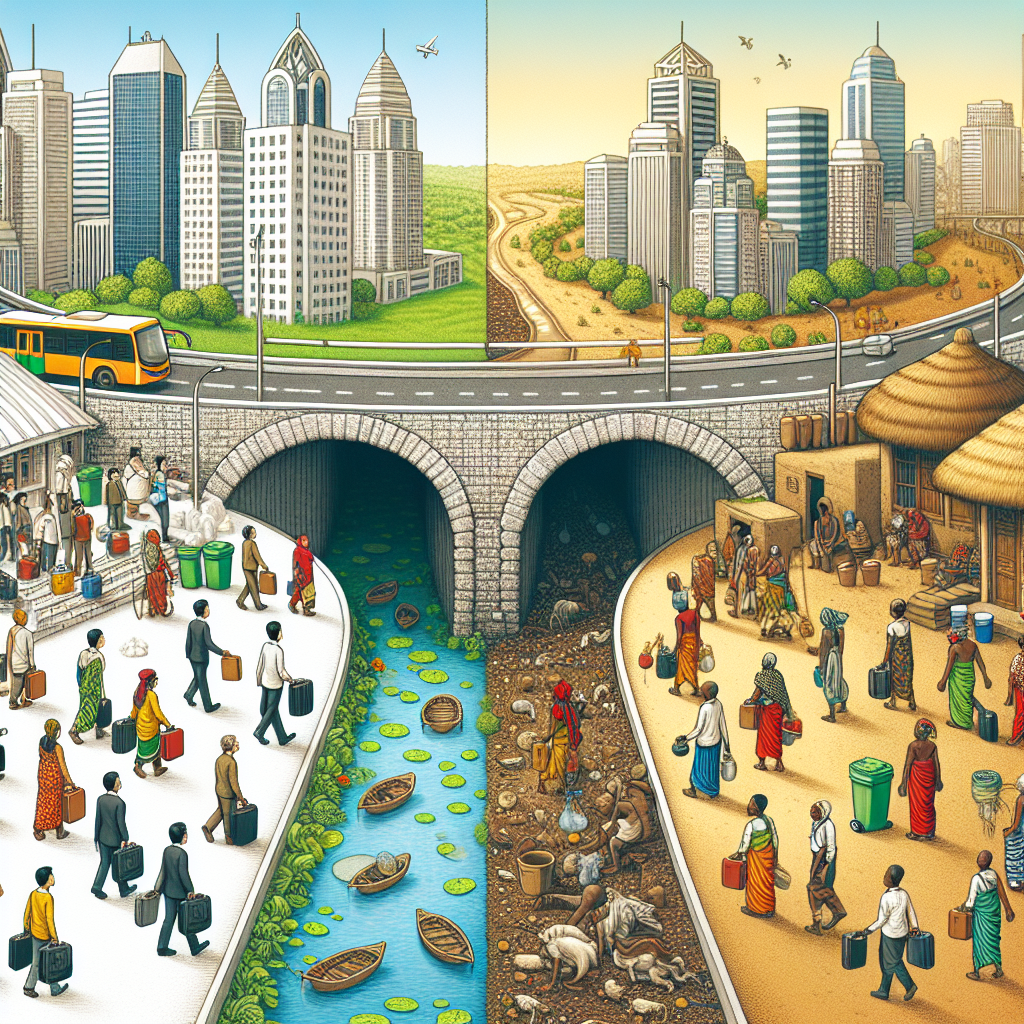
In developed nations, where infrastructure and resources are more readily available, EcoSan systems can be integrated into existing waste management frameworks. These countries often have the technological means and economic capacity to implement advanced sanitation solutions. In contrast, developing countries often lack such infrastructure and resources, which can make the implementation of EcoSan both more challenging and potentially more revolutionary. These nations stand to gain significantly from EcoSan, particularly in rural or underserved areas where traditional sanitation systems are non-existent or inadequate.
This article explores the principles and concepts of EcoSan and examines its application in both developed and developing countries. By understanding the unique needs and circumstances of different regions, we can develop better strategies for promoting and implementing ecological sanitation solutions worldwide. Let’s delve into what EcoSan entails and how it is transforming sanitation practices across the globe.
The Principles of Ecological Sanitation
EcoSan is grounded in a few core principles that distinguish it from conventional sanitation approaches. The first principle is the prevention of pollution rather than its subsequent treatment. By dealing with waste at the source, EcoSan systems aim to minimize the contamination of water and soil. This is achieved through processes like urine diversion, which separate liquid from solid waste, making it easier to manage and utilize each component effectively.
Another fundamental principle of EcoSan is the nutrient recycling approach. Human waste is rich in nutrients like nitrogen, phosphorus, and potassium, which are key components of fertilizers. EcoSan seeks to return these nutrients to the soil, thereby closing the loop between sanitation and agriculture. This not only enhances soil fertility but also contributes significantly towards food security in regions with poor agricultural yields.
Water conservation is yet another critical principle of EcoSan. Many traditional sanitation systems require significant amounts of water for flushing and cleaning, a resource that is becoming increasingly scarce in many parts of the world. EcoSan systems are designed to operate efficiently with minimal water usage, making them ideal for arid regions or areas facing water scarcity.
Finally, the principle of adaptability is key to the EcoSan philosophy. These systems are designed to be flexible and can be adapted to meet the needs of different communities and environments. Whether it’s a high-tech composting toilet in a developed urban setting or a simple urine-diverting dry toilet in a rural village, EcoSan concepts can be tailored to a wide range of contexts.
EcoSan in Developed Countries
In developed countries, the implementation of EcoSan systems is often driven by environmental awareness and technological innovation. With access to advanced technologies and abundant financial resources, these nations are well-positioned to integrate EcoSan practices into their existing waste management and agricultural systems. For example, in some European countries, urine-diverting toilets are being used to collect and process human waste into safe, usable fertilizer.
The regulatory frameworks in developed countries also facilitate the adoption of EcoSan. Environmental regulations often promote sustainable practices and provide incentives for the implementation of eco-friendly technologies. Furthermore, public awareness about environmental issues can drive demand for EcoSan systems, as communities and individuals look for ways to reduce their ecological footprint.
Developed countries also benefit from a strong research and development (R&D) infrastructure, which can lead to innovations that enhance the effectiveness and efficiency of EcoSan systems. For instance, advancements in biotechnology and material sciences have led to the creation of more efficient composting systems and improved methods for nutrient recovery.
However, despite these advantages, challenges remain. One significant barrier is the reluctance to shift away from conventional, water-based sanitation systems, which have been the norm for decades. Additionally, the high upfront costs of installing new EcoSan systems can be a deterrent, despite the long-term savings and environmental benefits. Overcoming these challenges requires ongoing education, incentives, and supportive policies to encourage wider adoption.
EcoSan in Developing Countries
In developing countries, the situation is markedly different. Limited access to clean water and adequate sanitation facilities makes EcoSan an attractive option for many communities. Simple, low-cost EcoSan systems can be a game-changer in regions where conventional sanitation infrastructure is lacking or non-existent. For example, rural areas in Africa and Asia have successfully implemented urine-diverting dry toilets, which require minimal water and can be constructed using locally available materials.
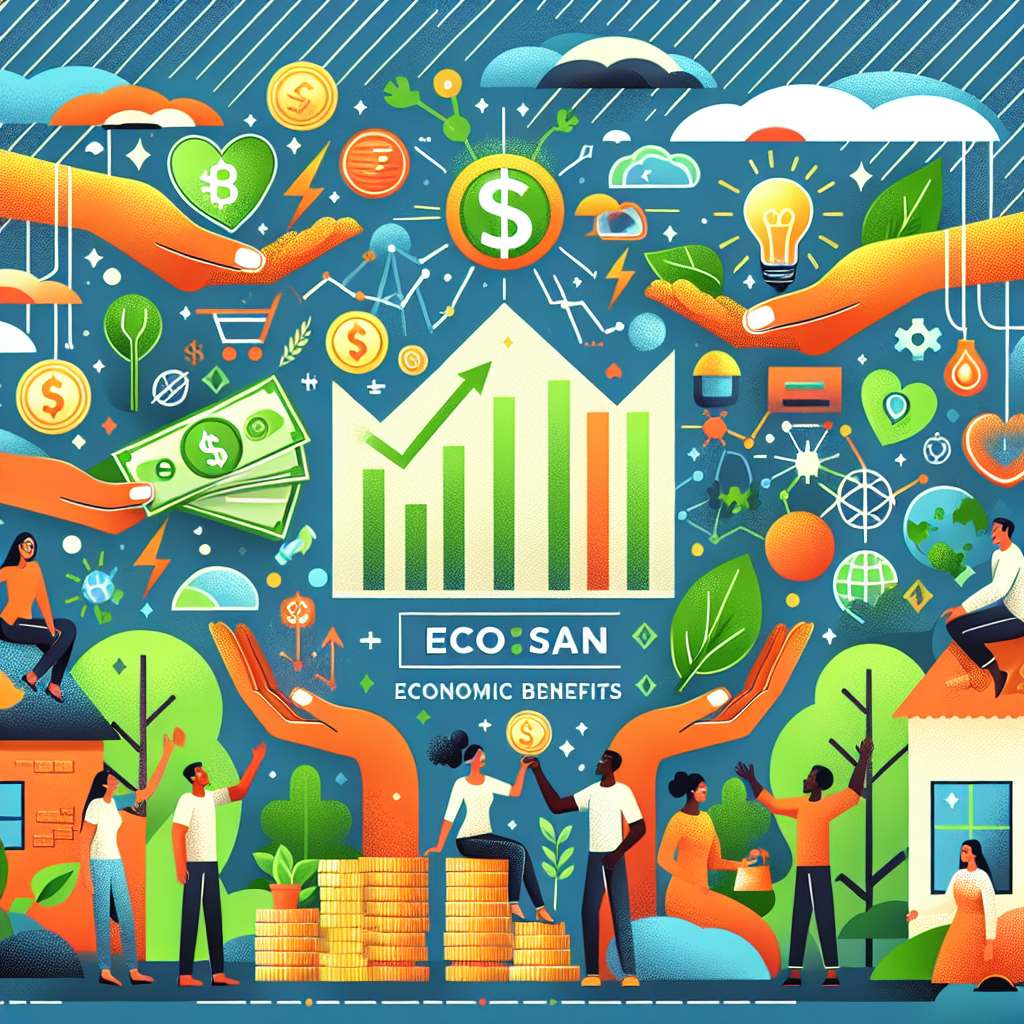
The impact of EcoSan in developing countries extends beyond just improved sanitation. By recycling nutrients from human waste, EcoSan systems can enhance soil fertility and boost agricultural productivity, leading to better food security and economic benefits for communities. This is particularly important in regions with poor soil quality and limited access to commercial fertilizers.
Additionally, EcoSan can play a crucial role in improving public health. Proper waste management and treatment help to reduce the spread of waterborne diseases, which are prevalent in areas with inadequate sanitation. This can contribute to better overall health outcomes and reduce the burden on local healthcare systems.
Despite these benefits, the implementation of EcoSan in developing countries faces several challenges. Cultural attitudes towards human waste, lack of awareness, and limited financial resources can hinder the adoption of EcoSan practices. Moreover, without adequate training and education, communities may struggle to maintain and manage EcoSan systems effectively. Addressing these challenges requires a holistic approach that includes community engagement, capacity building, and support from governments and non-governmental organizations (NGOs).
Case Studies: Success and Lessons Learned
Numerous case studies from around the world highlight the potential and challenges of EcoSan systems. In Sweden, a country known for its environmental stewardship, EcoSan systems have been successfully integrated into local communities. The Swedish town of Tanum, for example, has implemented urine-separating toilets across the municipality, significantly reducing nutrient pollution in the Baltic Sea. This has been achieved through strong regulatory support and community engagement, demonstrating the importance of a multi-faceted approach to EcoSan.
In contrast, the implementation of EcoSan in rural Haiti sheds light on the challenges faced in developing countries. The NGO SOIL (Sustainable Organic Integrated Livelihoods) has been working to provide EcoSan solutions in Haiti’s underserved communities. Their efforts include installing composting toilets and training local residents in their maintenance. While the outcomes have been largely positive, issues such as local mistrust and economic barriers remain significant hurdles.
Another success story comes from India, where the NGO Ecosan Services Foundation (ESF) has been promoting ecological sanitation in urban and rural communities. In the city of Pune, ESF has worked with local authorities to implement decentralized wastewater treatment systems and urine-diverting toilets. These initiatives have not only improved sanitation but also promoted the recycling of nutrients into local agriculture, demonstrating the interconnected benefits of EcoSan.
These case studies illustrate that while the principles of EcoSan are universally applicable, the path to successful implementation can vary widely based on local conditions. They also highlight the importance of community involvement, education, and supportive policies in overcoming barriers and achieving sustainable sanitation solutions.
Future Directions for EcoSan
The future of EcoSan lies in both technological innovation and increased global cooperation. Advances in technology will continue to play a critical role in enhancing the efficiency and effectiveness of EcoSan systems. For instance, new materials and methods for waste treatment, such as anaerobic digestion and bioreactors, are being explored to improve nutrient recovery and reduce environmental impacts.
Additionally, integrating EcoSan with other sustainable practices, such as greywater recycling and rainwater harvesting, can create more comprehensive and resilient water management systems. By considering the entire water and nutrient cycle, we can develop solutions that address multiple environmental challenges simultaneously.
Global cooperation and knowledge sharing will also be essential. Developing countries can benefit greatly from the technological innovations and research conducted in developed nations. Conversely, developed countries can learn from the low-cost, community-based approaches successfully implemented in resource-limited settings. Platforms for sharing best practices, conducting joint research, and providing technical assistance can facilitate these exchanges.
Policy support at both national and international levels will be crucial for scaling up EcoSan initiatives. Governments must create enabling environments through regulations, incentives, and funding mechanisms that encourage the adoption of EcoSan practices. International organizations and development agencies can play a vital role in supporting these efforts, providing the necessary resources and expertise to drive progress.
Conclusion
Ecological sanitation offers a promising alternative to conventional sanitation systems, with the potential to address critical issues such as pollution, water scarcity, and nutrient depletion. By focusing on nutrient recycling, water conservation, and adaptability, EcoSan principles can be applied in a variety of contexts, from the technologically advanced settings of developed countries to the resource-limited communities in developing nations.
The experiences of different countries underscore the importance of tailored approaches that consider local needs, challenges, and opportunities. Developed nations have the infrastructure and resources to adopt advanced EcoSan technologies, while developing countries can leverage low-cost, community-based solutions to achieve significant improvements in sanitation and public health.
Moving forward, a collaborative effort involving technological innovation, policy support, and knowledge sharing will be essential for scaling up EcoSan initiatives globally. By bridging the gap between developed and developing countries, we can create a more sustainable and equitable future where access to safe sanitation is a reality for all.
As we continue to explore and implement EcoSan solutions, we must remain committed to the core principles of sustainability, adaptability, and inclusivity. Only by working together can we overcome the challenges and realize the full potential of ecological sanitation for the benefit of people and the planet.