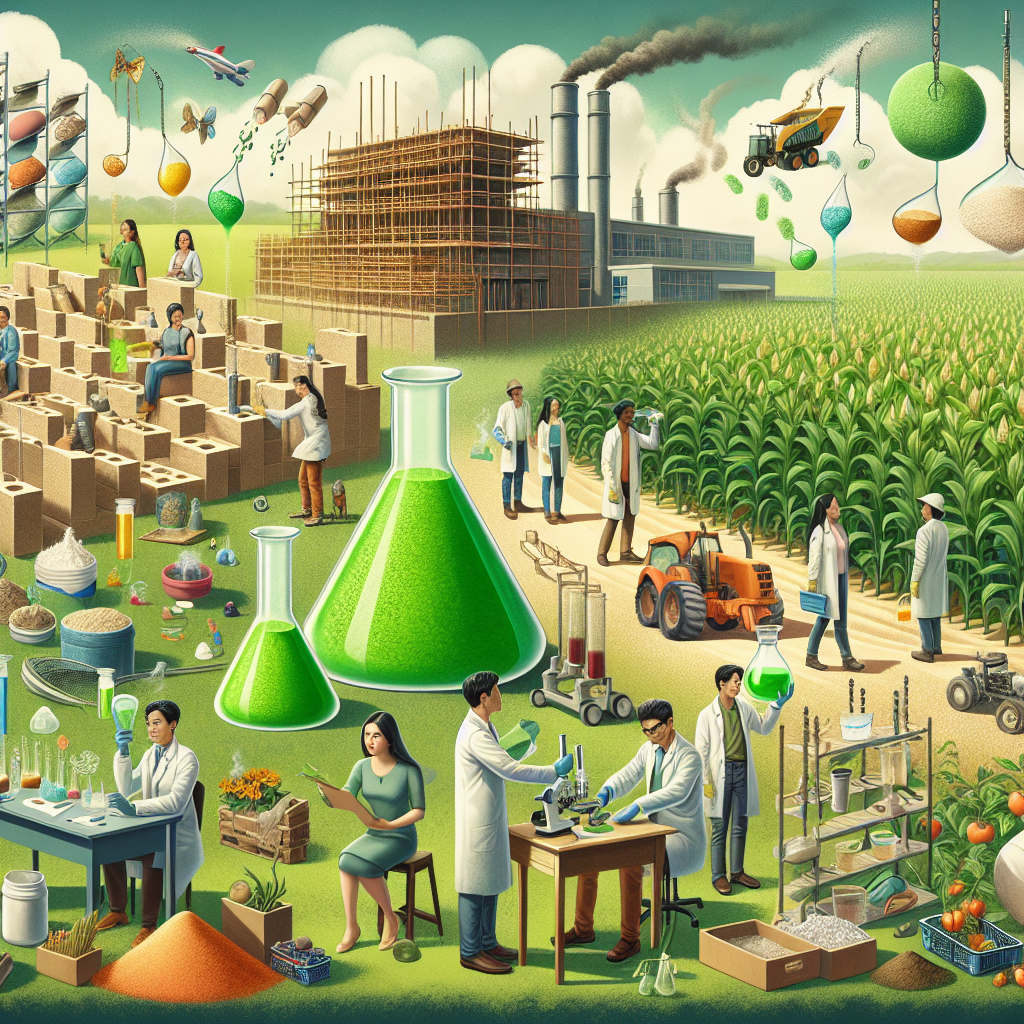
Sanitation is a fundamental aspect of public health and environmental sustainability. Traditional sanitation systems, often characterized by water-intensive flush toilets and centralized sewage treatment plants, have shown significant drawbacks, including high infrastructure costs, extensive water usage, and environmental impact. As awareness of sustainable development grows, there is an increasing need to reassess these conventional methods and explore more eco-friendly alternatives.
Ecological sanitation (EcoSan) emerges as a visionary approach aimed at bridging the gap between sanitation, health, and environmental conservation. Unlike traditional systems, EcoSan focuses on closing the nutrient loop by safely recycling human excreta back into productive ecosystems. This concept not only mitigates the risk of environmental contamination but also enhances soil fertility and agricultural productivity.
However, the successful implementation of EcoSan principles requires a robust and adaptive policy framework. Policy-making for sustainable sanitation involves multiple stakeholders, cross-disciplinary expertise, and a flexible approach to accommodate diverse socio-economic environments. This article delves into the dynamics of policy-making for sustainable sanitation, highlighting key principles, challenges, and strategies that can facilitate the transition to ecological sanitation.
Understanding EcoSan Principles
The core principle of ecological sanitation is closing the loop on nutrient recycling. Unlike conventional systems that treat waste as a disposal problem, EcoSan views human excreta as a valuable resource. There are three primary principles guiding EcoSan practices:
1. Containment and Sanitization: Ensuring that excreta is safely stored and treated to eliminate pathogens. This could be achieved through methods such as composting, dehydration, or anaerobic digestion.
2. Resource Recovery: Post-sanitization, the nutrients present in the excreta are recovered and safely used for agricultural purposes, improving soil quality and productivity.
3. System Adaptability: EcoSan systems are designed to be adaptable to local contexts, taking into account cultural, social, economic, and environmental factors to ensure wide acceptability and sustainability.
By focusing on these principles, EcoSan systems not only mitigate the detrimental impacts associated with traditional sanitation but also contribute to a circular economy, where waste is recycled into valuable inputs for agriculture and other applications.
Challenges in Policy-making for EcoSan
While the principles of EcoSan are sound and beneficial, implementing policies that support these practices faces several challenges:
1. Cultural Barriers: Human excreta is often viewed with stigma, making it difficult to gain societal acceptance for recycling human waste as fertilizer.
2. Regulatory Frameworks: Existing regulatory frameworks are typically tailored for conventional sanitation methods, requiring significant adjustments to accommodate EcoSan practices.
3. Financial Constraints: Transitioning to EcoSan systems can be financially daunting due to the cost of infrastructure development, training, and ongoing maintenance.
4. Technical Expertise: Implementing effective EcoSan systems necessitates technical expertise in various fields, including engineering, public health, and environmental science.
Addressing these challenges requires a holistic policy-making approach that involves education, incentives, and cross-sector collaboration.

Education and Awareness
One of the fundamental steps in fostering EcoSan adoption is raising public awareness and education. Misconceptions and lack of knowledge about EcoSan and its benefits are rampant. Therefore, policy-makers must focus on comprehensive education campaigns that highlight the advantages of ecological sanitation.
These campaigns can include:
1. Community Workshops: Engaging communities through workshops and interactive sessions to discuss EcoSan principles and address concerns.
2. School Curriculum Integration: Incorporating EcoSan concepts into school curricula to educate younger generations about sustainable practices.
3. Media Outreach: Utilizing various media platforms to disseminate information and success stories related to EcoSan implementations.
By fostering a well-informed public, policy-makers can pave the way for smoother transition to and acceptance of EcoSan systems.
Incentives and Subsidies
Financial incentives can significantly drive the adoption of EcoSan systems. Policy-makers need to develop schemes that make EcoSan financially attractive and reduce the economic burden on adopters.
Potential incentives include:
1. Subsidies for Infrastructure: Providing subsidies or grants for the construction of EcoSan facilities, especially in low-income communities.
2. Tax Breaks: Offering tax incentives to individuals and businesses that adopt EcoSan practices.
3. Microfinance Options: Creating microfinance schemes that provide low-interest loans for the installation and maintenance of EcoSan systems.
Such financial incentives not only make EcoSan systems more accessible but also encourage innovation and entrepreneurship in the field of sustainable sanitation.
Collaborative Approaches
EcoSan implementation necessitates collaboration across various sectors and stakeholders. Effective policy-making should involve diverse groups such as government bodies, NGOs, private sector players, and community organizations.
Key collaborative strategies include:
1. Public-Private Partnerships: Engaging private entities to bring in investment, technological expertise, and efficient management practices.
2. NGO Involvement: Leveraging the grassroots reach of NGOs to educate communities and facilitate EcoSan projects.
3. Research Collaboration: Partnering with academic and research institutions to provide data, insights, and innovative solutions for EcoSan challenges.
By fostering a collaborative environment, policy-makers can draw on the expertise and resources of multiple stakeholders, ensuring more comprehensive and effective EcoSan policies.
Monitoring and Evaluation
Continuous monitoring and evaluation are crucial for the success of any policy. In the context of EcoSan, this involves regularly assessing the effectiveness of implemented systems, understanding the challenges faced, and making necessary adjustments.
Policy-makers should focus on:
1. Field Surveys: Conducting regular surveys to gather feedback from users and assess the performance of EcoSan systems.
2. Impact Assessment: Evaluating the environmental, health, and economic impacts of EcoSan practices to measure their effectiveness.
3. Adaptive Policy-making: Using data and feedback to adapt and refine policies, ensuring they remain relevant and effective over time.
Through diligent monitoring and evaluation, policy-makers can ensure the sustainability and scalability of EcoSan initiatives, ultimately achieving the goal of sustainable sanitation.
Conclusion
The transition to ecological sanitation presents a transformative opportunity to address the pressing challenges of public health and environmental sustainability. While the principles of EcoSan offer a promising pathway, the complexities of policy-making in this domain cannot be understated.
Effective EcoSan policies need to be comprehensive, inclusive, and adaptable. They require the integration of education and awareness campaigns to dispel myths and gain public acceptance. Financial incentives are essential to alleviate the economic burden and encourage adoption. Collaborative efforts across sectors can leverage various expertise and resources, while continuous monitoring and evaluation ensure the systems’ efficacy and scalability.
By embracing these strategies, policy-makers can create an enabling environment for EcoSan, ultimately leading to sustainable sanitation solutions that benefit communities, economies, and ecosystems. The journey towards ecological sanitation is complex but achievable, promising a future where waste is not merely discarded but transformed into a resource, ensuring the health of both the planet and its inhabitants.