

The hospitality industry is a cornerstone of the global economy, providing services that range from accommodation and food provision to entertainment and travel. As the world becomes increasingly aware of environmental concerns, sustainability in the hospitality industry has gained prominence. One innovative and impactful approach to sustainability is Ecological Sanitation (EcoSan), which focuses on creating closed-loop systems that recycle human waste into valuable resources such as fertilizer. This article delves into the principles and concepts of EcoSan, exploring its opportunities and challenges within the hospitality industry.
First, it is crucial to comprehend what EcoSan entails. EcoSan is an approach that seeks to address environmental issues arising from traditional sanitation practices by transforming waste materials into nutrients for agricultural use. Rather than seeing waste as a problem, EcoSan views it as a resource. This approach is grounded in the principles of sustainability, resource conservation, and ecological balance.
As the hospitality sector looks to reduce its environmental footprint, adopting EcoSan practices can bring about multiple benefits. These include reducing water usage, lowering operational costs, and contributing to environmental conservation efforts. Additionally, by implementing EcoSan systems, hotels, resorts, and other hospitality entities can bolster their reputation as environmentally responsible organizations, potentially attracting a growing segment of eco-conscious consumers.
However, while the advantages are evident, the transition to EcoSan in the hospitality industry is met with a series of challenges. Understanding these challenges and exploring how to overcome them is vital for successful EcoSan adoption. In the ensuing sections, we will examine the core concepts and principles of EcoSan, explore its applications in the hospitality industry, and investigate both the opportunities and challenges it presents.
The Core Concepts and Principles of EcoSan
EcoSan revolves around several key principles that distinguish it from conventional sanitation systems. One of the primary tenets is the concept of closing the nutrient loop. This means recycling nutrients from human waste back into the soil, enhancing soil fertility and reducing the reliance on synthetic fertilizers. This process involves separating urine and feces, treating them to eliminate pathogens, and then using the treated products as biofertilizers.
Another fundamental principle of EcoSan is water conservation. Traditional sanitation systems often require significant amounts of water for flushing and waste transport. In contrast, EcoSan systems aim to minimize or eliminate the use of water in the sanitation process. Dry composting toilets, urine-diverting dry toilets, and other waterless or low-water systems exemplify this principle.
EcoSan also emphasizes the importance of designing for local conditions and cultural contexts. This means systems should be tailored to the specific needs, preferences, and environmental conditions of the communities they serve. In the hospitality industry, this could involve designing systems that are not only effective in recycling waste but also acceptable and practical for guests and staff.
The holistic approach of EcoSan extends beyond technical solutions to include social acceptance, education, and participation. Ensuring that the stakeholders, particularly guests in the hospitality setting, are informed and comfortable with EcoSan systems is crucial. This calls for clear communication and education about the benefits and functioning of these systems.
Applications of EcoSan in the Hospitality Industry
The hospitality industry is uniquely positioned to leverage the principles of EcoSan due to its structure and resource consumption patterns. Hotels, resorts, and other accommodations can integrate EcoSan systems to handle waste more sustainably. For instance, implementing dry composting toilets or urine-diverting systems can significantly reduce water usage—a critical benefit in regions facing water scarcity.
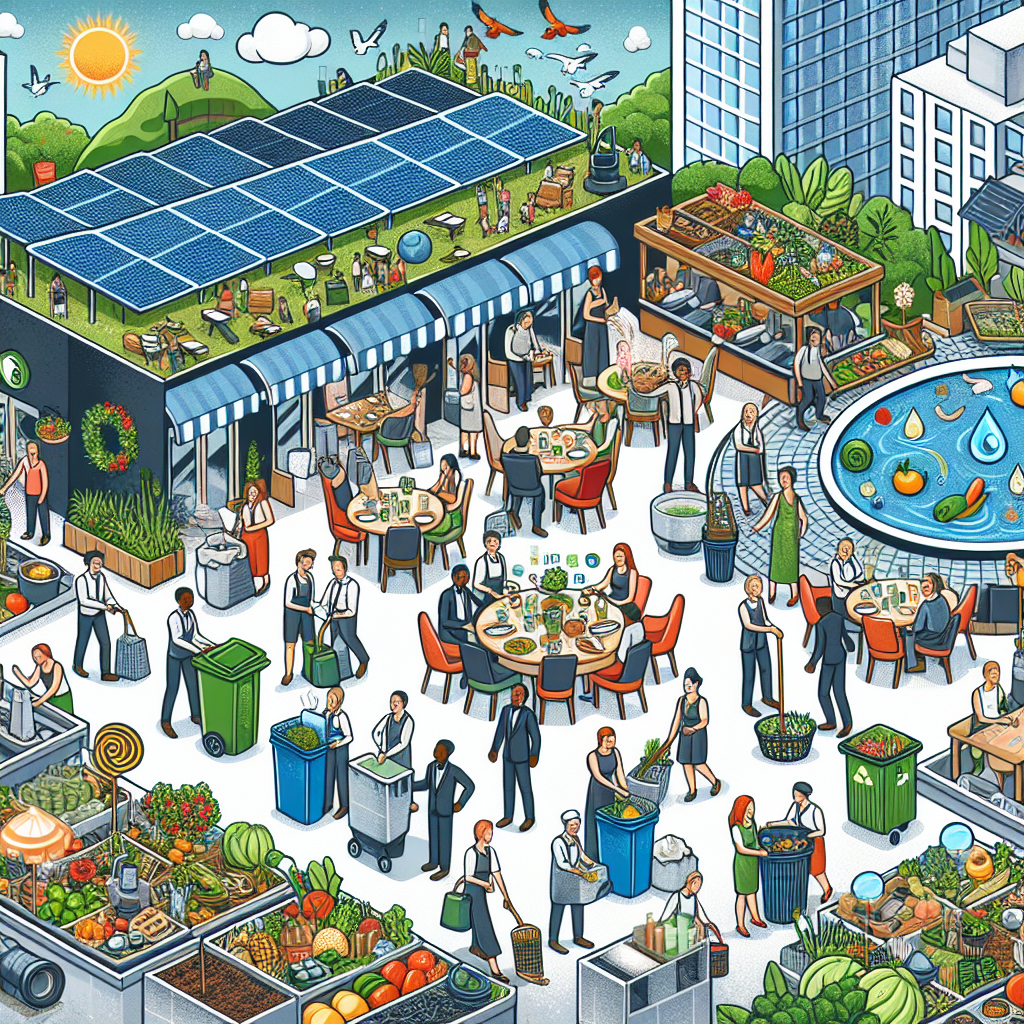
In high-traffic areas such as large hotels or resorts, implementing decentralized waste treatment systems can ensure that waste is treated and reused efficiently. The treated waste can be used to fertilize hotel gardens, landscaping, or even local agricultural projects, creating a closed-loop system right on the property.
Moreover, EcoSan can play a pivotal role in the broader sustainability initiatives of the hospitality industry. Eco-friendly branding is becoming increasingly important, and hotels that adopt EcoSan practices can attract a growing segment of travelers who prioritize sustainability. By showcasing their commitment to environmental stewardship, these establishments can enhance their brand appeal and loyalty.
Additionally, EcoSan systems encourage innovation and creativity in waste management. Hotels can explore partnerships with local farmers, environmental organizations, and technology providers to develop and implement customized solutions. For example, some resorts have developed innovative wastewater treatment systems that convert waste into biogas, which can then be used to power kitchens or heat water.
Opportunities of EcoSan Adoption
One of the most compelling opportunities of adopting EcoSan in the hospitality industry is the potential for significant cost savings. Traditional waste management systems can be expensive to maintain, especially when considering the costs associated with water usage, waste transport, and treatment. EcoSan systems, with their emphasis on recycling and conservation, can reduce these operational costs.
Furthermore, by adopting EcoSan practices, hospitality businesses can enhance their sustainability credentials. This is increasingly important as guests become more environmentally conscious and seek out businesses that align with their values. A commitment to EcoSan can differentiate a hotel from its competitors and serve as a strong marketing tool.
Another opportunity lies in the potential for EcoSan systems to address regulatory requirements and environmental standards. As governments and environmental agencies place stricter regulations on waste management and water usage, EcoSan systems can help hospitality businesses comply with these regulations, avoid fines, and improve their environmental performance.
EcoSan also provides a platform for community engagement and corporate social responsibility. By converting waste into resources such as fertilizer, hotels can support local agricultural projects, contribute to food security, and foster stronger relationships with the communities they operate in. This not only enhances the hotel’s reputation but also creates a positive impact on the local environment and economy.
Challenges of Implementing EcoSan Systems
Despite the clear advantages, there are notable challenges associated with implementing EcoSan systems in the hospitality industry. One significant challenge is the initial investment required. While EcoSan systems can lead to cost savings in the long term, the upfront costs for installation and training can be substantial. This can be a barrier, particularly for smaller establishments with limited budgets.
Another challenge is ensuring the acceptance and proper use of EcoSan systems by guests and staff. Education and training are critical, as improper use can lead to system failures and health risks. Ensuring that guests are willing to use dry composting toilets or urine-diverting systems, for example, may require informative campaigns and proper user instructions.
Moreover, regulatory frameworks and local regulations can pose obstacles to EcoSan adoption. In some regions, regulations may not support the use of human waste as fertilizer, or there may be stringent requirements for waste treatment and management that EcoSan systems must meet. Navigating these regulatory landscapes can be challenging and may require advocacy and collaboration with local authorities.
There is also the technical challenge of designing EcoSan systems that are efficient, aesthetically pleasing, and user-friendly. In the hospitality industry, where guest experience is paramount, EcoSan systems need to be integrated seamlessly into the overall design and operations of the establishment. This requires innovative design solutions and careful planning to ensure that the systems are both functional and appealing to users.
Case Studies of EcoSan Implementation
Several case studies exemplify the successful implementation of EcoSan systems within the hospitality industry, providing valuable insights into best practices and potential outcomes. One notable example is the Six Senses Resort in Fiji, which has integrated advanced ecological sanitation systems to manage waste sustainably. The resort uses a combination of composting toilets and wastewater treatment systems that convert waste into nutrient-rich compost and irrigation water for its gardens and landscaping.
Another exemplary case is the Treehouse Lodge in the Amazon Rainforest. This eco-friendly lodge has adopted composting toilets and urine-diverting systems to minimize its environmental footprint. The treated waste is used to fertilize the lodge’s organic garden, where fruits and vegetables are grown for guest meals. This not only reduces waste but also enhances the self-sufficiency and sustainability of the lodge.
These case studies highlight the importance of tailoring EcoSan solutions to the specific needs and contexts of hospitality establishments. They also underscore the critical role of stakeholder engagement and education in ensuring the successful adoption and operation of these systems. By involving guests and staff in the process and clearly communicating the benefits, these establishments have overcome challenges and reaped the rewards of sustainable waste management.
Furthermore, these examples illustrate how EcoSan systems can be part of broader sustainability initiatives. Both the Six Senses Resort and Treehouse Lodge emphasize holistic approaches to sustainability, incorporating energy conservation, water management, and local community engagement alongside their EcoSan practices. This integrated approach not only maximizes environmental benefits but also enhances the overall guest experience.
Future Prospects and Innovations in EcoSan for Hospitality
Looking ahead, the future of EcoSan in the hospitality industry is promising, with ongoing innovations and advancements that could address current challenges and expand opportunities. One area of potential growth is in the development of more affordable and scalable EcoSan technologies. Advances in materials, design, and manufacturing processes could reduce the upfront costs of EcoSan systems, making them accessible to a wider range of hospitality establishments.
Another exciting prospect is the integration of digital technologies and smart systems into EcoSan. Internet of Things (IoT) devices, sensors, and data analytics could enhance the monitoring and management of EcoSan systems, improving their efficiency and performance. For example, sensors could track waste levels and system performance in real-time, alerting staff to potential issues before they become problems.
Research and development in waste treatment processes could also yield more effective and user-friendly solutions. Innovations in microbial treatment, composting technology, and nutrient recovery could enhance the safety and quality of the end products, making them more suitable for use in hospitality settings. Additionally, exploring the use of waste-derived products, such as biogas for energy and treated water for irrigation, could further enhance the sustainability of EcoSan systems.
Collaboration and knowledge sharing will be crucial in driving these innovations forward. Partnerships between hospitality businesses, technology providers, environmental organizations, and academic institutions can foster the exchange of ideas and best practices, leading to more effective and innovative EcoSan solutions. By working together, these stakeholders can overcome challenges and unlock the full potential of EcoSan in the hospitality industry.
Conclusion
EcoSan presents a compelling opportunity for the hospitality industry to enhance its sustainability and reduce its environmental footprint. By transforming waste into valuable resources, EcoSan systems embody the principles of resource conservation, ecological balance, and sustainability. Implementing these systems can bring about significant benefits, including cost savings, enhanced sustainability credentials, regulatory compliance, and community engagement.
However, the adoption of EcoSan in the hospitality industry is not without its challenges. Initial investment costs, guest acceptance, regulatory hurdles, and technical design are hurdles that need to be addressed. Nonetheless, with careful planning, education, and innovation, these challenges can be overcome. Case studies of successful EcoSan implementation demonstrate that with the right approach, hospitality establishments can enjoy the rewards of sustainable waste management.
As the world continues to prioritize sustainability, the future prospects for EcoSan in the hospitality industry are promising. Ongoing innovations, technological advancements, and collaborative efforts will play a pivotal role in making EcoSan systems more accessible, efficient, and user-friendly. By embracing these opportunities and addressing the challenges, the hospitality industry can pave the way for a more sustainable future.
Ultimately, EcoSan is more than just a waste management solution; it is a commitment to environmental stewardship and a sustainable future. By adopting EcoSan principles and practices, the hospitality industry can lead by example, inspiring others to follow suit and contributing to the global movement towards a more sustainable and resilient planet.


