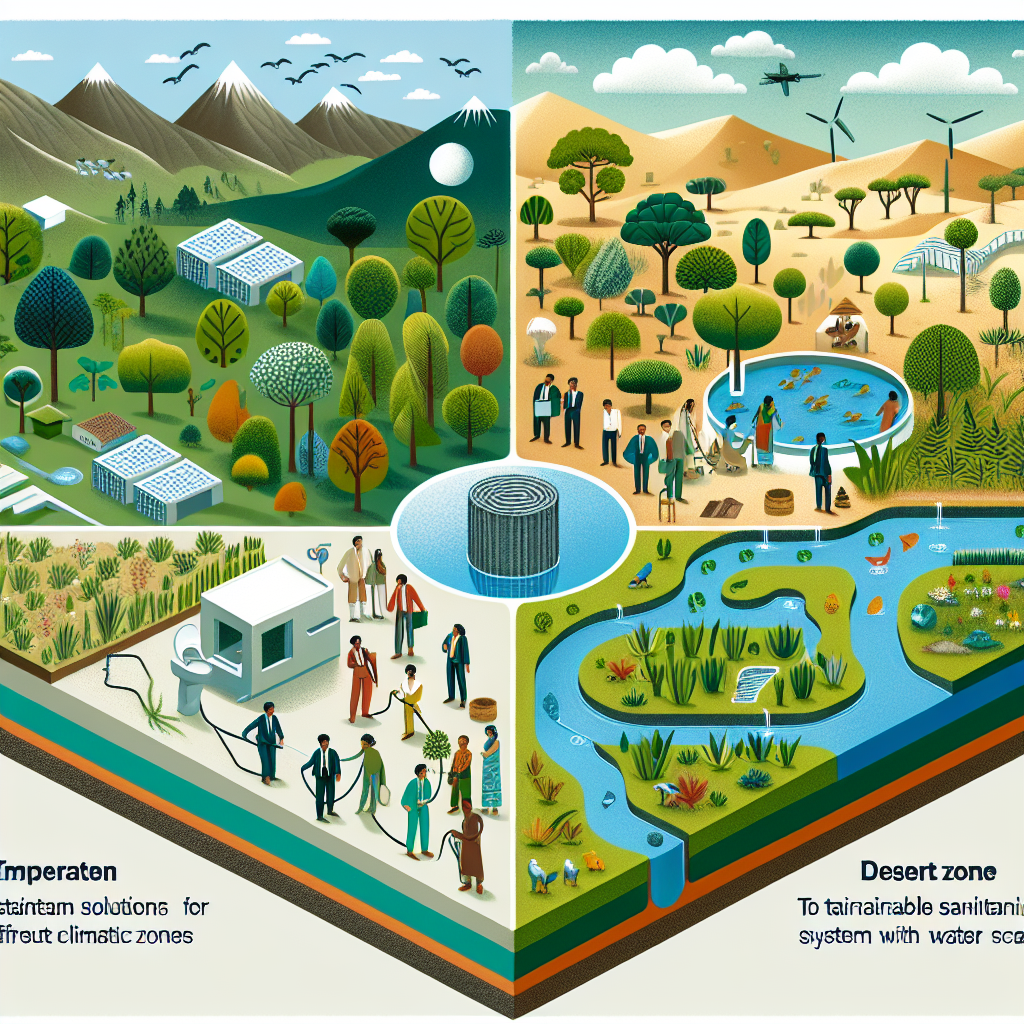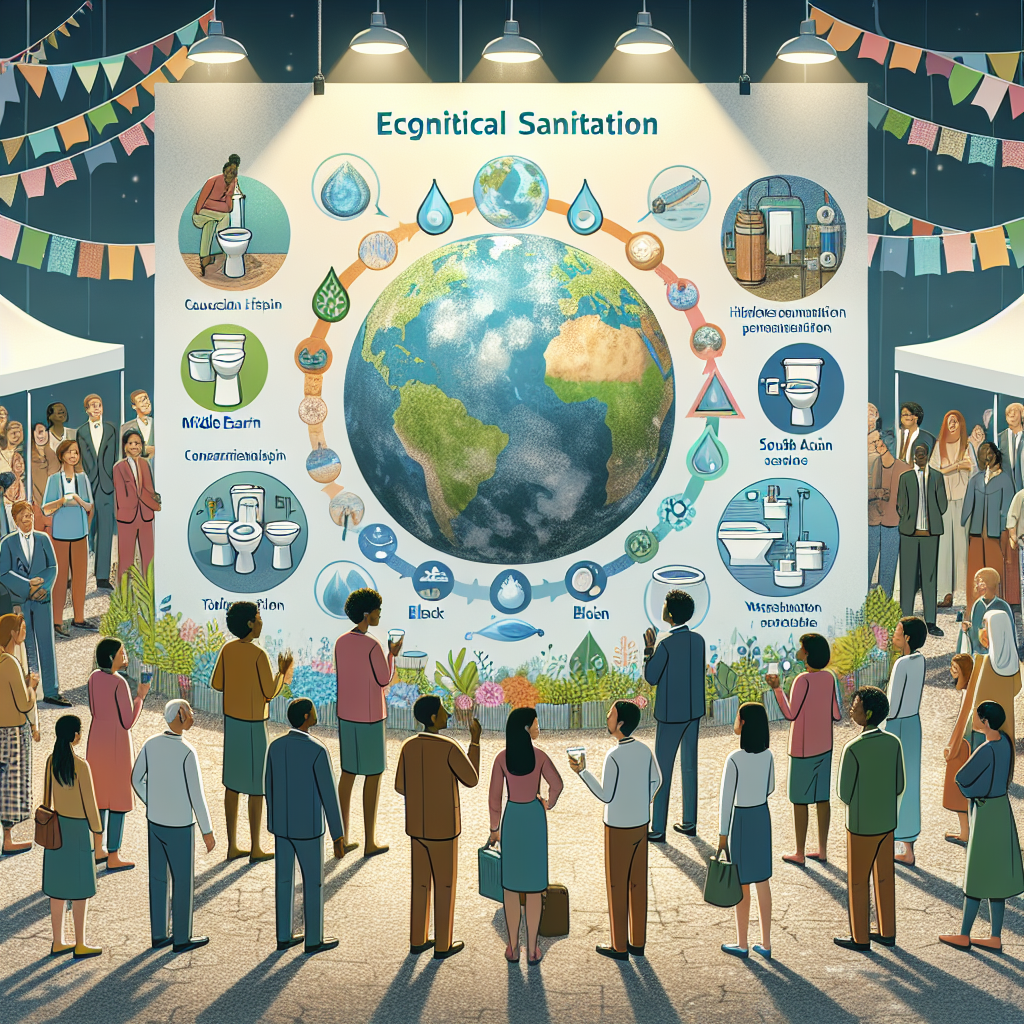
Ecological sanitation (EcoSan) is an innovative approach to sanitation that emphasizes the safe treatment and reuse of human excreta. By closing the loop between sanitation and agriculture, EcoSan aims to transform waste products into valuable resources like fertilizers, thus contributing to sustainable development. As crucial as EcoSan is, wider adoption remains a significant challenge. This is where the media comes in. Leveraging various forms of media can effectively promote and educate the public about EcoSan principles and concepts.
Introduction
The advent of ecological sanitation (EcoSan) presents an innovative alternative to traditional sanitation techniques, reshaping the future of waste management and resource recovery. EcoSan is not merely about disposing of human waste safely but also focuses on recycling nutrients to benefit the environment and agriculture. Innovations like urine-diverting toilets and composting latrines exemplify how human excreta can be transformed from waste into valuable resources. However, while the benefits of EcoSan are numerous, the widespread adoption of these principles is still in its nascent stages. One effective potential tool in overcoming this hurdle is media – the lifeline of modern communication. Utilizing the power of media can inform, educate, and engage communities, triggering a change in sanitation practices towards more sustainable solutions.
The role of media in public education cannot be overstated. From television programs to social media platforms, different segments of the population can be reached with tailored messages about EcoSan. Media campaigns can clarify misconceptions, share success stories, and educate the public about the ecological and economic benefits of adopting EcoSan solutions. Therefore, harnessing the power of media is an indispensable strategy for widespread EcoSan adoption, making it essential to understand how best to utilize various media forms in this context.
Understanding EcoSan Principles
EcoSan is built on several core principles that distinguish it from conventional sanitation methods. First, it aims to safely contain and treat human excreta, preventing it from contaminating the environment. This aligns with public health goals of reducing disease transmission routes. Second, EcoSan focuses on resource recovery – transforming waste into value. Urine and feces, when appropriately processed, can be valuable fertilizers, contributing to soil health and productivity. This aligns with the principles of the circular economy, where waste is minimized, and resources are continually repurposed.
Third, EcoSan advocates for decentralized solutions, empowering local communities to manage their waste sustainably. This involves using local materials, knowledge, and labor, fostering ownership and sustainability. Finally, it promotes cultural acceptance through the design of context-appropriate sanitation solutions. These principles set EcoSan apart, making it a comprehensive and transformative approach to sanitation. However, realizing these benefits requires effective communication to break down cultural resistances and promote understanding.
The Role of Traditional Media
Traditional media, such as television, radio, and print, play a crucial role in reaching wide audiences. These platforms have historically been effective in public health campaigns and can be instrumental in promoting EcoSan. Television documentaries and news segments can showcase successful EcoSan projects, demonstrating how these systems operate and their benefits. Highlighting stories from different regions can illustrate the adaptability and success of EcoSan in diverse contexts.
Radio remains a vital medium, particularly in rural areas with limited access to television and internet services. Radio programs can feature experts discussing EcoSan principles, answering listener questions, and sharing practical advice on implementing EcoSan solutions. Print media, such as newspapers and magazines, can publish articles, case studies, and opinion pieces that delve into various aspects of EcoSan, from technological innovations to policy implications. Traditional media can thus bridge the information gap, making insights about EcoSan accessible to a broad audience.

The Influence of Social Media
Social media platforms have revolutionized the way information is disseminated and consumed. They offer unparalleled opportunities to engage with audiences in real time, respond to queries, and create interactive content. Platforms like Facebook, Instagram, and Twitter are ideal for launching EcoSan awareness campaigns. Short, engaging videos can demonstrate the construction and use of EcoSan toilets, while infographics can simplify complex concepts and statistics.
Hashtags such as #EcoSan or #SustainableSanitation can help create a community of interested individuals and organizations, facilitating information exchange and collective action. Bloggers, influencers, and content creators can be engaged to produce relatable content, such as personal stories or DIY tutorials on setting up EcoSan systems. These peer-to-peer endorsements can significantly influence public perception and acceptance, fostering a community-driven approach to eco-friendly sanitation practices.
The Importance of Educational Content
Educational content forms the backbone of effective EcoSan promotion. Detailed guides, tutorials, and explainer videos can demystify the principles of EcoSan, making it easier for individuals and communities to understand and implement them. Collaboration with educational institutions and development organizations can lead to the production of comprehensive curricula that incorporate EcoSan principles, targeting students and young professionals.
Online courses or workshops can also be developed to provide in-depth knowledge and practical skills for constructing and maintaining EcoSan systems. These can be supplemented with downloadable resources, such as construction blueprints, maintenance checklists, and case study compilations. Providing easy access to high-quality educational content ensures that those interested in EcoSan have the necessary tools and knowledge to carry out successful projects, thereby spreading the principles further.
Leveraging Local Media and Community Engagement
While global platforms are important, local media and community engagement are equally crucial in promoting EcoSan. Local newspapers, radio stations, and community bulletin boards can disseminate information tailored to specific regions and cultural contexts. Interactive methods such as community workshops and town meetings can be used to educate residents about EcoSan, addressing any concerns or misconceptions they may have.
Involving local leaders and influencers can also enhance credibility and acceptance, as they often hold significant sway in their communities. Success stories from local EcoSan projects can be highlighted to demonstrate feasibility and benefits, fostering a sense of ownership and pride. Creating participatory spaces where community members can share their experiences and solutions can further strengthen the promotion and adoption of EcoSan principles at the grassroots level.
Measuring Impact and Adapting Strategies
To ensure the effectiveness of media campaigns promoting EcoSan, it is essential to measure their impact and adapt strategies accordingly. Metrics such as engagement rates, reach, and feedback can provide valuable insights into how well messages are being received and understood. Surveys and interviews can gather qualitative data on community attitudes and knowledge levels before and after campaigns.
Analyzing this data allows for the refinement of messages and methods, making future campaigns more targeted and effective. Additionally, it is important to remain adaptable, embracing new technologies and platforms as they emerge. Virtual reality, augmented reality, and mobile apps, for instance, offer innovative ways to engage and educate diverse audiences. Maintaining a dynamic approach ensures that EcoSan promotion remains relevant and impactful, driving continued progress toward sustainable sanitation solutions.
In conclusion, the potential of media to promote EcoSan principles and concepts is vast. By leveraging traditional and social media, producing educational content, engaging local communities, and constantly refining strategies, we can elevate EcoSan from a niche practice to a widely-adopted solution. Through these efforts, we can move closer to achieving sustainable sanitation for all, aligning with broader environmental and development goals. Embracing the power of media is thus not just a strategy but a necessity in the journey towards a more sustainable and equitable future.