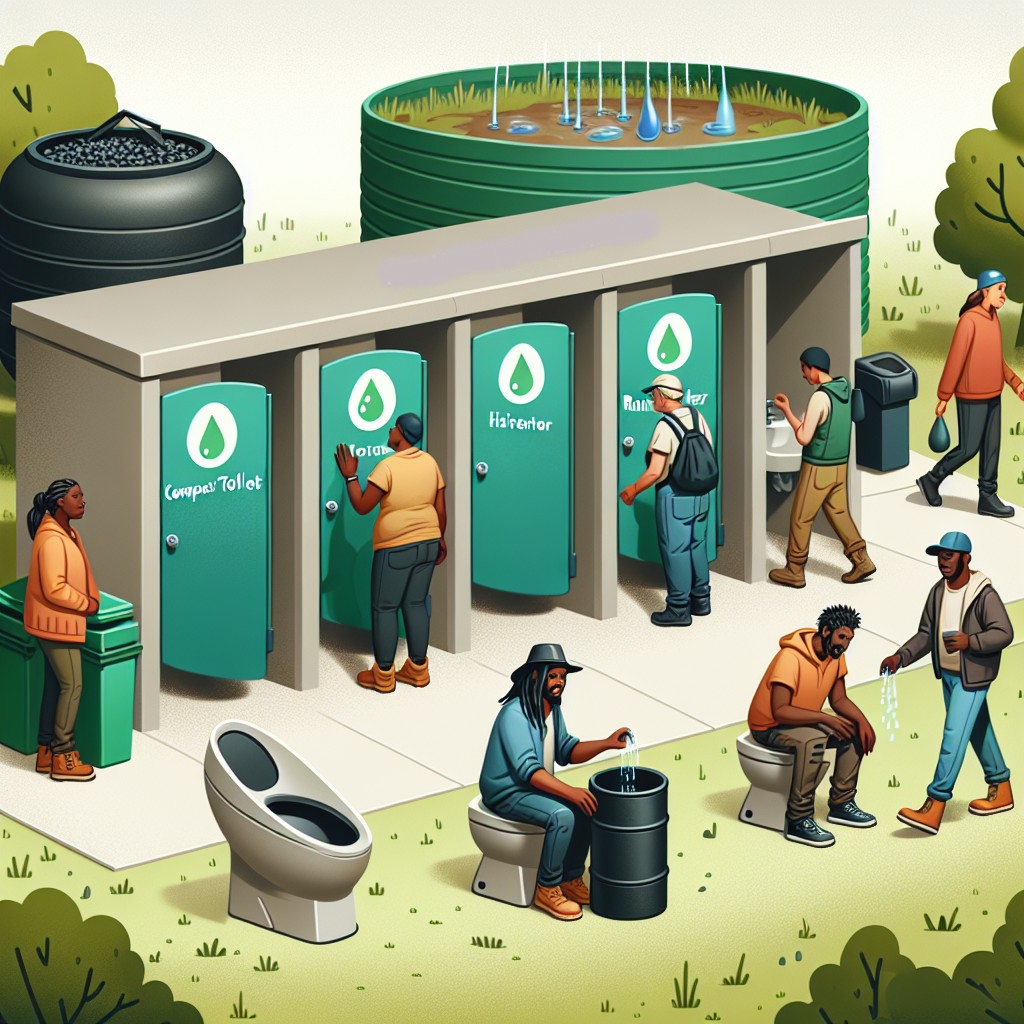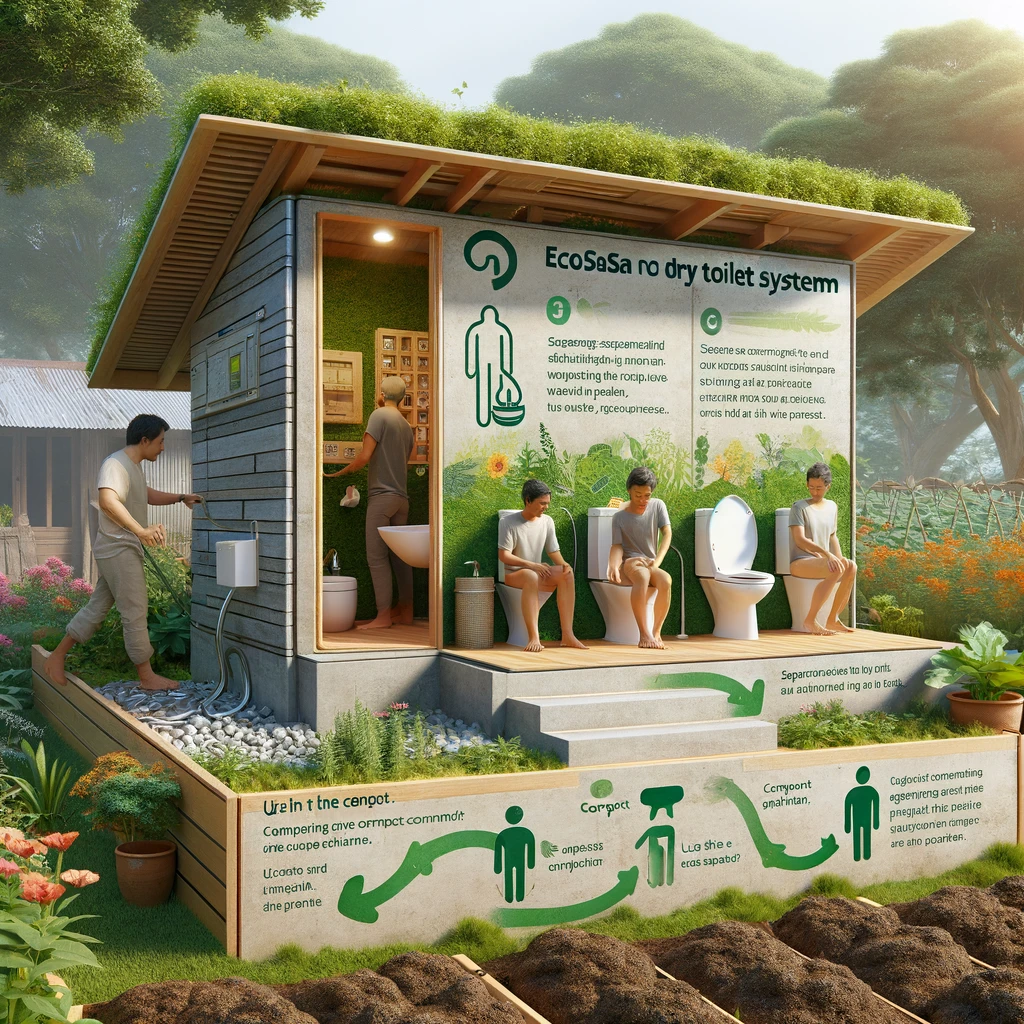
Ecological sanitation (EcoSan) is an innovative approach to sanitation that sees human excreta and wastewater not as waste to be disposed of, but as resources to be recycled and reused. This concept is part of a broader movement towards sustainability in sanitation, which aims to protect human health, preserve the environment, and conserve resources. EcoSan encompasses a range of practices, but dry toilets, particularly urine-diverting dry toilets (UDDTs), are among its most notable technologies due to their effectiveness in resource recovery and waste reduction.
What is Ecological Sanitation?
Ecological Sanitation is defined by its goal to safely recycle nutrients from human and animal wastes back into the environment, particularly in agriculture. It’s a philosophy geared towards “closing the loop” of nutrient cycles by minimizing the use of non-renewable resources and reducing pollution. EcoSan aims to be economically viable, socially acceptable, technically and institutionally appropriate, while protecting the environment and conserving natural resources.
Principles of EcoSan
- Prevention over Disposal: Unlike conventional sanitation systems that focus on end-of-pipe solutions—whereby waste is treated and disposed—EcoSan emphasizes preventing pollution at the source and managing waste as a resource.
- Resource Recovery: Essential to EcoSan is the recovery of nutrients, such as nitrogen and phosphorus, which are prevalent in human urine and are valuable for agricultural use. This recovery supports the notion of sustainability by reducing the need for chemical fertilizers, which are energy-intensive and contribute to environmental degradation.
- Health and Hygiene: Ensuring pathogen destruction and maintaining hygiene standards are crucial. EcoSan systems must effectively separate and treat waste to prevent disease transmission, a fundamental aspect underscored by the WHO’s multiple barrier guidelines for safe reuse.
- Local Suitability: Solutions must be tailored to local conditions, resources, and cultural norms. This adaptability makes EcoSan a flexible approach, capable of being implemented in various settings, from rural to urban.
Dry Toilets: A Closer Look
Dry toilets, especially UDDTs, play a pivotal role in the EcoSan framework. These toilets operate without water, diverting urine and feces into separate compartments to facilitate treatment and safe reuse. The benefits of using dry toilets include:
- Water Conservation: They do not require water for flushing, which significantly reduces water usage—a crucial advantage in water-scarce areas.
- Nutrient Recovery: Separated urine can be treated and used as a liquid fertilizer, offering a sustainable alternative to synthetic options.
- Reduced Pollution: By preventing human waste from contaminating water bodies, dry toilets help reduce environmental pollution.
Challenges and Opportunities
Despite its advantages, EcoSan faces several challenges. User acceptance is vital; misconceptions and cultural preferences can affect the adoption of dry toilets. Financial sustainability is also critical, as initial costs for setting up EcoSan systems can be higher than conventional systems. However, long-term maintenance and operational costs are generally lower.
Education plays a crucial role in overcoming these challenges. Increased awareness and understanding of EcoSan can change public perceptions and behaviors, leading to broader acceptance and implementation. Educational programs that focus on sustainable sanitation are essential for fostering knowledgeable professionals who can innovate and manage these systems effectively.
The integration of dry toilets within the EcoSan framework offers a promising solution to many of the world’s sanitation challenges. By rethinking waste as a resource, this approach not only contributes to environmental sustainability but also offers practical benefits in terms of resource recovery and water conservation. As global awareness and education on ecological sanitation continue to grow, so too will the opportunities for implementing these sustainable systems more broadly.

EcoSan in Practice: Global Examples and Educational Impact
Global Examples of EcoSan
The practice of ecological sanitation has been implemented in various forms around the world, demonstrating its adaptability and potential for widespread use. For instance, in Sweden, the city of Stockholm has integrated EcoSan principles extensively in its urban planning, utilizing urine-diverting dry toilets in public spaces and residential areas to conserve water and recycle nutrients efficiently. Similarly, in rural parts of India, EcoSan projects have provided sustainable sanitation solutions that also support agriculture, turning waste into a resource for farmers who need fertilizer.
These examples underscore the flexibility of EcoSan systems. They can be designed to fit different scales—from individual households to community-wide systems—and can be adapted to suit different geographic, economic, and social contexts. Such diversity in application highlights EcoSan’s potential to contribute to global sanitation solutions, especially in regions suffering from water scarcity and inadequate sanitation infrastructure.
Education and Capacity Building
Education is a critical component in the successful implementation and sustainability of EcoSan systems. Various educational programs across the globe focus on raising awareness and understanding of ecological sanitation principles. For example, the UNESCO-IHP’s efforts in capacity building for ecological sanitation provide comprehensive educational tools and suggest revised teaching plans tailored to different regions and professional fields. These educational initiatives are crucial for training the next generation of environmental engineers, policymakers, and sanitation professionals.
Universities and technical schools in Europe have integrated EcoSan concepts into their curricula, reflecting a growing recognition of the importance of sustainable sanitation. These programs often include practical training and research opportunities, which are essential for students to gain hands-on experience with EcoSan technologies and strategies.
The Role of Non-Governmental Organizations (NGOs)
NGOs play a pivotal role in the promotion and implementation of EcoSan by conducting workshops, developing pilot projects, and providing technical support in underserved communities. Organizations like the Sustainable Sanitation Alliance and the Gates Foundation have been instrumental in funding research and deployment of EcoSan systems, particularly in developing countries where conventional sanitation infrastructure may be lacking or ineffective.
These efforts are often coupled with community engagement initiatives to ensure that local populations understand the benefits of EcoSan and are actively involved in the maintenance and operation of the systems. This community involvement is key to achieving long-term sustainability and acceptance of EcoSan solutions.
Conclusion
Ecological sanitation represents a paradigm shift in how we view and manage waste. By focusing on the recovery and reuse of resources, EcoSan can provide sustainable, healthful, and economically viable sanitation solutions that benefit individuals, communities, and the environment. The continued expansion of educational programs and the active involvement of NGOs are vital for promoting EcoSan globally and for realizing its potential as a mainstream solution to sanitation challenges.
The future of EcoSan looks promising as more regions recognize its benefits and integrate its principles into their sanitation strategies. With ongoing research, education, and community involvement, ecological sanitation can make a significant contribution to global sustainability goals, improving quality of life and environmental health worldwide.
References
- Ecological Sanitation and Sustainable Nutrient Recovery Education. MDPI. Available at: www.mdpi.com
- Ecological sanitation. Wikipedia. Available at: en.wikipedia.org
- Capacity Building for Ecological Sanitation. IRC. Available at: www.ircwash.org
- Ecological Sanitation. Environment & Urbanization. Available at: www.environmentandurbanization.org