

Water scarcity is a pressing issue that affects millions of people worldwide. As we face more frequent periods of drought and an increasing global population, finding sustainable water management practices is more critical than ever. One such practice is rainwater harvesting, a method of collecting and storing rainwater for reuse. This technique can be seamlessly integrated into Ecological Sanitation (EcoSan) systems to create a more sustainable and efficient way to manage water resources.
Ecological Sanitation (EcoSan) is an innovative approach to sanitation that focuses on the safe reuse of nutrients, organics, trace elements, water, and energy contained in excreta and wastewater. Its principles revolve around closing the loop between sanitation and agriculture, essentially turning waste into resources. The integration of rainwater harvesting into EcoSan systems presents a unique opportunity to address water scarcity and improve sanitation simultaneously.
In this comprehensive article, we will delve deep into the principles and concepts of rainwater harvesting and its integration into EcoSan systems. We will explore the benefits, methods, and applications of this holistic approach, highlighting how it can contribute to sustainable water management and sanitation solutions.
The Basics of Rainwater Harvesting
Rainwater harvesting involves the collection and storage of rainwater for later use. Traditionally, this practice has been employed in various forms for centuries, particularly in arid and semi-arid regions. Modern rainwater harvesting systems can range from simple barrel collections to more sophisticated setups involving underground tanks and filtering systems.
At its core, rainwater harvesting consists of three main components: the catchment area, the conveyance system, and the storage facility. The catchment area is typically a roof or another surface where rainwater can be collected. The conveyance system includes gutters and downspouts that direct the collected rainwater to the storage facility, which can be a tank or a cistern.
One of the primary advantages of rainwater harvesting is its ability to provide a decentralized water supply. This reduces the reliance on municipal water systems, which can be prone to shortages and contamination. By capturing and storing rainwater, households and communities can have a more resilient and self-sufficient water supply, particularly during dry periods.
Furthermore, rainwater harvesting can contribute to reducing stormwater runoff, which can alleviate local flooding and minimize erosion. The captured rainwater can be used for various non-potable purposes, such as irrigation, toilet flushing, and cleaning, thereby reducing the demand for treated potable water.
EcoSan Principles and Concepts
Ecological Sanitation, or EcoSan, is built on the principle of closing the loop in sanitation systems. Instead of viewing excreta and wastewater as waste products that need to be disposed of, EcoSan considers them as valuable resources that can be safely and effectively reused.
The EcoSan approach hinges on three fundamental principles:
- Diversion: Separating urine and feces at the source to facilitate their separate collection and treatment.
- Containment: Ensuring excreta and wastewater are stored or treated in a way that prevents environmental contamination and safeguards public health.
- Reuse: Treating and converting excreta and wastewater into valuable products, such as fertilizers, soil conditioners, and treated water for irrigation.
By adhering to these principles, EcoSan systems can minimize environmental pollution, conserve water, and enhance soil fertility. The nutrient-rich urine can be diluted and used as a liquid fertilizer, while properly treated feces can be composted and applied to improve soil structure and fertility.
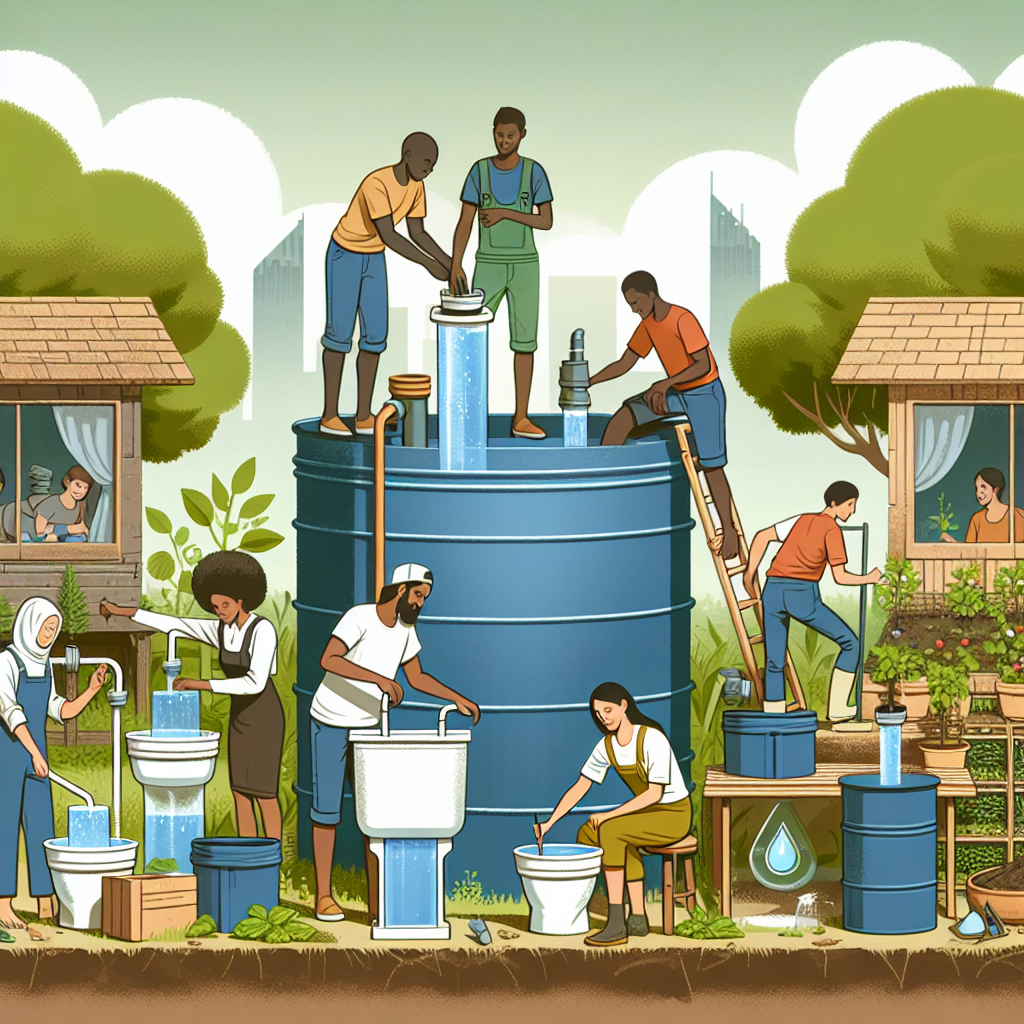
Integrating rainwater harvesting into EcoSan systems can enhance the effectiveness of these principles. The harvested rainwater can be used for flushing dry toilets, cleaning equipment, and even diluting urine for use as fertilizer. This integration promotes a more holistic and sustainable approach to water and sanitation management.
Integrating Rainwater Harvesting in EcoSan
The integration of rainwater harvesting into EcoSan systems offers several benefits, both in terms of water conservation and enhanced sanitation. Let’s explore some of the ways this integration can be achieved and the potential advantages it can bring.
1. Water Supply for Sanitation: Harvested rainwater can be used to supply water for sanitation purposes, such as flushing toilets or cleaning urinals. This reduces the demand for potable water, ensuring that valuable drinking water is conserved for essential uses.
2. Irrigation: Captured rainwater can be utilized for irrigation purposes, particularly in areas with limited water resources. The nutrient-rich components of EcoSan systems, such as diluted urine, can be mixed with the harvested rainwater to create a powerful fertilizer solution for crops.
3. Soil Moisture Improvement: The practice of combining rainwater harvesting with EcoSan can enhance soil moisture retention. When treated EcoSan products are applied to fields and gardens, they improve soil structure, enabling better water infiltration and retention, which is crucial for plant growth.
4. Stormwater Management: Integrating rainwater harvesting with EcoSan helps manage stormwater runoff more effectively. The captured rainwater can be stored and gradually released, mitigating the impact of heavy rains and reducing the risk of flooding and erosion.
5. Decentralized Systems: Both rainwater harvesting and EcoSan promote decentralized water and sanitation solutions. This reduces the strain on municipal infrastructure, especially in areas with water scarcity or inadequate sanitation services.
Implementation Strategies
Successful integration of rainwater harvesting in EcoSan systems requires careful planning and implementation. The following strategies can help ensure a seamless and effective integration:
1. Site Assessment and Design: Conduct a thorough site assessment to determine the feasibility of rainwater harvesting and EcoSan integration. Design the system to optimize water collection, storage, and treatment processes, considering factors such as roof area, rainfall patterns, and available space.
2. Storage Solutions: Select appropriate storage solutions for the harvested rainwater, taking into account the volume of water to be collected and the intended use. Options include above-ground tanks, underground cisterns, and even ponds.
3. Filtration and Treatment: Implement filtration and treatment systems to ensure the collected rainwater is safe for its intended uses. Depending on the application, this may include basic filtering for non-potable uses or advanced treatment for potable water requirements.
4. Integration with EcoSan Components: Design the system to facilitate the integration of harvested rainwater with EcoSan components. For example, ensure that the rainwater supply can be easily connected to flush toilets or irrigation systems using EcoSan-treated products.
5. User Education and Training: Educate and train users on the proper operation and maintenance of the integrated system. This includes guidelines on safe handling of EcoSan-treated products, regular cleaning of gutters and tanks, and efficient use of harvested rainwater.
Case Studies and Real-World Examples
To illustrate the practical benefits and effectiveness of integrating rainwater harvesting into EcoSan systems, let’s explore a couple of case studies:
1. The Orangi Pilot Project, Pakistan: The Orangi Pilot Project, initiated in the 1980s, is a renowned example of community-led infrastructure development. In highly water-stressed urban areas of Karachi, Pakistan, rainwater harvesting and EcoSan principles were combined to provide sustainable water and sanitation solutions. The project involved the construction of local, low-cost sanitation systems that utilized rainwater for flushing and cleaning. This integration not only improved access to water and sanitation but also demonstrated the potential for community-driven sustainable development.
2. DEWATS Systems in South Africa: In South Africa, Decentralized Wastewater Treatment Systems (DEWATS) have been implemented to address water and sanitation challenges in rural and peri-urban areas. Many DEWATS setups incorporate rainwater harvesting to reduce water consumption and enhance the efficiency of the treatment process. By combining these systems with EcoSan principles, communities have achieved both improved sanitation and water reuse for agricultural purposes, contributing to food security and environmental sustainability.
Conclusion
Rainwater harvesting and its integration with Ecological Sanitation (EcoSan) systems offer a powerful solution to tackle water scarcity and improve sanitation globally. By capturing and utilizing rainwater, we can reduce our reliance on traditional water sources and ensure a more resilient and sustainable water supply. Furthermore, the principles of EcoSan promote the safe and efficient reuse of excreta and wastewater, transforming waste into valuable resources.
The integration of rainwater harvesting into EcoSan systems provides a holistic approach to water and sanitation management, enhancing the effectiveness of both practices. From reducing stormwater runoff to providing decentralized water supplies and improving soil fertility, the benefits are far-reaching and impactful.
As we move forward in addressing the challenges of water scarcity and inadequate sanitation, it is essential to embrace innovative and sustainable solutions like the integration of rainwater harvesting into EcoSan systems. By doing so, we can create healthier, more resilient communities and contribute to a more sustainable and environmentally conscious world.


