In the dynamic field of ecological sanitation (EcoSan), composting toilets represent a sustainable solution that challenges traditional waste management systems. The growing interest in these systems stems from their potential to convert human waste into valuable compost, thus closing the loop in nutrient cycles and reducing the environmental footprint. As societies worldwide strive for more sustainable living practices, composting toilets offer an intriguing, practical solution that can be implemented in diverse settings—from remote rural areas to bustling urban environments. This article explores several successful global implementations of composting toilets, examining the technologies and methods used, the challenges faced, and the outcomes achieved.
Technologies and Methods of Composting Toilets
Understanding the Basics
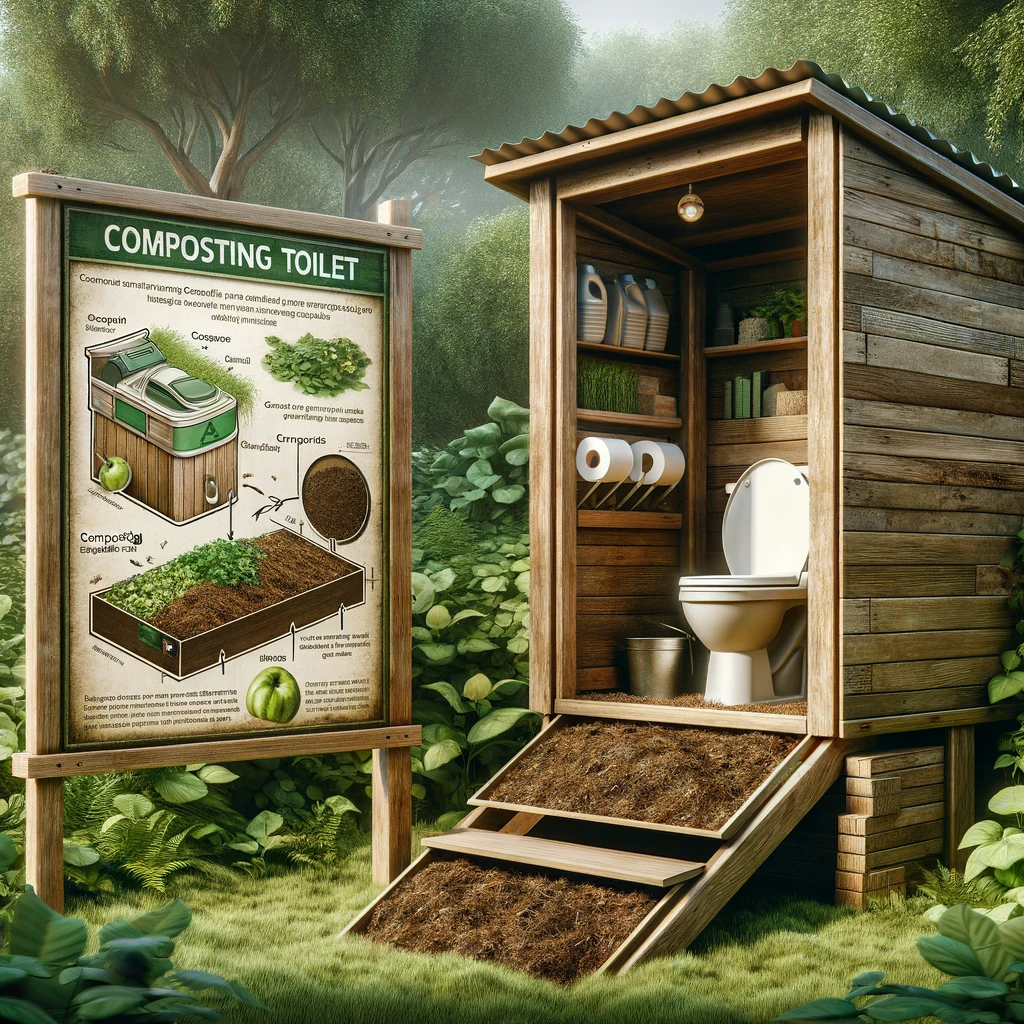
Composting toilets are designed to decompose human excreta into compost through a natural process involving microorganisms such as bacteria and fungi. Unlike conventional toilets, they do not require water for flushing and are capable of operating independently of sewer systems. The core technology of a composting toilet is its containment and composting chamber, where waste is collected and gradually transformed into humus by aerobic decomposition.
Key Features
The design of composting toilets varies widely, but most share several key features:
- Ventilation systems to aid in the aerobic breakdown of waste and to mitigate odors.
- Leachate management systems to handle any liquid runoff, ensuring it does not contaminate the environment.
- Access hatches for adding carbonrich materials, like sawdust or coconut coir, which help balance nitrogen levels and improve the composting process.
Success Stories Around the Globe
Sweden’s Trailblazing Municipal Program
In Sweden, a country renowned for its commitment to sustainability, the city of Växjö stands out for integrating composting toilets into its public parks and nature reserves. Starting in the early 2000s, Växjö municipal authorities embarked on a program to install these toilets to reduce water usage and protect local waterways from nutrient runoff. The city used locally manufactured, high-efficiency composting toilets designed to handle a high flow of visitors during peak times. Over the years, the success of these installations has encouraged other municipalities to follow suit, demonstrating a scalable model of EcoSan in urban public spaces.
The New Zealand Eco-Village Initiative
In New Zealand, a country with vast rural landscapes and a strong indigenous connection to land stewardship, the small town of Earthsong pioneered an eco-village where composting toilets are mandatory for all residences. The community opted for self-contained units in each household, reducing the need for centralized waste treatment. This initiative not only minimized water and sewer infrastructure costs but also fostered community engagement and responsibility towards waste management. The compost produced is used to enrich the community gardens, providing organic produce to residents and strengthening food security.
Rural Outreach in India
In India’s Gujarat state, a notable project in rural areas aimed to overcome the challenges posed by limited sanitation infrastructure. The project, supported by local government and non-governmental organizations, introduced composting toilets to a cluster of villages lacking access to reliable water sources. By employing simple, low-cost composting toilets, the community managed to substantially reduce open defecation and the attendant health risks. This intervention also promoted awareness of sanitation issues and established a model for neighboring regions grappling with similar challenges.
Assessing the Impact
These diverse examples reveal that the successful implementation of composting toilets can have far-reaching effects on local ecosystems, public health, and community well-being. The adaptability of technology to different cultural and environmental contexts highlights its potential as a tool for global sustainable development. Yet, integrating such systems on a wider scale involves considering sociocultural dynamics and economic factors to ensure the longevity and effectiveness of ecological sanitation solutions.
San Francisco’s Public Park Initiative
San Francisco, renowned for its progressive environmental policies, has incorporated composting toilets into its public parks and recreational areas as part of its broader sustainability program. The city introduced these facilities primarily in Golden Gate Park, one of the largest urban parks in the United States. Here, the composting toilets have been particularly effective in managing the large volume of visitors, especially during major events like music festivals and public celebrations. An added benefit has been a significant decrease in the use of chemical portable toilets, which are less eco-friendly. San Francisco’s approach not only conserves water but also serves as an educational platform to raise environmental awareness among citizens.

Revitalization of Detroit with Eco-Sanitary Solutions
In Detroit, a city undergoing a major socio-economic transformation, the introduction of composting toilets is part of a broader initiative to revitalize urban spaces with sustainable technologies. Several abandoned areas have been converted into community gardens and green spaces, where composting toilets serve not only as practical solutions for sanitation but also contribute directly to the composting process that supports urban agriculture. This dual-purpose application highlights the role of composting toilets in not only addressing basic sanitation needs but also in enhancing urban farming efforts, which are key to the city’s community-centric redevelopment plans.
Challenges and Adaptations in New York City
Implementing composting toilets in New York City posed distinct challenges due to its dense population and complex building codes. However, several high-profile pilot projects have successfully demonstrated their viability. One notable example is situated in a popular tourist area of Central Park, where designers overcame spatial and regulatory challenges by incorporating cutting-edge, compact composting technologies that fit well within the park’s historic aesthetic.
These pilot installations are closely monitored for performance and public acceptance, with the results intended to guide future expansions, potentially influencing policy changes to accommodate similar systems in other parts of the city. These urban examples from the United States provide valuable insights into the adaptability of composting toilet systems within different socio-economic contexts and their potential to contribute positively to local environments and communities. Each case reflects the critical importance of integrating technology with thoughtful urban planning and community involvement to achieve sustainable development goals.
Enhancing Community Engagement in Atlanta Through Innovative Sanitation
Atlanta has implemented a unique initiative to integrate composting toilets into its community improvement districts to foster a more engaged and environmentally conscious community. These toilets are installed in strategic public areas such as community centers, neighborhood parks, and along popular urban trails like the Atlanta BeltLine, which loops around the city providing a green pathway for bikers and pedestrians. The city’s approach goes beyond mere installation. Each site is paired with educational kiosks that explain the functionality and environmental benefits of using composting toilets.
This educational component is vital for increasing user comfort and acceptance, which is often a hurdle in the adoption of new technologies. Moreover, Atlanta has capitalized on its strong community bonds by involving local residents in the maintenance and oversight of these facilities, not only to ensure proper use and care but also to foster a sense of ownership and pride within the neighborhoods. These efforts in Atlanta showcase how composting toilets can be more than just a practical solution for public sanitation — they can be a catalyst for community engagement and environmental education.
Conclusion
Atlanta’s innovative approach to integrating composting toilets into the fabric of the community stands as a model of environmental stewardship and civic engagement. By deploying these systems, the city not only addresses the practical aspects of sanitation but also touches upon deeper themes of sustainability and community ownership. The strategic placement of these toilets, coupled with the educational efforts through kiosks, empowers residents with knowledge and encourages a proactive approach to environmental caregiving. This initiative serves as a compelling example of how urban infrastructure can promote ecological awareness while simultaneously enhancing communal bonds.
As residents of Atlanta continue to interact with these facilities and partake in their maintenance, a new culture of shared responsibility and environmental consciousness is emerging. This culture not only enriches the city’s community districts but also sets a benchmark for other cities worldwide to emulate. It demonstrates powerfully that with the right tools and collective will, communities can transform their environments sustainably while fostering a connected and engaged urban populace.
References:
- Jenkins, J. (2005). The Humanure Handbook: A Guide to Composting Human Manure. Grove Press.
- Mihelcic, J. R., & Zimmerman, J. B. (2010). Environmental Engineering: Fundamentals, Sustainability, Design. Wiley.
- Toffler, A. (1990). Eco-Sanity: A Common-Sense Guide to Environmentalism. Adams Press.
- Winblad, U., & Simpson-Hébert, M. (2004). Ecological Sanitation. Stockholm Environment Institute.
- Crane, R., & Matthews, P. (2008). “Decentralized approaches to wastewater treatment and management: Applicability in developing countries.” Journal of Environmental Management, 88(4), 658-674.
- Walters, C. (2012). “Comparative study on the microbial communities in composting toilets: Implications for nutrient cycling and sanitation.” Waste Management, 32(5), 937-945.
- United Nations Environment Programme (UNEP). (2019). Guidelines for the Safe Use of Wastewater, Excreta and Greywater. United Nations Publications.