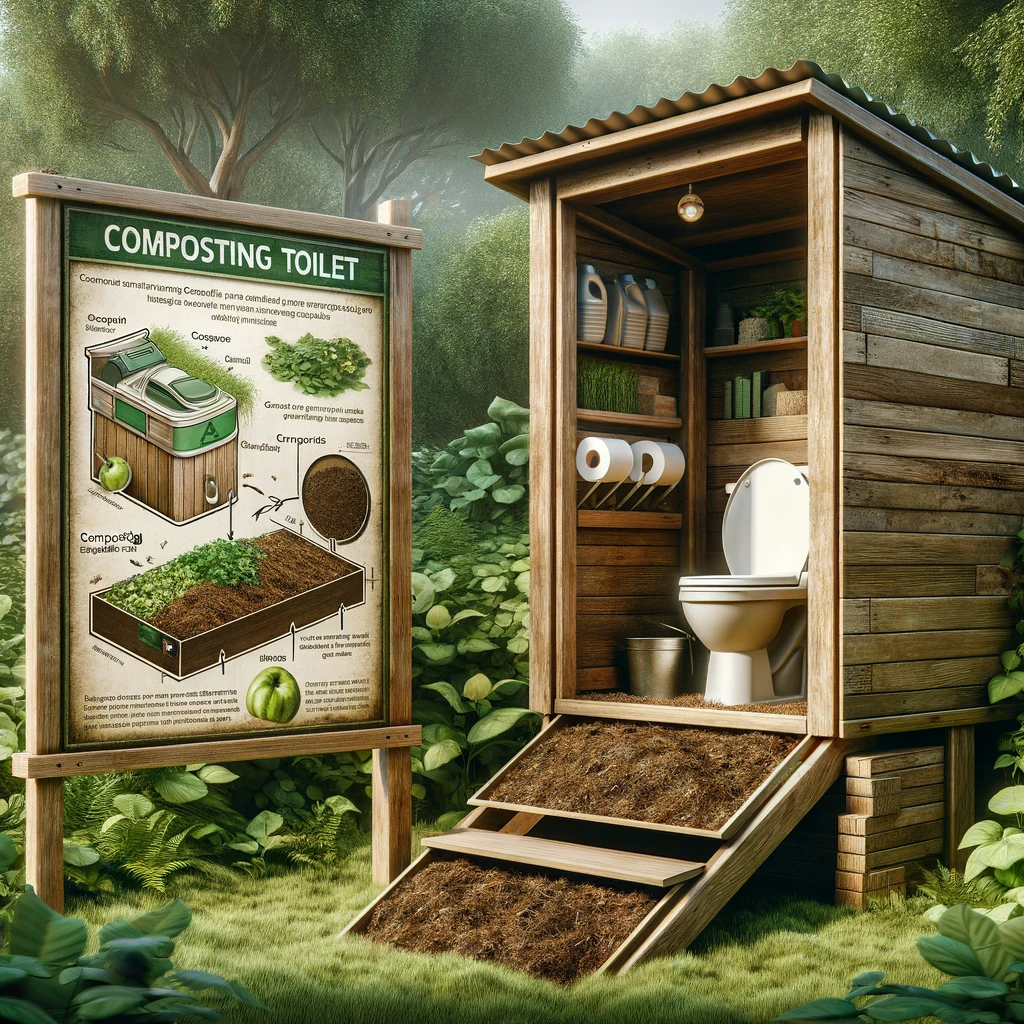
Ecological sanitation, or EcoSan, is a sustainable approach to sanitation that seeks to close the nutrient and water cycles safely while preserving human health. Unlike conventional sanitation systems that often contaminate water bodies and waste valuable resources, EcoSan systems recycle human waste into valuable resources such as fertilizers and even energy sources. Community involvement is key to the success of these systems, as it ensures that sanitation solutions are locally appropriate and culturally acceptable. The current environmental crisis and increasing water scarcity make it imperative to rethink our approach to sanitation. Traditional sewage systems not only waste large amounts of water but also contribute to the pollution of natural water bodies. In contrast, EcoSan systems treat human waste at its source and convert it into resource-rich products, dramatically reducing both the volume of waste and its adverse environmental impacts. These systems include composting toilets, urine-diverting toilets, biogas digesters, and other innovative technologies designed to process waste in an eco-friendly manner.
The objective of EcoSan is to manage human waste in a way that supports the health of both people and the environment. Effective EcoSan methods are not just about technology; they are also about engaging communities in sanitation practices that they understand, accept, and maintain. This article explores various EcoSan methods and provides a roadmap for community engagement to ensure the successful implementation of these sustainable sanitation systems.
Importance of Community Cooperation
Community engagement is the cornerstone of successful EcoSan implementation. When communities are actively involved in the planning, execution, and maintenance of EcoSan projects, these systems are more likely to be sustainable in the long run. This involvement fosters a sense of ownership, making people more likely to use and take care of the systems. Conversely, top-down approaches where systems are imposed without adequate community input often fail to be effective or sustainable.
Community cooperation starts with education and awareness. Workshops, seminars, and public meetings can be used to educate community members about the benefits of EcoSan and how these systems work. By explaining the environmental and health advantages of EcoSan, people become more receptive and supportive of new sanitation methods.
Implementing a pilot project is another effective way to engage the public. By starting small and demonstrating the advantages of EcoSan on a manageable scale, communities can see firsthand the benefits of these systems. Successful pilot projects can serve as powerful examples and encourage broader adoption.
Finally, involving local leaders and influencers can help gain community buy-in. When respected figures endorse EcoSan methods, it lends credibility to the initiative and can persuade others to follow suit. Community cooperation is not merely desirable but essential for the creation of effective and sustainable EcoSan systems.
User-Centric Design
The design of EcoSan systems should always prioritize the needs and preferences of the users. This isn’t just about efficiency and feasibility; it’s about creating sanitation solutions that are culturally appropriate and easy to use. Feedback from the community should guide the design process to ensure that the systems are well-received and used consistently.
One aspect of user-centric design is ensuring that the physical layout and operation of EcoSan facilities are user-friendly. For instance, composting toilets should be designed to be as similar to conventional toilets as possible to reduce the learning curve and encourage use. Instructions should be clear and available in local languages to ensure that everyone understands how to use the systems correctly.
Hygiene is another critical factor. Users are more likely to adopt EcoSan methods if they perceive them as clean and hygienic. This requires ongoing maintenance and cleaning, which should be factored into the design and operation plans. Providing cleaning supplies and involving the community in routine maintenance tasks can help maintain hygiene standards.
Privacy and security are also essential. Safe, well-lit, and private facilities are crucial to encourage use, particularly among women and children. Ensuring that EcoSan systems meet these needs can significantly improve their acceptance and success rates.

Economic Benefits
EcoSan methods offer numerous economic benefits, making them not only environmentally sustainable but also financially attractive. By transforming waste into resources, EcoSan can turn sanitation from a cost into an opportunity for economic development.
One of the most immediate economic benefits is the reduction in dependency on chemical fertilizers. Human waste, when treated and composted correctly, can create high-quality, nutrient-rich compost that can be used in agriculture. This not only saves money but also promotes organic farming, leading to healthier, more sustainable food production.
Another potential economic benefit is the generation of biogas from human waste. Biogas can be used for cooking, heating, and even generating electricity, providing a renewable energy source and reducing household energy costs. This is particularly beneficial in rural areas where access to conventional energy sources may be limited.
Moreover, EcoSan projects create job opportunities in sanitation management, maintenance, and resource recovery. These new job roles can stimulate local economies and provide livelihoods for community members.
Getting the community to understand and value these economic benefits can be a powerful motivator for EcoSan adoption. When people see the financial advantages, they are more likely to invest time and effort into maintaining and benefiting from EcoSan systems.
Cultural Sensitivity
To be effective, EcoSan methods must be culturally acceptable. What works in one community may not work in another due to differences in values, traditions, and beliefs. Understanding and respecting these cultural differences is crucial for successful EcoSan implementation.
One way to ensure cultural sensitivity is by involving community members in every stage of the project, from planning to execution. Their input can provide valuable insights into local customs and preferences, helping tailor EcoSan solutions to fit the community’s context.
For example, in some cultures, the handling of human waste is considered taboo, making it challenging to implement certain types of EcoSan systems. In such cases, it might be more effective to focus on less direct methods, such as urine-diverting toilets that reduce contact with waste.
Building partnerships with local organizations can also help navigate cultural complexities. These organizations often have deep roots in the community and can serve as intermediaries, helping to communicate the benefits of EcoSan in a culturally appropriate manner.
Ultimately, the goal is to design and implement EcoSan systems that are not only technically sound and economically viable but also socially and culturally acceptable. This holistic approach ensures the long-term success and sustainability of EcoSan initiatives.
Education and Training
Education and training are pivotal in ensuring the successful implementation and sustainability of EcoSan systems. Without proper understanding and skills, even the most advanced EcoSan technologies can fail to deliver their full potential.
Training programs should be designed to equip community members with the knowledge and skills needed to operate and maintain EcoSan facilities effectively. This includes everything from basic hygiene practices to more advanced techniques like composting and biogas production.
Educational initiatives should also focus on school programs to instill the principles of EcoSan in children from a young age. Schools can serve as platforms for demonstration projects, providing hands-on learning experiences that can be replicated at home.
Regular workshops and refresher courses can help keep community members up-to-date with best practices and new developments in EcoSan technologies. These educational efforts should be ongoing to ensure continuous improvement and adaptation to changing conditions.
Leveraging local knowledge and expertise can enhance the effectiveness of training programs. Community trainers who speak the local language and understand the cultural context can engage participants more effectively than external trainers.
Education and training play a crucial role in transforming community perceptions and practices, making EcoSan systems more acceptable and sustainable in the long run. A well-informed and skilled community is more likely to adopt, maintain, and benefit from EcoSan.
Conclusion
In conclusion, ecological sanitation represents a groundbreaking shift in how we manage human waste, transforming it from a pollutant into valuable resources. However, the success of EcoSan systems hinges on community engagement, user-centric design, economic incentives, cultural sensitivity, and robust education and training programs.
By actively involving the community in every stage of the EcoSan project, from planning to maintenance, we can ensure that these systems are sustainable and well-received. Education and awareness campaigns are essential for building understanding and support, while pilot projects can demonstrate the tangible benefits of EcoSan systems.
Designing EcoSan solutions that prioritize user needs, ensure hygiene, and provide privacy will increase their acceptance and use. Highlighting the economic benefits, such as reduced dependence on chemical fertilizers and the generation of biogas, can further motivate communities to embrace EcoSan methods.
Cultural sensitivity is crucial for ensuring that EcoSan systems are socially acceptable and fit well within the local context. Partnering with local organizations and involving community leaders can help navigate cultural challenges and build local trust and support.
Finally, education and training programs equip community members with the skills and knowledge needed to operate and maintain EcoSan systems effectively. Ongoing educational efforts ensure continuous improvement and adaptation to new developments in EcoSan technologies.
The journey towards sustainable sanitation is a collective effort that requires the active participation and cooperation of all stakeholders. By engaging the public in EcoSan methods, we can create healthier communities and a cleaner environment for future generations.