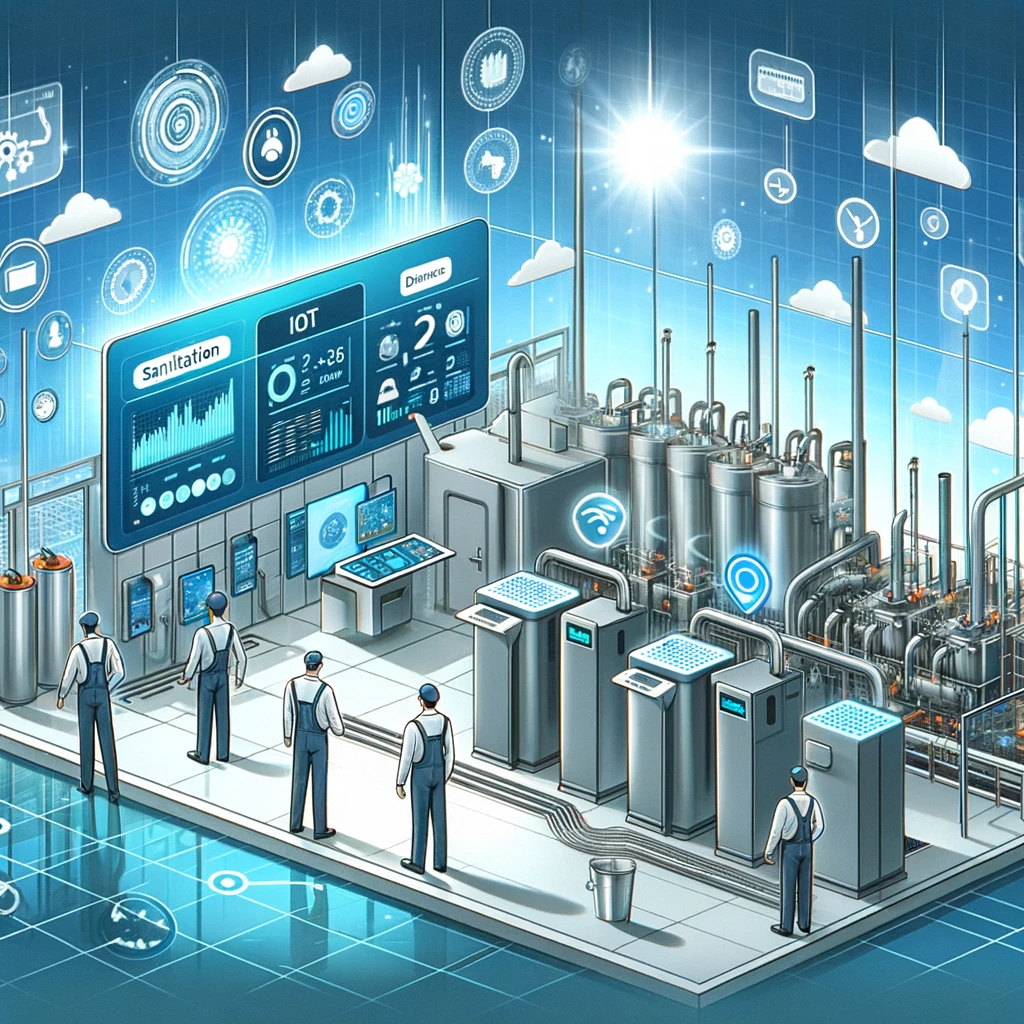
Climate change is an undeniable fact we are grappling with today, and it is influencing every aspect of our lives. Sanitation technologies, crucial for public health and environmental sustainability, are no exception. Traditional sanitation systems, like flush toilets and central sewage, are facing tremendous pressure due to increasing instances of droughts, floods, and other extreme weather events. In this context, Ecological Sanitation, or EcoSan, stands out as an innovative and sustainable alternative that addresses these challenges while promoting health and environment preservation.
Understanding Ecological Sanitation
Ecological Sanitation represents a paradigm shift in the way we approach waste management. At its core, EcoSan promotes the concept of recycling nutrients back into the environment rather than treating human excreta as waste. This closing-the-loop approach mimics natural ecological cycles, turning waste into valuable resources such as fertilizers for agricultural use. In an age where climate change is disrupting traditional sanitation methods, EcoSan offers a resilient, adaptable solution.
EcoSan systems come in various forms, each designed to suit different climatic conditions, cultural contexts, and resource availability. From urine-diverting dry toilets to composting toilets, these systems cater to a variety of needs while minimizing water usage, thus aligning perfectly with the water-scarcity issues exacerbated by climate change. EcoSan not only efficiently manages waste but also offers economic benefits by reducing dependency on synthetic fertilizers and wastewater treatment infrastructure.
The Role of Composting Toilets
Composting toilets are a cornerstone of EcoSan technologies. These systems decompose human waste into safe, nutrient-rich compost through aerobic processes facilitated by microorganisms. In an era of climate change where water conservation is paramount, composting toilets thrive as a sustainable alternative to water-intensive flush systems. By completely eliminating the need for water in the waste treatment process, these systems preserve valuable freshwater resources, which are becoming increasingly scarce.
Furthermore, composting toilets mitigate greenhouse gas emissions associated with traditional sewage treatment. Conventional wastewater treatment plants are significant sources of methane and nitrous oxide emissions—both potent greenhouse gases. In contrast, composting toilets, particularly those managed effectively, can significantly reduce or even eliminate these emissions. Given their low-tech nature, composting toilets also offer an accessible solution for off-grid communities and disaster-prone areas.

Urine-Diverting Dry Toilets (UDDTs)
Urine-Diverting Dry Toilets (UDDTs) represent another innovative EcoSan technology well-suited for the challenges posed by climate change. These toilets separate urine from feces at the source, treating and using each fraction independently. Urine, which contains the bulk of the nutrients, can be stored and used directly as a fertilizer after simple treatment. Feces, on the other hand, are composted or treated to produce safe, pathogen-free material that can also be used as a soil conditioner.
UDDTs’ design significantly reduces the dependence on water, aligns with principles of nutrient recovery, and minimizes environmental pollution. In regions frequently affected by drought or where water infrastructure is unreliable, UDDTs provide a viable, sustainable solution. They not only support agricultural productivity by recycling nutrients but also help communities adapt to the unpredictable impacts of climate change. Furthermore, their design reduces the risks of groundwater contamination common with septic systems in flood-prone areas.
Constructed Wetlands for Wastewater Treatment
Constructed wetlands are an innovative approach to treating wastewater through natural processes. These engineered ecosystems use vegetation, soil, and microbial activity to treat and purify wastewater before it re-enters the environment. In the face of climate change, constructed wetlands offer robust and resilient infrastructure that can withstand extreme weather conditions and fluctuations in water quality and quantity.
One of the significant advantages of constructed wetlands is their ability to integrate seamlessly with natural landscapes, enhancing biodiversity and providing additional ecosystem services such as flood control and carbon sequestration. As climate change exacerbates water scarcity and deteriorates water quality, constructed wetlands present a sustainable, low-energy, and effective solution for managing wastewater, especially in decentralized settings or regions lacking traditional treatment infrastructure.
Biogas Toilets: Turning Waste into Energy
Biogas toilets capture and convert human waste into biogas through anaerobic digestion, providing a renewable energy source while addressing sanitation needs. This technology aligns with the dual objectives of mitigating climate change and enhancing sustainable sanitation systems. By producing biogas, these toilets offer an alternative energy source that can be used for cooking, heating, or generating electricity, reducing reliance on fossil fuels and lowering greenhouse gas emissions.
In regions facing frequent power outages or where conventional energy sources are scarce, biogas toilets provide an invaluable resource. Furthermore, the remaining digestate after biogas production is nutrient-rich and can be used as a fertilizer, closing the loop in waste management while promoting sustainable agricultural practices. This integration of sanitation and energy production exemplifies a holistic approach to addressing the multifaceted impacts of climate change.
Community-Based EcoSan Projects
Successful EcoSan implementation often hinges on community involvement and education. Community-based EcoSan projects empower local populations to manage their waste sustainably, adapt to climate challenges, and improve public health. Engaging communities in the design, implementation, and maintenance of EcoSan systems ensures that solutions are culturally appropriate, economically viable, and widely accepted.
Educational programs are critical to fostering a deep understanding of EcoSan principles and practices. By raising awareness about the environmental and health benefits of EcoSan and providing hands-on training, communities are better equipped to sustain and optimize these systems over the long term. Moreover, community-led EcoSan initiatives can serve as models, inspiring broader adoption and scaling of sustainable sanitation solutions in other areas, thus amplifying the positive impacts.
Conclusion: Embracing EcoSan in the Face of Climate Change
The intersection of climate change and sanitation technologies presents both challenges and opportunities. Traditional sanitation systems are increasingly vulnerable to climate-induced stressors, highlighting the urgent need for resilient, adaptable alternatives. Ecological Sanitation (EcoSan) technologies rise to this challenge, offering sustainable, resource-efficient, and climate-resilient sanitation solutions.
From composting toilets and Urine-Diverting Dry Toilets (UDDTs), to constructed wetlands and biogas toilets, EcoSan technologies demonstrate a comprehensive and integrated approach to waste management. They conserve water, recycle valuable nutrients, reduce greenhouse gas emissions, and provide renewable energy sources—making them indispensable tools in the fight against climate change.
However, the success of EcoSan hinges on community engagement, education, and the adaptation of solutions to local contexts. By empowering communities and fostering a deep understanding of sustainable sanitation practices, we can ensure that EcoSan technologies are not only implemented but effectively maintained and optimized over time.
As we continue to grapple with the far-reaching impacts of climate change, embracing EcoSan represents a proactive, forward-thinking approach. By aligning our sanitation practices with ecological principles and sustainability goals, we can build resilient communities and protect our environment for future generations.