
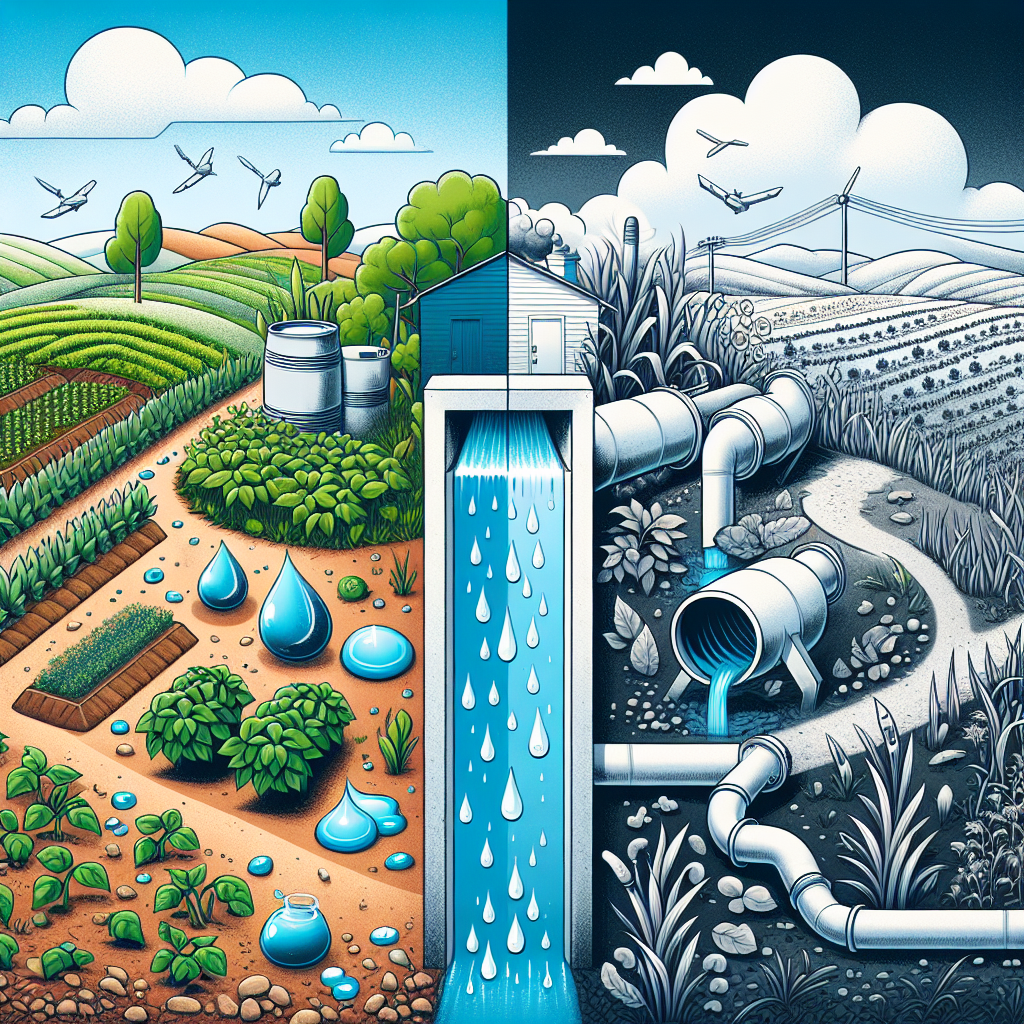
The escalating crisis of water scarcity is driving an urgent need for sustainable water management practices. One promising approach is the reuse of greywater in agriculture. Greywater, which refers to gently used water from bathroom sinks, showers, tubs, and washing machines, holds considerable potential for irrigation purposes. By reusing this resource, we not only conserve freshwater but also enhance the efficiency of water use in agricultural ecosystems. However, this practice is not without its challenges and risks. This article explores the opportunities and risks associated with greywater reuse in agriculture, offering insights into how this sustainable practice can be effectively managed.
Across the globe, agriculture is a major consumer of water, accounting for approximately 70% of global freshwater withdrawals. With the looming threat of water scarcity, farmers and policymakers are increasingly looking for alternative water sources to sustain agricultural productivity. Greywater reuse presents a pragmatic solution to the problem, enabling a circular economy where water is reused rather than wasted. This method not only reduces the demand for freshwater but also minimizes the environmental impact associated with wastewater discharge.
While the advantages of greywater reuse are compelling, it is essential to consider the potential risks and challenges involved. Greywater may contain pathogens, chemicals, and other contaminants that can pose health hazards if not properly treated. Moreover, the long-term effects of greywater irrigation on soil health and crop yield require thorough evaluation. By understanding both the opportunities and risks, we can develop effective strategies for the safe and beneficial use of greywater in agriculture.
Opportunities of Greywater Reuse in Agriculture
The deployment of greywater in agricultural practices offers several key opportunities that can significantly impact water conservation efforts and enhance agricultural productivity. First and foremost, greywater reuse alleviates the pressure on freshwater resources. In regions where water scarcity is acute, leveraging greywater for irrigation can make a significant difference in ensuring the sustainability of local agriculture.
Additionally, greywater use can contribute to reducing the burden on wastewater treatment plants. By diverting greywater for agricultural use, we lessen the volume of wastewater that requires treatment, thereby saving energy and reducing the environmental footprint of treatment facilities. This practice aligns with goals for sustainable development by promoting efficient resource use and minimizing waste.
Economically, greywater reuse can lead to cost savings for farmers. The use of recycled water can reduce irrigation expenses, especially in areas where water is a costly commodity. Furthermore, greywater contains nutrients like nitrogen and phosphorus, which can be beneficial for plant growth. This can potentially reduce the need for synthetic fertilizers, thereby lowering input costs and promoting organic farming practices.
Finally, greywater reuse can enhance resilience against climate change. As climate conditions become more unpredictable, having an alternative water source can buffer agricultural systems against droughts and water shortages. This strategy not only ensures a more reliable water supply but also supports food security in the face of changing environmental conditions.
Risks and Challenges of Greywater Reuse in Agriculture
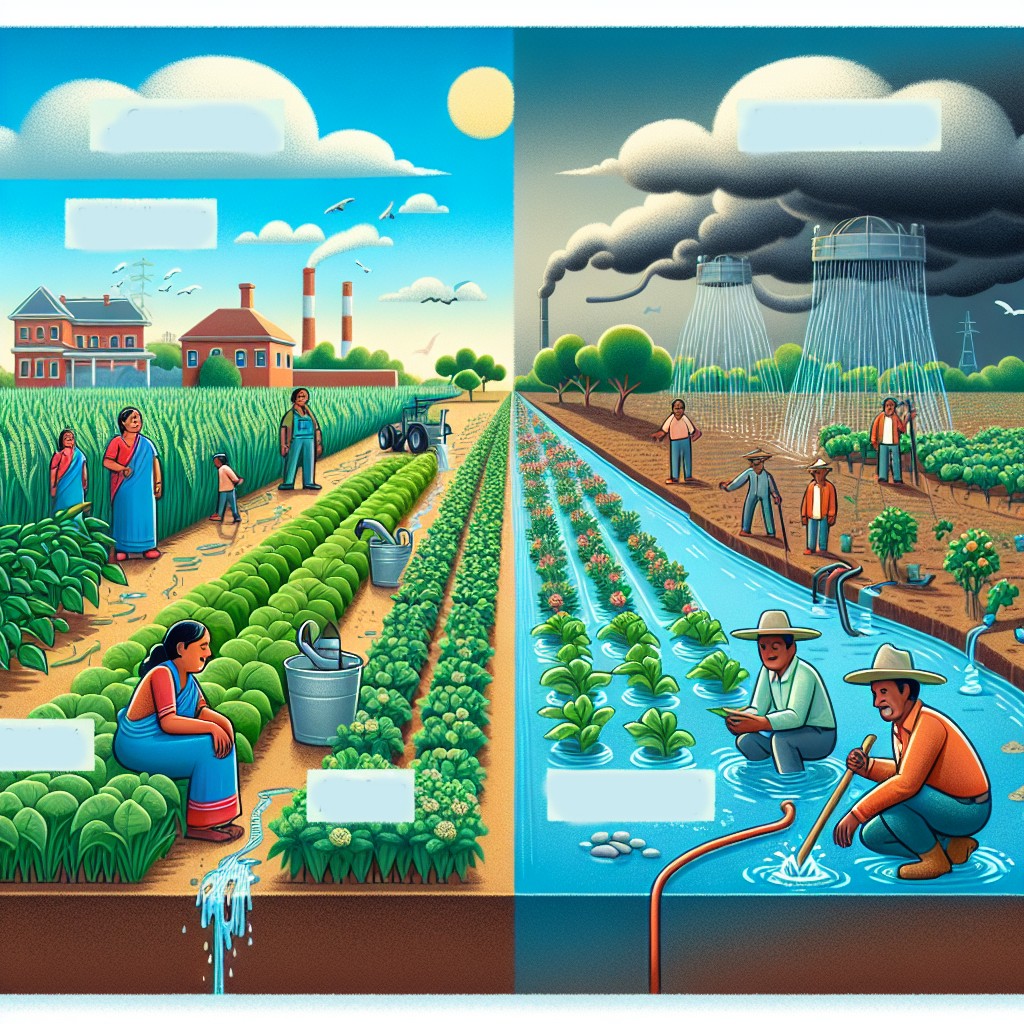
Despite the promising advantages, greywater reuse in agriculture presents several risks and challenges that must be carefully managed. One of the primary concerns is the potential for contamination. Greywater can contain pathogens, organic matter, detergents, and personal care products that pose risks to human health, soil quality, and crop safety. Without proper treatment, these contaminants can lead to the spread of diseases and harm to the ecosystem.
The chemical composition of greywater is another critical factor. Certain household products, such as soaps and detergents, contain salts and chemicals that can be detrimental to soil structure and fertility. The accumulation of salts, in particular, can lead to soil salinization, which adversely affects plant growth and yields. It is essential to monitor and manage the chemical load in greywater to prevent long-term soil degradation.
Another challenge is the variability in greywater quality. The composition of greywater can fluctuate based on household activities and water use patterns. This inconsistency can make it difficult to standardize treatment processes and ensure the safety and suitability of greywater for irrigation. Establishing guidelines and monitoring protocols is crucial to address this variability.
Moreover, there is a need for robust infrastructure and technology to support greywater reuse. Developing and maintaining greywater treatment systems require investments, and the level of sophistication needed varies depending on the extent of contamination and the intended agricultural use. Farmers need access to appropriate technologies and technical support to implement greywater reuse effectively.
Greywater Treatment Methods
Several treatment methods can be employed to mitigate the risks associated with greywater reuse and ensure its safe application in agriculture. One widely used approach is primary treatment, which involves the removal of solid particles and organic matter through filtration and sedimentation. Simple filtration systems can be installed to capture hair, lint, and other debris, making the greywater suitable for basic irrigation needs.
Biological treatment methods, such as constructed wetlands and biofilters, rely on natural processes to degrade organic contaminants. Constructed wetlands, for instance, utilize plants, soil, and microorganisms to treat greywater through physical, chemical, and biological interactions. These systems are effective in reducing organic loads and can be integrated into agricultural landscapes.
For higher levels of treatment, advanced technologies like membrane filtration and disinfection can be employed. Membrane filtration, including microfiltration and ultrafiltration, allows for the removal of pathogens and fine particles from greywater. Disinfection methods, such as ultraviolet (UV) radiation and chlorination, are used to eliminate harmful microorganisms, ensuring that the greywater is safe for use on crops that are consumed raw.
It is important to choose the appropriate treatment method based on the intended use of greywater and the level of contamination. Combining multiple treatment methods, known as a treatment train approach, can enhance the efficacy of greywater treatment and provide a higher level of safety. Ongoing monitoring and maintenance of treatment systems are also essential to ensure their continued effectiveness.
Regulatory and Policy Considerations
The implementation of greywater reuse in agriculture must be guided by effective regulatory frameworks and policies. Regulations play a critical role in setting standards for greywater quality, treatment processes, and application methods. These standards ensure that greywater reuse practices are safe, sustainable, and aligned with public health and environmental protection goals.
Many countries have established guidelines for greywater reuse, specifying permissible levels of contaminants and recommended treatment methods. These guidelines often vary based on the intended agricultural use, with stricter standards for crops that are consumed raw compared to those used for non-food purposes. Adhering to these standards is essential to mitigate health risks and protect consumers.
In addition to regulatory requirements, policies that promote greywater reuse can incentivize adoption among farmers. These policies may include subsidies for installing treatment systems, technical support programs, and public awareness campaigns that highlight the benefits of greywater reuse. Collaborative efforts between government agencies, agricultural organizations, and research institutions can facilitate the development of effective greywater reuse initiatives.
Moreover, integrating greywater reuse into broader water management and agricultural policies can enhance its impact. By incorporating greywater reuse into national water strategies and sustainable development plans, policymakers can create a cohesive framework that addresses water scarcity, supports agricultural productivity, and promotes environmental resilience.
Case Studies and Success Stories
Numerous case studies and success stories from around the world highlight the practical benefits and challenges of greywater reuse in agriculture. In Israel, for example, the widespread adoption of greywater reuse has been instrumental in conserving water resources and supporting agricultural production in a water-scarce region. Farmers have successfully used treated greywater for irrigation, leading to significant water savings and improved crop yields.
In Australia, greywater reuse has gained traction, particularly in urban and peri-urban agriculture. During periods of drought, many households and community gardens have implemented greywater systems to sustain their plants and reduce reliance on municipal water supplies. The use of simple filtration and drip irrigation methods has demonstrated the feasibility of greywater reuse in diverse agricultural settings.
In India, innovative greywater reuse projects have been launched in rural communities to address water scarcity and enhance food security. By employing low-cost treatment technologies and involving local stakeholders in the implementation process, these projects have successfully improved water availability for irrigation and raised awareness about sustainable water management practices.
These case studies underscore the importance of tailored solutions that consider local conditions, available resources, and stakeholder engagement. They also highlight the potential for greywater reuse to contribute to sustainable agriculture and water conservation on a global scale. Sharing these success stories can inspire further adoption and innovation in greywater reuse practices.
Conclusion
Greywater reuse in agriculture presents a viable and sustainable strategy for addressing water scarcity and enhancing agricultural productivity. The opportunities it offers, from conserving freshwater resources to reducing wastewater treatment loads and promoting economic savings, are significant. However, realizing these benefits requires careful management of the associated risks and challenges.
Effective greywater reuse hinges on the implementation of appropriate treatment methods, adherence to regulatory standards, and supportive policies that incentivize adoption. It also necessitates ongoing education and awareness efforts to ensure that stakeholders understand the importance of safe and sustainable greywater use. By fostering a collaborative approach that involves farmers, policymakers, researchers, and communities, we can develop resilient agricultural systems that can withstand environmental pressures and contribute to food security.
Looking ahead, continued research and innovation in greywater treatment technologies will be crucial to overcoming existing barriers and enhancing the feasibility of greywater reuse. Exploring new methods for contaminant removal, improving the efficiency of treatment systems, and integrating greywater reuse into holistic water management strategies will drive progress in this field.
Ultimately, greywater reuse is more than just a practical solution for water scarcity; it is a step towards a more sustainable and resilient future. By embracing the opportunities and addressing the risks, we can unlock the full potential of greywater reuse in agriculture and create a positive impact on both the environment and society.


