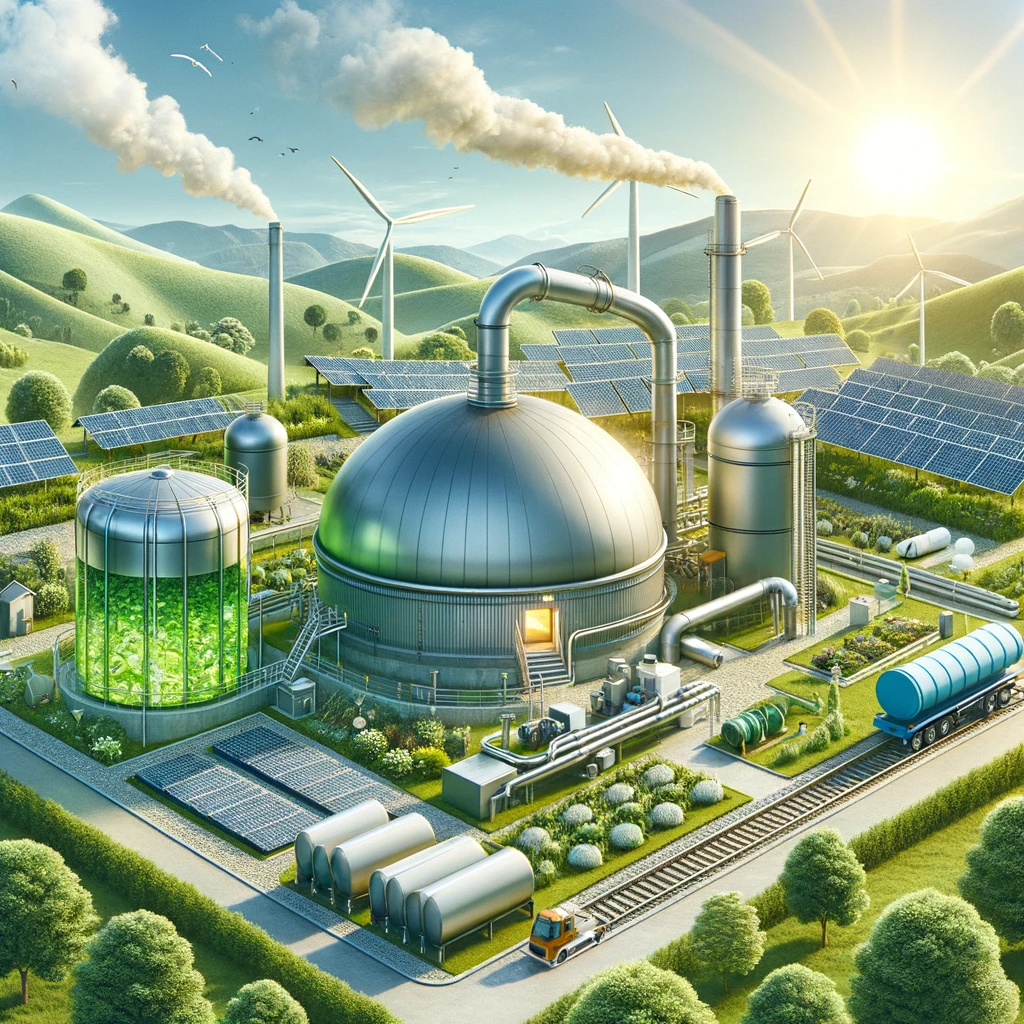
Ecological Sanitation, commonly referred to as EcoSan, embodies sustainable and environmentally friendly waste management practices. These systems focus on nutrient recovery and safe use, reducing health risks, and conserving water. One of the integral aspects of EcoSan systems is effective stormwater management. Improper handling of stormwater can lead to myriad issues including contamination of water sources, soil erosion, and undermining the integrity of the sanitation systems. Therefore, understanding advanced insights and implementing effective measures for stormwater management in EcoSan systems are critical for the sustainability and safety of these systems.
Stormwater management within the framework of EcoSan revolves around a multifaceted approach, incorporating design, technology, and best practices that align with both environmental sustainability and public health. The intent is to mitigate the adverse impacts of stormwater run-off by employing systems that can capture, store, purify, and reuse rainwater. This not only aids in supplementing water supplies but also reduces the strain on traditional stormwater infrastructure.
Effective stormwater management in EcoSan systems is a topic of growing importance due to climate change and the increasing incidence of extreme weather events. As we delve deeper into various aspects of stormwater management, we will explore the contemporary technologies, methodologies, and practices that can be integrated within EcoSan systems. This comprehensive article aims to offer actionable insights for urban planners, sanitation experts, and environmentally conscious individuals who are vested in developing sustainable sanitation solutions.
In our exploration, we will dissect the components of stormwater management in EcoSan systems through a series of sections. These sections will cover the design principles, which technologies prove most effective, best practices for implementation, case studies of successful systems, and future directions in stormwater management. Each section will provide a thorough analysis and practical guidance, ensuring that readers can grasp both the conceptual and practical dimensions of effective stormwater management in EcoSan systems.
Design Principles for Stormwater Management in EcoSan Systems
Kicking off our deep dive into effective stormwater management, it is essential to first understand the fundamental design principles crucial for integrating stormwater management into EcoSan systems. The principles encompass several critical areas: site assessment, water flow dynamics, and the integration of natural systems.
Site Assessment: A comprehensive evaluation of the site where the EcoSan system is to be installed is paramount. This includes studying the topography, soil type, vegetation, and local climate patterns. By understanding these elements, planners can determine the best locations for stormwater storage and determine the natural drainage patterns.
Water Flow Dynamics: Effective stormwater management practices hinge on an in-depth understanding of water flow dynamics on the site. This involves charting the pathways stormwater takes across the landscape, identifying potential areas for pooling or erosion, and designing channels and storage systems that harmonize with these natural flows.
Integration of Natural Systems: One of the hallmarks of effective stormwater management in EcoSan designs is the use of natural systems. Wetlands, bioswales, and vegetated buffers not only facilitate the natural filtration and absorption of stormwater but also enhance biodiversity. These systems act as natural sponges that can absorb large volumes of water while filtering out pollutants.
The crux of these principles lies in developing a system that is not just effective but also resilient and adaptable. By adhering to these design principles, EcoSan systems can be crafted to not only manage stormwater efficiently but also to reinforce ecological balance and sustainability.
Technologies for Efficient Stormwater Management
The advent of technology has introduced a myriad of tools that can greatly enhance stormwater management in EcoSan systems. These technologies range from simple, low-cost solutions to advanced systems employing sophisticated engineering and material science.
Permeable Pavements: These are specially designed pavements that allow water to pass through the surface and infiltrate into the ground. These systems can substantially reduce surface runoff and enhance groundwater recharge. The use of permeable pavements in pathways, parking lots, and other hardscape areas in EcoSan sites can mitigate flooding risks and promote water conservation.
Rainwater Harvesting Systems: These technologies encompass a variety of methods to capture and store rainwater for future use. Simple methods include rain barrels and cisterns, whereas more advanced systems might integrate automated sensors and filtration units. Harvested rainwater can be used for flushing toilets, irrigation, and other non-potable purposes within EcoSan frameworks.
Green Roofs: Green roofs are another innovative technology wherein rooftops are covered with vegetation. These systems not only improve stormwater management by absorbing rainwater but also provide insulation, improve air quality, and create green spaces in urban environments. Integrating green roofs with EcoSan systems can significantly reduce runoff and enhance the sustainability quotient.
Infiltration Trenches and Basins: These are excavated areas filled with gravel or other pervious media that allow stormwater to infiltrate into the soil. They are effective for managing runoff from larger impervious surfaces. Incorporating infiltration trenches and basins within EcoSan designs can help manage larger volumes of stormwater effectively.
Advanced sensor systems and IoT integrations are also playing a crucial role in modern stormwater management. These technologies facilitate real-time monitoring, predictive analysis, and automated control, substantially boosting the efficiency and responsiveness of stormwater management mechanisms in EcoSan systems.
Best Practices for Implementing Stormwater Management in EcoSan Systems
Effective implementation of stormwater management strategies in EcoSan systems requires a set of best practices that can guide the development, deployment, and maintenance processes. These practices ensure the long-term success and reliability of the systems.
Community Engagement: Involving the local community in the planning and implementation stages is vital. Educating residents about the eco-friendly features and benefits of stormwater management can foster greater cooperation and stewardship. Community engagement also ensures that the systems meet local needs and preferences.
Regular Maintenance: Setting up a regimen for regular maintenance is crucial. This includes routine checks for blockages, ensuring proper operation of rainwater harvesting systems, and maintaining vegetative cover in green roofs and bioswales. Regular maintenance helps in detecting and addressing issues before they become major problems.
Training and Capacity Building: Training local operators and stakeholders on the technical aspects of stormwater management systems enhances the capability to efficiently manage and troubleshoot these systems. This can include workshops, hands-on training sessions, and knowledge-sharing platforms.
Adaptive Management: Given the variability in weather patterns and potential shifts due to climate change, it is essential to adopt adaptive management practices. This involves continuously monitoring the performance of stormwater management systems, assessing the outcomes, and making necessary adjustments to improve efficiency and resilience.
Documentation and Record Keeping: Maintaining detailed records of the design, implementation, and maintenance processes is beneficial. These records can provide valuable insights for future projects and facilitate continuous improvement.
Applying these best practices not only aids in the seamless integration of stormwater management within EcoSan systems but also enhances the sustainability and effectiveness of these solutions over the long term.
Case Studies of Successful Stormwater Management in EcoSan Systems
Examining real-world examples of successful stormwater management systems in EcoSan contexts can provide valuable lessons and inspiration for future implementations. Below are a few case studies that highlight innovative and effective approaches.
Case Study 1: Solar AquaGrid in Mali: In rural Mali, a community-based EcoSan system incorporated a solar-powered aquagrid to manage stormwater. The aquagrid collects and purifies rainwater, which is then used for agricultural purposes. This project not only improved local water security but also bolstered food production, demonstrating the multifaceted benefits of effective stormwater management.
Case Study 2: The Green-Blue Corridor in Stockholm: Stockholm has pioneered the Green-Blue Corridor initiative, which integrates EcoSan systems with advanced stormwater management. This project includes green rooftops, permeable pavements, and extensive rainwater harvesting systems. Not only has this initiative enhanced urban resilience against flooding, but it has also created green spaces that provide ecological and recreational benefits.
Case Study 3: Biofiltration Swales in Melbourne: Melbourne’s implementation of biofiltration swales within its EcoSan framework stands out as a noteworthy example. These swales are vegetated channels designed to slow and filter stormwater runoff. They effectively remove pollutants and sediments from the water, ensuring that the water quality is improved before it enters local water bodies.
Case Study 4: Roof Farms in New York City: Several buildings in New York City have adopted roof farms as part of their EcoSan systems. These farms utilize green roof technology to manage stormwater, grow food, and improve air quality. The integration of urban agriculture with stormwater management highlights an innovative approach to enhancing both food security and environmental sustainability.
By examining these diverse case studies, we can observe the adaptability and potential of stormwater management practices in EcoSan systems across different geographic and socio-economic contexts. These examples underscore the importance of tailored solutions that consider local conditions and community needs.
Future Directions in Stormwater Management for EcoSan Systems
The future of stormwater management within EcoSan systems is poised to be shaped by advancements in technology, evolving environmental policies, and increased awareness of sustainability issues. Here are some of the future directions that hold promise.
Integration of Smart Technologies: The adoption of smart technologies, such as IoT-enabled sensors, automated control systems, and real-time data analytics, is expected to revolutionize stormwater management in EcoSan systems. These technologies can enhance the efficiency, responsiveness, and adaptability of stormwater management practices, enabling proactive management.
Climate-Resilient Designs: Future stormwater management strategies will likely prioritize climate resilience. This means designing systems that can withstand extreme weather events and fluctuating climatic conditions. Innovations in materials science and engineering will play a pivotal role in creating robust and adaptable infrastructure.
Nature-Based Solutions: There is a growing recognition of the value of nature-based solutions in stormwater management. Future EcoSan systems are expected to increasingly incorporate wetlands, green roofs, and bioswales, leveraging the inherent capabilities of natural systems to manage and treat stormwater.
Policy and Governance: Progressive environmental policies and governance frameworks will be instrumental in shaping the future of stormwater management. Policies that incentivize the adoption of sustainable practices, provide funding for green infrastructure projects, and facilitate community participation will drive wider implementation and success.
Innovative Financing Models: Access to funding and innovative financing models, such as green bonds and public-private partnerships, will be critical for scaling up stormwater management initiatives in EcoSan systems. These models can help overcome financial barriers and enable the development of comprehensive and integrated solutions.
The future trajectory of stormwater management in EcoSan systems is one of innovation, collaboration, and sustainability. By embracing these future directions, we can anticipate more resilient, efficient, and sustainable solutions that address the complex challenges posed by stormwater in the context of ecological sanitation.
Conclusion
Effective stormwater management is a cornerstone of resilient and sustainable EcoSan systems. By implementing comprehensive design principles, leveraging advanced technologies, adhering to best practices, and learning from successful case studies, we can develop robust solutions that address both environmental and public health challenges.
The integration of stormwater management within EcoSan systems is not merely a technical endeavor but a holistic approach that encompasses socio-economic, environmental, and technological dimensions. It requires collaboration between stakeholders, continuous learning, and adaptation to evolving conditions and knowledge.
As we look toward the future, the promises of smart technologies, climate-resilient designs, nature-based solutions, supportive policies, and innovative financing hold tremendous potential to transform stormwater management within EcoSan systems. These advancements will not only enhance the efficiency and effectiveness of these systems but also contribute to broader sustainability goals, including water conservation, biodiversity preservation, and climate adaptation.
By investing in effective stormwater management, we can ensure that EcoSan systems are not only sustainable and resilient but also capable of delivering essential services that enhance the quality of life for communities worldwide. The path forward lies in a committed and concerted effort to embrace innovation, foster collaboration, and prioritize sustainability in our approach to ecological sanitation and stormwater management.