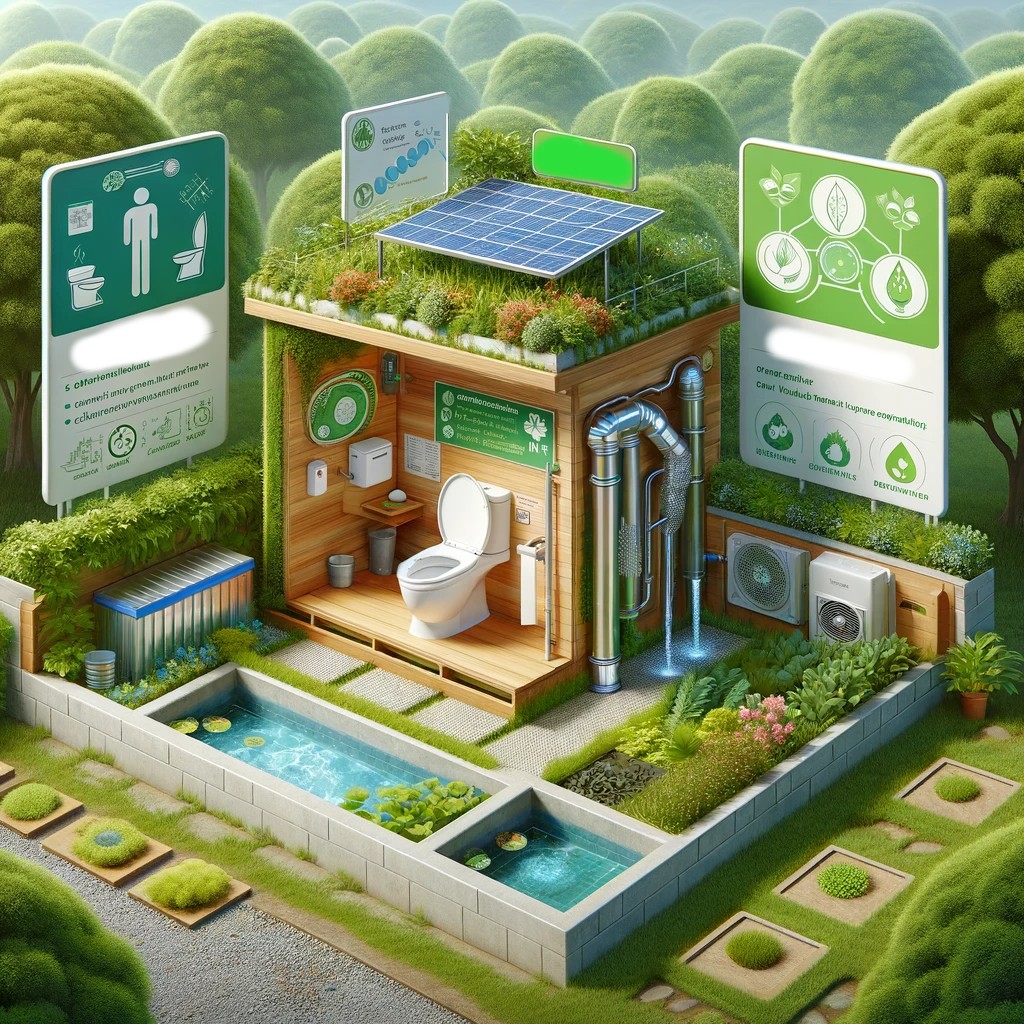
In the face of rising environmental challenges, Ecological Sanitation (EcoSan) offers an innovative and sustainable approach to waste management and sanitation. By merging traditional wisdom with modern technological advancements, EcoSan not only addresses current sanitation shortcomings but also promotes environmental stewardship and public health.
The principles of EcoSan revolve around resource recovery and recycling, transforming waste into valuable resources such as compost and biogas. This regenerative approach challenges the conventional ‘flush and forget’ mindset, integrating a closed-loop system that mimics natural processes and conserves precious resources.
Despite its promising benefits, the concept of EcoSan still faces obstacles in implementation, primarily due to cultural acceptance and technological constraints. However, by leveraging traditional knowledge and community engagement, we can bridge these gaps and pave the way for sustainable sanitation solutions worldwide.
This comprehensive exploration of EcoSan technologies examines the synergy of ancient practices and modern innovations. Our analysis covers key aspects of EcoSan, from traditional waste management techniques to cutting-edge sanitation technologies, emphasizing the importance of cultural context and community participation in achieving sustainable outcomes.
Understanding Traditional Sanitation Practices
Traditional sanitation systems, deeply rooted in the cultural fabric of societies, offer valuable insights into sustainable waste management. Many indigenous communities have long relied on natural processes and resource-efficient practices to manage human waste, demonstrating a profound understanding of ecological principles.
For instance, composting toilets have been used for centuries in various cultures. These systems, which transform human excreta into nutrient-rich compost, highlight the possibility of converting waste into a resource. Similarly, many rural communities have employed constructed wetlands, utilizing plants and soil microorganisms to treat wastewater naturally.
Traditional Indian sanitation practices, such as the use of cow dung in composting and biogas production, capitalize on the natural decomposition process. By integrating animal and human waste management, these methods enhance soil fertility and provide renewable energy, underscoring the symbiotic relationship between humans and nature.
Recognizing and revitalizing these time-tested practices can play a pivotal role in shaping modern EcoSan technologies. By blending traditional knowledge with contemporary innovations, we can create systems that are not only sustainable but also culturally respectful and widely acceptable.
Modern Sanitation Technologies
Modern sanitation technologies have significantly evolved, addressing the limitations of traditional methods and offering enhanced efficiency, scalability, and convenience. Advanced EcoSan systems incorporate sophisticated technologies to optimize waste treatment and resource recovery, promoting both environmental and public health benefits.
One notable innovation is the Urine Diversion Dehydration Toilet (UDDT). By separating urine from feces at the source, UDDTs reduce pathogen risk and facilitate the nutrient recycling process. Urine, rich in nitrogen and phosphorus, can be directly used as fertilizer, while feces undergo safe composting.
Anaerobic digestion is another crucial development, transforming organic waste into biogas through microbial processes. This technology not only provides a sustainable energy source but also produces nutrient-rich digestate, which can be used as fertilizer. Biogas systems are particularly valuable in rural and off-grid areas, offering energy security and reducing dependence on conventional fuels.
Membrane bioreactors (MBRs) and constructed wetlands are advanced wastewater treatment methods that effectively remove contaminants and produce high-quality effluent. MBRs leverage semi-permeable membranes to filter out pathogens and solids, while constructed wetlands harness the natural filtering capacity of plants and microorganisms.

Integrating Traditional Knowledge with Modern Technology
The fusion of traditional knowledge and modern technology harbors immense potential for the advancement of EcoSan systems. By acknowledging the strengths of both approaches, we can develop holistic sanitation solutions tailored to diverse cultural and environmental contexts.
One successful example of this integration is the enriched compost toilet, which combines the simplicity of traditional composting toilets with the efficiency of modern additives. By incorporating microbial inoculants and aeration techniques, these toilets enhance composting rates and pathogen destruction, leading to safer and faster compost production.
Another noteworthy approach is the hybrid constructed wetland system, merging the principles of traditional wetlands with engineered enhancements. By introducing advanced filtration media and strategically arranging plant species, these hybrids effectively treat wastewater while maintaining the ecological benefits and aesthetics of natural wetlands.
The participatory design process is indispensable in this integration, ensuring that community insights and needs are central to the development and implementation of EcoSan technologies. Involving local stakeholders from the onset fosters ownership, cultural sensitivity, and long-term sustainability of the systems.
Challenges and Solutions in EcoSan Implementation
The implementation of EcoSan technologies is not without its challenges. Cultural acceptance, economic constraints, and technological adaptability are significant hurdles that need to be addressed for the widespread adoption of these sustainable sanitation systems.
Cultural acceptance is crucial, as sanitation practices are deeply influenced by societal norms and beliefs. Community engagement and education are key to overcoming resistance and fostering acceptance of new technologies. Demonstration projects, workshops, and continuous dialogue can help bridge the gap between traditional practices and modern innovations.
Economic constraints often hinder the deployment of advanced EcoSan systems, particularly in low-income regions. Innovative financing models, such as microcredit and public-private partnerships, can facilitate access to these technologies. Additionally, emphasizing the long-term cost savings and health benefits of EcoSan can bolster investments and support.
Technological adaptability is vital to accommodate diverse environmental conditions and community needs. Modular and scalable designs, along with robust training programs, ensure that EcoSan systems can be tailored to various contexts and maintained effectively. Research and development efforts should focus on enhancing the resilience and user-friendliness of these technologies.
Successful Case Studies
The growing repository of successful EcoSan case studies provides valuable lessons and inspiration for future projects. From urban centers to remote villages, these examples illustrate the transformative potential of sustainable sanitation systems.
In India, the Sulabh International Social Service Organisation has championed the implementation of EcoSan toilets in rural and urban areas. Their twin-pit pour-flush toilets, which safely decompose fecal matter and convert it into compost, have significantly improved sanitation and health outcomes for millions.
In Sweden, the Ecosanres program has developed innovative urine-diverting toilets and greywater treatment systems. These technologies have successfully been deployed in urban areas, promoting nutrient recycling and reducing water consumption. The Swedish experiences highlight the role of policy frameworks and technological innovation in scaling EcoSan solutions.
The Cambodian NGO, WaterSHED, has successfully introduced market-based approaches to promote EcoSan toilets. By partnering with local entrepreneurs and providing training, they have fostered a sustainable supply chain for sanitation products. This model emphasizes the importance of community-driven initiatives and economic viability in long-term success.
Future Directions for EcoSan Research and Development
As we venture into the future, research and development in EcoSan technologies should aim to address prevailing challenges and explore new frontiers in sustainable sanitation. Collaborative efforts between scientists, policymakers, and communities are essential in driving innovations and ensuring their relevance and impact.
One promising avenue is the integration of digital technologies, such as sensors and data analytics, to enhance the monitoring and management of EcoSan systems. Smart sanitation infrastructure can optimize performance, detect issues in real-time, and provide valuable insights for continuous improvement.
Exploring novel materials and biotechnologies can also contribute to the advancement of EcoSan. Biodegradable materials for toilet construction, microbial fuel cells for energy recovery, and advanced composting techniques are some areas that hold potential for innovation.
Furthermore, interdisciplinary research that examines the socio-cultural, economic, and environmental dimensions of EcoSan is crucial. Understanding user behavior, community dynamics, and policy impacts can inform the design and implementation of more effective and inclusive sanitation solutions.
Conclusion
Ecological Sanitation represents a paradigm shift towards sustainable and regenerative waste management, drawing from both traditional wisdom and modern innovation. By embracing a holistic approach that values cultural context and community participation, we can develop EcoSan systems that are not only environmentally sound but also socially acceptable and economically viable.
The successful integration of traditional practices and contemporary technologies demonstrates the potential for EcoSan to address global sanitation challenges effectively. Through ongoing research, collaborative efforts, and strategic investments, we can unlock new opportunities and drive meaningful progress in ecological sanitation.
As we continue to face the pressing issues of climate change, water scarcity, and public health, EcoSan offers a promising path forward. By redefining our relationship with waste and recognizing its potential as a resource, we can foster a more sustainable and resilient future for all.
Ultimately, the journey towards sustainable sanitation is a collective endeavor that requires the active engagement of all stakeholders. Together, we can champion the cause of ecological sanitation and create a world where everyone has access to safe, dignified, and environmentally friendly sanitation solutions.