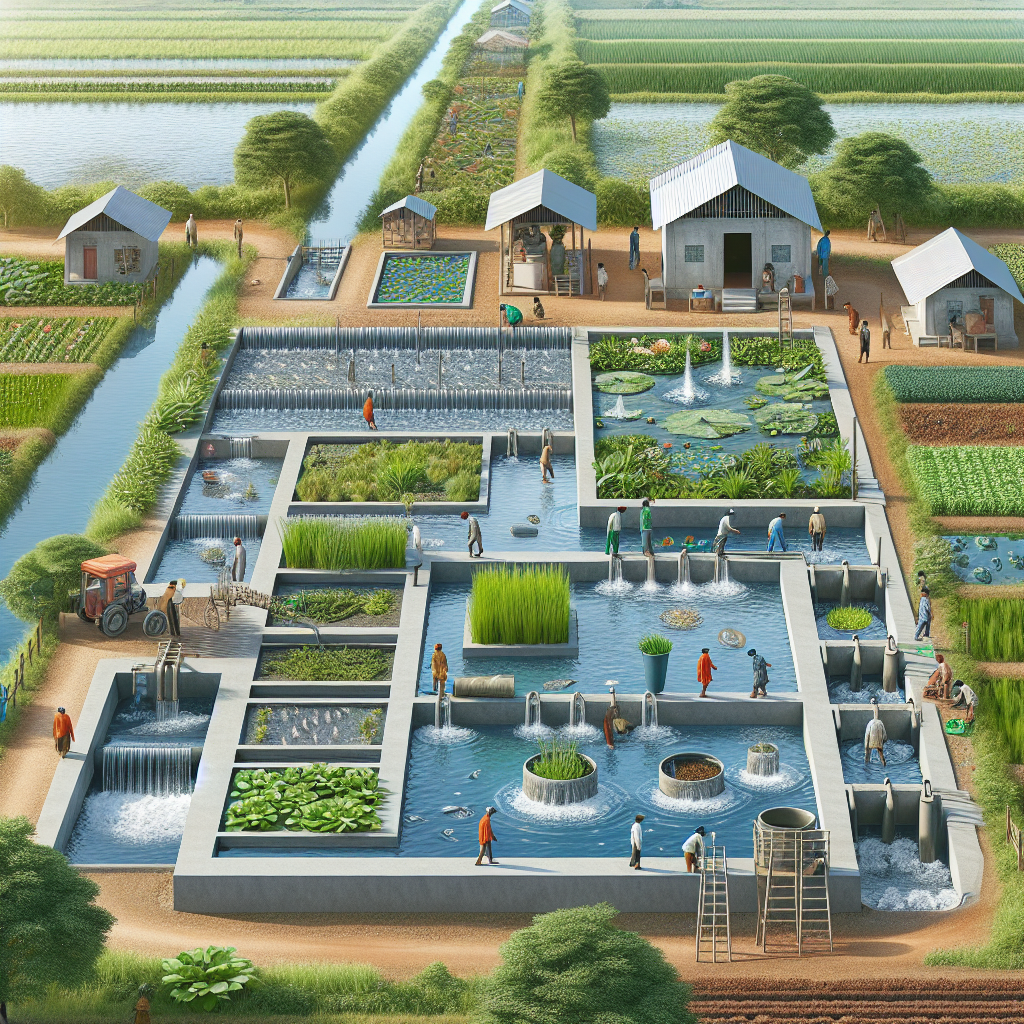
Ecological sanitation, commonly known as EcoSan, represents a paradigm shift from conventional waste treatment methodologies. Unlike traditional systems that prioritize wastewater disposal, EcoSan emphasizes nutrient recycling by safely processing human excreta into valuable resources. As our global population continues to grow, the demand for sustainable sanitation solutions becomes increasingly urgent. EcoSan addresses this need by promoting a closed-loop approach to waste management. Instead of treating waste as a nuisance, EcoSan redefines it as a resource that, if managed correctly, can benefit agriculture, enhance soil health, and reduce environmental degradation. In this article, we will delve into the long-term performance of EcoSan systems, exploring their ecological, economic, and social implications.
The Core Principles of EcoSan
At its core, EcoSan is rooted in the principles of sustainability, resource recovery, and environmental protection. The concept revolves around the separation and treatment of human waste products in ways that both mitigate environmental impact and recycle nutrients. Key principles include:
Source Separation: Differentiating urine and feces for optimal treatment and nutrient recovery.
Containment: Ensuring that waste products are safely stored to prevent contamination.
Composting and treatment: Processing waste materials through composting or other treatment methods to destroy pathogens.
Recycling: Safely recycling treated waste as fertilizer or soil conditioner, closing the loop in nutrient cycles.
Long-term Ecological Benefits of EcoSan
One of the most significant advantages of EcoSan systems lies in their long-term ecological benefits. Traditional sanitation systems often lead to the contamination of water bodies with untreated or inadequately treated waste. This not only endangers aquatic ecosystems but also poses significant health risks to human populations.
EcoSan, in contrast, minimizes water usage in sanitation processes, drastically reducing the potential for water pollution. By recycling nutrients back into the environment in the form of compost or treated urine, EcoSan systems rejuvenate soil health, improve agricultural yield, and subsequently reduce the dependency on chemical fertilizers. Over time, this nutrient-rich compost can help restore degraded lands, promoting biodiversity and enhancing ecosystem resilience.
Economic Implications of EcoSan Systems
EcoSan presents an economically viable alternative to conventional sanitation systems, particularly in regions plagued by water scarcity and poor sanitation infrastructure. The initial investment in EcoSan facilities can be significant, but the long-term financial benefits often outweigh these costs. By reducing the dependency on chemical fertilizers, farmers can save substantial amounts of money in the long run. Moreover, the compost generated from EcoSan systems can be sold, creating an additional revenue stream.
In urban settings, EcoSan systems can reduce the burden on municipal water treatment facilities, lowering operational costs for water services. Additionally, the reduced risk of waterborne diseases translates to lower healthcare costs. As governments and communities recognize these economic advantages, the adoption of EcoSan systems is likely to increase.
Social Acceptance and Integration of EcoSan
For EcoSan systems to achieve long-term success, social acceptance and community participation are paramount. Historically, addressing human waste has been surrounded by cultural taboos and stigmas. Overcoming these barriers requires comprehensive education and awareness programs that highlight the benefits of EcoSan. Communities need to understand the environmental and economic advantages and be willing to adopt new sanitary practices.
Community-based approaches that involve local stakeholders in the planning and implementation phases can significantly enhance the acceptance of EcoSan systems. Schools, religious institutions, and community centers can serve as excellent platforms for promoting EcoSan, emphasizing the role of ecological sanitation in building sustainable and healthy communities.
Technological Innovations in EcoSan Systems
Advancements in technology have paved the way for more efficient and scalable EcoSan systems. Innovative designs such as urine-diverting dry toilets (UDDTs), bio-digesters, and decentralized wastewater treatment systems are at the forefront of this revolution. UDDTs, for instance, separate urine and feces at the source, facilitating easier treatment and nutrient recovery.
Bio-digesters convert organic waste into biogas, providing a renewable energy source that can be used for cooking and lighting. Decentralized wastewater treatment systems (DEWATS) allow communities to manage their wastewater locally, reducing the reliance on expansive sewer networks and large-scale treatment plants. These innovations not only make EcoSan more accessible but also enhance its long-term performance and sustainability.
Challenges and Limitations
Despite its many advantages, EcoSan systems are not without challenges. Initial installation costs can be prohibitively high for communities with limited financial resources. Furthermore, the success of EcoSan systems is heavily dependent on the effectiveness of community education and involvement. Without proper management, these systems can pose health risks due to the improper handling of waste.
Another limitation is the lack of standardized guidelines for EcoSan design and implementation. This can lead to variability in the quality and performance of EcoSan systems, hindering their widespread adoption. Moreover, regulatory frameworks in many countries are still geared towards conventional sanitation systems, posing an additional hurdle for EcoSan initiatives.
Conclusion
The long-term performance of EcoSan systems showcases the potential for a more sustainable and efficient approach to sanitation. By prioritizing nutrient recovery and environmental protection, EcoSan offers ecological, economic, and social benefits that traditional sanitation systems cannot match. However, the success of EcoSan depends heavily on technological innovation, community involvement, and supportive regulatory frameworks.
To achieve widespread adoption and long-term success, it is crucial to address the challenges and limitations associated with EcoSan. This includes investing in education and awareness programs, developing standardized guidelines, and fostering collaboration between governments, NGOs, and communities.
The future of sanitation lies in systems that are not just waste-disposal mechanisms but are integral components of sustainable resource management. EcoSan, with its multifaceted benefits, stands at the forefront of this sanitation revolution, promising a cleaner, healthier, and more sustainable world.