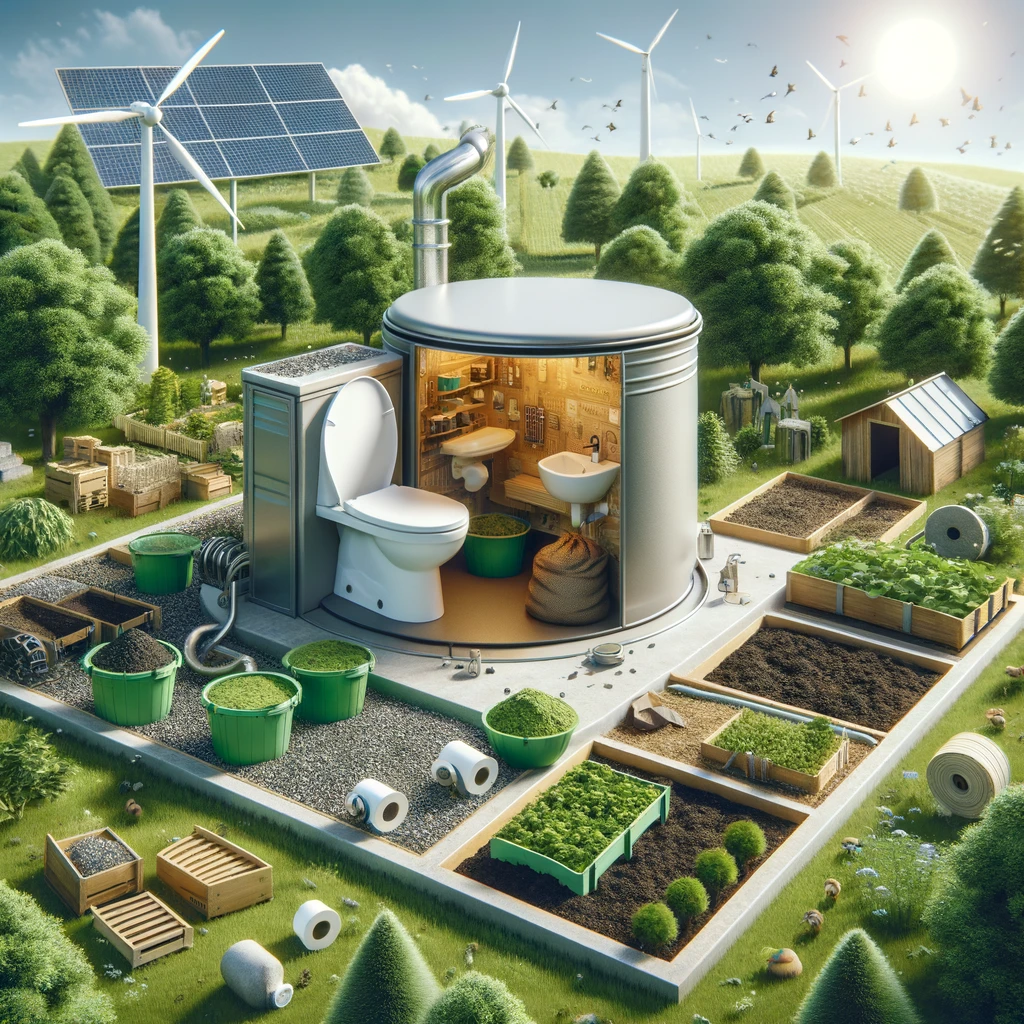
Ecological sanitation, often referred to as EcoSan, represents a sustainable paradigm shift in waste management. It’s a solution that significantly benefits both the environment and the human population by converting waste into valuable resources. Among the EcoSan technologies, the composting toilet stands out as a practical and effective option, primarily due to its feasibility and resource efficiency. It is indeed possible to design and build a do-it-yourself (DIY) composting toilet with some enthusiasm, minimal investment, and a bit of guidance.
Composting toilets transform human excreta into compost, which can then be used as an organic fertilizer. This process not only helps in reducing waste but also enriches the soil, closing the nutrient loop. In the wake of growing environmental concerns and the increasing push towards sustainable living, building a composting toilet is a rewarding project for environmentally conscious individuals.
This comprehensive guide aims to provide advanced insights into EcoSan technologies, particularly focusing on designing and building your own composting toilet. We will explore the components, construction steps, maintenance tips, and some common pitfalls to avoid. Whether you are new to the field or looking to upgrade your knowledge, this article will equip you with the essential information needed to embark on this eco-friendly endeavor.
Understanding the Components of a Composting Toilet
Before diving into the construction process, it’s crucial to understand the primary components of a composting toilet. Each of these parts plays a vital role in ensuring the system operates efficiently and effectively.
- Composting Chamber: This is the core of the composting toilet. It’s where the waste is collected and undergoes aerobic decomposition. The chamber should be well-ventilated to facilitate the process and control odors.
- Ventilation System: Proper airflow is essential to maintain an aerobic environment within the composting chamber. Vent pipes and fans can be utilized to enhance air circulation, which not only accelerates composting but also minimizes any unpleasant smells.
- Drainage System: Excess liquid (leachate) needs to be managed to prevent the compost from becoming too wet, which can impede the composting process. A drainage system helps in separating the liquids from the solids.
- Access Door or Hatch: An access point is necessary for periodic maintenance and removal of the finished compost.
- Toilet Seat: The toilet seat should be comfortable and easy to clean. There are various designs available, and choosing one that suits your aesthetic and comfort needs is important.
Materials Required for Building a Composting Toilet
Now that you have an understanding of the essential components, let’s discuss the materials you’ll need for your DIY composting toilet. The good news is that most of these materials are affordable and readily available.
- Wood or Plywood Sheets: These will be used to construct the structure of the toilet. Opt for durable and water-resistant wood.
- Plastic Barrels or Bins: These serve as the composting chamber. Ensure that they have a decent capacity to handle the waste.
- Vent Pipes and Small Fans: For the ventilation system, PVC pipes and computer fans can be effective and cost-efficient.
- Gravel and Sand: These materials are needed for the drainage system.
- Organic Bulking Material: Sawdust, peat moss, or coconut coir acts as a bulking agent, aiding in the composting process.
- Hand Tools: Basic tools such as a saw, drill, screws, and hammer will be needed for construction.
- Sealant and Paint: To protect the wood from moisture, applying a water-resistant sealant and paint is recommended.

Steps to Build Your DIY Composting Toilet
With your materials ready, it’s time to start building. Follow these steps to create a functional composting toilet.
- Construct the Base: Cut the plywood or wood sheets to form the base and the frame of the toilet. Ensure it’s sturdy and level.
- Install the Composting Chamber: Position the plastic barrels or bins in place, ensuring they are secure and stable.
- Set Up the Ventilation System: Attach the vent pipes to the composting chamber and install the small fans to facilitate airflow.
- Create the Drainage System: Add a layer of gravel and sand at the bottom of the composting chamber to assist with drainage.
- Fit the Access Door/Hatch: Construct and fix an access door at the bottom of the composting chamber for easy removal of the finished compost.
- Mount the Toilet Seat: Secure the toilet seat on the top of the structure, ensuring it is comfortable and accessible.
- Finish with Sealing and Painting: Apply sealant to all wooden parts and paint the exterior to protect against moisture.
Maintenance and Upkeep of Your Composting Toilet
A composting toilet requires regular maintenance to function correctly and efficiently. Here are some tips to keep your system in good condition:
- Add Bulking Material Regularly: After each use, add a handful of organic bulking material such as sawdust to aid the composting process and control odors.
- Monitor Moisture Levels: Ensure the compost doesn’t become too dry or too wet. Adjust by adding bulking materials or managing the drainage system accordingly.
- Ventilation Check: Regularly inspect and clean the vent pipes and fans to maintain proper airflow.
- Remove Finished Compost: Depending on usage, periodically remove the finished compost via the access hatch. Properly cured compost can be used in a garden as a fertilizer.
- Sanitary Practices: Always wash your hands after handling the compost and use natural cleaning solutions to keep the toilet seat and surrounding areas hygienic.
Common Pitfalls and How to Avoid Them
Building and maintaining a composting toilet comes with its own set of challenges. By being aware of common pitfalls, you can avoid potential problems.
- Poor Ventilation: Lack of proper ventilation can lead to foul odors and slow down the composting process. Always ensure your ventilation system is functioning efficiently.
- High Moisture Levels: Excessive moisture can turn your compost pile anaerobic, causing bad smells and poor compost quality. Use a drainage system and add dry bulking materials.
- Improper Waste Management: Not managing the human waste properly can lead to health hazards. Always prioritize hygiene and follow recommended procedures.
- Ignoring Maintenance: Regular maintenance is crucial. Setting a schedule for adding bulking materials, checking the ventilation, and removing compost will keep the system running smoothly.
- Using Non-Biodegradable Materials: Only compost organic matter. Avoid putting plastics, chemicals, or any non-biodegradable items in the composting chamber.
Advanced Tips for Optimizing Your DIY Composting Toilet
To get the most out of your DIY composting toilet, consider these advanced tips and tricks:
- Use Solar Power for Fans: If feasible, connect the ventilation fans to a small solar panel to make your system even more eco-friendly.
- Temperature Management: Composting works best at a warmer temperature. If you live in a colder climate, insulate the composting chamber or consider adding a small heating element.
- Compost Activators: Adding compost activators like garden soil or commercially available activators can speed up the composting process.
- Separate Urine Diversion: Consider a urine diversion system. Diverting urine can reduce the moisture content and enhance the composting efficiency.
- Community Involvement: Engage with local EcoSan communities or online forums to share experiences and gain insights from other users.
- DIY Enhancements: Integrate additional DIY enhancements like mosquito nets for vents or odor-trapping filters to further improve functionality.
Conclusion
Designing and building a DIY composting toilet is a project that marries practical ingenuity with ecological responsibility. By transforming waste into a valuable resource, you are not only reducing your environmental footprint but also contributing to the health of your immediate ecosystem. As our understanding of sustainable living deepens, so does the recognition of the importance of EcoSan technologies.
Through this comprehensive guide, we’ve explored the foundational components, materials, and steps involved in constructing a functional composting toilet. We’ve also delved into maintenance tips, common pitfalls to avoid, and advanced techniques to optimize your system. The insights and practices shared here aim to equip you with the knowledge and confidence to successfully build and maintain your own composting toilet.
Remember, the key to a successful composting toilet lies in its regular upkeep and proper management. With careful attention, your DIY project can become a sustainable solution that offers long-term benefits for you and the environment. As you embark on this eco-friendly journey, you’ll find not only the satisfaction of a successful DIY project but also the profound reward of making a positive impact on the planet.