One of the critical challenges facing communities around the world is the efficient management of sanitation in a manner that is both sustainable and environment-friendly. Traditional sanitation systems often fall short of addressing the long-term ecological impacts and resource management issues, leading to the rising popularity of Ecological Sanitation (EcoSan) approaches. EcoSan represents a paradigm shift from waste treatment to resource recovery, emphasizing closed-loop systems where human excreta is treated and reused safely. This article dives deep into the strategies that drive successful community-driven EcoSan projects.
Introduction
EcoSan, short for Ecological Sanitation, revolutionizes how we perceive and manage human waste. Unlike conventional systems that typically dispose of waste into waterways or other ecosystems, EcoSan focuses on recycling and reusing human excreta for agricultural purposes. This process not only safeguards water resources but also closes the nutrient loop by returning essential nutrients to the soil.
Implementing EcoSan projects demands a multi-faceted approach that involves community engagement, appropriate technology selection, socioeconomic considerations, and effective management. Community-driven EcoSan projects highlight the significance of local participation and ownership, leading to the sustainability of these initiatives. In this article, we will explore several strategies instrumental in the success of community-driven EcoSan projects, ensuring they cater not only to immediate sanitation needs but also to long-term ecological benefits.
Community Engagement and Participation
Successful EcoSan projects hinge on strong community involvement. Engaging the community from the start fosters a sense of ownership and ensures the sustainability of the project. Initial steps involve conducting awareness workshops and informational sessions to educate community members about the benefits of EcoSan systems and how they differ from traditional methods. By presenting case studies and success stories from similar communities, project facilitators can build trust and interest among locals.
It’s essential to integrate community feedback into the project design, aligning the systems with the needs and preferences of the residents. Methods such as participatory rural appraisal (PRA) help gather insights on existing sanitation practices and areas for improvement. Including local leaders and influencers in planning and decision-making processes further solidifies community buy-in and helps dismantle any cultural or social stigmas associated with handling human waste.
Identifying Appropriate Technologies
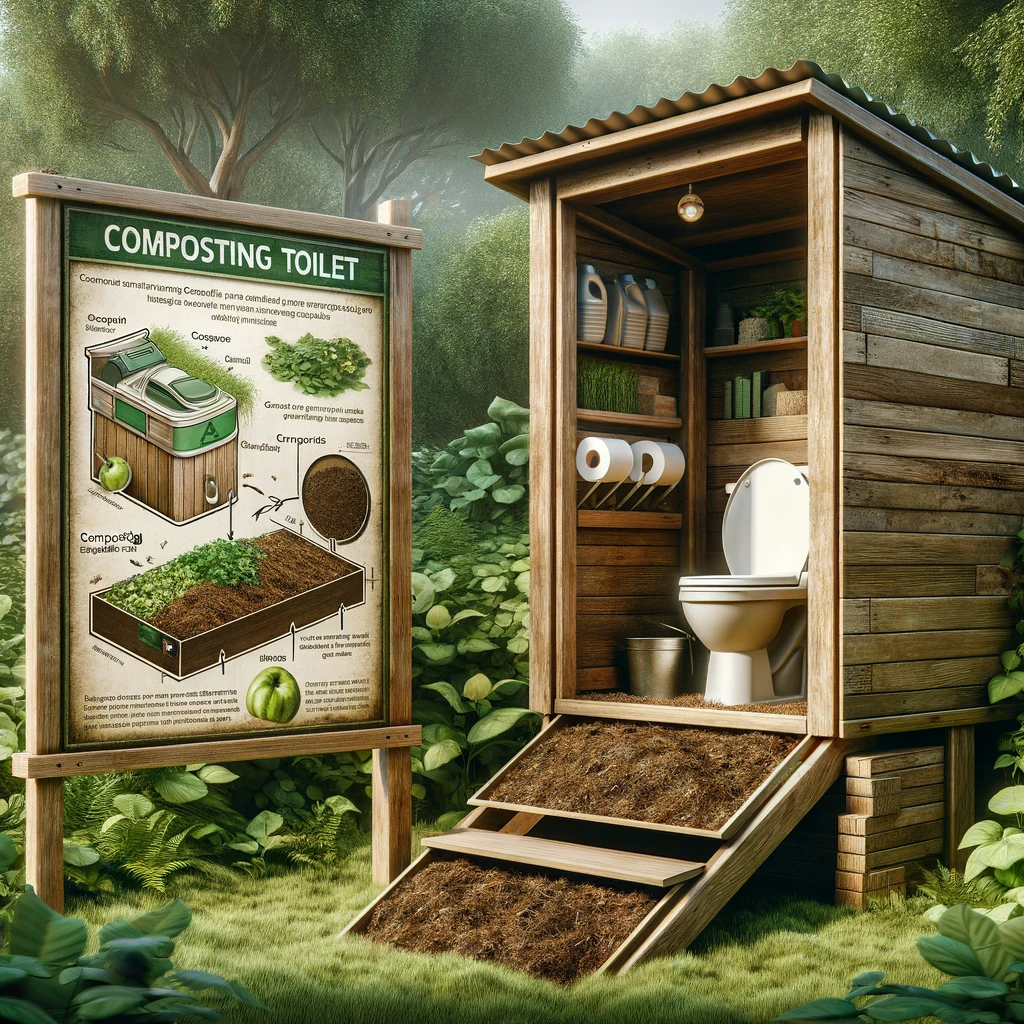
Selecting the right technology is critical for the acceptance and efficacy of EcoSan projects. The chosen systems must be technically feasible, culturally acceptable, and economically viable. There are a range of EcoSan technologies available, from composting toilets to urine-diverting dry toilets (UDDTs), each with its set of advantages and limitations. Factors such as climatic conditions, water availability, and existing infrastructure should guide technology selection.
For instance, composting toilets may be suitable in regions with lower water availability, allowing safe decomposition of excreta to produce valuable compost. Conversely, UDDTs facilitate the separate collection and treatment of urine and feces, making them ideal for areas where nutrient recovery is crucial for agriculture. Pilot installations and demonstrations can help communities understand the operation and maintenance of different systems, allowing them to make informed decisions about the technology that best suits their needs.

Socioeconomic Considerations
To ensure the sustainability of EcoSan projects, it’s vital to address the socioeconomic factors that influence acceptance and long-term use. Affordability is a primary concern; systems must be cost-effective both in terms of initial installation and ongoing maintenance. Subsidies and financial assistance programs can play a pivotal role in making these systems accessible to low-income households.
Moreover, the potential for income generation through the sale of compost and by-products should be explored and communicated to the community. Training sessions on the safe handling and marketing of these products can transform sanitation from a cost center into a revenue-generating activity. Additionally, involving local entrepreneurs and businesses in the supply chain for EcoSan products and services can create employment opportunities and foster economic resilience within the community.
Capacity Building and Training
Education and training are fundamental to the success of EcoSan projects. Equipping community members with the knowledge and skills to operate and maintain EcoSan systems ensures long-term functionality. This includes training workshops on the construction, use, and troubleshooting of various EcoSan technologies. Facilitators should emphasize the importance of proper usage to prevent health risks and the spread of pathogens.
Trainings should also cover the principles of resource recovery and safe application of sanitized products. Agricultural extension services can collaborate with EcoSan projects to demonstrate the benefits of using compost and urine as fertilizers, showcasing improved crop yields and soil health. Engaging schools and educational institutions in EcoSan projects can foster early adoption and instill a culture of sustainability among the younger generation
Monitoring and Evaluation
Continuous monitoring and evaluation (M&E) are crucial to the success of EcoSan projects. Regular assessments help identify any issues early on and ensure that systems are functioning as intended. Developing a robust M&E framework involves setting clear indicators and targets for project outcomes such as improved sanitation coverage, reduced pathogen levels in treated products, and increased usage of EcoSan systems.
Involving community members in M&E activities fosters transparency and accountability. Training local volunteers to conduct regular inspections and report on the status of EcoSan facilities can create a sense of collective responsibility. Moreover, feedback mechanisms such as community meetings and suggestion boxes enable residents to voice their concerns and contribute ideas for improvement. Sharing the results of M&E with the community reinforces the impact of their efforts and helps maintain motivation and engagement.
Policy and Institutional Support
For EcoSan projects to thrive, supportive policies and institutions are vital. Governments and local authorities must recognize the importance of sustainable sanitation and create an enabling environment for EcoSan initiatives. This includes providing technical and financial support, implementing regulations that promote the safe use of treated products, and integrating EcoSan into national and local development plans.
Partnerships with NGOs, research institutions, and international organizations can enhance the capacity and resources available for EcoSan projects. These collaborations can facilitate access to technical expertise, funding opportunities, and best practices from successful initiatives globally. Advocacy efforts should aim to raise awareness among policymakers and stakeholders about the benefits of EcoSan, emphasizing its role in achieving broader goals such as water conservation, food security, and environmental protection.
Conclusion
Community-driven EcoSan projects represent a sustainable and innovative approach to sanitation that addresses critical environmental and health challenges. By engaging communities, selecting appropriate technologies, considering socioeconomic factors, building capacity, and ensuring effective monitoring and policy support, these projects can achieve lasting success. The holistic and inclusive nature of EcoSan emphasizes the interconnectedness of human health, environmental stewardship, and social well-being, offering a transformative model for sustainable development.
Ultimately, the success of EcoSan projects lies in the hands of the communities they serve. By fostering local ownership, promoting knowledge sharing, and creating supportive environments, we can pave the way for resilient and sustainable sanitation solutions that benefit current and future generations.