Ecological sanitation (EcoSan) is revolutionizing the way we manage wastewater treatment, addressing critical environmental concerns with innovative and sustainable techniques. At the heart of this transformation is the Sequential Batch Reactor (SBR) method—a process that stands out due to its efficiency and effectiveness. With escalating global environmental challenges, the shift toward sustainable wastewater treatment systems has become imperative. This article delves into the efficiency of Sequential Batch Reactors in handling wastewater treatment, exploring how these systems contribute remarkably to ecological sanitation.
Traditionally, wastewater treatment relied heavily on continuous flow processes, often plagued with inefficiencies and environmental repercussions. As part of the EcoSan framework, SBR systems represent a significant improvement, delivering results that align with both environmental and regulatory standards. The SBR’s flexibility, controlled environment, and periodic batch processing make it distinctly advantageous over conventional methods.
This comprehensive exploration aims to provide a deep understanding of SBRs, their mechanisms, advantages, challenges, and potential in fostering sustainable wastewater management practices. By examining the nuances of Sequential Batch Reactors, we offer insights into how these systems can be integrated to enhance the overall efficacy of EcoSan initiatives. In doing so, this analysis also underscores the critical role of technological innovation in addressing the pressing need for sustainable wastewater solutions.
Sequential Batch Reactor (SBR): Understanding the Basics
Sequential Batch Reactors (SBRs) are characterized by their cyclic operation, treating wastewater in distinct batches rather than a continuous flow. This method includes several critical phases: fill, react, settle, draw, and idle, each playing a vital role in the treatment process.
In the fill phase, the reactor is loaded with wastewater, typically mixed with a portion of biomass from previous cycles. The react phase facilitates biological degradation, where microorganisms break down organic matter, converting it into more stable forms. The settle phase allows for the separation of treated water from sludge through sedimentation.
During the draw phase, clarified treated water is removed from the reactor, leaving the sludge behind. Finally, the idle phase accommodates the preparation for the next cycle, ensuring the reactor’s readiness. This phased approach allows for precise control over each stage, promoting optimization of the treatment process and enhancing overall system efficiency.
Advantages of SBR in Wastewater Treatment
The Sequential Batch Reactor method offers several advantages that contribute to its efficiency in wastewater treatment. First and foremost is its flexibility. With SBRs, plants can easily adjust treatment cycles based on wastewater characteristics, ensuring optimal performance even with varying influent quality.
Additionally, the controlled environment within SBRs enables enhanced biological nutrient removal. Nutrients like nitrogen and phosphorus, common in domestic and industrial effluents, can be effectively managed, reducing their environmental impact. Furthermore, the cyclic nature of SBRs reduces the risk of shock loads or toxic influent impacting the treatment process, maintaining system stability.
The compact design of SBRs also means lower infrastructure costs. Unlike traditional continuous flow systems that require large, cumbersome facilities, SBRs can achieve high-level treatment performance within a more limited footprint. This not only translates to cost savings but also makes SBRs suitable for decentralized, onsite treatment solutions.
Challenges and Solutions in Implementing SBR Systems
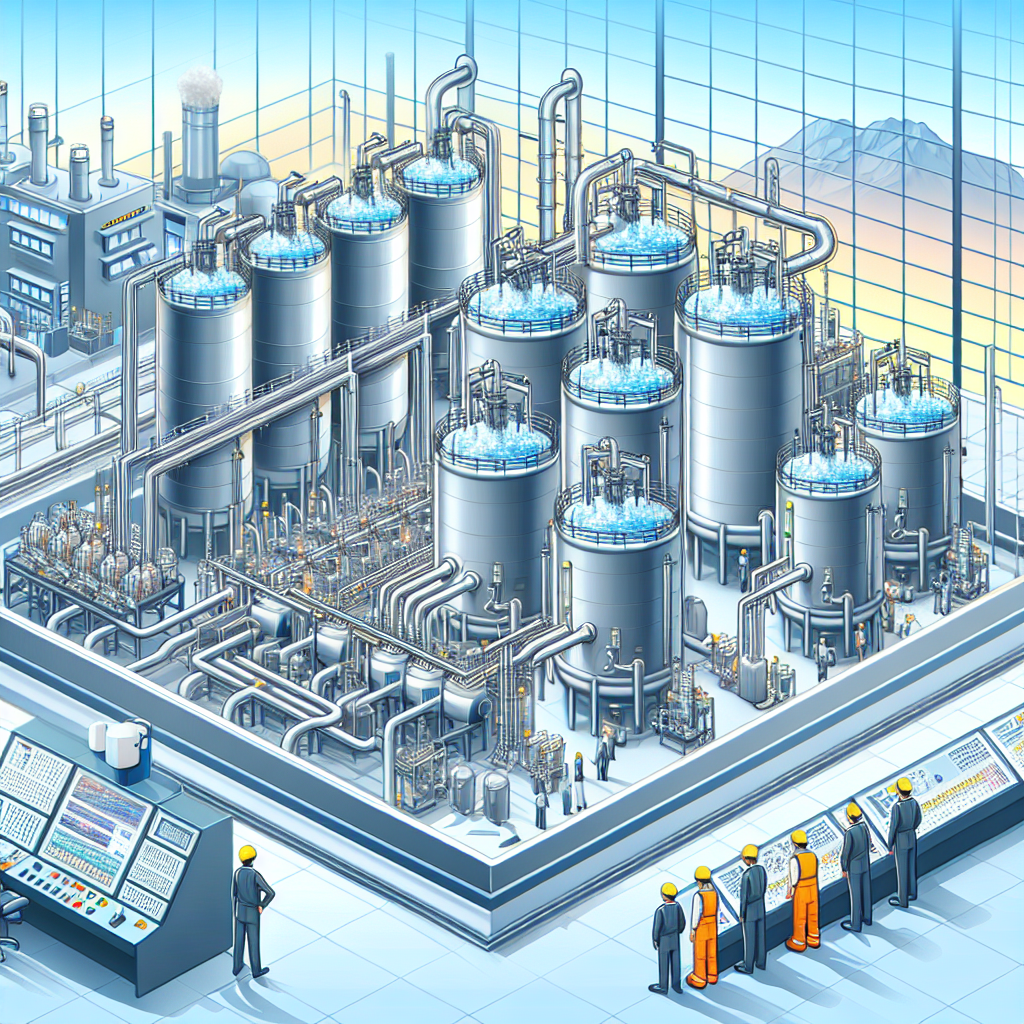
Despite its numerous benefits, the implementation of SBR systems is not without challenges. One significant concern is the need for precise control and automation. The sequential nature of the process necessitates careful timing and management of each phase, often requiring sophisticated control systems and expertise.
Moreover, sludge management within SBR systems can be complex. The periodic removal of treated water must be carefully managed to ensure sludge does not accumulate beyond optimal levels, posing operational challenges. Solutions to these issues often involve advanced monitoring and control systems, ensuring timely interventions and adjustments to maintain process efficiency.
Another challenge is the need for robust biological systems capable of handling varying influent qualities. This necessitates ongoing research and development to enhance the resilience and adaptability of the microbial communities involved in the treatment process. Collaboration between engineers, microbiologists, and environmental scientists is crucial to overcoming these hurdles and maximizing the potential of SBR systems.
Case Studies and Success Stories
Numerous case studies highlight the success of SBR systems in diverse settings. In urban wastewater treatment plants, SBRs have demonstrated remarkable efficiency in handling large volumes of domestic sewage. For example, in a mid-sized city in Europe, the implementation of SBR technology resulted in compliance with stringent effluent discharge standards, significantly reducing the environmental impact on local water bodies.
Industrial applications have also seen substantial benefits. Factories dealing with high-strength, toxic waste streams have found SBR systems particularly effective. Through careful adjustment of operational parameters, these reactors have managed to degrade complex industrial pollutants, ensuring regulatory compliance and protecting the surrounding ecosystem.
In rural and remote areas, modular SBR units have provided viable onsite treatment solutions, enabling communities to manage wastewater sustainably without extensive infrastructure investments. These success stories underscore the versatility and adaptability of SBR technology in meeting varied wastewater treatment needs.
Future Prospects and Innovation in SBR Technology
The future of Sequential Batch Reactor technology looks promising, driven by ongoing innovations and increasing awareness of the need for sustainable wastewater treatment solutions. Advances in automation and control systems are making SBR operations more streamlined, minimizing the need for manual intervention and reducing operational costs.
Research into microbial dynamics within SBRs is uncovering new ways to enhance biological nutrient removal, addressing pressing environmental challenges such as eutrophication. Furthermore, integration with renewable energy sources, such as solar power, is making SBR systems more sustainable, minimizing their carbon footprint.
The development of hybrid systems combining SBR with other treatment technologies, such as membrane bioreactors (MBRs) or constructed wetlands, holds the potential to achieve superior treatment performance. These hybrid systems can address the limitations of standalone SBRs, offering a more comprehensive approach to wastewater management.
As the global demand for efficient wastewater treatment continues to rise, the evolution of SBR technology will likely play a pivotal role in meeting this demand. By fostering interdisciplinary collaborations and investing in cutting-edge research, the wastewater treatment industry can continue to leverage the advantages of SBR systems to promote ecological sanitation.
Conclusion
Sequential Batch Reactors have emerged as a cornerstone of modern wastewater treatment, offering unprecedented efficiency and adaptability. As part of the broader EcoSan framework, SBR systems align with the principles of sustainability, leveraging innovative approaches to address pressing environmental challenges.
Through a deep understanding of SBR mechanisms, advantages, and challenges, it becomes evident that these systems represent a significant advancement over traditional methods. Their ability to handle varying influent qualities, enhanced biological nutrient removal capabilities, and compact design make SBRs uniquely suited to diverse treatment scenarios.
Despite the challenges associated with implementation, ongoing innovations and research are continuously improving the performance and reliability of SBR systems. By embracing these advancements, the wastewater treatment industry can ensure that SBRs remain at the forefront of ecological sanitation efforts.
As we look to the future, the continued development and integration of Sequential Batch Reactor technology will be crucial in promoting sustainable wastewater management practices worldwide. By fostering innovation and collaboration, we can harness the full potential of SBR systems, creating a cleaner, healthier environment for future generations.