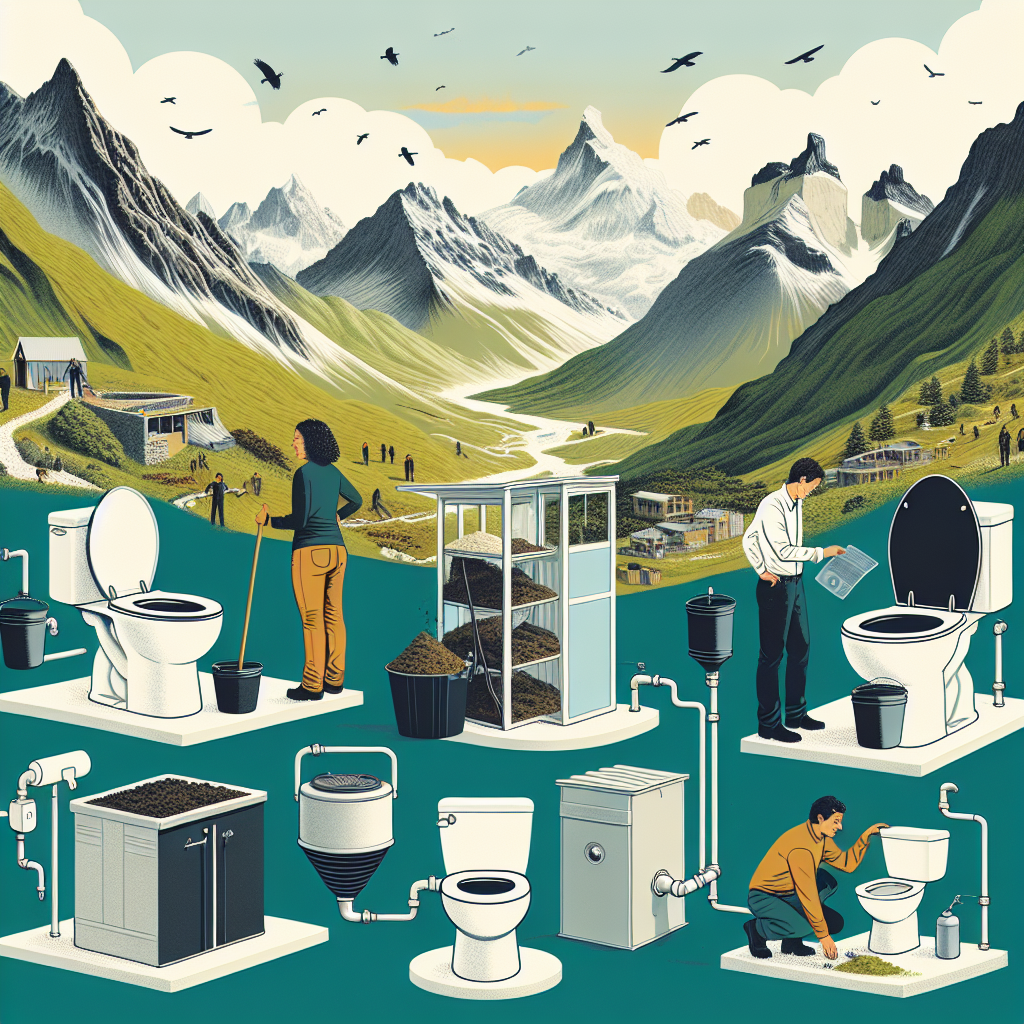
In a world constantly searching for sustainable solutions, ecological sanitation emerges as a key player in changing how we manage waste and conserve resources. One of the most promising innovations in this realm is the Urine-Diverting Dry Toilet (UDDT). This remarkable device separates urine and feces at the source, allowing each to be treated and repurposed in an environmentally friendly manner. As we look to the future, it is essential to explore the trends and improvements that will drive the advancement and widespread adoption of UDDTs.
EcoSan methods, including UDDTs, focus on closing the loop between sanitation and agriculture by transforming human waste into valuable agricultural inputs. By separating urine and feces, UDDTs reduce pathogen risks, simplify waste treatment, and promote nutrient recycling. However, the technology is not without its challenges, including cultural acceptance, maintenance, and cost. Advances and new trends in UDDTs are addressing these challenges to make them more efficient, user-friendly, and financially viable.
Advances in Technology and Design
Modern UDDTs are a far cry from their early counterparts, thanks to significant technological and design improvements. One notable trend is the integration of smart technology to monitor and manage UDDT systems. Sensors can detect fill levels, usage patterns, and even potential system failures, allowing for timely maintenance and efficient operation.
Design innovations also focus on enhancing user experience and hygiene. Improved urine diversion mechanisms, odor control technologies, and more aesthetically pleasing designs make UDDTs more appealing to users. Modular components streamline assembly, maintenance, and repairs, reducing the overall cost and improving system longevity.
Material Innovations and Durability
The materials used in UDDTs have also seen significant advancements. Engineers and designers are experimenting with sustainable and durable materials like recycled plastics, bamboo, and other biodegradable substances. These materials not only reduce the environmental impact of UDDT production but also improve the longevity and maintenance of the units.
Composite materials, in particular, offer a unique combination of strength, durability, and sustainability. They are resistant to harsh environmental conditions, reduce the risk of leaks, and require less frequent replacement. Additionally, researchers are exploring coatings and treatments that enhance the antimicrobial properties of UDDT surfaces, further improving hygiene and reducing maintenance needs.
Enhanced Community Engagement and Education
One of the most critical factors for the successful implementation of UDDTs is community engagement. Education and awareness programs play a pivotal role in changing perceptions and promoting the acceptance of these innovative sanitation solutions. Initiatives that involve local communities in the design, implementation, and maintenance of UDDTs foster a sense of ownership and responsibility, enhancing long-term success.
Organizations and governments are increasingly recognizing the importance of comprehensive education campaigns that address cultural barriers and highlight the benefits of UDDTs. By integrating UDDT programs with broader community development efforts, these campaigns can create a more supportive environment for EcoSan adoption and sustainability.

Improved Waste Processing and Resource Recycling
The future of UDDTs lies in more efficient waste processing and resource recycling technologies. Innovations in urine treatment and fecal composting are paving the way for more effective nutrient recovery. Advanced composting methods, such as vermicomposting, can speed up the decomposition process and produce high-quality compost that enriches soil and boosts crop yields.
Furthermore, developments in urine processing technologies are making it easier to extract valuable nutrients, such as nitrogen and phosphorus, for use as fertilizers. By refining these processes, UDDT systems can contribute to sustainable agriculture while reducing the environmental impact of conventional fertilizer production.
Economic Viability and Scalability
For UDDTs to become a feasible solution on a global scale, they must be economically viable and scalable. Efforts to reduce production costs and improve supply chain efficiencies are making UDDTs more accessible to communities with limited resources. Public-private partnerships, microfinancing, and subsidies can also support the broader adoption of UDDT technology.
Furthermore, the development of scalable models that can be adapted to different contexts and population sizes is crucial. Customizable UDDT systems that cater to urban, rural, and peri-urban areas can enhance flexibility and practicality. By addressing economic and scalability challenges, UDDTs have the potential to become a cornerstone of sustainable sanitation globally.
Policy Support and Sustainable Development Goals (SDGs)
The advancement of UDDTs is closely aligned with global Sustainable Development Goals (SDGs), particularly SDG 6, which aims to ensure access to clean water and sanitation for all. Governments and international organizations play a critical role in creating policy environments that support the development and deployment of UDDT systems.
Policies that incentivize the adoption of innovative sanitation solutions, provide funding for research and development, and promote collaboration between public and private sectors can accelerate the growth and impact of UDDTs. Additionally, integrating UDDTs into broader sustainable development strategies can magnify their benefits, helping to achieve multiple SDGs simultaneously.
Conclusion
As we stride towards a more sustainable future, UDDTs are poised to play a significant role in transforming sanitation practices and promoting environmental stewardship. With continued technological advancements, material innovations, community engagement, and policy support, UDDTs can overcome existing challenges and pave the way for effective ecological sanitation solutions.
The future of UDDTs is bright, with trends and improvements that promise to enhance efficiency, user experience, and resource recovery. By embracing these developments and fostering a supportive environment for EcoSan initiatives, we can create a world where sanitation systems are not only safe and hygienic but also contribute positively to our ecosystems and economies.
In conclusion, the journey of UDDTs reflects our collective progress towards sustainable living. As we embrace these innovative sanitation solutions, we contribute to a healthier planet and a more resilient future for all. Let us continue to explore, innovate, and invest in EcoSan technologies to achieve the vision of a cleaner, greener world.