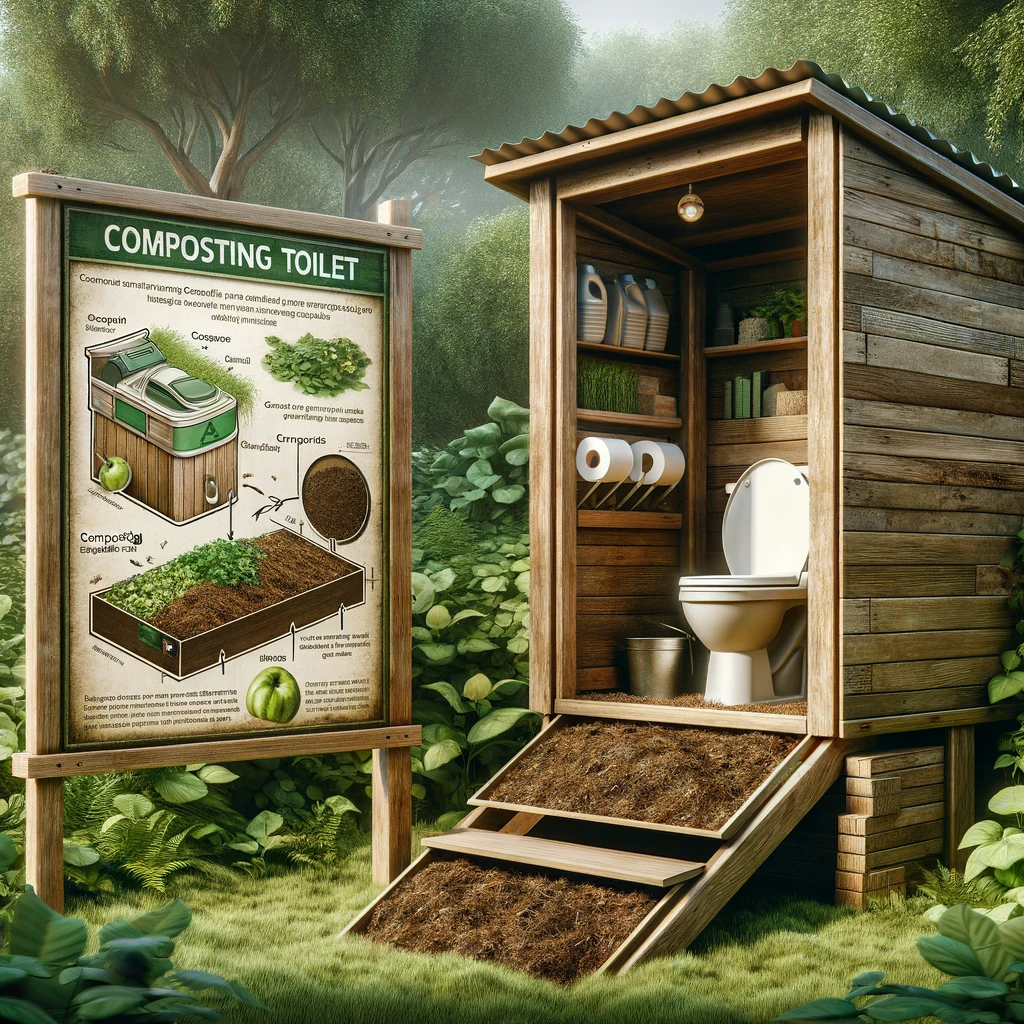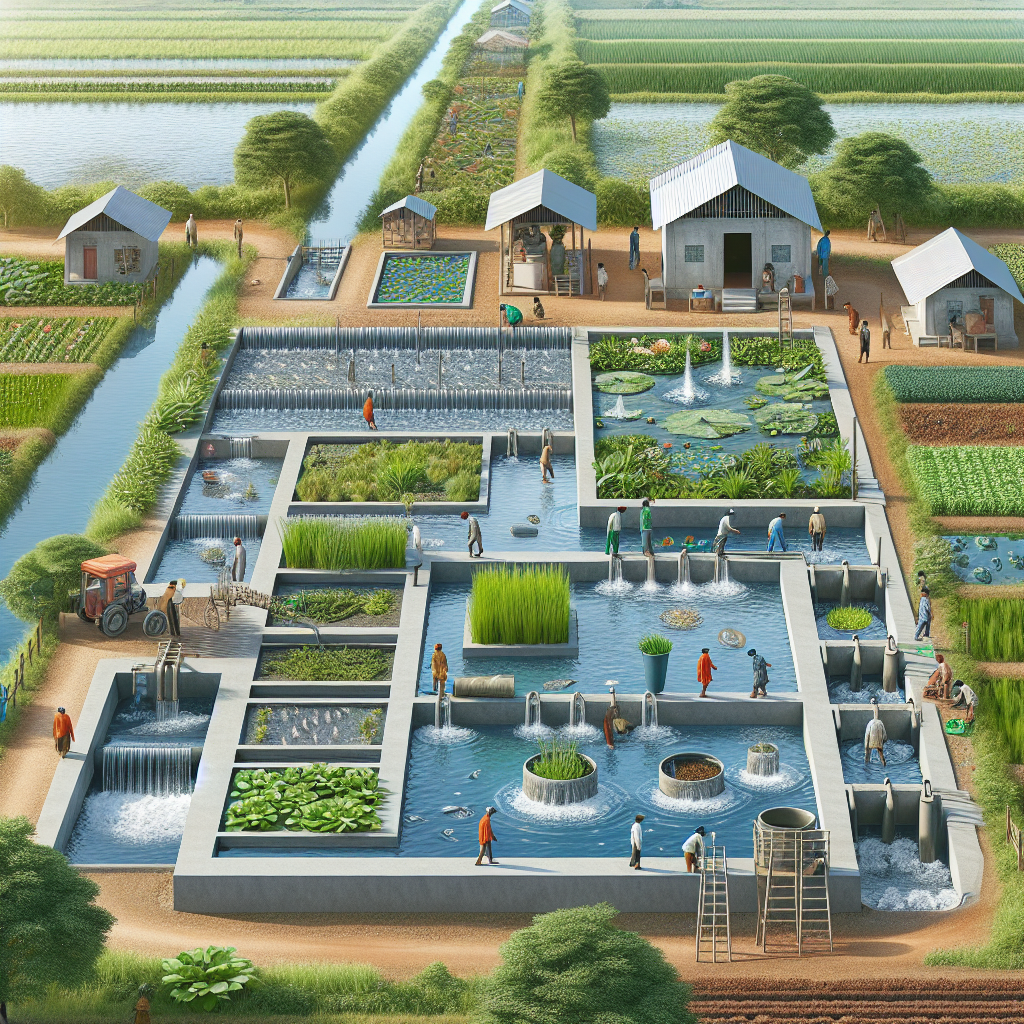
Ecological sanitation (EcoSan) presents a revolutionary approach to improving sanitation in a sustainable manner. Especially in rural areas, traditional sanitation systems often fail due to economic and geographical constraints. Wetland systems, a key method within EcoSan, offer a natural, low-cost, and highly effective solution for sewage treatment. This article delves into the intricacies of designing wetland systems for rural sanitation, highlighting their benefits, implementation processes, and various system types to enhance wastewater management in non-urban communities.
Wetland systems mimic the filtering mechanisms found in natural wetlands, providing an organic way to treat and purify wastewater. These systems are subdivided into constructed wetlands, which serve as artificial swamps designed specifically for water treatment purposes. The principal aim is to utilize natural processes involving vegetation, soil, and microbial activity to treat domestic wastewater. Constructed wetlands have shown promise in managing rural sanitation, owing to their simplicity, cost-effectiveness, and high adaptability to local conditions. As such, they can play a pivotal role in global sanitation efforts.
The Benefits of Wetland Systems
Wetland systems are lauded for their myriad benefits, which contribute to both environmental sustainability and community welfare. One of the primary advantages is their low installation and maintenance costs. Unlike traditional sewage treatment plants, which require significant capital and technical expertise, wetland systems utilize readily available natural materials. This feature makes them particularly appealing for rural areas where financial and technical resources are often limited.
Another key benefit is their ability to enhance biodiversity. Constructed wetlands create a thriving ecosystem that supports a variety of plant and animal species. The presence of diverse flora and fauna not only aids in the natural filtration process but also rejuvenates local ecosystems. Additionally, wetlands play a crucial role in mitigating the effects of floods by acting as natural water reservoirs, which can absorb and slowly release floodwaters.
Moreover, wetland systems help in the reduction of greenhouse gases. By using natural processes to break down and assimilate pollutants, wetlands significantly cut down on energy consumption and reduce carbon footprints. They also transform nutrients in wastewater into forms that are less harmful to the environment, therefore curbing eutrophication in nearby water bodies. The integration of wetland systems into rural sanitation efforts offers a holistic approach to sustaining clean environments while promoting ecological balance.
Types of Wetland Systems in EcoSan
Several types of wetland systems are employed in EcoSan, each tailored to specific needs and environmental conditions. The main categories are Free Water Surface (FWS) wetlands and Subsurface Flow (SSF) wetlands, with the latter being subdivided into horizontal and vertical flow systems.
FWS wetlands are characterized by a shallow body of water that flows over a vegetated substrate. These systems emulate natural wetland environments and are typically used for secondary and tertiary treatment of wastewater. The water level is maintained at a depth that supports plant growth, which in turn aids in the filtration and breakdown of pollutants.
Horizontal SSF wetlands are designed with a gravel bed that filters water horizontally as it passes through. These systems are particularly effective in removing organic matter and pathogens, making them suitable for primary treatment. Vertical SSF wetlands, on the other hand, allow water to percolate vertically through a sand or gravel layer. They are ideal for treating greywater (from sinks, baths, etc.) and urine-diverting dry toilets. The percolation process ensures thorough contact with the filter media, effectively removing contaminants.
Each type of wetland system has its unique applications and benefits. FWS wetlands are often used for larger-scale community projects, while SSF wetlands, both horizontal and vertical, are more suitable for individual households or smaller communities. Selecting the appropriate type depends on the specific sanitation needs, the volume of wastewater, and the geographic and climatic conditions of the area.
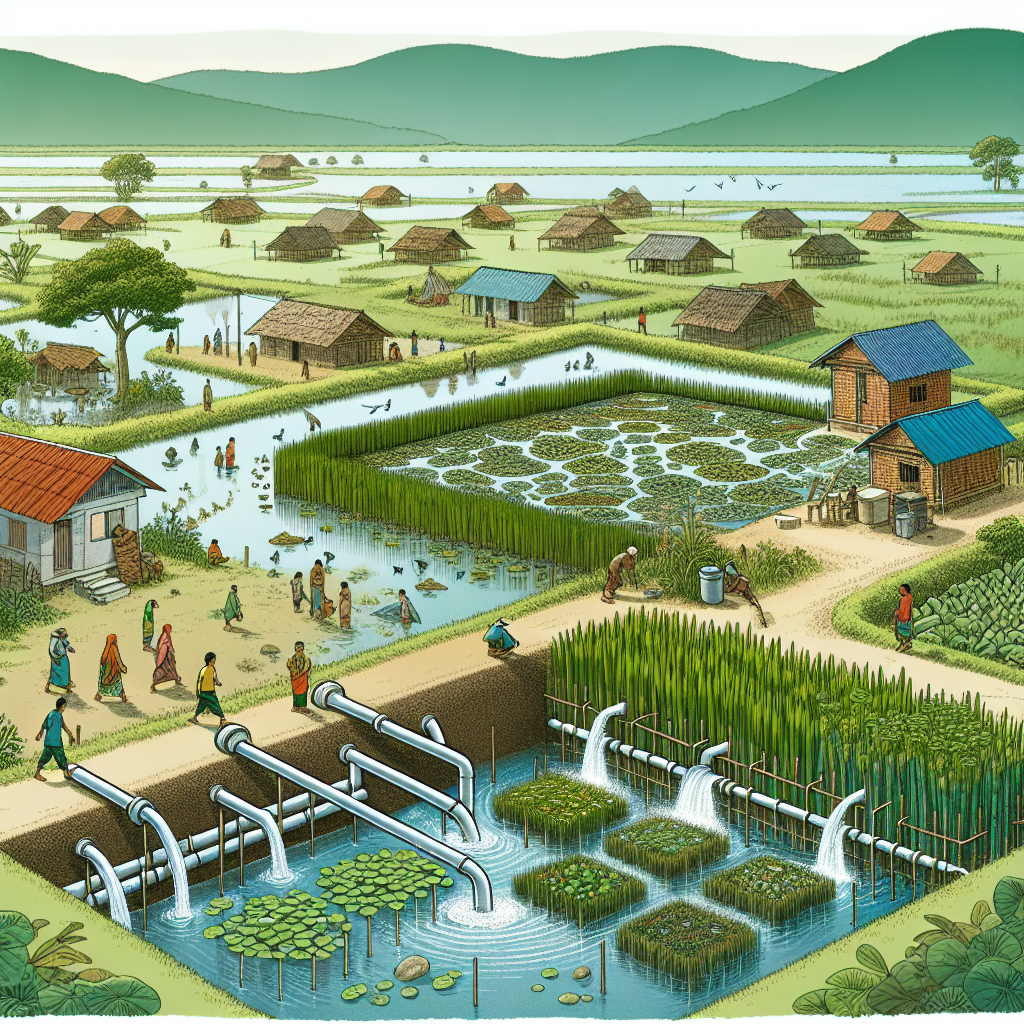
Design Considerations for Wetland Systems
Designing an effective wetland system requires careful planning and adherence to certain ecological and engineering principles. The first step is conducting a thorough site assessment to understand the local conditions such as soil type, available space, water flow patterns, and climate. This data is crucial for selecting the appropriate type and size of the wetland system.
The selection of vegetation is another critical aspect of the design process. Native plants that are well-adapted to the local environment are typically preferred. These plants not only ensure the system’s efficiency but also promote biodiversity. It’s also important to choose plant species that have high nutrient uptake capabilities and can thrive in waterlogged conditions.
Hydraulic loading rate (HLR) and retention time are vital parameters in wetland design. HLR refers to the volume of wastewater that the wetland can handle per unit area, while retention time is the duration the wastewater remains in the system. Proper balancing of these parameters ensures effective treatment and prevents system overload. It’s also essential to design the system to accommodate variations in wastewater flow, especially in regions with significant seasonal changes.
Implementing a monitoring and maintenance plan is key to the long-term success of wetland systems. Regular monitoring helps in evaluating the system’s performance and identifying any operational issues early on. Maintenance activities such as removing accumulated sludge, trimming vegetation, and repairing any structural damages are necessary to keep the system functioning optimally.
Implementation Challenges and Solutions
While wetland systems offer a promising solution for rural sanitation, their implementation comes with certain challenges. One of the primary obstacles is raising awareness and acceptance among communities. Many people are unfamiliar with the concept of constructed wetlands and may have reservations about their effectiveness or perceived odor issues. Conducting community engagement and education programs is crucial for overcoming these barriers. Demonstrating successful case studies and involving community members in the planning and implementation process can foster acceptance and ownership.
Another challenge is financing. Even though wetland systems are cost-effective in the long run, the initial setup costs can be prohibitive for many rural communities. Collaborating with local governments, non-profit organizations, and international development agencies can help secure the necessary funding. Additionally, incorporating cost-sharing arrangements and micro-financing options can alleviate financial burdens on individual households.
Technical expertise is also a critical requirement in the design and construction of wetland systems. Limited access to skilled labor and technical knowledge in rural areas can hinder implementation. Training programs for local technicians and collaboration with academic institutions and environmental organizations can bridge this gap. Providing comprehensive training and resources ensures that local communities can build, operate, and maintain the systems effectively.
Lastly, there are regulatory and policy challenges. In many regions, there is a lack of clear guidelines and regulations for the construction and operation of wetland systems. Advocating for supportive policies and working with regulatory agencies to develop standards and codes of practice are essential steps in facilitating wider adoption of these systems. Establishing a framework for monitoring and compliance ensures that wetland systems are designed and operated according to best practices.
Future Prospects and Innovations in Wetland Sanitation
The future of wetland systems in rural sanitation looks promising, with continuous advancements and innovations enhancing their effectiveness and usability. One of the emerging trends is the integration of photovoltaic (PV) systems with constructed wetlands. This integration allows for the use of solar energy to power pumps and other components, making the systems more energy-efficient and self-sustaining. Solar-powered wetland systems are particularly beneficial in off-grid rural areas where access to conventional electricity is limited.
Another exciting development is the use of hybrid wetland systems, which combine different types of wetland configurations to optimize treatment performance. For instance, linking vertical and horizontal SSF wetlands can enhance the removal of various pollutants by leveraging the strengths of both systems. Hybrid setups are especially useful in handling complex wastewater streams and can be tailored to specific treatment goals and local conditions.
There is also growing interest in the use of constructed wetlands for resource recovery. Wetlands can be designed to not only treat wastewater but also recover valuable resources such as nutrients and biogas. For example, certain wetland plants can be harvested for biomass production, which can then be used as biofuel or compost. Additionally, innovations in wetland design are focusing on enhancing nutrient recovery to support agricultural applications, thereby creating a circular economy within rural communities.
Digital technology is playing a significant role in advancing wetland systems. Remote sensing and data analytics are being used to monitor and manage wetland performance more effectively. Sensors placed in the wetlands can provide real-time data on water quality, flow rates, and plant health. This data can be analyzed to optimize system operations and ensure optimal performance. Furthermore, digital platforms enable remote support and troubleshooting, which is particularly valuable for rural areas with limited access to technical expertise.
The integration of wetland systems with holistic community development plans is another area of growth. Wetlands are being incorporated into broader environmental and social initiatives, such as eco-tourism and educational programs. These initiatives not only enhance the sustainability and resilience of rural communities but also provide additional sources of income and opportunities for environmental stewardship. By adopting an integrated approach, wetland systems can contribute to the overall well-being and development of rural areas.
Conclusion
Wetland systems represent a sustainable and effective solution for addressing rural sanitation challenges. By leveraging natural processes, these systems provide a cost-effective and environmentally friendly approach to wastewater treatment. The diversity of wetland types, including Free Water Surface, Horizontal Subsurface Flow, and Vertical Subsurface Flow wetlands, allows for tailored solutions that meet specific community needs and environmental conditions.
Designing successful wetland systems requires careful consideration of local conditions, appropriate vegetation, and key parameters such as hydraulic loading rate and retention time. Overcoming implementation challenges, including community acceptance, financing, technical expertise, and regulatory support, is essential for the widespread adoption of wetland systems. Community engagement, education, and collaboration with various stakeholders are critical strategies in this endeavor.
Looking ahead, innovations in wetland sanitation, such as the integration of photovoltaic systems, hybrid configurations, resource recovery, and digital technology, hold great promise. These advancements enhance the efficiency, sustainability, and versatility of wetland systems, making them even more valuable for rural sanitation. By incorporating wetland systems into broader community development plans, we can achieve a holistic approach to improving rural sanitation while promoting environmental sustainability and community welfare.
Ultimately, wetland systems offer a practical, adaptable, and eco-friendly solution to the sanitation challenges faced by rural communities. Their successful implementation can lead to improved public health, enhanced biodiversity, reduced environmental impact, and greater resilience to the effects of climate change. As we move forward, it is crucial to continue exploring and investing in wetland systems to create a cleaner, healthier, and more sustainable future for rural areas worldwide.