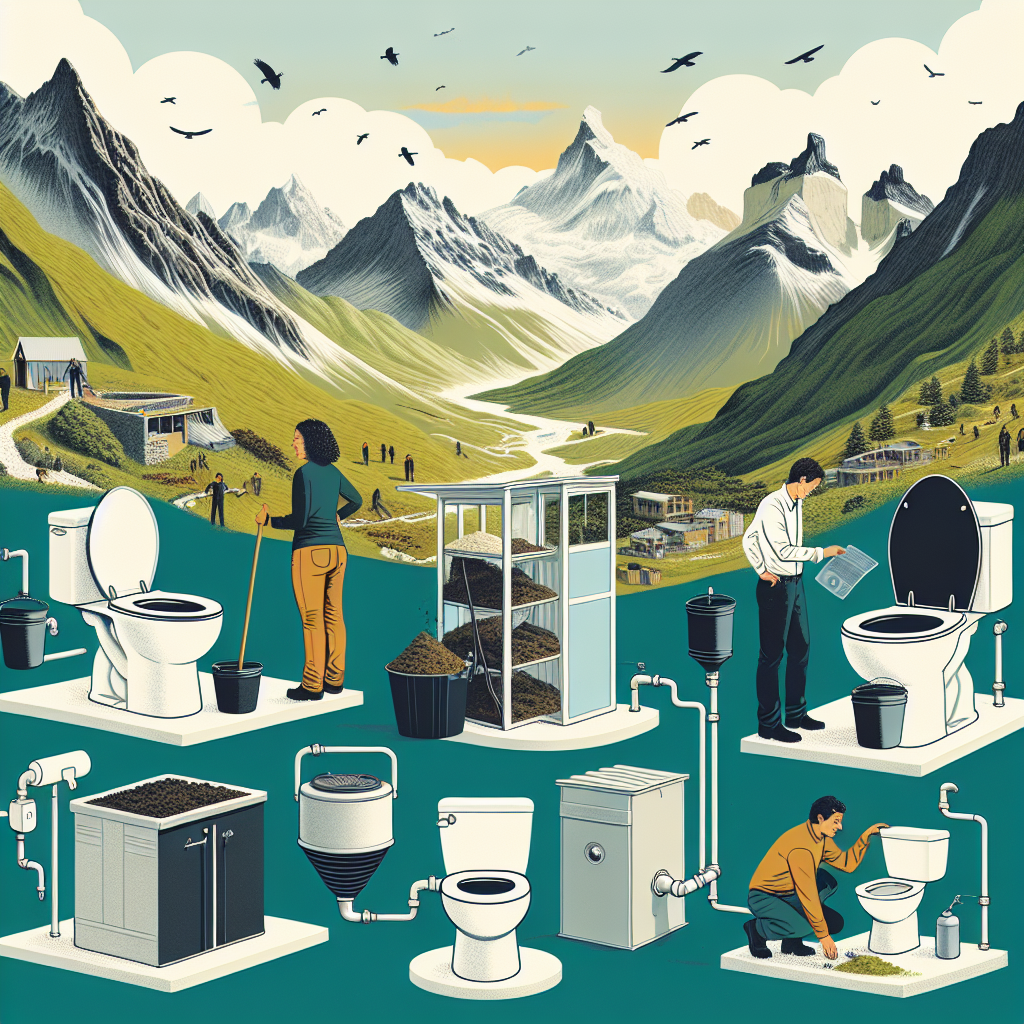
In the quest for sustainable development, attention has often shifted towards creating innovative and eco-friendly solutions, particularly in sanitation. Sanitation plays a crucial role in public health, environmental protection, and human dignity. One such revolutionary approach to sanitation is Ecological Sanitation (EcoSan). The concept of EcoSan revolves around treating human waste as a resource rather than a waste product. This paradigm enables the safe recycling of nutrients back into the environment, minimizing pollution and promoting sustainable agriculture. EcoSan is especially relevant in challenging terrains such as mountainous regions, where traditional sanitation systems may not be practical or efficient. In this comprehensive article, we delve deep into advanced insights into EcoSan technologies specifically tailored for mountainous regions.
Challenges of Sanitation in Mountainous Regions
Sanitation in mountainous areas poses unique challenges. The rugged terrain, limited infrastructure, and harsh climatic conditions make the installation and maintenance of conventional sanitation systems difficult and costly. In addition, the inaccessibility of these regions further exacerbates the situation, particularly during adverse weather conditions when roads may be blocked or washed away. Traditional septic systems, which require extensive piping and a reliable water source, may not be feasible or environmentally sustainable. The high slopes and permeable soil can lead to rapid dissemination of contaminants into water bodies, aggravating environmental and public health concerns.
EcoSan offers a viable alternative by focusing on decentralized, resource-efficient systems that align well with the topographical and environmental constraints of mountainous regions. These systems promote the safe treatment and reuse of human waste, helping conserve water and reduce pollution. However, successful implementation requires a nuanced understanding of local conditions and community engagement to ensure acceptance and sustainability.
Understanding EcoSan Principles
At its core, EcoSan is driven by the principles of minimizing waste, recycling resources, and protecting public health. The primary steps involved in EcoSan systems include the separation of urine and feces, their subsequent treatment, and the final safe use of the treated products. Urine diversion is a critical component, as urine contains most of the nutrients found in human waste, such as nitrogen, phosphorus, and potassium, which can be directly utilized as a nutrient-rich fertilizer. Feces, on the other hand, require more rigorous treatment to remove pathogens before being safely used or returned to the soil.
EcoSan systems vary in complexity, from the low-tech, locally constructed composting toilets to advanced technologies that incorporate mechanized treatment and nutrient recovery. The flexibility and adaptability of EcoSan make it suitable for various contexts, including remote and inaccessible areas like mountainous regions. The use of locally available materials and simple maintenance procedures further enhances the feasibility and sustainability of these systems.

Case Study: Successful Applications in Mountainous Areas
Several successful implementations of EcoSan in mountainous regions worldwide serve as promising models. For instance, the rural communities in the Andes of Peru have benefited significantly from EcoSan toilets. Given the high altitude and cold climate, traditional flush toilets were impractical. However, the introduction of urine-diverting dry toilets (UDDTs) has addressed the sanitation needs effectively. These toilets separate urine and feces, allowing for the composting of feces and immediate use of urine as a fertilizer for local agriculture. The community-driven approach and education on the benefits of EcoSan have been pivotal in ensuring acceptance and sustained use.
Another notable application can be seen in the Himalayan regions of Nepal, where EcoSan toilets have been integrated into the daily lives of remote villages. Here, the focus has been on building ecosensitive, low-cost toilets that blend well with the local environment. These projects, often spearheaded by non-governmental organizations (NGOs), have demonstrated that EcoSan systems can be both effective and culturally acceptable, providing a blueprint for similar initiatives in other mountainous regions.
Innovative EcoSan Technologies for Mountainous Regions
Innovations in EcoSan technology continue to emerge, enhancing the efficiency and applicability of these systems in challenging environments like mountainous regions. One such development is the use of biochar-enhanced latrines. Biochar, a carbon-rich product obtained from biomass pyrolysis, is used to treat human waste. Mixing biochar with feces accelerates the composting process, reduces odors, and improves the nutrient content of the final compost. This method has shown promising results in both temperate and tropical mountainous climates.
Another advanced technology is the solar-powered dehydration toilet, which leverages solar energy to dry and sanitize human waste. This system is particularly useful in regions with abundant sunlight, offering a low-maintenance and energy-efficient solution. The dried waste can then be safely used as a soil conditioner. Furthermore, mobile EcoSan units, designed for easy transport and setup, provide flexibility in addressing sanitation needs in remote and temporary settlements, such as those established after natural disasters.
Community Engagement and Education
A critical factor in the success of EcoSan projects is community engagement and education. The acceptance and proper use of EcoSan systems depend heavily on the local population’s awareness and understanding of the benefits and operations of these technologies. Training programs and workshops that focus on the principles of EcoSan, hygiene practices, and the safe handling and use of treated products are essential. Engaging community leaders and involving local artisans in the construction of EcoSan facilities can further foster ownership and long-term sustainability.
Educational campaigns that highlight the environmental and agricultural benefits of EcoSan can help shift perceptions and gain community buy-in. Moreover, participatory approaches that incorporate feedback and address the specific needs and preferences of the community are crucial in designing and implementing effective sanitation solutions. By fostering a sense of ownership and responsibility, communities are more likely to embrace and sustain EcoSan initiatives.
Barriers and Solutions for Scaling Up
While the benefits of EcoSan are well-documented, scaling up these systems across broader regions presents several challenges. Financial constraints, lack of technical expertise, and cultural resistance can hinder widespread adoption. Addressing these barriers requires a multifaceted approach. Financially, governments and development agencies can play a pivotal role by providing subsidies and grants to support the installation and maintenance of EcoSan systems. Additionally, micro-financing options can enable households to invest in these technologies gradually.
Building local capacity through training programs and partnerships with local institutions can address the technical knowledge gap. This involves not only training individuals to construct and maintain EcoSan systems but also developing a cadre of local experts who can provide ongoing support and innovation. To overcome cultural resistance, it is essential to engage communities early in the planning process, ensuring that EcoSan solutions are tailored to local preferences and norms. Demonstration projects showcasing successful implementations can also help build trust and acceptance.
Conclusion
Ecological Sanitation offers a sustainable and resilient approach to addressing the sanitation challenges in mountainous regions. By treating human waste as a valuable resource, EcoSan promotes environmental protection, public health, and agricultural productivity. The flexibility of EcoSan systems allows for adaptation to diverse and challenging topographies, making them particularly suited for remote and inaccessible areas.
Successful EcoSan projects in various mountainous regions have highlighted the importance of community engagement, innovative technologies, and educational initiatives. By addressing financial, technical, and cultural barriers, these projects demonstrate that scaling up EcoSan is both feasible and impactful. As we continue to witness the adverse effects of climate change and resource depletion, adopting sustainable sanitation solutions like EcoSan is imperative. With concerted efforts from governments, NGOs, communities, and individuals, EcoSan can play a transformative role in achieving global sanitation goals and fostering sustainable development in mountainous regions worldwide.