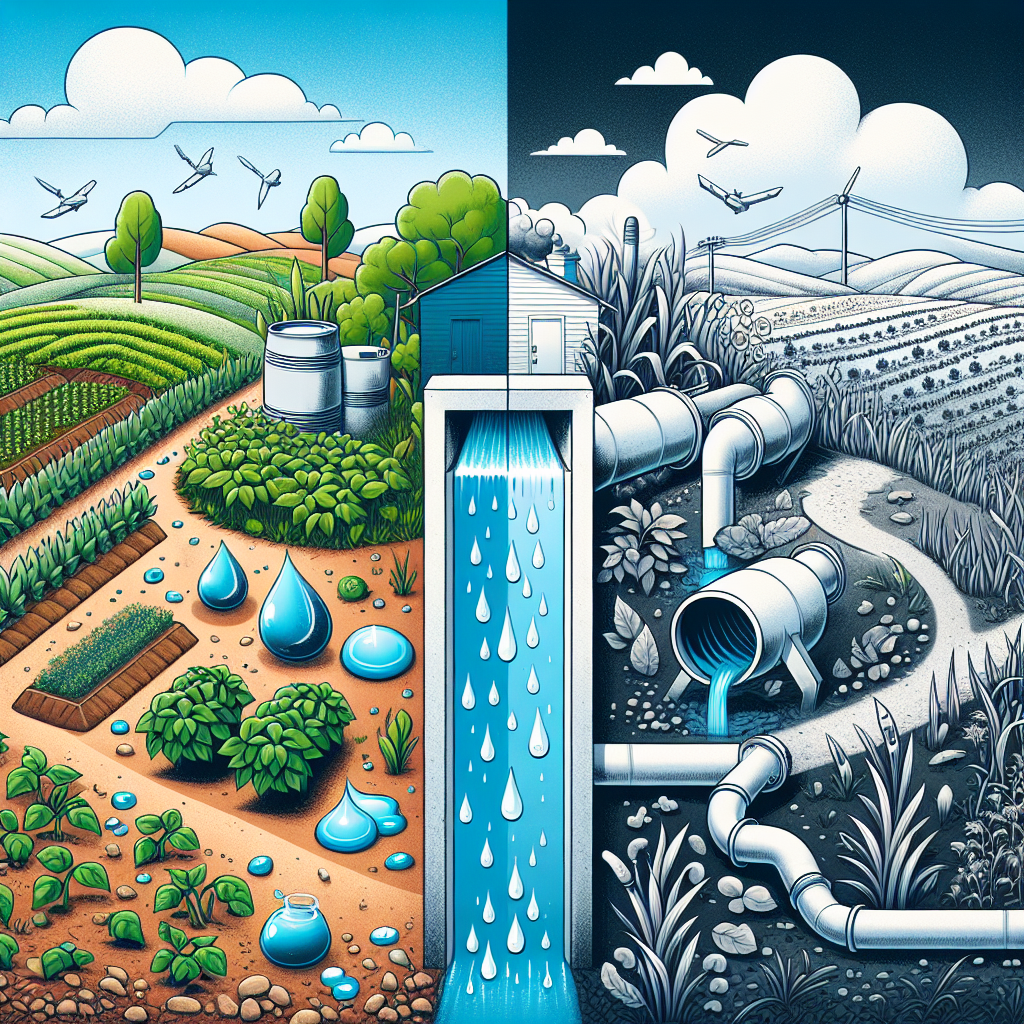
Ecological Sanitation, often abbreviated as EcoSan, represents a sustainable, resource-oriented approach to sanitation. Unlike traditional methods, which often focus on waste disposal, EcoSan emphasizes the treatment and reuse of human waste as a resource. The ingenuity of EcoSan lies in its ability to address the pressing environmental concerns of nitrogen and phosphorus pollution, which are primary contributors to water eutrophication, a destructive over-enrichment of water bodies with nutrients. This leads to detrimental effects on aquatic environments, affecting ecosystems and human health.
Traditional waste management systems, including those involving sewage treatment plants and septic tanks, often fail to fully capture and process these nutrients, allowing them to leach into soils and waterways. In contrast, EcoSan systems aim to close the nutrient loop, transforming what was once waste into a valuable asset for agriculture. Through this process, waste is sanitized and converted into safe fertilizers that can enrich soils and promote plant growth, thereby addressing both sanitation issues and agricultural needs.
One of the critical motivations behind adopting EcoSan is its potential to significantly reduce nitrogen and phosphorus pollution. These nutrients, while essential for plant growth, can cause severe environmental issues when they accumulate in water bodies. The runoff from agricultural fields, untreated human waste, and industrial activities are primary sources of such pollution. When implemented effectively, EcoSan can mitigate these impacts by repurposing waste into productive uses, ensuring that these nutrients are cycled back into the environment in a controlled and beneficial manner.
In this article, we will explore the various methods of EcoSan, their effectiveness in reducing environmental pollution, and their potential benefits. We will also delve into the challenges associated with implementing EcoSan systems and the future prospects of this innovative approach to sustainable sanitation.
Methods of EcoSan
EcoSan employs a variety of methods, each tailored to different environments and needs. The key principle underlying all these methods is the separation and treatment of human waste to recover nutrients and convert them into sanitizable forms. Some of the most commonly used EcoSan methods include composting toilets, urine-diverting dry toilets (UDDTs), and biogas systems.
Composting toilets are perhaps the most well-known EcoSan technology. These systems decompose human excreta through an aerobic process, generating compost that can be used as a soil conditioner. By leveraging natural microbial processes, composting toilets effectively sanitize waste, reducing pathogen loads and minimizing the risk of disease transmission. They also capture and stabilize nitrogen and phosphorus, preventing these nutrients from leaching into waterways.
Urine-diverting dry toilets (UDDTs) take a slightly different approach by separating urine from feces. Urine, which is rich in nitrogen and phosphorus, can be collected and diluted for use as a liquid fertilizer. This separation not only facilitates nutrient recovery but also reduces the volume of waste that needs to be treated. The solid waste, on the other hand, is typically treated through composting or other processes to produce a sanitized, nutrient-rich humus.
Biogas systems offer another innovative EcoSan method. These systems use anaerobic digestion to break down organic waste, including human excreta, producing biogas (a mixture of methane and carbon dioxide) that can be used as a renewable energy source. The byproduct of this process is a nutrient-rich slurry that can be used as fertilizer. Biogas systems therefore address both sanitation and energy needs, offering a multifaceted solution to environmental sustainability.

Effectiveness of EcoSan in Reducing Pollution
The effectiveness of EcoSan systems in reducing nitrogen and phosphorus pollution is well-documented. By capturing and treating these nutrients at the source, EcoSan prevents their uncontrolled release into the environment. Studies have shown that properly implemented EcoSan systems can significantly reduce nutrient loads in wastewater, contributing to healthier water bodies and reduced incidences of eutrophication.
For instance, composting toilets have been shown to capture up to 70% of the nitrogen and 80% of the phosphorus present in human waste. Through the composting process, these nutrients are stabilized and transformed into forms that are less likely to leach into water sources. Similarly, UDDTs can recover up to 90% of the urine’s nutrients, providing an efficient means of reclaiming valuable fertilizers.
The nutrient recovery and reuse approach inherent to EcoSan contrasts sharply with conventional wastewater treatment methods, which often focus on removing and disposing of waste rather than reclaiming resources. Traditional wastewater treatment plants may remove nutrients but frequently transfer them to sludge, which can still pose environmental risks if not managed properly. EcoSan, by reconfiguring waste into a resource, minimizes these risks and supports more sustainable nutrient cycles.
Implementation Challenges
While EcoSan presents numerous benefits, its implementation is not without challenges. One significant barrier is the cultural acceptance of using human waste as fertilizer. In many regions, societal norms and perceptions around excreta reuse need to be addressed through education and awareness campaigns to foster acceptance of EcoSan solutions.
Technical challenges also exist. Designing and maintaining effective EcoSan systems requires expertise and resources that may not be readily available in all contexts, particularly in low-income or rural areas. Addressing these challenges necessitates capacity-building initiatives and investments in infrastructure development. Additionally, ensuring the safe handling and treatment of waste to avoid pathogen transmission is critical. Robust protocols for waste management and regular monitoring are essential components of successful EcoSan implementations.
Economic considerations are also crucial. While EcoSan can be cost-effective in the long run by reducing the need for chemical fertilizers and preventing environmental damage, the initial setup costs can be a barrier. Funding mechanisms, subsidies, and incentives may be required to encourage the adoption of EcoSan solutions, especially in resource-constrained settings.
Future Prospects
Despite the challenges, the future prospects for EcoSan are promising. As awareness of the environmental impacts of nitrogen and phosphorus pollution grows, so too does the recognition of the need for sustainable sanitation solutions. Innovations in EcoSan technology continue to emerge, enhancing the efficiency and effectiveness of these systems.
Research and development efforts are focused on improving the design and performance of EcoSan systems, making them more user-friendly, affordable, and adaptable to diverse contexts. Advances in microbial technology, material science, and resource recovery processes are driving these innovations, paving the way for more robust and resilient EcoSan solutions.
Policy support and international collaborations are also critical to the future of EcoSan. Governments, non-governmental organizations, and international agencies are increasingly recognizing the value of EcoSan and incorporating it into broader environmental and public health strategies. By integrating EcoSan into policy frameworks and providing the necessary support for its implementation, these stakeholders can help scale up the adoption of sustainable sanitation practices globally.
Conclusion
In conclusion, EcoSan represents a transformative approach to sanitation that aligns with the principles of sustainability and environmental stewardship. By effectively capturing and reusing nutrients from human waste, EcoSan systems significantly reduce nitrogen and phosphorus pollution, mitigating the risks of water eutrophication and contributing to healthier ecosystems. The diverse methods of EcoSan, including composting toilets, UDDTs, and biogas systems, offer adaptable solutions that can be tailored to various contexts and needs.
However, the successful implementation of EcoSan requires addressing cultural, technical, and economic challenges through targeted efforts in education, capacity building, and policy support. As the global community continues to confront environmental and public health challenges, EcoSan offers a viable pathway towards sustainable sanitation and nutrient management.
The future of EcoSan is bright, with ongoing research and innovation enhancing the effectiveness and accessibility of these systems. By fostering a greater understanding of the benefits of EcoSan and supporting its adoption, we can pave the way for a cleaner, healthier, and more sustainable world.