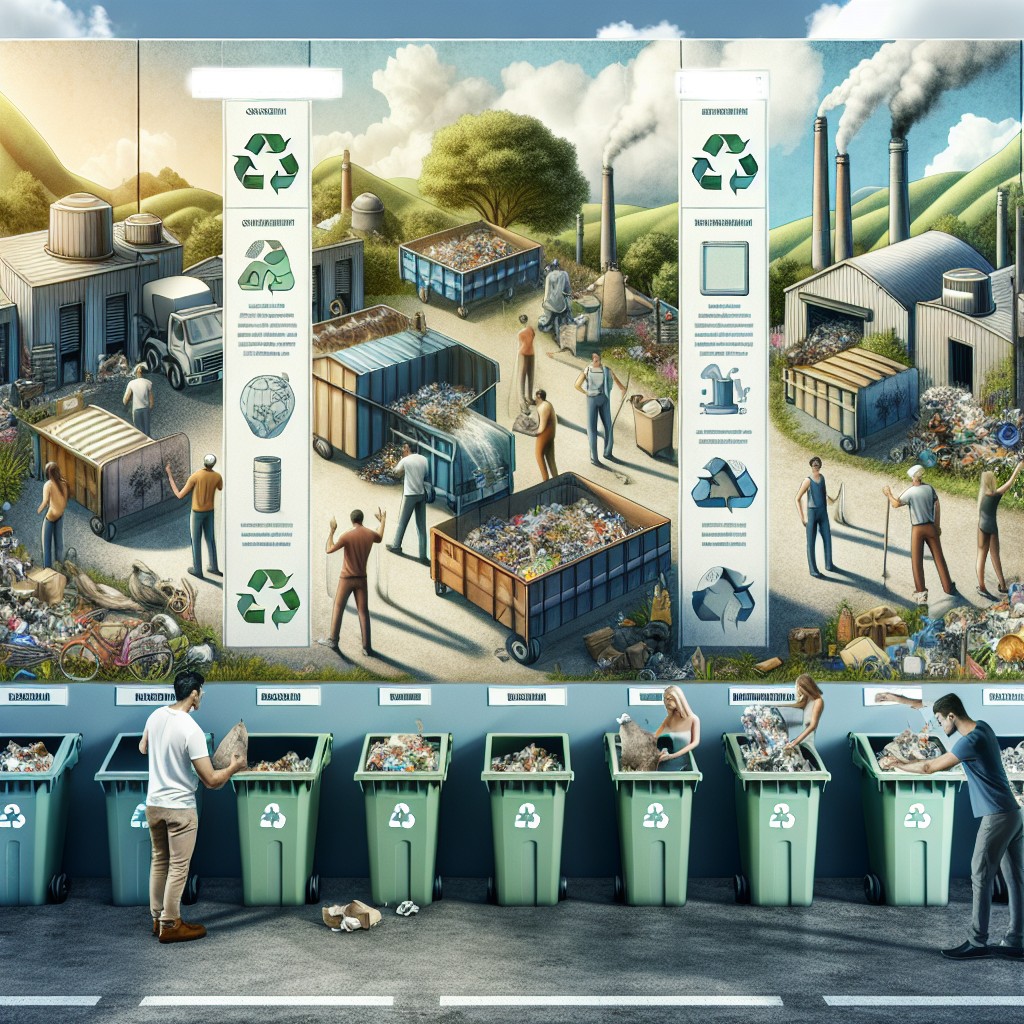
Ecological sanitation (EcoSan) has gained significant attention as a sustainable approach to managing waste and conserving resources. With the advent of new technologies, particularly Artificial Intelligence (AI), optimizing sanitation systems has become more effective and efficient. This comprehensive guide explores methods for enhancing EcoSan systems through the integration of AI.
Introduction
As we move towards a more sustainable future, the need for eco-friendly sanitation solutions becomes ever more imperative. Traditional sanitation systems are often resource-intensive and can have negative impacts on the environment. Ecological Sanitation (EcoSan) offers a promising alternative, focusing on the sustainable and efficient management of human waste by recycling nutrients back into the environment. However, implementing EcoSan efficiently requires advanced methods and strategies, and this is where Artificial Intelligence (AI) comes into play.
AI has the potential to revolutionize the way we approach EcoSan by providing intelligent, data-driven insights that can optimize every aspect of these systems. From improving operational efficiency to enhancing the user experience, AI-driven solutions are becoming indispensable tools in the quest for sustainable sanitation. In this article, we’ll delve into the various ways AI can be harnessed to optimize EcoSan systems, ensuring that they are both effective and sustainable.
The role of AI in EcoSan is multifaceted, offering solutions that range from predictive analytics and automated monitoring to intelligent control systems. These technologies not only make EcoSan systems more efficient but also ensure that they are scalable and adaptable to diverse environmental and social contexts. Read on to discover the cutting-edge methods that leverage AI for optimizing EcoSan and how these innovations are paving the way for a cleaner, greener future.
AI-Driven Predictive Analytics
Predictive analytics is a powerful tool in the realm of AI that can significantly enhance the effectiveness of EcoSan systems. By analyzing historical data and identifying trends, predictive analytics can forecast future outcomes and inform decision-making processes. In the context of sanitation, AI-driven predictive analytics can anticipate maintenance needs, detect anomalies, and optimize resource allocation.
For instance, AI algorithms can analyze data from sensors embedded in sanitation systems to predict when a composting toilet might need to be emptied or when a bio-digester might require maintenance. This preemptive approach not only prevents system failures but also ensures that resources are used efficiently. Moreover, predictive analytics can help in planning for future expansions or modifications of EcoSan systems, ensuring that they remain sustainable in the long term.
Another critical application of predictive analytics is in the management of waste by-products. AI can predict the nutrient content of compost or biogas output, enabling better planning for the reuse of these resources in agriculture or energy production. This not only closes the loop in nutrient cycles but also adds economic value to EcoSan systems.
By leveraging AI-driven predictive analytics, EcoSan systems can achieve higher levels of efficiency, reliability, and sustainability. The ability to foresee and address potential issues before they become critical problems is a game-changer in the field of ecological sanitation.
Real-Time Monitoring and Data Collection
One of the most significant benefits of integrating AI into EcoSan systems is the capability for real-time monitoring and data collection. This continuous stream of data is vital for understanding system performance and making timely adjustments to maintain optimal operation. Embedded sensors and IoT (Internet of Things) devices can collect a wide range of data, from temperature and humidity levels in composting toilets to the chemical composition of wastewater in treatment facilities.
AI systems can analyze this data in real-time, providing actionable insights that can be used to fine-tune operations. For example, if sensors detect an unexpected change in the pH level of a bio-digester, the AI system can immediately alert operators or automatically adjust parameters to rectify the issue. This not only enhances the system’s reliability but also extends its lifespan by preventing wear and tear due to suboptimal conditions.
Moreover, real-time monitoring enables the early detection of potential health hazards, such as the presence of harmful bacteria or pathogens in treated waste. AI can quickly identify these risks and take corrective actions, ensuring that the EcoSan system remains safe and hygienic for users and the environment.
In sum, the integration of AI for real-time monitoring and data collection transforms EcoSan systems into intelligent, self-regulating entities. This leads to improved performance, reduced operational costs, and enhanced environmental and public health outcomes.
Automated Control Systems
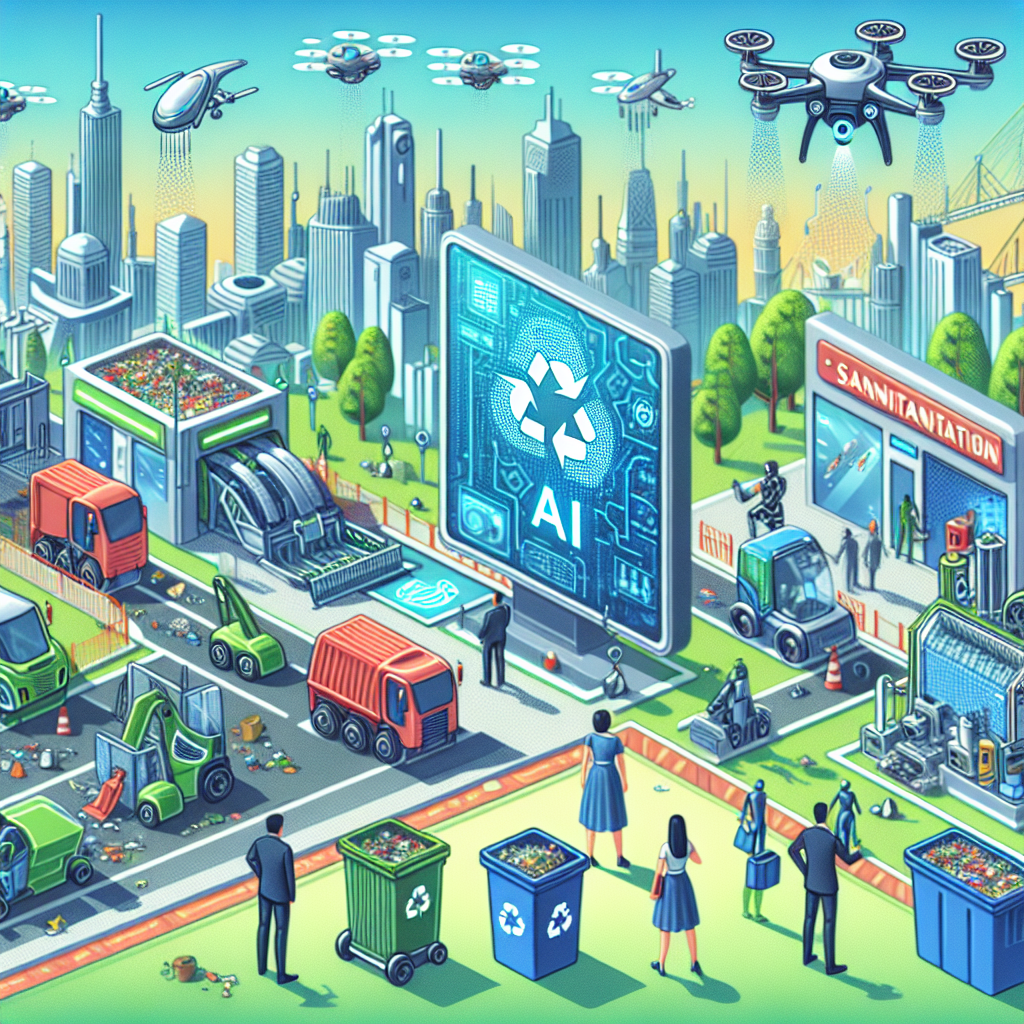
Automated control systems driven by AI are another crucial component in optimizing EcoSan systems. These systems can manage various aspects of sanitation processes autonomously, reducing the need for human intervention and minimizing the risk of human error. For example, AI can be used to control the aeration in composting toilets, ensuring that the composting process remains efficient and odor-free.
In wastewater treatment facilities, AI-driven automated control systems can regulate the flow rates, temperature, and chemical treatments, optimizing the purification process. These systems can adjust parameters in real-time based on sensor feedback, maintaining optimal conditions for microbial activity and ensuring high-quality effluent.
Automated control systems also play a vital role in energy management within EcoSan systems. AI can optimize the use of renewable energy sources, such as solar panels or biogas generators, ensuring that the system operates sustainably and cost-effectively. This not only reduces the carbon footprint of sanitation systems but also makes them more economically viable for rural and underserved communities.
By automating critical functions, AI-driven control systems enhance the resilience and efficiency of EcoSan systems. They ensure that these systems can adapt to varying conditions and demands, providing consistent and reliable sanitation solutions.
User Experience and Community Engagement
While the technical aspects of EcoSan systems are crucial, the success of these initiatives also depends heavily on user experience and community engagement. AI can play a significant role in this area by providing intuitive, user-friendly interfaces and personalized support.
For instance, AI-powered mobile apps can guide users on the proper use and maintenance of EcoSan facilities, ensuring that they are used correctly and efficiently. These apps can provide real-time feedback, reminders, and troubleshooting tips, making it easier for users to adopt and sustain EcoSan practices.
Furthermore, AI can facilitate community engagement by analyzing data on user interactions and feedback. This information can be used to tailor community outreach programs, educational campaigns, and training sessions, ensuring that they resonate with the specific needs and preferences of the community.
By enhancing user experience and community engagement, AI can help overcome some of the social and behavioral barriers to the successful implementation of EcoSan systems. This holistic approach ensures that these systems are not only technically sound but also socially acceptable and sustainable.
Environmental Impact Assessment
Understanding the environmental impact of EcoSan systems is critical for their long-term sustainability. AI can significantly enhance the accuracy and comprehensiveness of environmental impact assessments (EIAs). Traditional EIAs can be time-consuming and labor-intensive, often relying on manual data collection and analysis.
AI can streamline this process by automating data collection and analysis, providing real-time insights into environmental parameters such as soil health, water quality, and biodiversity. Machine learning algorithms can also be used to model the long-term environmental impacts of different EcoSan strategies, helping planners choose the most sustainable options.
For example, AI can analyze satellite imagery and remote sensing data to monitor changes in land use and vegetation cover, providing valuable information on the ecological impacts of waste recycling practices. This data can be used to optimize site selection for EcoSan facilities, ensuring that they are located in areas that minimize environmental disruption.
By leveraging AI for environmental impact assessment, EcoSan initiatives can make more informed decisions that balance the needs of sanitation with the imperative of environmental conservation. This integrated approach ensures that EcoSan systems contribute positively to the broader goals of sustainability and ecological health.
Conclusion
The integration of Artificial Intelligence into Ecological Sanitation systems represents a significant advancement in our quest for sustainable and efficient waste management solutions. From predictive analytics and real-time monitoring to automated control systems and enhanced user engagement, AI offers a multitude of benefits that can optimize the performance and sustainability of EcoSan initiatives.
Predictive analytics helps in forecasting maintenance needs and optimizing resource allocation, making EcoSan systems more reliable and efficient. Real-time monitoring and data collection provide continuous insights into system performance, enabling timely adjustments and early detection of potential health hazards. Automated control systems reduce the need for human intervention and minimize the risk of errors, enhancing the resilience and efficiency of sanitation processes.
Moreover, AI can significantly improve user experience and community engagement, ensuring that EcoSan practices are adopted and sustained effectively. Environmental impact assessments powered by AI provide accurate and comprehensive insights into the ecological impacts of EcoSan systems, helping planners make informed decisions that prioritize sustainability.
As we continue to explore and harness the potential of AI, its role in optimizing EcoSan systems will undoubtedly expand, offering new possibilities for creating cleaner, greener, and more sustainable futures. By integrating AI into EcoSan, we can not only improve sanitation outcomes but also contribute to broader environmental and public health goals, paving the way for a more sustainable world.