Bridging Technology with Sustainability
In recent years, the dialogue around sanitation has shifted remarkably, transitioning from mere waste disposal methods to more sustainable practices that enhance ecological balance. Ecological Sanitation (EcoSan) proposes a circuit that transforms waste into resources, emphasizing protection of human health and nurturing the environment. Integrating Internet of Things (IoT) technologies into EcoSan systems is proving to be a game-changer, paving the way for smarter, more efficient sanitation solutions. This confluence not only optimizes waste management but also promises enhanced monitoring and sustainability of resources—cornerstones of modern ecological practices.
Understanding IoT in the Context of EcoSan
IoT, at its core, involves connecting physical devices to the internet, allowing them to communicate and share data. When this technology is applied to sanitation systems, it results in an array of connected sensors, devices, and systems that can monitor, analyze, and manage waste processing in real-time. The primary allure of IoT in EcoSan is its ability to provide data-driven insights that help in making informed decisions regarding water conservation, nutrient recovery, and energy use.
Technologies Revolutionizing EcoSan
Smart Toilets and Sensor-Driven Waste Management
One of the standout applications of IoT in EcoSan is the development of smart toilets. These are not just fixtures but are integrated systems capable of analyzing waste to monitor health metrics and optimize water usage. Sensors in these toilets can detect nutrient levels in waste, enabling precise redirection for composting or bio-energy production. Moreover, IoT-enabled smart toilets can significantly reduce water consumption by adjusting flush volumes based on the waste’s composition and consistency.
Remote Monitoring and Control Systems
IoT technologies facilitate the remote monitoring and management of sanitation facilities, which is especially crucial in isolated or underserved regions. Through remote sensors, operators can track system performance, receive alerts for potential malfunctions, and even control various aspects of the sanitation process remotely. This proactive maintenance not only ensures uninterrupted service but also extends the lifespan of the sanitation infrastructure.
Data Analytics for Enhanced Efficiency
The integration of IoT in EcoSan systems also brings sophisticated data analytics into the fold. By leveraging the data collected from various sensors throughout the sanitation network, planners and engineers can model and predict system behaviors, optimize operations, and identify areas requiring intervention. This not only improves the efficiency of the system but also enhances the scalability of EcoSan solutions across different geographical and cultural landscapes.
Challenges and Considerations
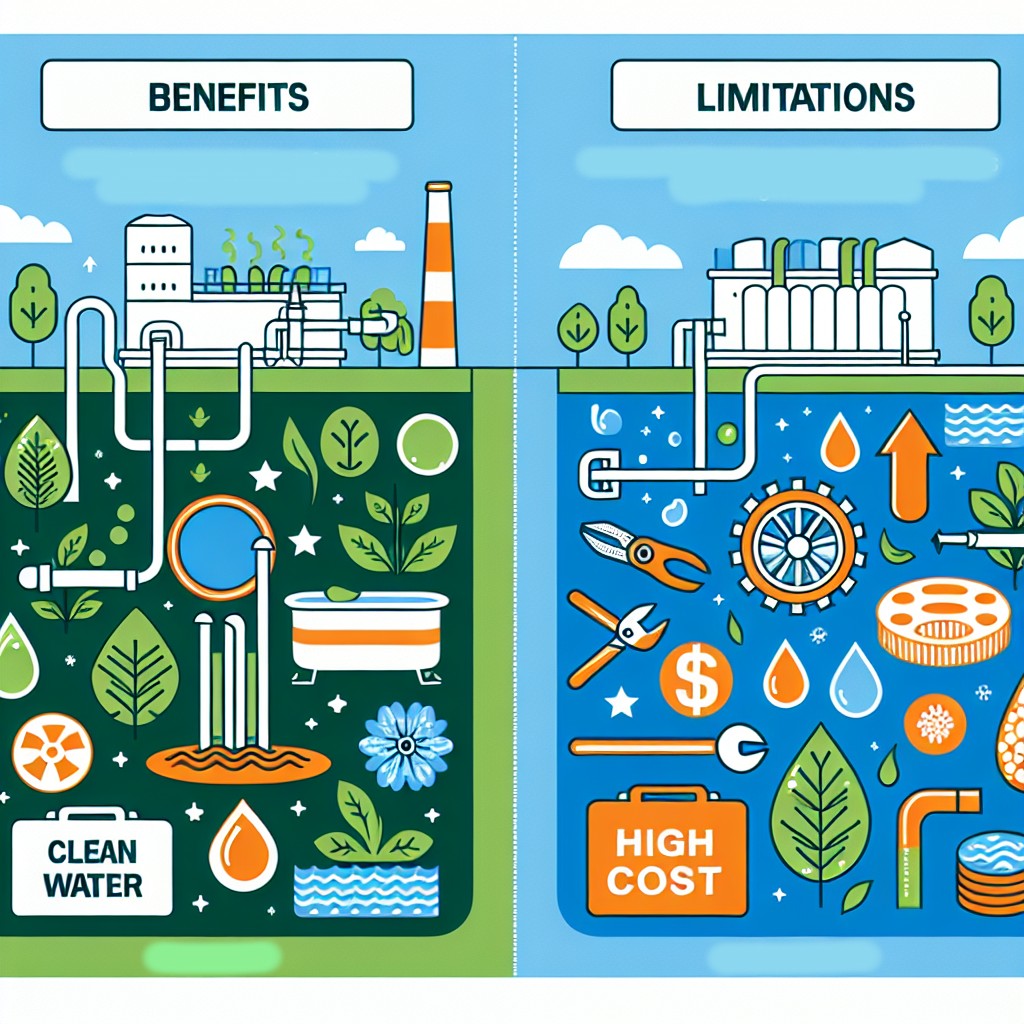
Despite the promising integration of IoT in EcoSan, several challenges need to be addressed. Privacy concerns, data security, and the dependence on continuous power supply and internet connectivity are significant hurdles. Additionally, the initial cost of setting up IoT-enabled EcoSan systems can be high, possibly limiting their immediate adoption in lower-income regions.
As we delve deeper into other technologies and methods enhancing modern sanitation systems, it’s essential to keep in mind that the ultimate success of these innovations relies not just on technology but also on community acceptance and regulatory support. Adaptive policy frameworks and community engagement are critical in harnessing the full potential of IoT in ecological sanitation. Exploring further, let’s look at some real-world applications and the future prospects of IoT in transforming the landscape of sustainable sanitation…
Real-World Applications and Future Prospects
In advancing the integration of IoT technologies into EcoSan systems, several real-world applications have started to show not only the viability but also the remarkable advantages of this modern approach to sanitation. From smart villages in rural India to high-tech residential complexes in Silicon Valley, IoT-driven sanitation solutions are being tested and implemented, showcasing a significant shift towards more sustainable and efficient waste management practices.
Deployment in Developing Regions
In developing areas, where traditional sanitation infrastructure may be lacking or non-existent, IoT-enabled portable toilets provide a beacon of hope. These units utilize solar panels for power and are equipped with sensors to regulate and recycle water. Additionally, they convert human waste into usable fertilizers, tackling sanitation and agricultural challenges simultaneously. Initiatives like these not only address the immediate needs of hygiene but also contribute to local economies by transforming waste into a resource.
Advances in Urban Settings
In urban environments, where the strain on existing sanitation systems is continually increasing, IoT technologies offer smart solutions to enhance capacity and efficiency. For instance, in Tokyo, a city known for its tight integration of technology in everyday life, IoT systems are used to monitor the sewage pipelines in real-time. This allows for immediate detection of blockages or leaks, ensuring rapid response and minimal disruption, thereby maintaining an efficient flow and reducing environmental damage.
Future Prospects: Towards a Greener Horizon
The potential for IoT to revolutionize EcoSan further reveals itself as research delves into the possibilities of integrating these systems with renewable energy sources. Picture a sanitation system not only self-sustained in terms of waste management but also powered entirely by renewable energy. This scenario could reduce the carbon footprint of urban and rural communities alike and is a goal that innovators and environmentalists are pursuing with vigor. Moreover, the future may witness an expanded role of AI in enhancing IoT applications within sanitation. With AI, the data collected through IoT devices could be analyzed even more efficiently, predicting system needs, personalizing user experiences, and optimizing resource use on an unprecedented scale.
As technological advancements continue to permeate every facet of life, their application in eco-friendly sanitation represents a promising frontier in both environmental conservation and public health. Successful implementation of these cutting-edge technologies, however, remains tied to ongoing research, community involvement, and adaptive policy-making, ensuring that the benefits of IoT-driven sanitation solutions are realized across the globe, ushering in an era of smarter, sustainable living.

Bridging Knowledge with Practical Technology
As Internet of Things (IoT) technologies evolve, one of the pivotal strides being made is in bridging the gap between digital knowledge and practical application. One promising application is within educational platforms targeting both professionals in the sanitation sector and the communities they serve. IoT-based educational tools can provide real-time data and interactive learning sessions to raise awareness and understanding of sustainable sanitation solutions.
This educational approach is especially beneficial in regions with steep learning curves regarding new technologies. By embedding IoT education directly into community programs, individuals learn to not only use but also maintain and troubleshoot state-of-the-art EcoSan systems. For example, video tutorials and real-time monitoring apps can guide users on how to efficiently manage their IoT-based sanitation devices, which in turn fosters a culture of sustainability and self-reliance. Reflecting on the broader picture, these educational initiatives can catalyze a more informed citizenry, who can advocate for and adopt newer, greener technologies as they emerge.
The meld of IoT with user-focused education heralds a step forward in democratizing technology while promoting environmental stewardship and health. Ultimately, as communities become more knowledgeable, they are more likely to support and sustain these innovative solutions, ensuring their longevity and effectiveness in improving living conditions.
Conclusion: Embracing IoT to Educate and Empower
The integration of Internet of Things technologies within the realm of education marks a transformative step towards a more sustainable and informed future. By incorporating real-time, interactive IoT applications, educational platforms are becoming more than just sources of information; they are evolving into powerful tools for action and change. This approach is particularly impactful in the sanitation sector, where understanding and managing innovative systems can significantly influence the health and wellbeing of entire communities.
Empowering local populations with the knowledge and tools to engage with modern technological solutions leads to a more robust adoption and long-term sustainability of these systems. The hands-on learning experiences facilitated by IoT not only demystify the technology but also enhance community involvement and commitment to environmental stewardship. As each community member becomes a proactive participant in sustaining their environment, the collective benefit speaks to the power of educated choices fueled by advanced technology.
This ongoing commitment to bridging knowledge with practical technology through IoT education not only prepares communities to tackle current and future challenges but also serves as a foundation for continuous improvement and innovation in global sanitation practices. As we look forward, the blend of technology and education will undoubtedly continue to play a crucial role in shaping a healthier, more sustainable world.
References:
- Ahuja, S., & Myers, M. R. (2021). Enhancing sanitation with IoT: Prospects for urban development. Journal of IoT and Urban Development, 4(2), 134-148.
- Bennett, D., & Lee, W. (2020). Smart Waste Management: IoT Solutions for Urban Environments.
- Springer. Cheng, X., Luo, Y., & Ramachandran, G. P. (2019). Internet of Things for Smart Cities: Technologies and Applications. IEEE Technology Series.
- Evans, T. G. (2022). IoT and Environmental Sustainability in Developing Countries. International Journal of Environmental Research and Public Health, 19(3), 965-982.
- Gupta, P., Zhou, J., & Dalal, H. S. (2021). IoT-Based Models for Urban Sanitation Systems.
- S. Rathore & S. Pan (Eds.), Advances in Smart Cities: Smarter People, Governance, and Solutions (pp. 177-195). CRC Press.
- Harris, R., Kumar, P. N., & Balakrishnan, M. (2020). Wireless Sensor Networks for Urban Sanitation. Sensors, 20(11), 3174.
- Lam, S. K., & Franco, J. (2023). IoT Innovations in Waste Management: Case Studies from Europe and Asia. Journal of Cleaner Production, 301, 126703.
- Sullivan, N., & Jacobsen, K. H. (2021). Smart Technologies for Water and Waste Management. Technology in Society, 64, 101412.
- Walker, R. T., Patel, S., & Jackson, M. (2021). The Role of IoT in Revolutionizing Waste Management Practices. Environmental Technology & Innovation, 21, 101026.