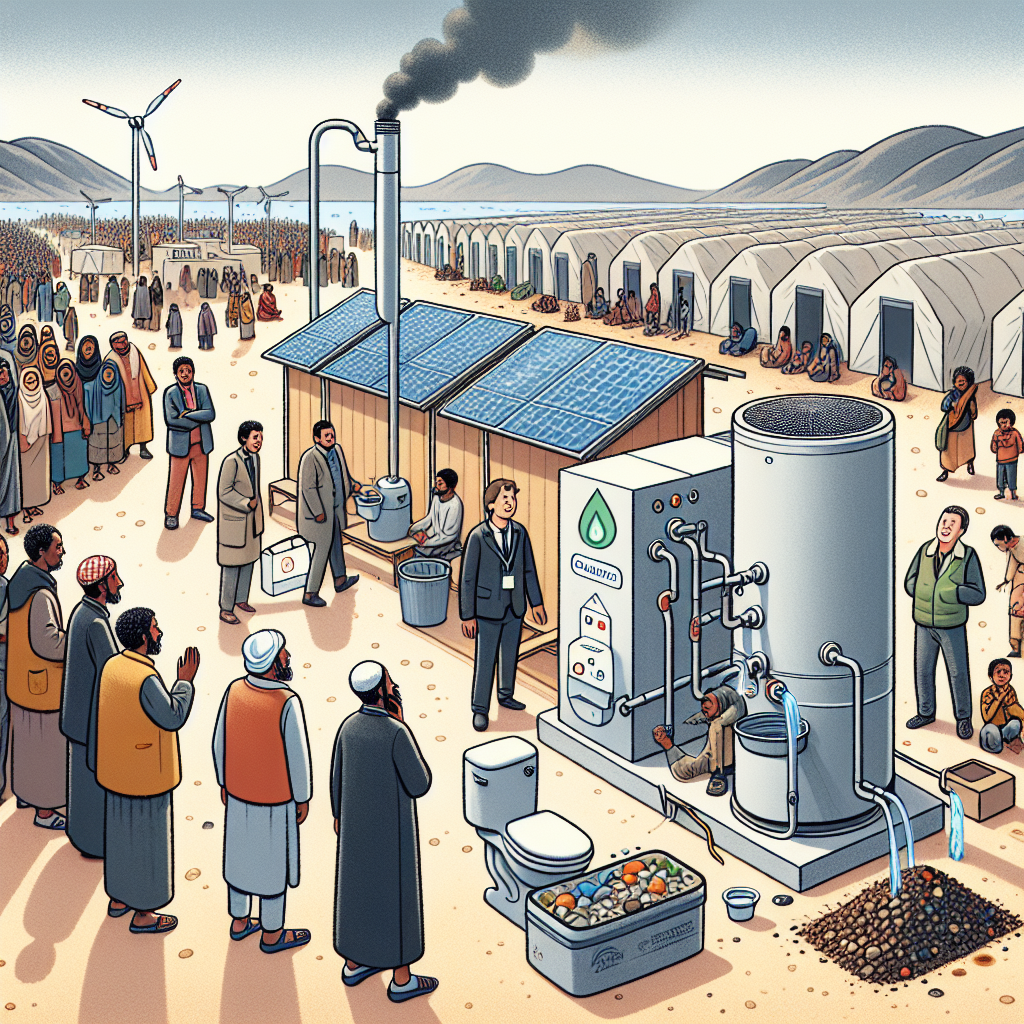
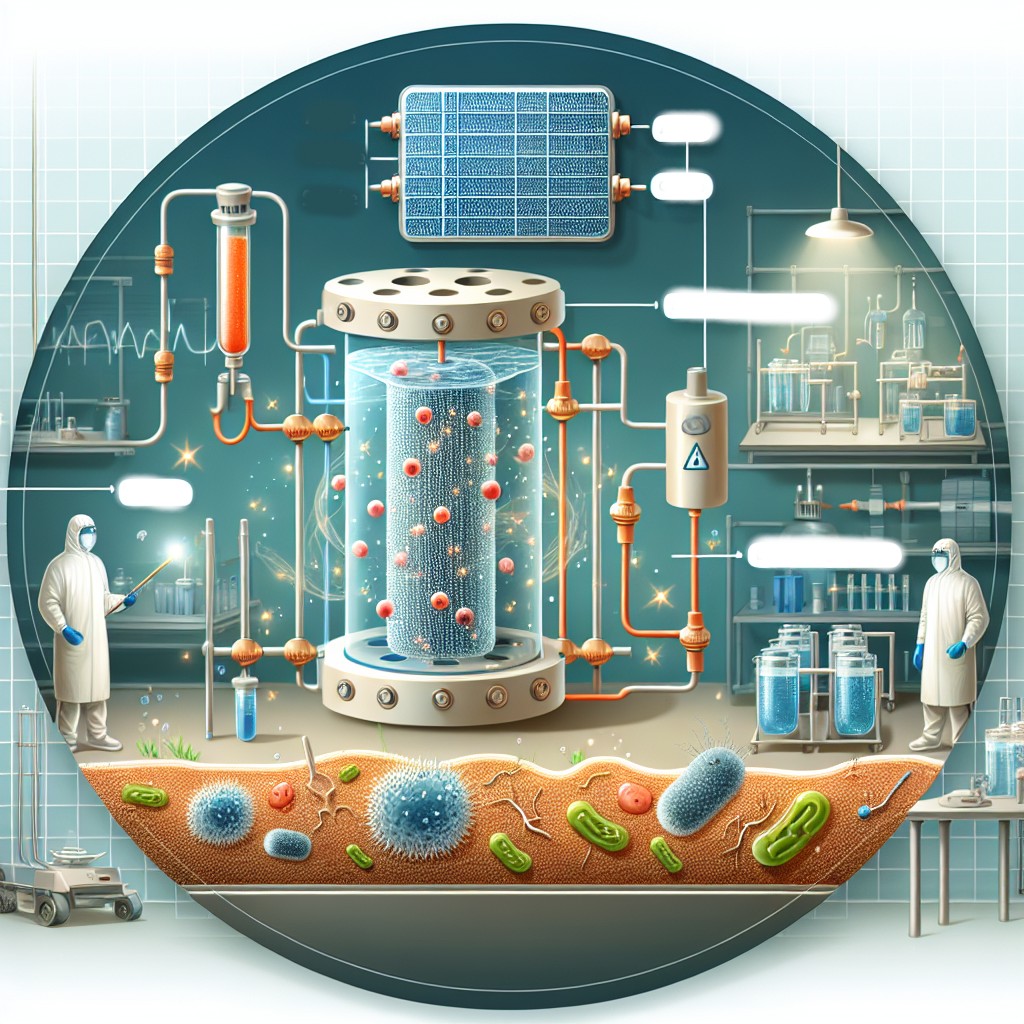
In an era where sustainability is not just valued but vital, ecological sanitation (EcoSan) presents itself as a transformative method for managing human waste through a closed-loop system. This approach not only seeks to protect human health and preserve natural water resources but also recycles nutrients to augment food production and restore soil fertility. By re-envisioning waste as a resource, EcoSan technologies pave the way for a more sustainable and efficient management of sanitation and agricultural practices.
Understanding Closed-Loop Sanitation
Closed-loop sanitation systems are designed to reduce environmental impact and promote resource recovery. The central premise of these systems lies in the cyclical use of resources, whereby waste products are treated and recycled as inputs for other processes. This contrasts sharply with traditional waste management systems, which often involve linear, end-of-pipe solutions that create environmental degradation and resource depletion.
The Process
At the heart of closed-loop sanitation is the process of collecting, processing, and reusing or recycling human excreta. It starts from the containment where waste is collected using various toilet technologies designed to prevent the contamination of water resources. Advanced composting toilets and urine-diverting dry toilets (UDDTs) are prominent choices. These toilets separate urine from feces, facilitating easier treatment and resource recovery. Following collection, the waste undergoes treatment, which might include composting or anaerobic digestion. Composting breaks down the organic matter using aerobic processes, turning feces into a nutrient-rich compost that can be safely used in agriculture. Anaerobic digestion, meanwhile, allows for the production of methane-rich biogas that can be harnessed as a clean energy source.
Nutrient Recovery
An essential feature of closed-loop systems is the recovery and reuse of nutrients such as nitrogen, phosphorus, and potassium from human waste. These nutrients play an important role in soil health and are crucial for plant growth. Recycling them directly into agricultural lands enhances soil fertility and reduces the demand for synthetic fertilizers, which are energy-intensive to produce and often lead to adverse environmental effects such as eutrophication.
Implementing EcoSan: Technologies at Forefront
The successful implementation of EcoSan requires not just the right technologies but also a supportive policy framework and community buy-in. Here, we explore some of the leading technologies that embody the principles of closed-loop sanitation.
Composting Toilets
Ideal for regions without extensive sewer networks, composting toilets handle waste onsite without the need for water transport. They convert human excrement into compost that can be safely used in agriculture, thus closing the loop between sanitation and food production. These toilets are particularly valuable in rural areas and can significantly contribute to sustainable agricultural practices.
Urine-Diverting Dry Toilets (UDDTs)
UDDTs are innovative in that they separate urine from feces at the source, making nutrient recovery more practicable. Urine can be used almost directly as a fertilizer or further processed to recover nutrients in a more concentrated form. The solid waste is separately composted, reducing pathogen levels and making it safer for agricultural use.
Biogas Sanitation Systems
Another exciting technology in EcoSan is the biogas sanitation system, which uses anaerobic digesters to treat fecal sludge. These systems not only manage waste but also produce biogas that can be used for cooking, heating, or generating electricity. This approach not only addresses sanitation and waste management issues but also contributes to energy production.
Moving Towards a Sustainable Future
Adopting closed-loop sanitation systems involves rethinking and restructuring how societies manage waste. It requires integral changes in public policy, educational curricula, and community engagement strategies. The path forward involves comprehensive pilot projects, multi-stakeholder involvement, and a bold reimagination of what constitutes waste and resource management. By progressing towards such systems, communities not only tackle sanitation challenges but also contribute to a broader sustainable development agenda, emphasizing waste reduction, resource recovery, and circular economy principles.
As societies continue to grapple with the dual challenges of resource scarcity and waste management, the importance of innovative solutions like EcoSan will only grow. These technologies not only promise to turn waste into a valuable resource but also spotlight the interconnectedness of human and environmental health.

The Role of Policy and Society in Advancing Closed-Loop Sanitation
For closed-loop sanitation systems to flourish, supportive policy measures and active community participation are indispensable. Governments must craft and enforce regulations that promote the adoption of EcoSan technologies, recognizing their benefit not only to environmental sustainability but also to public health and agricultural productivity.
Developing Supportive Legal Frameworks
One of the fundamental steps towards widespread acceptance and implementation of EcoSan systems is the development of legal frameworks that encourage their integration into existing infrastructure. This can involve revising sanitation regulations to allow for alternative waste management technologies, providing subsidies or financial incentives for communities to adopt EcoSan solutions, and setting quality standards for produced compost and recovered nutrients.
Educational Initiatives and Community Engagement
Education plays a pivotal role in shifting public perceptions about human waste. Through targeted educational campaigns, communities can gain a deeper understanding of the benefits associated with recycling waste into resources. Workshops, school programs, and local seminars can be effective in disseminating knowledge about the functioning and benefits of EcoSan systems.
Furthermore, active community involvement is crucial for the successful adoption of these systems. When communities are involved in the planning and implementation process, they are more likely to embrace and sustain new sanitation solutions. This can be achieved through participatory design sessions where community members contribute ideas and express their needs and preferences regarding sanitation solutions.
Building Capacity and Ensuring Reliability
To ensure the reliability and effectiveness of closed-loop sanitation systems, there must be a focus on building capacity at both institutional and community levels. This includes training personnel on the maintenance of EcoSan facilities and creating local enterprises capable of managing the systems sustainably. Ensuring the operational reliability of these systems also requires regular monitoring and maintenance. Establishing local committees or partnerships with sanitation service providers can help manage these tasks and address any issues promptly, securing the longevity and effectiveness of the systems.
Advancing Research and Innovation
Parallel to policy and societal engagement, advancing research and innovation in EcoSan technologies is critical to tackle existing challenges and scale up solutions. Continuous research can lead to innovations that make these systems more efficient, affordable, and adaptable to different environmental and social contexts.
Collaborative Research Efforts
By fostering collaboration between universities, research institutions, and the sanitation industry, new insights and technologies can be developed to enhance the effectiveness of closed-loop systems. Such partnerships can lead to breakthroughs in material sciences, biological treatments, and system design that optimize resource recovery and improve system resilience.
Integrating Technology and Tradition
Incorporating modern scientific knowledge with traditional practices can also lead to more culturally acceptable and contextually appropriate sanitation solutions. Understanding and integrating local knowledge systems related to waste and fertilizers can enhance the acceptance and success of implemented systems.
Towards Greater Acceptance and Implementation
For closed-loop sanitation to become a norm rather than an exception, it is essential to create an enabling environment that promotes these systems at multiple levels — from policy and education to research and grassroots engagement. By fostering an ecosystem where closed-loop sanitation solutions are supported and valued, we pave the way for a more sustainable and resilient future. Through collaborative efforts across sectors, the potential of waste as a resource can be fully realized, benefiting both the environment and communities worldwide.
Fostering Policy Integration and Intersectoral Collaboration
For closed-loop sanitation systems to be effectively integrated into national and local policies, it is essential for various governmental sectors to collaborate closely. Integration across water, waste management, health, and agriculture sectors can create a symbiotic framework that supports the EcoSan initiative. By aligning objectives and pooling resources, governments can more effectively address the multifaceted benefits of closed-loop sanitation systems. Intersectoral collaboration can also help in streamlining processes that involve approval and implementation of EcoSan projects, reducing bureaucratic hurdles and expediting progress.
Effective collaboration ensures that policies are holistic and considerate of the interdependencies in environmental and public health ecosystems. Moreover, engaging with private sectors to support EcoSan technologies could spur innovation and increase financial investment in sustainable sanitation solutions. Partnerships with businesses not only provide technological solutions but also introduce sustainable practices into corporate responsibility programs, expanding the impact and visibility of closed-loop sanitation systems.
By leveraging a cooperative approach among different stakeholders, closed-loop sanitation can gain the robust support it needs to become a cornerstone of sustainable development strategies, carving a path towards a harmonious and resilient future in waste management.
Concluding Reflections
As we look toward the future of sustainable development, it is increasingly clear that closed-loop sanitation systems offer not just an ecological benefit, but a multifaceted solution that touches upon health, environmental sustainability, and economic growth. The successful implementation of such systems hinges on policy integration and robust intersectoral collaboration, where different governmental and private sectors come together with a shared vision. The path forward requires more than just policy alignment; it necessitates a collective will and concerted efforts across all levels of governance and industry. By building strong partnerships and fostering open dialogues among stakeholders, we can ensure that closed-loop sanitation becomes more than just a concept, but a practical reality in communities worldwide.
Taking the lessons learned from pilot projects and research, integrating innovative technologies, and continuously engaging the community will provide ongoing momentum. Let this be a call to action for policymakers, businesses, and civic leaders to unite in their efforts to champion a cleaner, more sustainable future. Let’s not underestimate the power of collaboration and innovation in rewriting the narrative of global sanitation practices for generations to come. Together, we can build a system that not only manages waste but also recycles it into a source of wealth and health for every community.
References:
- Bichai, F., & Slayback, L. (2020). Integrated planning for sustainable sanitation and water management. Journal of Environmental Management, 254, 109802.
- Ellen MacArthur Foundation. (2017). Towards a circular economy: Business rationale for an accelerated transition.
- Geng, Y., Fu, J., Sarkis, J., & Xue, B. (2012). Toward a national circular economy indicator system in China: An evaluation and critical analysis. Journal of Cleaner Production, 23(1), 216-224.
- Larsen, T. A., & Lienert, J. (2016). Sanitation, wastewater management, and sustainability: From waste disposal to resource recovery.
- Springer. Tilley, E., Ulrich, L., Lüthi, C., Reymond, P., & Zurbrügg, C. (2014). Compendium of sanitation systems and technologies (2nd ed.). Swiss Federal Institute of Aquatic Science and Technology (Eawag).