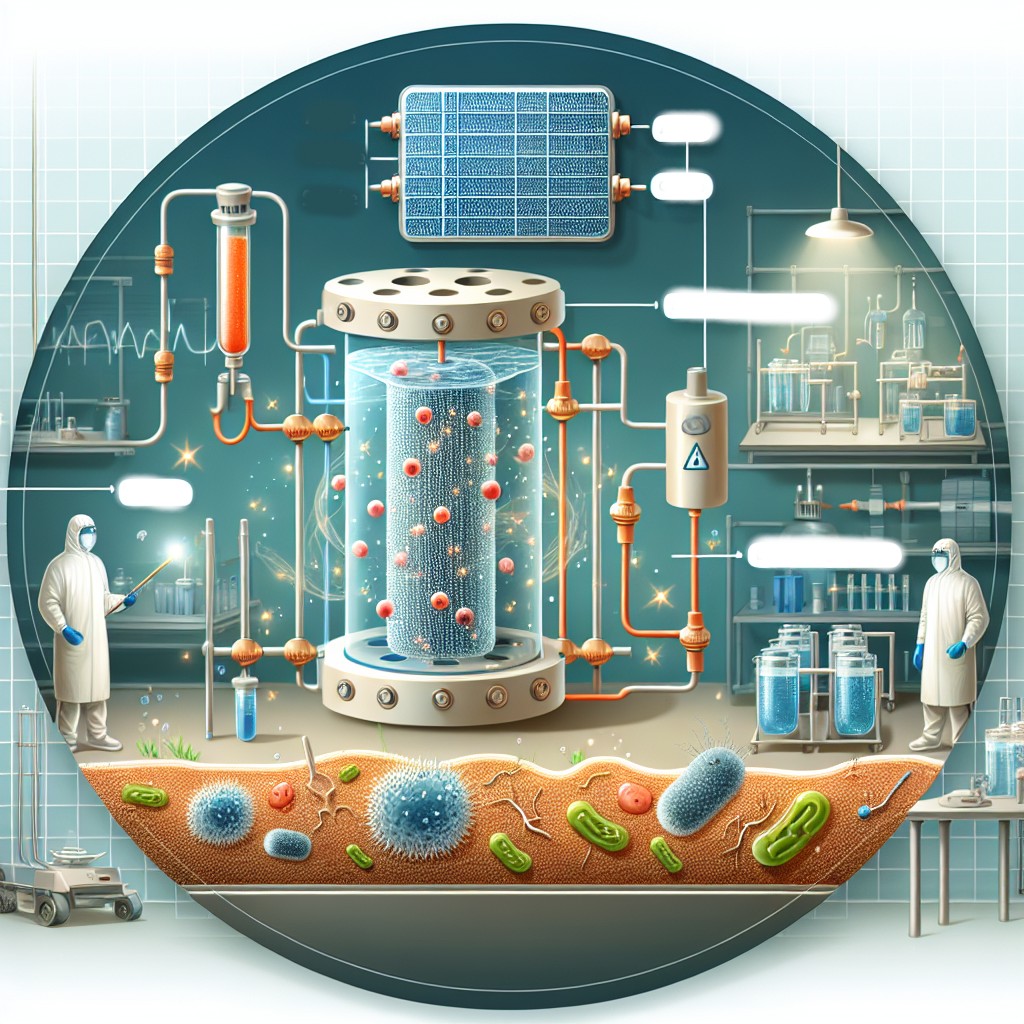
Water is a precious resource vital for all forms of life. However, the global increase in water contamination and scarcity due to rapid industrialization and urbanization poses a monumental challenge. Traditional water treatment methods, such as chemical coagulation and filtration using synthetic materials, often prove to be unsustainable and detrimental to the environment. In response, the application of natural fiber filters (NFFs) has emerged as a promising, eco-friendly alternative. These filters, derived from natural materials such as coconut coir, jute, cotton, and hemp, provide an innovative way to effectively treat water while minimizing the environmental footprint. This article delves into the use of natural fiber filters, detailing their benefits, mechanisms, and potential applications in sustainable water treatment.
Natural fiber filters exemplify ecological sanitation (EcoSan) principles by aligning with the cycles of natural ecosystems. They not only offer effective filtration but also are biodegradable, thus reducing waste and pollution. By leveraging the innate properties of natural fibers, these filters can remove various contaminants from water, including heavy metals, pathogens, and organic pollutants. As awareness about environmental conservation grows, there is increasing interest in integrating NFFs into water treatment systems globally. This comprehensive overview explores the practical aspects and recent advancements in natural fiber filters, shedding light on their role in fostering sustainable water management practices.
The Nature and Types of Natural Fibers
Natural fibers are derived from plant, animal, or mineral sources, making them renewable and sustainable. Plant-based fibers, such as cotton, jute, and coconut coir, have received significant attention for their water treatment capabilities. Cotton fibers, known for their high absorbency and tensile strength, can be engineered into an effective filtration medium. Jute and coconut coir, rich in lignin and cellulose, provide a robust structure that enhances the filtration process by capturing fine particulate matter. Animal-based fibers like wool and silk, though less commonly used, also possess unique properties that can be harnessed for specialized filtration purposes.
The chemical composition of natural fibers plays a pivotal role in determining their efficacy in water treatment. Cellulose, hemicellulose, lignin, and pectin are key constituents that contribute to the fibers’ mechanical strength, porosity, and water absorption capabilities. For instance, coconut coir’s high lignin content imparts durability, making it suitable for prolonged use. Additionally, surface modifications of natural fibers, such as grafting or coating with nanoparticles, can enhance their adsorption capacity for removing specific contaminants like heavy metals.
Mechanisms of Filtration Using Natural Fibers
The filtration mechanism of natural fiber filters primarily involves physical, chemical, and biological processes. Physically, the porous nature and fibrous structure of natural fibers enable the trapping of suspended particles and pathogens through mechanical straining and sedimentation. For example, cotton’s fine fibers can capture bacteria and protozoa, ensuring microbial safety of treated water.
Chemically, the functional groups present in natural fibers, such as hydroxyl and carboxyl groups, facilitate adsorption and ion exchange processes. These groups can interact with contaminants at a molecular level, binding heavy metals and organic pollutants to the fiber surfaces. For instance, lignin in coconut coir has a high affinity for lead and cadmium ions, effectively removing them from contaminated water. Furthermore, biological processes can occur when natural fiber filters support the growth of biofilms, enhancing the degradation of organic pollutants through microbial activity.

Applications of Natural Fiber Filters
The versatility of natural fiber filters allows their application across diverse water treatment scenarios. Rural communities benefit immensely from low-cost, locally sourced natural fiber filters that provide clean drinking water. For instance, a simple filter made from jute or coconut coir can effectively reduce turbidity and microbial contaminants, making it a practical solution in areas lacking advanced water treatment infrastructure.
In industrial settings, natural fiber filters can be integrated into effluent treatment plants to remove heavy metals and organic pollutants. Textile industries, which produce significant amounts of wastewater containing dyes and heavy metals, can utilize cotton or jute-based filters to mitigate environmental impacts. Furthermore, natural fiber filters find applications in emergency and disaster relief scenarios, providing an accessible and rapid means of producing potable water.
Recent Advancements in Natural Fiber Filters
Ongoing research and technological advancements continue to enhance the performance and applicability of natural fiber filters. Innovations such as the development of composite filters, which combine multiple natural fibers to optimize filtration properties, have shown promising results. For example, blending cotton with activated carbon derived from coconut shells can significantly improve the adsorption efficiency for organic pollutants and heavy metals.
Nanotechnology also plays a crucial role in advancing natural fiber filters. Coating natural fibers with metal oxide nanoparticles, such as titanium dioxide or silver nanoparticles, imparts enhanced antimicrobial and photocatalytic properties. This hybrid approach not only increases the removal efficiency of pathogens and pollutants but also allows for regeneration of the filter materials through solar irradiation, extending their lifespan.
Challenges and Future Directions
Despite the promising potential of natural fiber filters, several challenges must be addressed to ensure their widespread adoption. One significant hurdle is the variability in the quality and properties of natural fibers due to factors like cultivation conditions and processing methods. Standardization of fiber quality and optimization of processing techniques are essential to achieving consistent performance in water treatment applications.
Moreover, the economic viability and scalability of natural fiber filters need thorough evaluation. While these filters are cost-effective in rural and small-scale applications, scaling up production for industrial use may require substantial investment and infrastructure development. Collaborative efforts between researchers, policymakers, and industry stakeholders are crucial in addressing these challenges and promoting the integration of natural fiber filters into mainstream water treatment practices.
Conclusion
Natural fiber filters offer a sustainable and eco-friendly solution for addressing the global water crisis. By harnessing the inherent properties of plant and animal fibers, these filters provide effective removal of contaminants through physical, chemical, and biological mechanisms. Their applications span from rural water treatment to industrial effluent management, demonstrating their versatility and practicality.
Recent advancements in natural fiber filter technology, including composite filters and nanotechnology enhancements, have further strengthened their potential as a viable alternative to traditional filtration methods. However, to realize their full potential, addressing challenges related to fiber quality standardization, economic viability, and scalability is imperative.
Ultimately, embracing natural fiber filters aligns with the principles of ecological sanitation, promoting a harmonious relationship with the environment while ensuring access to clean and safe water for all. As we move towards a more sustainable future, integrating natural fiber filters into water treatment systems will play a pivotal role in achieving global water security and environmental conservation.