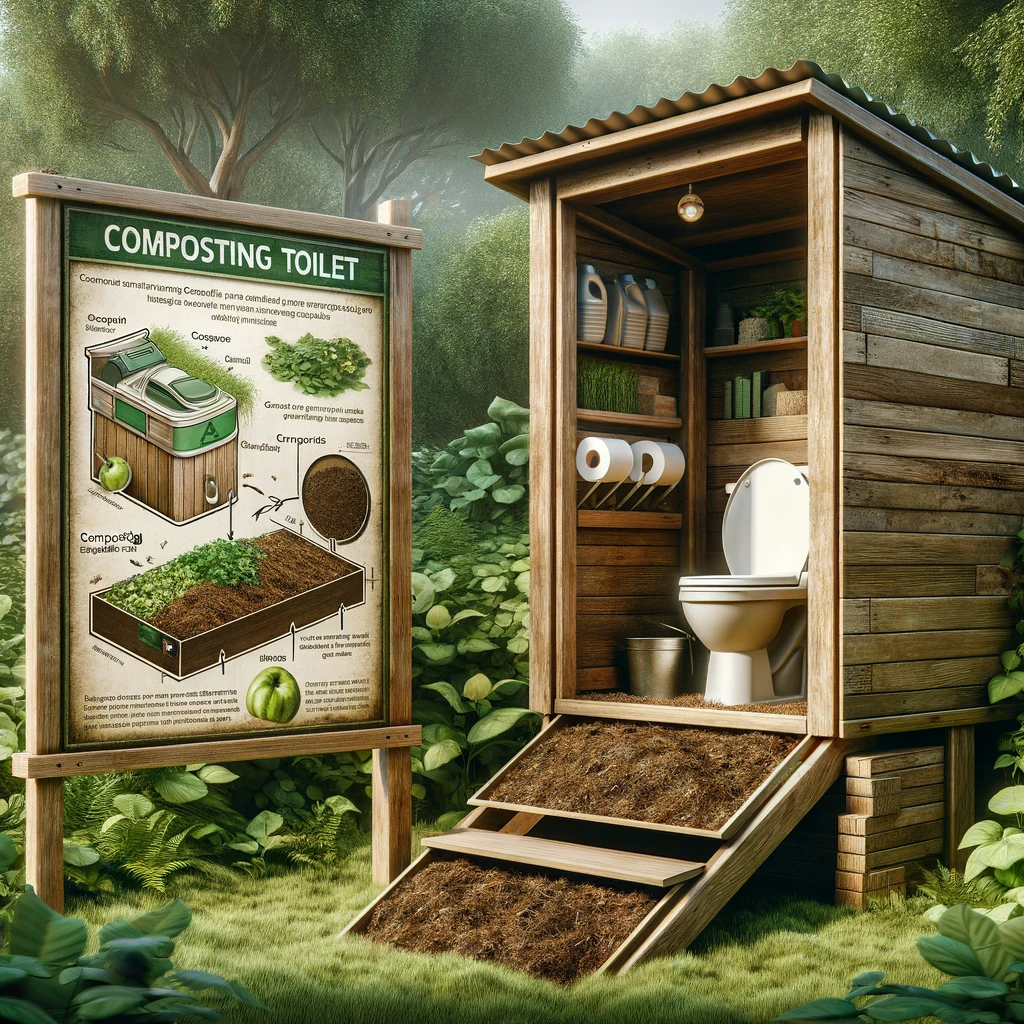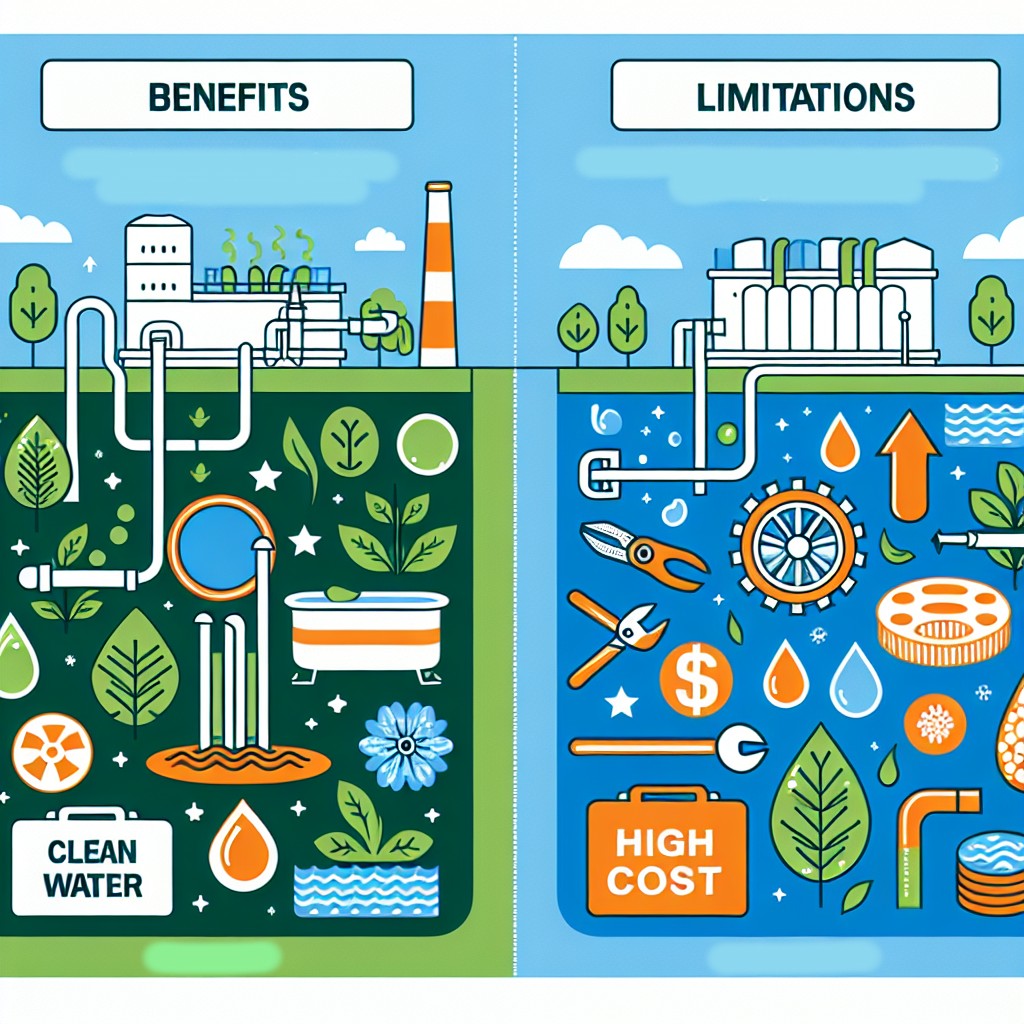
Ecological Sanitation, commonly referred to as EcoSan, represents a revolutionary approach to waste management that places a strong emphasis on resource recovery and sustainability. Unlike conventional methods that often result in contamination and resource depletion, EcoSan techniques strive to close the nutrient loop by converting waste into valuable resources like compost and liquid fertilizer. Among the various technologies employed in EcoSan, aerobic treatment has garnered considerable attention for its potential benefits and challenges. This article delves deep into understanding the benefits and limitations of aerobic treatment in EcoSan, shedding light on how it can play a pivotal role in sustainable waste management.
Introduction
With the ever-increasing demand for sustainable waste management solutions, Ecological Sanitation (EcoSan) has emerged as a progressive technology. EcoSan focuses on recovering resources from human waste, promoting a closed-loop system that benefits both the environment and agricultural sectors. Among the plethora of methods utilized in EcoSan, aerobic treatment stands out for its efficiency and effectiveness in breaking down waste material. This form of treatment utilizes oxygen, enabling microorganisms to decompose organic matter, resulting in stabilized, nutrient-rich byproducts like compost.
Aerobic treatment systems are popular for their ability to significantly reduce pathogenic microorganisms, bad odors, and the volume of waste. These characteristics make them a viable option for transforming waste into safe, usable products, contributing to public health and environmental protection. However, like all technologies, aerobic treatment also comes with its share of challenges and limitations. This comprehensive guide aims to provide readers with advanced insights into the multifaceted aspects of aerobic treatment in EcoSan, exploring its advantages, drawbacks, and the future prospects of its adoption.
Benefits of Aerobic Treatment in EcoSan
Aerobic treatment in EcoSan comes with a myriad of benefits that make it a compelling choice for sustainable sanitation. One of the foremost advantages is the significant reduction in pathogenic microorganisms. Through the oxygen-fueled decomposition process, harmful bacteria and viruses are effectively neutralized, thereby curbing health risks associated with untreated waste. This contributes to the overall betterment of public health, especially in communities lacking adequate sanitation infrastructure.
Moreover, aerobic treatment significantly lessens the presence of foul odors. Unlike anaerobic processes that produce methane and hydrogen sulfide, aerobic treatment generates carbon dioxide and water, both of which are odorless. This makes the entire process more socially acceptable and reduces the environmental impact of unpleasant smells.
In addition to health and olfactory benefits, aerobic treatment offers valuable end products that can be repurposed. The decomposed organic material results in compost, which is rich in nutrients like nitrogen, phosphorus, and potassium. This compost can be used to enhance soil fertility, thereby closing the nutrient loop and reducing the need for chemical fertilizers. The liquid effluent produced can also be harnessed as irrigation water, further promoting resource efficiency.
Challenges and Limitations
Despite its numerous advantages, aerobic treatment in EcoSan faces certain challenges and limitations that need careful consideration. One of the primary limitations is the high energy requirement. Maintaining aerobic conditions typically necessitates active aeration, which can be energy-intensive and costly. This aspect can pose a significant barrier, especially in low-resource settings where access to reliable energy sources is limited.
Furthermore, the operation and maintenance of aerobic systems can be intricate and demanding. Regular monitoring and adjustment of oxygen levels, temperature, and moisture content are crucial for optimal performance. These requirements necessitate skilled personnel and regular oversight, which may not be readily available in all contexts.
Another limitation is the potential for incomplete decomposition. In instances where oxygen levels are insufficient or the system experiences operational disruptions, the decomposition process may be hindered, resulting in partially treated waste. Such scenarios can diminish the effectiveness of the treatment and pose environmental and health risks.
Case Studies and Real-World Applications
Several real-world applications and case studies offer valuable insights into the practical implementation of aerobic treatment in EcoSan. For example, the innovative CompostEra toilet systems in Sweden utilize aerobic treatment to manage human waste efficiently. These systems incorporate advanced aeration and temperature control mechanisms to ensure thorough decomposition, yielding high-quality compost. The success of CompostEra systems underscores the viability of aerobic treatment in EcoSan, especially in temperate climates.
In another notable case, the Eco-toilets project in India employs aerobic treatment to address sanitation challenges in rural areas. The project focuses on reducing water consumption and converting waste into valuable compost for local agriculture. Despite the resource constraints, the project has demonstrated remarkable success, enhancing soil fertility and community hygiene. These case studies highlight the transformative potential of aerobic treatment in diverse settings and underscore the importance of context-specific adaptations.
Technological Innovations Enhancing Aerobic Treatment
The advancements in technology have paved the way for more efficient aerobic treatment systems. Innovations such as automated aeration control, real-time monitoring sensors, and advanced microbial strains are revolutionizing the field. Automated aeration systems vary airflow based on real-time oxygen demand, optimizing energy use and decomposition efficiency. These innovations are particularly beneficial in mitigating the high energy requirements traditionally associated with aerobic treatment.
Real-time monitoring sensors offer precise control and oversight, ensuring that optimal conditions are maintained continuously. These sensors measure parameters like oxygen levels, temperature, and moisture, providing instant feedback and enabling timely interventions. Such technological enhancements not only improve the performance of aerobic systems but also make them more user-friendly and less reliant on skilled labor.
Moreover, the development of engineered microbial strains tailored for aerobic treatment has the potential to enhance the process significantly. These microbial strains are designed to thrive in aerobic conditions and expedite the decomposition of organic matter, resulting in higher-quality compost and reduced treatment time. The integration of these technological innovations promises to overcome some of the existing challenges and expand the applicability of aerobic treatment in EcoSan.
Environmental and Economic Considerations
Aerobic treatment in EcoSan extends several environmental and economic benefits that contribute to its overall sustainability. Environmentally, the reduction of methane emissions is a primary advantage. Unlike anaerobic processes that produce significant amounts of methane, a potent greenhouse gas, aerobic treatment largely emits carbon dioxide, which has a less severe impact on global warming. This characteristic renders aerobic treatment a more climate-friendly option.
Economically, the end products generated from aerobic treatment, such as compost and liquid fertilizer, offer substantial value. These products can be utilized in local agriculture, reducing the dependency on expensive chemical fertilizers and enhancing soil health. The economic savings from resource recovery and utilization can be particularly impactful in agricultural communities undergoing EcoSan transitions.
However, an important economic consideration is the initial capital investment required for setting up aerobic treatment systems. The cost of infrastructure, energy, and skilled labor can be significant, potentially posing a barrier to widespread adoption. Incentives, subsidies, and financial support can play a crucial role in mitigating these barriers, facilitating broader implementation, and realizing the full potential of aerobic treatment in EcoSan.
Future Prospects and Conclusion
The future holds promising prospects for the advancement and wider adoption of aerobic treatment in EcoSan. Ongoing research and technological innovations continue to address existing limitations, making aerobic systems more efficient, cost-effective, and accessible. Collaborative efforts involving governments, NGOs, research institutions, and communities are pivotal in driving these advancements.
To capitalize on the benefits of aerobic treatment, it is essential to foster a holistic approach that integrates technological innovation, capacity-building, and policy support. Targeted investments in research and development can accelerate the evolution of more sophisticated and user-friendly aerobic treatment systems. Simultaneously, capacity-building initiatives can equip local communities with the knowledge and skills required to operate and maintain these systems effectively.
In conclusion, aerobic treatment in EcoSan offers a substantial opportunity to enhance sustainable waste management practices. Its benefits, including pathogen reduction, odor elimination, and resource recovery, are complemented by ongoing technological innovations. However, addressing the challenges of energy requirements, operational complexity, and initial costs is crucial for maximizing its potential. With concerted efforts and strategic investments, aerobic treatment can significantly contribute to the global pursuit of ecological sanitation, fostering healthier communities and a more sustainable planet.