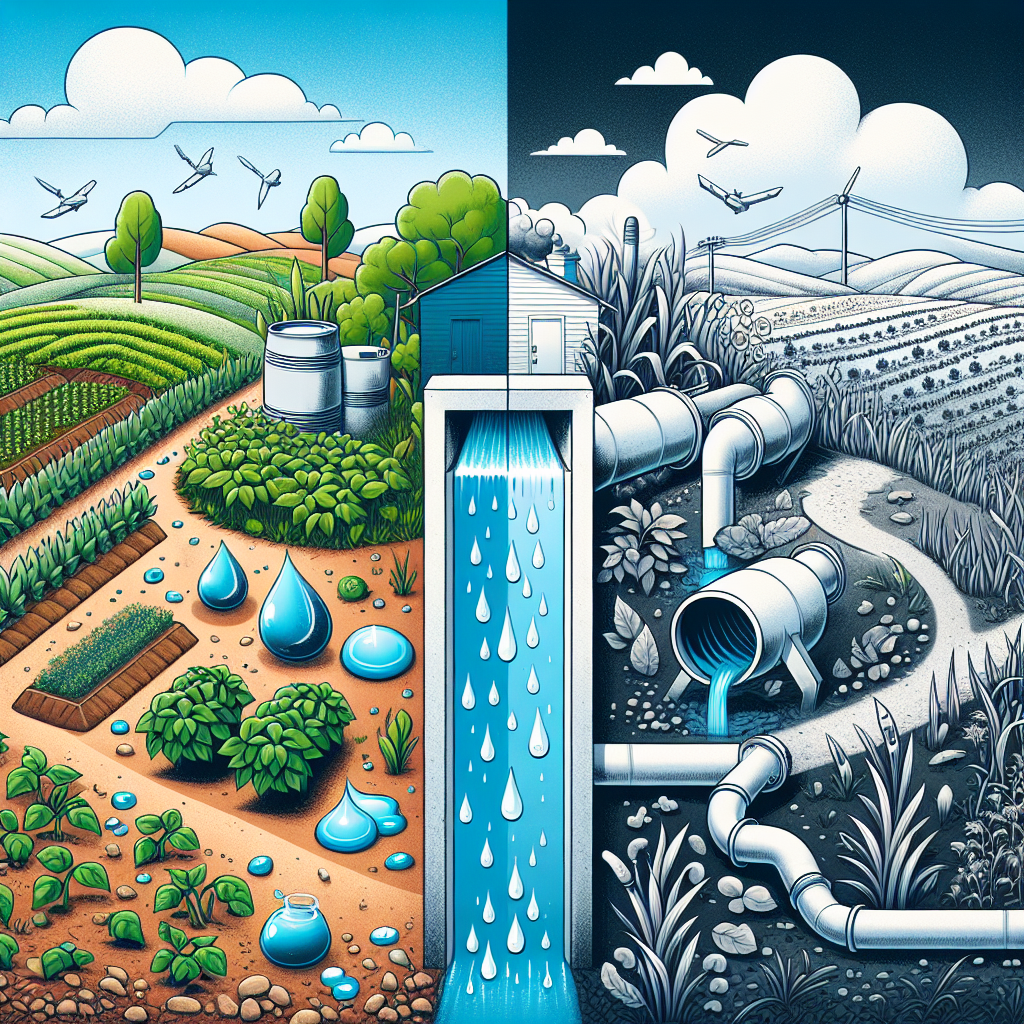
In many developing countries, access to safe and sustainable sanitation remains a critical challenge. With growing populations and often limited resources, finding solutions that are both affordable and effective is imperative. Ecological Sanitation (EcoSan) provides a promising approach by focusing on the safe reuse of human waste as a resource rather than viewing it solely as something to be disposed of. This method not only helps in enhancing hygiene and health but also contributes to agricultural productivity and the conservation of water resources.
The Principles of EcoSan
Ecological Sanitation is grounded on the principle that human excreta should not be seen merely as waste but as potential nutrients that can be recycled with minimal risk to health. This philosophy encompasses a variety of technologies and methods which are designed to safely process and recycle human waste back into the environment. Key tenets of EcoSan include:
- Prevention of pollution: Reducing the contamination of water bodies from fecal sludge by treating it onsite.
- Recycling nutrients: Transforming excreta into resources such as compost or biogas, which can be used for agricultural or energy purposes.
- Promoting health and hygiene: By safely managing waste, EcoSan helps in cutting the transmission pathways of pathogens, thereby improving overall public health.
Technologies Adopted in EcoSan
The choice of EcoSan technology largely depends on local conditions including climate, soil types, water availability, cultural acceptances, and economic capacities. Here we discuss a few adaptable and low-cost options suitable for developing regions.
Composting Toilets
Composting toilets are one of the most common implementations of EcoSan, designed to treat human waste through biological processes, turning it into compost. These toilets require no water for flushing, which makes them ideal for areas with limited water resources. The resulting compost can be safely used to improve soil fertility, closing the nutrient loop.
Urine Diverting Dry Toilets (UDDTs)
UDDTs are a type of composting toilet where urine and feces are collected separately, facilitating more efficient nutrient recovery and reducing moisture content, which speeds up the composting process. The segregation simplifies the handling of excreta and further reduces the risk of disease transmission. This is particularly valuable in agricultural communities where sanitized urine can be directly used as a liquid fertilizer.
Biogas Sanitation Systems
A more technologically advanced option is the biogas sanitation system, where human waste is anaerobically digested to produce methane gas. This approach not only manages waste but also generates a renewable form of energy that can be used for cooking or lighting, providing a double benefit. Adaptability in small or community scales makes it a versatile choice for energy-deficient areas.
Challenges and Considerations
While the benefits of EcoSan are numerous, there are several challenges that need addressing to improve its adoption in developing countries. Social acceptance plays a crucial role, as the use of human-derived products in agriculture often faces cultural and psychological barriers. Moreover, initial costs and the technical know-how required for the construction and maintenance of these systems can be obstacles. Institutional support through policy-making, subsidies, and educational programs can lower these barriers significantly. Ensuring community involvement and building local capacity through training can ensure the sustainable operation of these systems.
Moving Forward
Exploring and implementing EcoSan technologies in developing countries offers a sustainable pathway towards addressing the sanitation crisis. Effective integration of these systems into current practices demands a tailored approach that respects local contexts and environments. As we move forward, the expansion of EcoSan could significantly contribute to not only improving sanitation but also boosting agricultural productivity, enhancing energy security, and preserving vital water resources. The journey towards widespread adoption of EcoSan is ongoing, and continued innovation and advocacy are essential to overcome existing challenges. As communities begin to see tangible benefits, the shift towards sustainable sanitation solutions can gain momentum, paving the way for healthier and more resilient societies.

Engaging the Community in EcoSan Initiatives
Successful implementation of Ecological Sanitation (EcoSan) hinges largely on community involvement and education. The shift from traditional to ecological sanitation systems involves not only infrastructure change but also a paradigm shift in how people perceive waste management. Engaging communities effectively is therefore essential in enhancing the adoption rate of EcoSan technologies.
Tailoring Education and Awareness Programs
Education is a powerful tool in transforming attitudes and practices. Tailored education and awareness programs can help demystify the processes involved in EcoSan, highlighting the environmental and health benefits. Interactive workshops, demonstration projects, and educational campaigns are effective in illustrating the positive impacts of EcoSan systems.
Leveraging Local Leaders and Influencers
Incorporating local leaders and influencers in the promotion of EcoSan can enhance trust and acceptance among community members. When respected figures advocate for change, it lends credibility to the initiative and encourages wider participation. These leaders can also provide valuable insights into cultural norms and preferences that are crucial for the design and implementation of these systems.
Community-Based Management Models
Adopting a community-based approach to manage EcoSan systems can empower local residents, giving them ownership of the sanitation process. Such models encourage collective responsibility for maintenance and troubleshooting, ensuring the long-term sustainability of the systems. Regular community meetings, feedback sessions, and involving residents in decision-making processes strengthen the community’s commitment and involvement.
Addressing Economic Incentives
Understanding and addressing the economic benefits for individuals and the community can accelerate the adoption of EcoSan. For instance, demonstrating how the use of compost from EcoSan systems can reduce costs related to agricultural inputs could make the systems more appealing to farming communities. Similarly, showcasing potential income-generating activities such as selling biogas can provide tangible incentives for communities to switch to these sustainable solutions. As communities begin to embrace EcoSan by seeing practical benefits and gaining hands-on experience, the cultural and psychological barriers diminish.
This grass-roots level engagement not only supports the direct success of the initiatives but also propagates an environment-friendly sanitation culture that can influence broader societal shifts toward sustainability. Moving forward, the goal is to replicate successful models and adapt them to diverse contexts, enriching the global tapestry of EcoSan solutions.
Fostering Technological Adaptation and Innovation
In evolving EcoSan systems, technological adaptation plays a crucial role in meeting the specific needs of each community. By involving local technicians and engineers in the design and refinement of EcoSan technologies, projects can tap into indigenous knowledge and foster innovation that aligns with local resources and practices. This participatory approach not only enhances the functionality of EcoSan solutions but also boosts local economies by creating skilled jobs. Collaborative workshops where community members can voice their needs and concerns help to tailor technologies so that they are not only eco-friendly but also user-friendly.
This close interaction between developers and users encourages continuous improvement and adaptation of EcoSan systems, ensuring they remain relevant and efficient as community needs evolve. Moreover, the involvement of academic and research institutions can provide the necessary support for these innovations, elevating the scientific credibility of EcoSan technologies and garnering further interest and investment in research and development. As these technologies are improved and tailored through community feedback, they serve as vivid demonstrations of the practicality and scalability of sustainable sanitation solutions.
Conclusion: Embracing Future Possibilities
The journey of enhancing EcoSan systems through technological adaptation and community-led innovation offers a beacon of hope for sustainable sanitation worldwide. This collaborative approach ensures that solutions are not only environmentally sustainable but also culturally and economically fitting for the communities they serve.
As we move forward, the increasing involvement of community members and local experts in shaping these technologies promises more resilient and adaptable sanitation solutions. Successful integration of local knowledge with technological innovations stands as a testament to the power of participatory development. Moreover, the synergy between academic research and practical applications paves the way for more sophisticated, yet accessible, EcoSan systems that can be scaled up to benefit larger populations.
With continued commitment to this dynamic, inclusive method of developing technology, we can expect to see an upward trajectory in the health, well-being, and environmental stewardship of communities around the globe. Embracing these innovations not only addresses immediate sanitation needs but also contributes to the broader goals of sustainable development and ecological conservation. The future of EcoSan systems is not just about managing waste but nurturing communities fortified with the tools and knowledge to thrive in harmony with their natural environments.
References:
- Barreto, M. L., Genser, B., Strina, A., Teixeira, M. G., Assis, A. M. O., Rego, R. F., … & Cairncross, S. (2010). Impact of a citywide sanitation program in Northeast Brazil on intestinal parasites infection in young children. Environmental Health Perspectives, 118(11), 1637-1642.
- Fry, L. M., Mihelcic, J. R., & Watkins, D. W. (2008). Water and nonwater-related challenges of achieving global sanitation coverage. Environmental Science & Technology, 42(12), 4298–4304.
- Jenkins, M. W., & Sugden, S. (2006). Rethinking sanitation: Lessons and innovation for sustainability and success in the new millennium. Human Development Report Office Occasional Paper. United Nations Development Programme.
- McConville, J., & Mihelcic, J. R. (2007). Adapting life cycle thinking tools to evaluate project sustainability in international water and sanitation development work. Water Research, 41(20), 4727-4738.
- Mara, D. (2008). Low-cost urban sanitation. Water Research, 42(6-7), 1502-1510.
- Montgomery, M. A., & Elimelech, M. (2007). Water and sanitation in developing countries: Including health in the equation. Environmental Science & Technology, 41(1), 17–24.
- Paterson, C., Mara, D., & Curtis, T. (2007). Pro-poor sanitation technologies. Geoforum, 38(5), 901-907.
- United Nations. (2015). Water for Life Decade: Water for sustainable development. United Nations Department of Economic and Social Affairs.
- World Health Organization and UNICEF. (2021). Joint Monitoring Programme 2021 update report: Progress on household drinking water, sanitation and hygiene 2000-2020.
- Zoeteman, K., & Mehta, P. K. (2006). Sustainable development in developing countries: The role of effective sanitation. Journal of Environmental Management, 84(2), 124-135.