Sanitation is a fundamental aspect of public health, but traditional methods still widely used around the world often fall short of meeting the growing needs of expanding populations in a sustainable manner. Enter the concept of Ecological Sanitation (EcoSan). EcoSan is an innovative approach to sanitation, focusing on the reuse and recycling of nutrients and water contained in human waste. This stands in contrast to conventional methods that prioritize waste removal and disposal without harnessing its potential benefits.
Understanding the public health implications of sustainable sanitation practices, especially EcoSan, is crucial. Traditional sanitation practices often lead to soil and water contamination, the spread of disease, and wasted resources. EcoSan technologies, on the other hand, not only aim to mitigate these risks but also bring about a host of environmental and social benefits.
This article delves into the advanced insights of EcoSan technologies and how they reshape the landscape of public health. By examining the key components, benefits, challenges, and real-world implications of these sustainable practices, we can better appreciate the role EcoSan plays in fostering healthier communities and a healthier planet.
Key Components of Ecological Sanitation
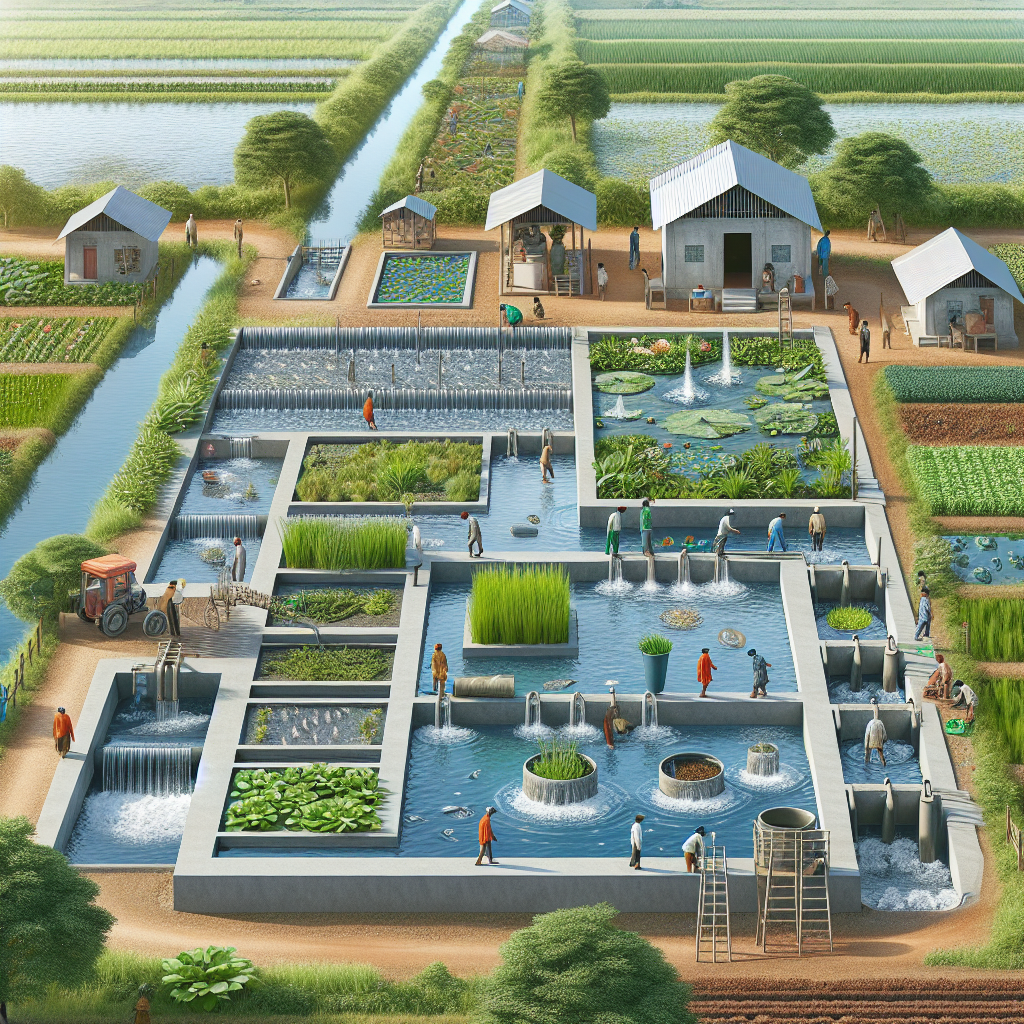
At its core, EcoSan relies on several innovative components that enable the safe and effective recycling of human waste. These components include urine-diverting toilets, composting systems, and constructed wetlands, each playing a unique role in the EcoSan process.
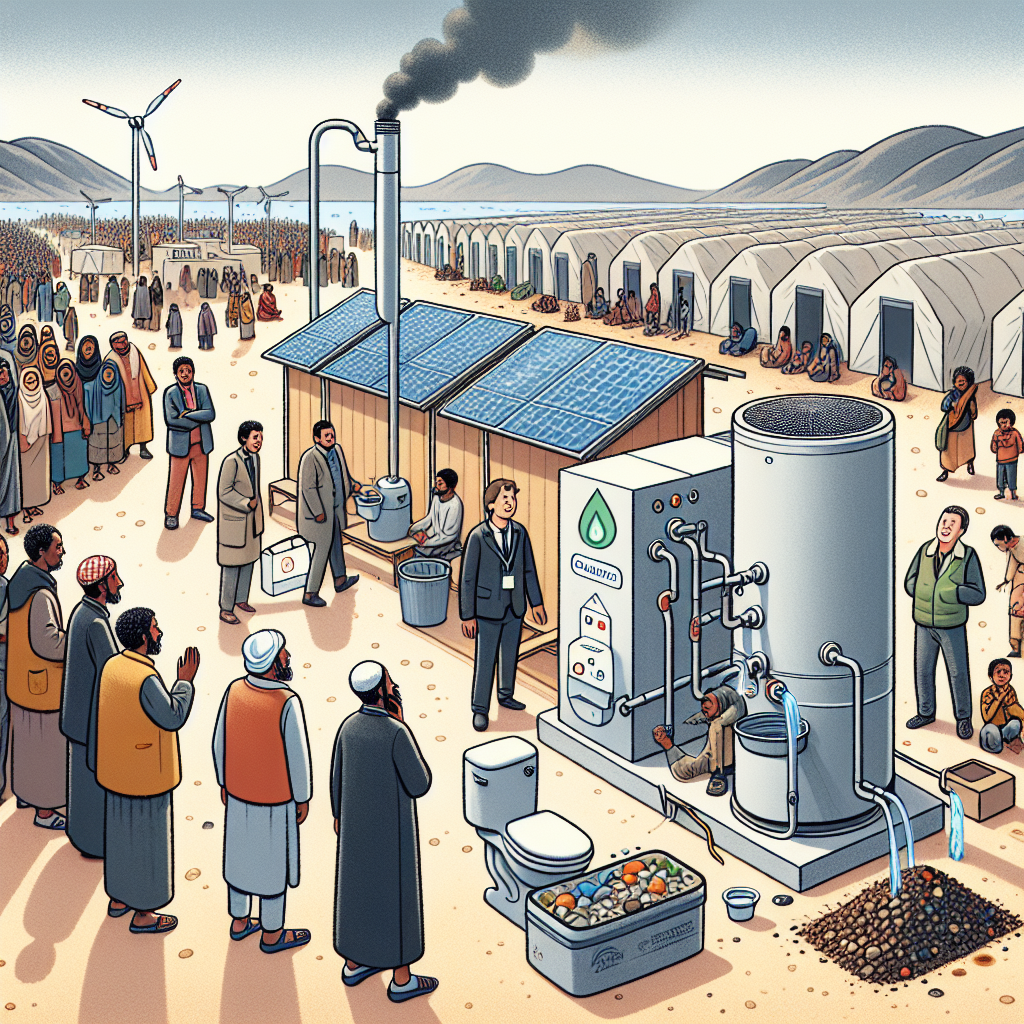
Urine-diverting toilets separate urine from feces at the source. This separation is critical because urine is rich in nitrogen, phosphorus, and potassium—all valuable for agricultural use. Composting systems then transform human feces into humus, a stable substance that can be safely used to enhance soil fertility. Constructed wetlands treat wastewater by mimicking natural wetland processes, thereby removing pathogens, nutrients, and other contaminants.
In combination, these components ensure that waste is treated as a resource rather than a nuisance. They help close the nutrient loop, reduce the need for chemical fertilizers, and minimize the risk of water pollution. The safe and effective management of human waste through these technologies is paramount for safeguarding public health.
Benefits to Public Health
The benefits of EcoSan technologies to public health are numerous and far-reaching. One of the primary advantages is the reduction in waterborne diseases. Traditional sanitation systems often lead to the contamination of water sources, which can result in outbreaks of diseases such as cholera, dysentery, and hepatitis.
By properly treating and recycling human waste, EcoSan technologies significantly reduce the pathogens in the environment, thereby lowering the incidence of these diseases. Another major benefit is the improvement in agricultural productivity. The nutrients recovered from human waste can be used to fertilize crops, leading to better yields and improved food security.
Moreover, EcoSan practices contribute to the conservation of water resources. Many EcoSan systems use little to no water, which is particularly beneficial in areas suffering from water scarcity. By reducing the demand for water and preventing contamination of existing water supplies, EcoSan promotes the sustainable use of this vital resource.
Environmental Implications
Beyond the direct benefits to public health, EcoSan technologies also have significant positive implications for the environment. Traditional sanitation systems often involve the discharge of untreated or partially treated wastewater into the environment, which can lead to nutrient pollution and eutrophication of water bodies.
EcoSan approaches prevent this by ensuring that nutrients are reclaimed and reused rather than released into the environment. This helps protect aquatic ecosystems and the biodiversity they support. Furthermore, the reduction in chemical fertilizer use due to nutrient recycling decreases the environmental impact of agricultural practices.
EcoSan systems also contribute to the reduction of greenhouse gas emissions. Traditional waste treatment processes, including those used in sewage treatment plants and landfills, are significant sources of methane—a potent greenhouse gas. By composting human waste and using it as a soil amendment, EcoSan technologies can significantly reduce methane emissions, contributing to climate change mitigation.
Challenges and Barriers
Despite the numerous benefits, the implementation of EcoSan technologies is not without its challenges. One primary barrier is the social acceptance of using human waste as a resource. Cultural norms and taboos around human excreta can hinder the widespread adoption of EcoSan practices.
Another significant challenge is the initial cost and maintenance of EcoSan systems. While these systems can be cost-effective in the long run, the upfront investment may be prohibitively high for some communities, especially in developing regions. Moreover, the maintenance of EcoSan facilities requires proper training and resources, which may not always be available.
Finally, regulatory and policy barriers can also impede the adoption of EcoSan practices. In many regions, existing sanitation regulations do not accommodate alternative technologies. To overcome these obstacles, it is essential to raise awareness about the benefits of EcoSan, invest in training and capacity-building, and advocate for supportive policies and regulations.
Real-World Applications and Case Studies
Several successful case studies highlight the potential of EcoSan technologies to transform sanitation practices and improve public health. One notable example is the work of the Sustainable Sanitation and Water Management Toolbox in urban slums in Kenya. By introducing urine-diverting dry toilets and composting systems, they significantly reduced the incidence of waterborne diseases and improved the overall health and well-being of the community.
In India, the EcoSan program implemented by the Sulabh International Social Service Organization demonstrated the efficacy of these technologies in rural areas. By adopting EcoSan toilets and composting methods, villagers saw substantial improvements in crop yields and a marked decrease in health issues related to poor sanitation.
Moreover, in China, the adoption of EcoSan practices in peri-urban and rural areas has led to enhanced soil fertility and better water quality. These case studies underscore the versatility and effectiveness of EcoSan technologies in diverse settings, proving their value in addressing global sanitation challenges.
The Future of EcoSan Technologies
The future of Ecological Sanitation looks promising as more communities recognize the necessity of sustainable waste management practices. Innovations in technology are making EcoSan systems more efficient, affordable, and user-friendly. Advances in microbiological research are also paving the way for more effective and safe waste treatment processes.
Furthermore, there is a growing recognition among policymakers and development agencies of the importance of integrating EcoSan into broader water, sanitation, and hygiene (WASH) initiatives. By linking EcoSan with other sustainable development goals, such as food security and climate change mitigation, the global community can foster a more cohesive and effective approach to addressing sanitation challenges.
As we look to the future, continued advocacy, education, and investment in EcoSan technologies will be crucial. Empowering communities with the knowledge and resources to implement these practices can lead to healthier populations and a more sustainable world.
Conclusion
Ecological Sanitation offers a transformative approach to managing human waste, with profound implications for public health, environmental sustainability, and social well-being. By effectively recycling nutrients and conserving water, EcoSan technologies provide a holistic solution that addresses multiple challenges at once.
While there are barriers to overcome, the potential benefits of EcoSan are too significant to ignore. By fostering acceptance of these practices, investing in their implementation, and advocating for supportive policies, we can pave the way for a future where sustainable sanitation is the norm rather than the exception.
In conclusion, the integration of EcoSan technologies into global sanitation strategies represents a pivotal step toward ensuring the health and sustainability of our communities and our planet. Let us embrace the opportunities these innovative practices present and work together to build a healthier, more sustainable future for all.