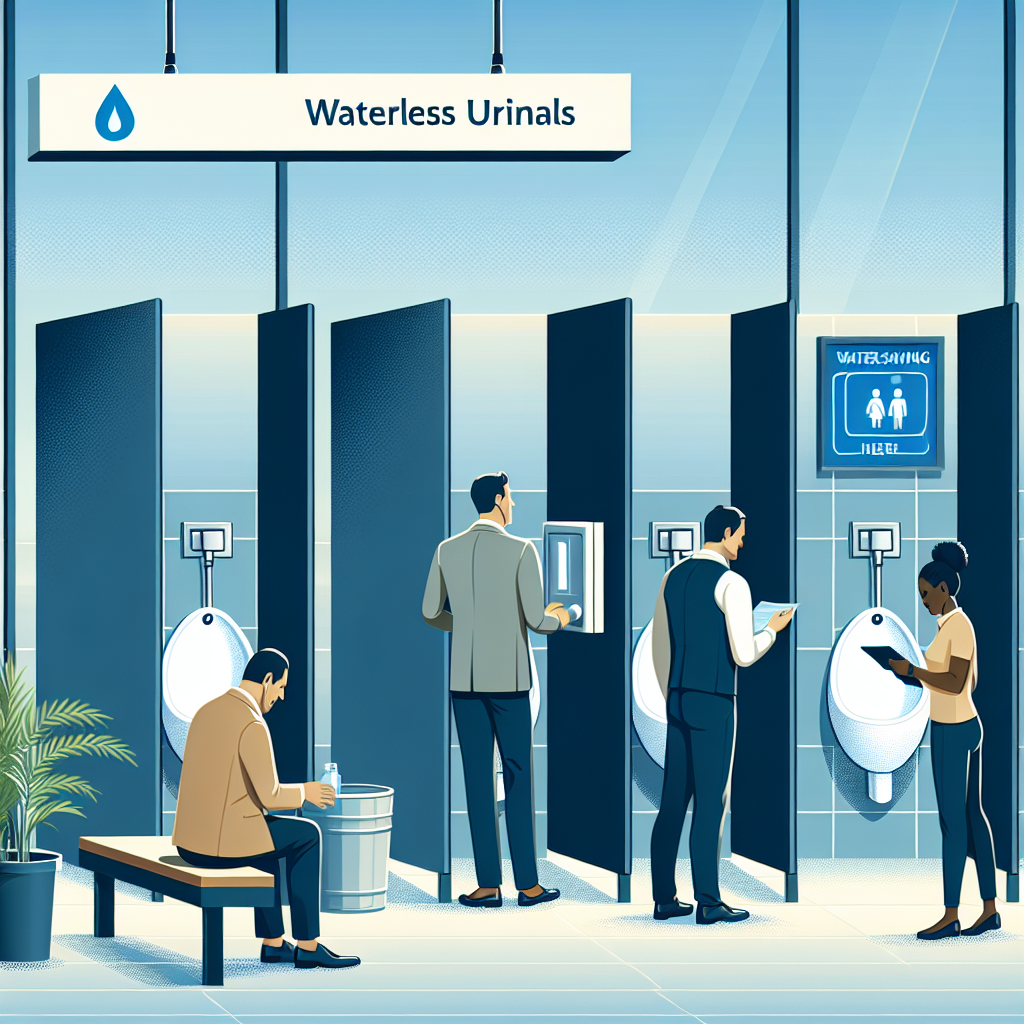
In the contemporary world, water conservation has become an essential focus as secure water sources dwindle and the global population increases. One innovative solution that has emerged in public sanitation to address this crisis is the waterless urinal. These fixtures are becoming increasingly popular in schools, airports, commercial buildings, and even residential settings. Their effectiveness in saving water, reducing operating costs, and lowering maintenance needs makes them a favorable choice for sustainable sanitation solutions.
Waterless urinals present an environmentally friendly approach by eliminating the need for water to flush away urine. The aim is to conserve large quantities of potable water that would otherwise be used in traditional urinals. While the concept might initially seem unconventional, the technology and utility behind waterless urinals warrant a deeper look. This article will explore the functioning, benefits, implementation, challenges, and the long-term effects of waterless urinals in public sanitation.
Conventional urinals use between one to three gallons of water every time they are flushed. Estimations suggest that in high-traffic public areas, this adds up to thousands of gallons of water each month. Given the severity of the global water crisis, the need for effective and sustainable sanitation solutions cannot be overstated. Waterless urinals represent a significant step forward in rethinking how we manage sanitation and resource conservation.
How Waterless Urinals Work
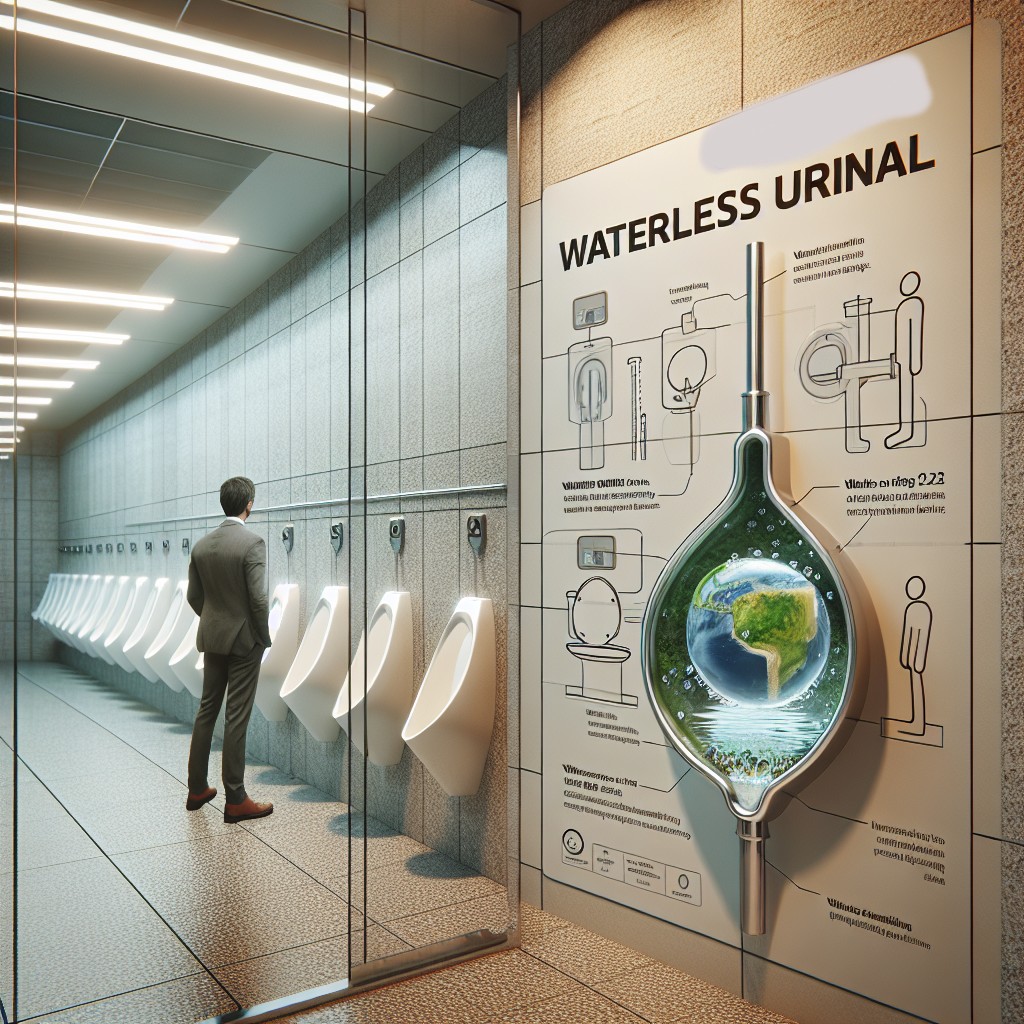
The technology behind waterless urinals is both simple and effective. Traditional urinals use a spray of water to flush urine into the drainage system. In contrast, waterless urinals function by using gravity and a specially designed surface to funnel urine into a trap just below the urinal bowl. This trap is either a cartridge or a series of membranes that use a barrier liquid, typically a biodegradable oil. This barrier liquid floats on top of the urine, preventing odors from escaping into the restroom.
The urine passes through this liquid layer into the base of the trap and then flows directly into the sewage system. The barrier liquid then reseals itself, continuing to prevent odors. Additionally, some models of waterless urinals feature a hydrophobic surface, designed to repel liquid and ensure it flows smoothly into the trap. This innovative design reduces the requirement for constant water flow, minimizes maintenance issues, and curtails the spread of unpleasant odors.
Periodically, based on usage, the trap or cartridge in a waterless urinal needs to be replaced or cleaned to maintain optimal performance. This process is straightforward and typically requires far less water and fewer resources than cleaning traditional urinals, further contributing to their sustainability credentials. Innovative membrane technology continues to develop, making waterless urinals even more effective over time.
Benefits of Waterless Urinals
One of the most significant benefits of waterless urinals is their impact on water conservation. Institutions that have switched to waterless urinals report saving thousands of gallons of water annually. This reduction in water usage not only saves money on water bills but also eases the burden on local water treatment facilities, thus supporting broader environmental sustainability efforts.
Another benefit is the cost savings associated with reduced maintenance. Without the need for water, there is less risk of plumbing issues such as leaks or blockages, which means fewer repairs and lower maintenance costs. The simplified maintenance schedule for waterless urinals contributes to less downtime in public facilities, ensuring that restrooms remain functional and hygienic for users.
Moreover, waterless urinals contribute to better restroom hygiene. The absence of standing water reduces the possibility of bacteria and mold growth, as these thrive in moist conditions. Additionally, the design of waterless urinals makes them easier to clean and less prone to surfaces that attract dirt and germs.
By reducing water usage, maintenance costs, and improving hygiene, waterless urinals present a compelling case for those responsible for the management of public, commercial, or residential facilities. Their environmental and economic advantages make them a viable option for future-proofing sanitation infrastructure.
Implementation and Adoption
Implementing waterless urinals in public restrooms demands a shift in perception and practice. Organizations considering this move should start with a thorough evaluation of their current restroom usage and water consumption. Pilot programs are an excellent way to gauge the effectiveness of waterless urinals and gather user feedback.
One critical step in successful implementation is training custodial staff. They need to understand the cleaning and maintenance needs of waterless urinals, which differ slightly from traditional fixtures. Clear guidelines on maintenance schedules and procedures will ensure these fixtures operate efficiently and meet hygiene standards.
Another step is public education. Users might initially be skeptical about the concept of waterless urinals. Informational campaigns and signage explaining the benefits and functioning of waterless urinals can alleviate concerns and garner public support. Transparency about environmental and economic benefits can also foster positive public sentiment.
Collaboration with manufacturers can ease the transition. Many companies offer comprehensive support, including implementation plans, training sessions, and maintenance resources. A phased approach, beginning with high-traffic areas, can demonstrate effectiveness and build confidence before expanding the usage of waterless urinals across more locations.
Challenges and Solutions
While waterless urinals have numerous advantages, they come with their own set of challenges. One common issue is the potential for odor if the barrier liquid is not effectively maintained. Regularly scheduled maintenance and prompt replacement of the barrier liquid can mitigate this problem.
User acceptance can also be a hurdle. Some individuals may have ingrained habits or misconceptions about the cleanliness of waterless urinals. Addressing these through education, clear communication, and providing a positive user experience is crucial in overcoming initial resistance.
Cost can be another concern. The upfront investment in new fixtures and initial maintenance training may deter some organizations. However, a detailed cost-benefit analysis often reveals that the long-term savings in water bills and reduced maintenance costs make waterless urinals a financially sound decision.
Lastly, ensuring alignment with local plumbing and sanitation codes is essential. Some jurisdictions may have specific requirements or restrictions regarding waterless fixtures. Engaging with local authorities early in the planning process can ensure a smooth implementation and avoid regulatory roadblocks.
The Future of Waterless Urinals
The future of waterless urinals looks promising as advancements in technology continue to enhance their efficacy and user experience. Research and development in the materials used for traps and barriers are leading to more reliable and long-lasting solutions. The integration of smart technology is also on the horizon, where usage data can be monitored to optimize maintenance schedules and enhance efficiency.
Additionally, broader adoption of waterless urinals can drive innovation in other areas of sustainable sanitation. The principles behind waterless technology can inspire the development of environmentally friendly lavatories, sinks, and other restroom fixtures. The move towards comprehensive water-saving solutions aligns with global sustainability goals.
Governments and regulatory bodies are beginning to recognize the benefits of waterless urinals, leading to supportive policies and incentives for installation. These incentives can offset initial costs and encourage widespread adoption in both public and private sectors.
Furthermore, the increasing public awareness of environmental issues is driving demand for sustainable solutions. As individuals and organizations alike become more conscious of their environmental footprint, the shift towards eco-friendly sanitation solutions like waterless urinals will gain momentum. This cultural shift will play a key role in mainstreaming water-efficient technologies.
Conclusion
Waterless urinals are an innovative and practical solution for conserving water in public sanitation. Their ability to significantly reduce water consumption, lower maintenance costs, and improve hygiene makes them an attractive option for modern facilities. As the world grapples with the dual challenges of water scarcity and environmental sustainability, practical solutions like waterless urinals will be instrumental in building a resilient future.
The challenges associated with implementing waterless urinals can be effectively managed through proper education, maintenance, and regulatory alignment. The benefits they offer far outweigh the initial hurdles, making them a wise investment in sustainable infrastructure. By embracing waterless urinals, institutions can demonstrate a commitment to environmental stewardship and responsible resource management.
Looking ahead, ongoing advancements in technology and increasing awareness of sustainability issues suggest that waterless urinals will become even more effective and widely accepted. As we continue to innovate and adapt to the changing needs of our planet, waterless urinals stand out as a beacon of sustainable sanitation.
Transitioning to waterless urinals is not just an upgrade in restroom facilities; it represents a shift towards a sustainable mindset that prioritizes the conservation of valuable resources. By leading the charge in adopting such eco-friendly solutions, organizations can play a pivotal role in advancing global sustainability goals while reaping the financial and practical benefits of these innovations.