
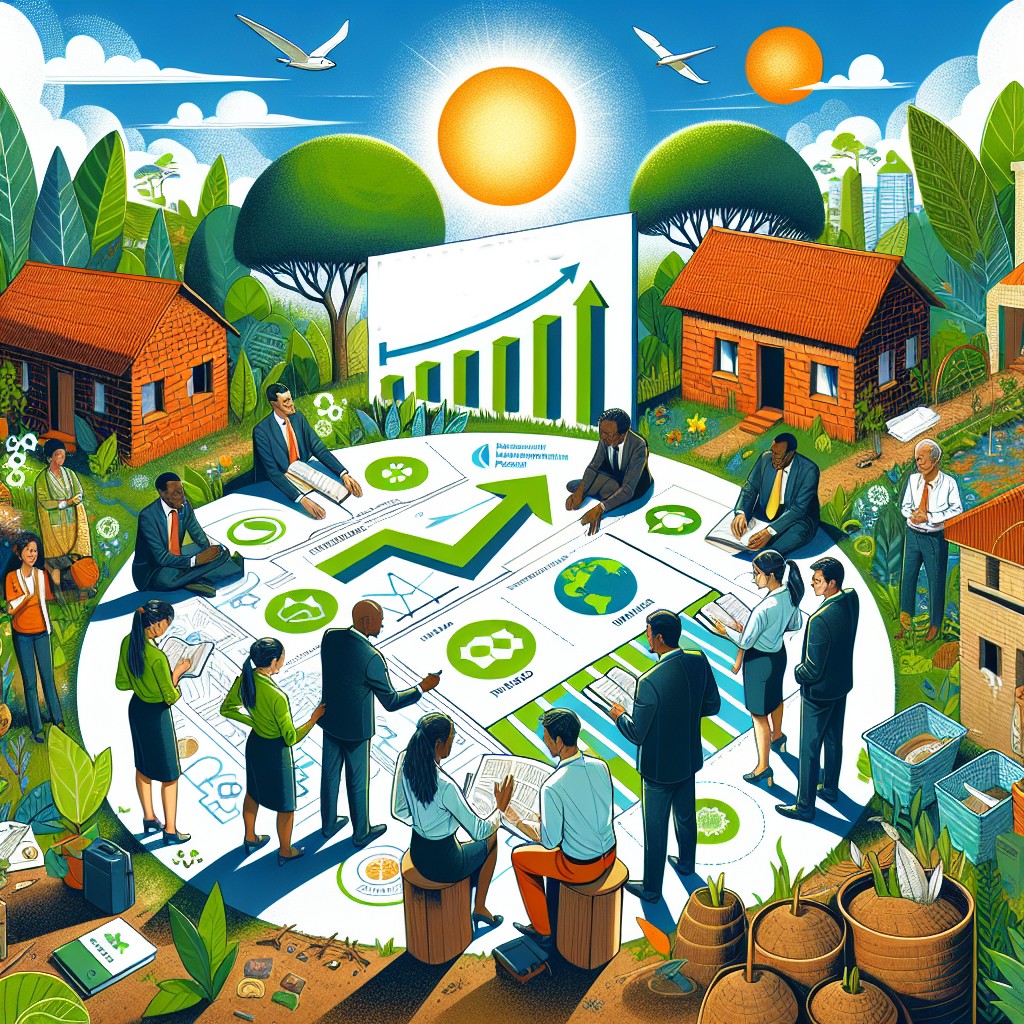
Ecological Sanitation, commonly known as EcoSan, is a sustainable, cost-effective, and environmentally friendly way to manage human waste. Traditional sanitation methods often pose significant challenges, from water pollution to energy consumption and health risks. EcoSan systems, on the other hand, aim to recycle human waste into valuable resources such as compost and biogas, thus supporting a circular economy and promoting ecological sustainability.
The principles of EcoSan are grounded in the need to close the loop between sanitation and agriculture, ensuring that nutrients found in human waste are returned to the soil rather than being lost in sewage systems or water bodies. By adopting EcoSan methods, communities can reduce the environmental footprint of waste management while creating opportunities for agricultural productivity and enhancing public health. This comprehensive guide aims to empower practitioners with the knowledge and tools necessary to manage EcoSan projects effectively.
In this guide, you’ll find insights on various EcoSan methods, project planning, implementation strategies, and practical tips that can make your EcoSan project both successful and sustainable. Whether you’re working in an urban setting or a rural community, the principles and practices discussed here will help you navigate the complexities of EcoSan projects and achieve long-term success.
Understanding EcoSan Methods
There are several methods of EcoSan, each tailored to specific situations and environments. The most common types include composting toilets, urine-diverting dry toilets (UDDTs), and biogas systems. Thorough understanding of these methods provides a foundation for making informed decisions about which approach is most suitable for your project.
Composting Toilets: These systems use aerobic decomposition to transform human waste into compost. By properly managing moisture and temperature, pathogens can be eliminated, rendering the final product safe for agricultural use. Key advantages include low water usage and the production of a valuable soil amendment.
Urine-Diverting Dry Toilets (UDDTs): UDDTs separate urine from feces at the source, allowing for distinct processing paths for each. Urine, which is rich in nitrogen, can be diluted and used as a fertilizer, while feces can be safely composted. This separation reduces odors and simplifies waste management.
Biogas Systems: In these anaerobic digesters, organic matter is processed by bacteria in the absence of oxygen, producing biogas (a mixture of methane and carbon dioxide) that can be used for cooking or energy generation. The remaining material, or digestate, can be used as compost.
Each method has its own requirements and benefits. When selecting the appropriate EcoSan method, consider factors such as local climate, available resources, community preferences, and potential end-users of the recycled products. Understanding these methods allows practitioners to tailor their approach to meet specific needs effectively.
Project Planning and Community Engagement
Successful EcoSan projects begin with comprehensive planning and active community engagement. Start by conducting a thorough needs assessment to identify the key sanitation challenges and opportunities within the community. Engage with local stakeholders, including residents, community leaders, and local government officials, to build a shared understanding of the project’s goals and benefits.
Create a detailed project plan that outlines the scope, timeline, and budget. Include provisions for regular monitoring and evaluation to track progress and make necessary adjustments. Prioritize community engagement by organizing workshops, training sessions, and awareness campaigns to educate residents about the benefits of EcoSan and how they can actively participate.
Address potential concerns through open dialogue, emphasizing the health and environmental benefits of EcoSan systems. Encourage community members to take ownership of the project, ensuring long-term sustainability and local buy-in.
Design and Implementation Strategies
Designing and implementing EcoSan systems involves a multidisciplinary approach, integrating engineering, environmental science, and social dynamics. Start by selecting a suitable location for the EcoSan facilities, considering factors such as soil type, water table, accessibility, and proximity to users.
Collaborate with experts in sanitation technology to design systems that meet the specific needs of the community. Consider modular designs that can be scaled up or down based on usage and population growth. Implement systems that are user-friendly and require minimal maintenance, ensuring accessibility for all community members.
During the construction phase, involve local labor and materials to stimulate the local economy and reduce costs. Provide comprehensive training to local technicians and household members on the proper use and maintenance of EcoSan systems. Establish clear protocols for the regular collection and processing of human waste, ensuring safety and hygiene standards are met.
Monitoring and Evaluation
Continuous monitoring and evaluation are crucial components of successful EcoSan projects. Develop a robust monitoring framework that includes key performance indicators (KPIs) related to health outcomes, environmental impact, and user satisfaction.
Conduct regular inspections of EcoSan facilities to ensure they are functioning properly and identify any potential issues. Utilize feedback mechanisms to gather input from users and community members. Analyze data collected from monitoring activities to identify trends, challenges, and areas for improvement.
Regularly update stakeholders on project progress and share success stories to maintain momentum and community support. Use evaluation findings to make data-driven decisions and refine the project’s strategies and approaches. By prioritizing regular monitoring and evaluation, you can ensure the long-term success and sustainability of EcoSan projects.
Addressing Challenges and Ensuring Sustainability
EcoSan projects, like any other development initiative, come with their own set of challenges. Common challenges may include initial resistance from community members, technical issues with sanitation systems, and securing consistent funding.
To overcome these challenges, prioritize transparency and communication. Address misinformation through educational programs and demonstrate the benefits of EcoSan through pilot projects and testimonials. Develop contingency plans to address technical issues promptly and involve local experts to troubleshoot and provide solutions.
Ensure the financial sustainability of EcoSan projects by exploring diverse funding sources, including grants, donations, and community contributions. Promote the economic opportunities associated with EcoSan, such as selling compost or biogas, to create additional revenue streams for the community. Foster a sense of ownership and responsibility amongst community members by involving them in decision-making processes and capacity-building activities.
Scaling Up and Replicating Success
Once your EcoSan project has demonstrated success, consider opportunities for scaling up and replicating the model in other communities. Develop a comprehensive documentation of the project, including methodologies, lessons learned, and best practices. This documentation will serve as a valuable resource for other practitioners and organizations aiming to implement similar projects.
Engage with policymakers and influencers to advocate for supportive policies and regulations that promote the adoption of EcoSan methods. Participate in sanitation networks and forums to share knowledge and collaborate with other practitioners. Position your project as a model of best practices that can inspire and inform broader efforts to improve sanitation sustainably.
Explore partnerships with local and international organizations to leverage resources, expertise, and funding for scaling up EcoSan initiatives. By promoting collaboration and knowledge-sharing, you can expand the impact of EcoSan projects and contribute to global efforts to improve sanitation and promote environmental sustainability.
Conclusion
EcoSan offers a transformative approach to sanitation, addressing environmental, health, and economic challenges while promoting sustainability. Whether through composting toilets, UDDTs, or biogas systems, EcoSan methods provide practical and innovative solutions to managing human waste in a manner that aligns with ecological principles.
To manage EcoSan projects effectively, practitioners must focus on comprehensive planning, community engagement, thoughtful design, and rigorous monitoring and evaluation. Addressing challenges and ensuring sustainability requires a collaborative approach, involving community members, stakeholders, and experts across various fields.
As the world continues to grapple with issues related to sanitation and environmental degradation, EcoSan presents a viable path forward. By scaling up successful models and sharing best practices, we can create healthier communities and a cleaner planet. Ultimately, the success of EcoSan projects lies in our collective commitment to sustainable development and the well-being of future generations.


