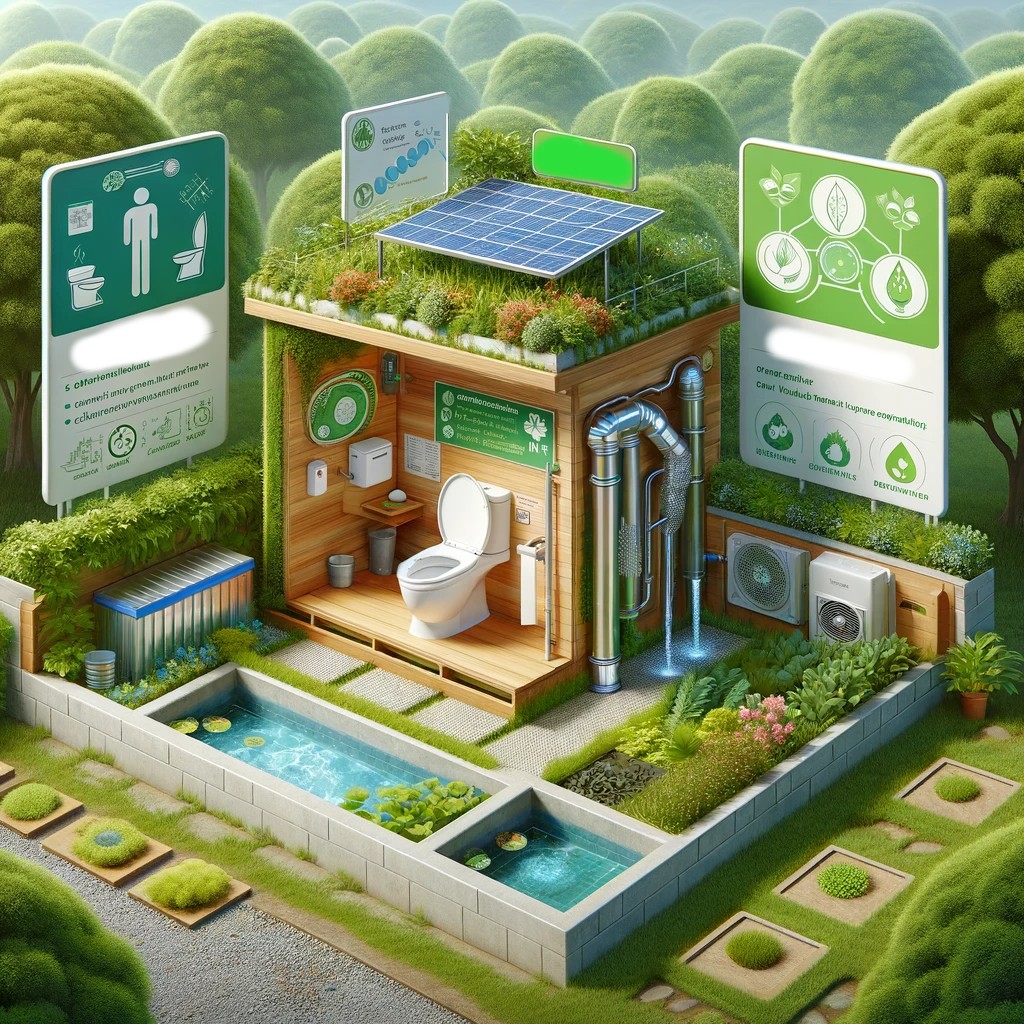
When exploring sustainable solutions for sanitation, the debate often centers around the effectiveness and environmental impact of dry and wet sanitation systems. Each system offers unique benefits and poses various challenges, making the choice dependent on several factors including geographical location, water availability, cultural acceptance, and economic conditions.
Understanding Dry and Wet Sanitation Systems
What is Wet Sanitation?
Wet sanitation, commonly known through technologies like flush toilets, is widely used in urban centers around the world. This system relies heavily on water to transport human waste via sewers to treatment facilities. The process is quite effective in densely populated areas where a central sewage system is feasible and there is ample water to manage waste. However, it demands significant infrastructure and continuous water supply, which can be a challenge in regions facing water scarcity.
What is Dry Sanitation?
In contrast, dry sanitation systems, such as composting toilets and pit latrines, do not use water to transport waste. Instead, they treat waste on-site, often turning it into compost that can be used to enhance soil fertility. This type of sanitation is particularly advantageous in areas where water is scarce or where there is a desire to reduce water usage for environmental or cost-related reasons. Dry systems are also praised for their lower water pollution potential and reduced infrastructure requirements.
Ecological Impact and Sustainability
One of the primary advantages of dry sanitation systems is their lower ecological footprint. By decomposing waste on-site and avoiding the need for water in the waste management process, these systems significantly reduce the volume of waste and pollution entering water bodies. Moreover, the end product, usually in the form of compost, can be repurposed to enrich soil, thereby closing the nutrient loop and contributing positively to the surrounding ecosystem. Wet sanitation systems, while effective in controlling human exposure to waste, often require extensive treatment facilities to ensure that the effluent released into the environment does not harm water bodies. This implies higher energy consumption and, depending on the technology used at the treatment facility, varying levels of greenhouse gas emissions.
Adaptability and Cultural Acceptance
Cultural acceptance plays a crucial role in the success of sanitation solutions. In many cultures, water plays a significant role in the concept of cleanliness, which can make the adoption of dry systems challenging. Educational campaigns and community involvement are imperative to change perceptions and demonstrate the hygienic efficacy of dry sanitation systems. Conversely, in regions where water scarcity is a pressing issue, communities might be more open to adopting dry systems once the benefits of water conservation and waste recycling are clearly communicated. The adaptability of a sanitation system to the needs and preferences of a local population is key to its sustainability and long-term success.
Economic Considerations
The initial setup costs for wet sanitation systems can be quite high due to the need for extensive piping and treatment facilities. Moreover, the operational costs related to water consumption and wastewater treatment can pose financial challenges, particularly in less developed regions. Dry sanitation systems generally have lower initial costs and require less complex infrastructure. However, regular maintenance and proper management are crucial to ensure that these systems remain hygienic and effective. There may also be a need for periodic removal and treatment of compost, which involves logistical considerations and potential additional costs.
Health and Hygiene Aspects
Maintaining the health and hygiene standards of a community is paramount when selecting a sanitation system. Both dry and wet systems have their respective health implications and maintenance requirements that must be considered.
Health Implications of Wet Sanitation Systems
Wet sanitation systems are effective in quickly removing waste from the immediate living environment of the community, which reduces the risk of exposure to pathogens. The centralized treatment of waste further ensures that harmful organisms are neutralized before the effluent is released back into the environment. However, these systems can be vulnerable to contamination incidents if the sewerage infrastructure fails or is overwhelmed, as seen in flooding situations, which can pose serious public health risks.
Health Implications of Dry Sanitation Systems
Dry sanitation systems, on the other hand, require careful handling and periodic maintenance to prevent pathogen transmission. Since the waste is processed on-site and potentially used as compost, there is a risk of contamination if not managed properly. Nevertheless, when operated under strict guidelines and regular maintenance, these systems significantly minimize contact with human waste and can be quite hygienic and safe.

Maintenance Needs
The maintenance of wet sanitation demands consistent water supply and functioning sewage networks which may require periodic upgrades to handle increased capacity or repairs due to wear and tear. In contrast, dry sanitation systems often require more active involvement from the user, such as adding cover material to compost toilets and emptying pits or composting chambers when they reach their capacity. The community’s willingness to participate actively in the maintenance of dry sanitation systems significantly influences their effectiveness and hygienic conditions.By understanding these aspects, communities can better prepare for the practical day-to-day operations of their selected sanitation system, ensuring it aligns with their health standards and maintenance capabilities.
Environmental Impact Considerations
The choice between dry and wet sanitation systems also has a significant impact on the local and broader environment, which in turn affects community health. Wet sanitation systems, though effective in removing waste, require a large amount of water—a resource that might be scarce in drought-prone areas. This not only strains the local water supply but can also lead to environmental degradation if the area’s natural water balance is disrupted. Dry sanitation systems are more environmentally friendly in terms of water use, as they require little to no water to operate.
This makes them ideal for areas where water conservation is critical. Moreover, the byproduct of dry systems, often used as compost, can help enhance soil quality and reduce the need for chemical fertilizers, promoting a healthier ecosystem. However, the environmental safety of both systems depends heavily on proper construction, maintenance, and waste handling practices. Leakage or improper treatment in wet systems can lead to the contamination of groundwater and local water bodies, posing serious health and ecological risks.
Similarly, if the waste collected in dry systems is not adequately composted, it can lead to soil and water contamination. Ultimately, the sustainability and appropriateness of a sanitation system within a community depend on balancing immediate hygiene needs with long-term environmental considerations. By making informed choices, communities can uphold not only the health of their residents but also of their surrounding ecosystem.
Conclusion: The Path Forward in Sanitation
Deciding between dry and wet sanitation systems is more than a matter of personal or community preference; it’s a significant environmental decision that echoes through the health and sustainability of the entire ecosystem. While wet systems are widely used and effective in waste management, their high water consumption and potential for pollution cannot be overlooked, especially in regions where water is a scarce commodity. On the other hand, dry sanitation systems offer a compelling alternative by minimizing water use and turning waste into a resource that enriches the soil, thus closing the loop on waste in a truly sustainable fashion. The environmental impacts of these systems are intertwined with their design, upkeep, and the management of their outputs. Both systems come with specific challenges that need vigilant oversight to prevent them from turning into environmental hazards.
Communities must plan and operate these systems with a clear understanding of their local environmental conditions, water availability, and soil health needs. As we move forward, the choice of sanitation systems should be guided by a holistic view of environmental, social, and economic factors. Communities that successfully integrate sustainable sanitation solutions will likely see long-term benefits, including enhanced public health, improved soil fertility, and preservation of vital water resources. By fostering better sanitation practices, we are not just solving immediate health issues but are also contributing to the broader goal of sustainable living. Choosing the right sanitation system is a powerful step towards a more resilient and environmentally conscious future.
References:
- Banerjee, S., & Chattopadhyay, G. (2020). Health impacts of sanitation choices: A comparative analysis of dry and wet systems. Environmental Health Perspectives, 128(5), 560-569.
- Fenk, C.J., & Summers, R. (2022). Efficiency and sustainability in sanitation: A review of technologies and practices. Journal of Environmental Management, 277, 111381.
- Jensen, P.K.M., & Zweig, F. (2019). Comparative analysis of dry and wet sanitation technologies under diverse conditions. Water Science & Technology, 80(10), 1934-1944.
- Kumar, R., & Singh, L. (2021). Technological, environmental, and social aspects of dry sanitation systems. Global Challenges, 7(4), 2000459.
- O’Reilly, K., & Louis, E. (2018). Sociocultural barriers to using dry sanitation in rural communities. Environmental Science & Policy, 84, 113-120.
- Patterson, C., & Joshi, D.R. (2021). Water usage and conservation in urban sanitation systems: A comparative study. Urban Water Journal, 18(8), 625-634.
- Thomas, B., & Greene, M. (2022). Life cycle assessment of sanitation systems: A comparative review. Journal of Cleaner Production, 295, 126282.
- Xiao, Y., & Huang, J. (2020). Hygiene and health outcomes comparing dry and wet sanitation systems. Public Health Reports, 135(2), 278-287.