Access to clean, potable water is a fundamental human necessity and a substantial public health goal, particularly in developing regions where water sources are often contaminated. Traditional methods of water purification can be resource-intensive, requiring chemicals or electricity. Solar distillation, a form of Ecological Sanitation (EcoSan), offers a sustainable solution by harnessing the power of the sun to purify water. This environmentally friendly technique not only addresses the immediate need for clean drinking water but also contributes to broader environmental conservation efforts by leveraging renewable energy.
Introduction to Solar Distillation
Solar distillation is a natural water purification process that utilizes sunlight to evaporate water, leaving contaminants behind. When water evaporates, it leaves impurities such as salts, heavy metals, and pathogens behind, resulting in purified water upon condensation. Essentially, solar distillation mimics the Earth’s natural hydrological cycle, wherein solar energy drives water to evaporate from oceans, form clouds, and precipitate as rain. This concept, translated into a controlled, small-scale system, can provide an effective method for generating clean water from polluted sources. The importance of this approach lies in its simplicity and sustainability. Solar distillation systems can be built using readily available materials and can operate under a wide range of environmental conditions. They require minimal maintenance and no external energy sources other than sunlight, making them a viable option for remote or off-grid locations. Furthermore, as global climate change increasingly impacts water security, solar distillation represents a resilient and adaptable solution that can contribute significantly to water sustainability efforts.
Basic Principles of Solar Distillation
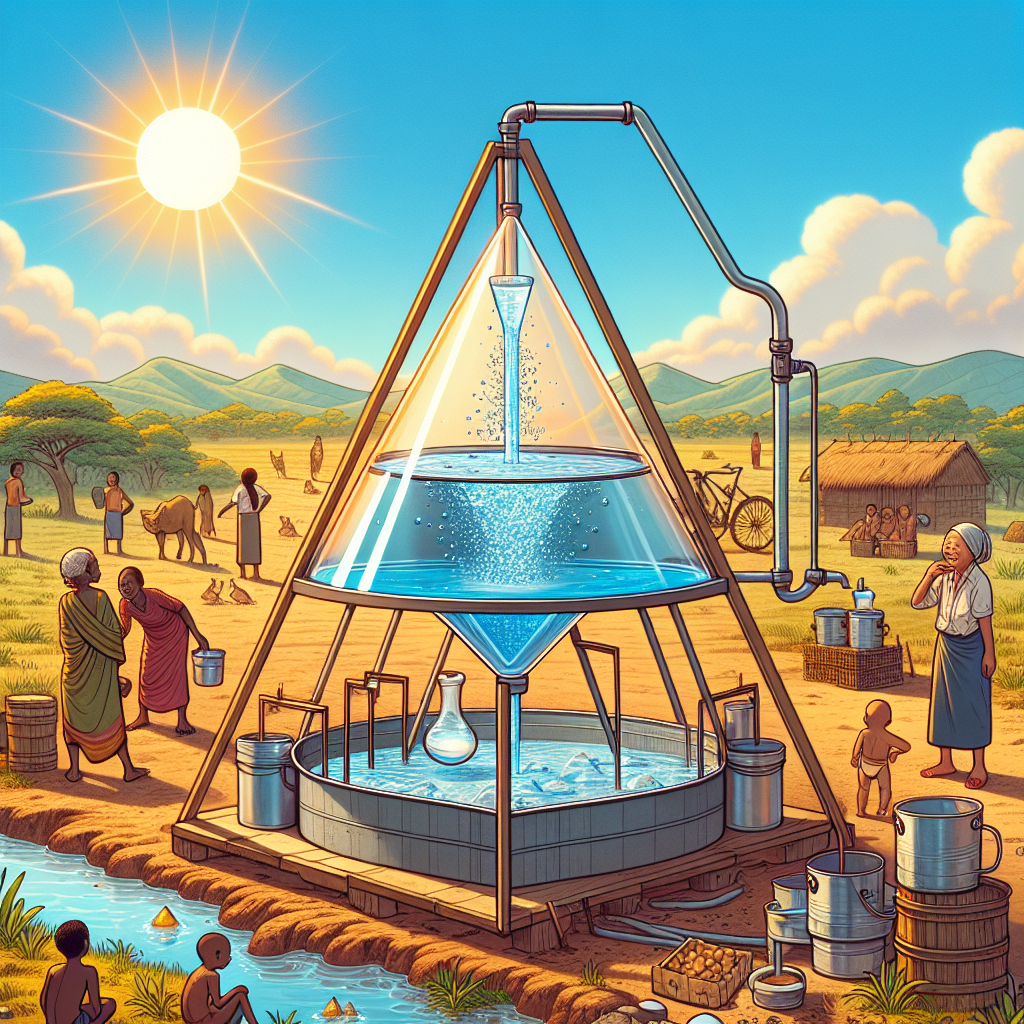
The core principle behind solar distillation is simple: utilizing solar energy to heat and evaporate water, followed by condensation to produce purified water. A typical solar distillation setup, often referred to as a solar still, comprises a few essential components: a basin to hold the contaminated water, a transparent cover to allow sunlight to enter and prevent evaporated water from escaping, and a channel to collect the condensed purified water. When sunlight penetrates the transparent cover, it heats the water in the basin, causing it to evaporate. As the water vapor rises and contacts the underside of the transparent cover, which is cooler, it condenses back into liquid form. This condensation is collected in a separate channel and directed to a storage container. The efficiency and effectiveness of the process depend on several factors, including the intensity and duration of sunlight, the surface area of the evaporating basin, and the design of the solar still. Solar distillation systems can be classified into passive and active systems. Passive systems rely solely on natural sunlight for heating and evaporation, whereas active systems incorporate additional features such as solar collectors or mechanical pumps to enhance the process. Both methods have their advantages and applications, and the choice depends largely on local conditions and available resources.
Design Considerations for Solar Stills
Designing an effective solar still involves considering several crucial factors to optimize the distillation process. First and foremost is the material choice for the basin and cover. The basin must be dark-colored to absorb maximum sunlight and efficiently heat the water. Materials like black plastic or metal work well for this purpose. The transparent cover, typically made from glass or clear plastic, must be resistant to UV degradation and able to create a tight seal to prevent the loss of water vapor. The angle and shape of the transparent cover also play a significant role in the efficiency of condensation. A tilted cover allows condensed water droplets to flow more easily into the collection channel, minimizing water loss. Insulating the sides and bottom of the basin can further improve efficiency by reducing heat loss. Additionally, the surface area of the basin directly influences the rate of evaporation. The larger the surface area, the more water can be evaporated at a given time. Multi-stage solar stills, which employ multiple evaporating and condensing stages within a single unit, can significantly enhance water output compared to single-stage stills. Finally, the location of the solar still is critical. An ideal site should receive abundant direct sunlight throughout the day and be free from shading by trees or buildings. Ensuring a consistent and sufficient supply of sunlight is paramount for maintaining continuous water purification.
Advantages of Solar Distillation
Solar distillation offers numerous benefits, making it an attractive method for water purification in various contexts. One of the primary advantages is its sustainability. Unlike conventional purification techniques that rely on fossil fuels or chemicals, solar distillation employs renewable solar energy, reducing the carbon footprint and minimizing environmental impact. Additionally, solar distillation is highly effective at removing a wide range of contaminants. From dissolved salts and heavy metals to pathogens and chemical pollutants, the process yields high-purity water, making it suitable for drinking and other uses. This capability is particularly valuable in regions where groundwater or surface water sources are compromised by industrial pollution or agricultural runoff. The simplicity and low maintenance requirements of solar distillation systems are other key advantages. Once installed, these systems can operate independently with minimal intervention, making them ideal for remote or resource-constrained settings. The absence of moving parts and reliance on passive solar energy translates to fewer points of failure and longer operational lifespans. Moreover, solar distillation can be a cost-effective solution for communities lacking access to traditional water treatment infrastructure. The initial investment in materials and construction is relatively low, and the ongoing operational costs are negligible, mainly involving periodic cleaning and occasional repairs. This economic viability is crucial for developing regions or disaster-stricken areas where financial resources are limited.
Challenges and Limitations
Despite its many advantages, solar distillation also has certain limitations that must be considered. One of the primary challenges is the dependency on sunlight availability. In regions with limited sunlight or during extended periods of cloudy weather, the efficiency of solar distillation systems can significantly decline. This variability in water output necessitates the use of alternative purification methods or supplementary water sources to ensure a consistent supply. Another limitation is the rate of water production. While solar stills can effectively purify water, the quantity produced per unit time is relatively low compared to other methods such as reverse osmosis or chemical disinfection. For this reason, solar distillation is often best suited for small-scale applications or as a supplementary method in larger water treatment systems. Maintenance, though minimal, is still an important consideration. Over time, sediment and contaminants can build up in the solar still basin, reducing efficiency and potentially compromising water quality. Regular cleaning and occasional replacement of parts like the transparent cover are essential to maintain optimal performance. Furthermore, site selection and system design must be carefully planned. Improperly designed solar stills or poorly chosen locations can result in suboptimal performance. Factors such as shading, wind exposure, and local weather patterns all influence the effectiveness of solar distillation, necessitating thorough planning and site assessment.
Case Studies and Applications
Solar distillation has been successfully implemented in various parts of the world, demonstrating its versatility and efficacy. One notable example is the use of solar stills in arid and semi-arid regions, where conventional water sources are scarce, and groundwater is often contaminated with high levels of salts and minerals. In such areas, solar distillation systems have provided a reliable source of potable water for rural communities, improving health outcomes and enhancing water security. Additionally, solar distillation has proven valuable in disaster response scenarios. Following natural disasters such as earthquakes or hurricanes, traditional water supply infrastructure is often damaged or destroyed. Deploying portable solar stills can provide immediate access to clean water, aiding in relief efforts and reducing the risk of waterborne diseases. In academic and research settings, solar distillation offers an accessible and practical method for studying water purification processes and sustainable technologies. Educational institutions and environmental organizations often use solar stills as teaching tools to demonstrate principles of renewable energy, water treatment, and resource conservation. Furthermore, innovation and technological advancements continually improve the efficiency and scalability of solar distillation systems. For instance, integrating advanced materials like nanotechnology-enhanced surfaces or utilizing hybrid systems that combine solar distillation with other renewable energy sources can increase water output and broaden the range of applications.
Conclusion
Solar distillation represents a promising and sustainable approach to water purification, leveraging the abundant and renewable energy provided by the sun. By understanding and optimizing the principles of this natural process, we can address the pressing global challenge of providing clean, safe drinking water, particularly in underserved and vulnerable communities. The design and implementation of solar stills require careful consideration of various factors, including material selection, system configuration, and site conditions. While there are limitations to this method, such as dependency on sunlight availability and lower production rates, the advantages – including sustainability, simplicity, and cost-effectiveness – make solar distillation a valuable component of integrated water management strategies. As the global population continues to grow and climate change impacts water resources, innovative solutions like solar distillation will play an increasingly vital role. By promoting research, fostering community engagement, and investing in technological advancements, we can harness the full potential of solar distillation to ensure a more resilient and sustainable future for water security. Embracing solar distillation aligns with broader ecological sanitation goals, supporting the transition toward more sustainable and environmentally friendly water management practices. As we move forward, it is essential to continue exploring and refining this technology, leveraging its benefits to improve quality of life and protect our planet’s precious water resources.