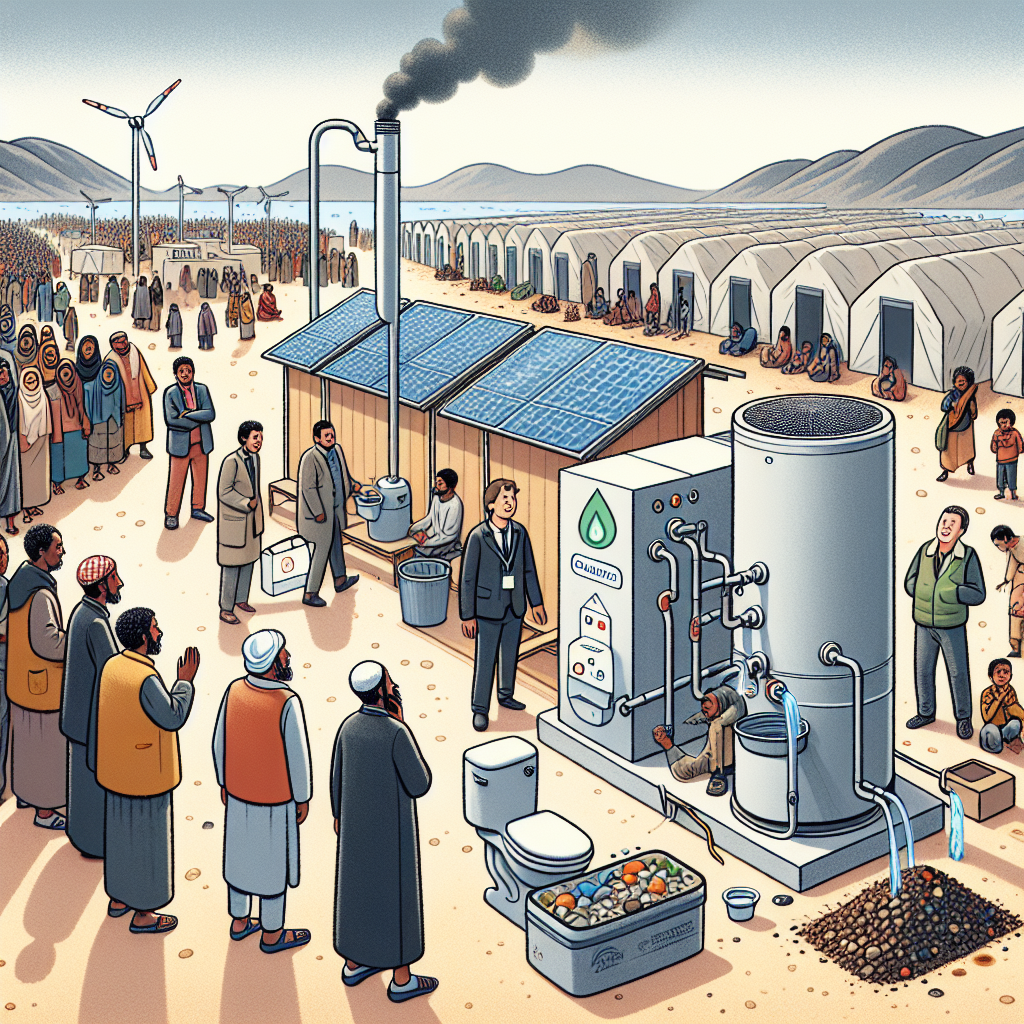
Ecological sanitation, or EcoSan, is transforming the way we think about waste management by pivoting from conventional sewage and septic systems to a more sustainable, resource-oriented approach. In challenging environments—arid regions, disaster zones, and remote areas—traditional sanitation systems often fail due to water scarcity, logistics, or adverse weather conditions. Innovative EcoSan technologies offer a viable solution, focusing on the recycling and safe reuse of human waste while conserving water and protecting public health.
The importance of sustainable toilet design becomes eminently clear when we consider the pressing issues like water scarcity and the hygienic needs of rapidly expanding urban populations. Unsanitary conditions contribute significantly to waterborne diseases, posing severe health risks. Moreover, nutrient pollution from untreated sewage can devastate local ecosystems. Therefore, understanding and implementing advanced EcoSan technologies is crucial for both ecological balance and human well-being.
This article delves into the nuances of sustainable toilet design for challenging environments. We will explore the core principles of ecological sanitation, examine case studies of successful implementations, and discuss the future trends that promise to enhance the capabilities of these innovative systems. Whether you’re a policy-maker, an engineer, or an environmentally-conscious citizen, you will find valuable insights into leveraging EcoSan technologies for a sustainable future.
Core Principles of Ecological Sanitation
Ecological sanitation is built upon three core principles: containment, sanitization, and recycling. First, containment aims to prevent human excreta from contaminating the environment. Advanced EcoSan toilets are designed to hygienically contain waste, even under extreme conditions like floods or heavy usage.
Sanitization is the next critical step, ensuring that pathogens are eliminated to prevent the spread of diseases. This is often achieved through processes like composting, dehydration, or vermiculture. EcoSan technologies incorporate various methods to ensure that the waste is safe for subsequent use or disposal.
The final principle, recycling, turns human waste into a valuable resource. Nutrients like nitrogen, phosphorus, and potassium are essential for plant growth and can be recovered from sanitized human waste. Techniques such as urine diversion and composting toilets enable the recovery and reuse of these nutrients in agriculture, thus closing the nutrient loop and reducing the need for chemical fertilizers.
By adhering to these principles, EcoSan technologies provide a sustainable solution for waste management, particularly in challenging environments where conventional systems are not feasible.
Successful Implementations and Case Studies
Many successful implementations of EcoSan technologies demonstrate their viability and effectiveness. One notable example is the dry composting toilet used in the arid regions of Mexico. These toilets do not require water for flushing, making them ideal for areas facing severe water scarcity. The composting process effectively converts human waste into safe, nutrient-rich compost that can be used to enhance soil fertility.
In urban slums of Nairobi, Kenya, container-based sanitation systems have shown remarkable success. These systems use sealable containers to capture and transport waste to treatment facilities where it is sanitized and recycled. This approach not only prevents contamination but also recovers valuable nutrients, contributing to local agriculture.
The success of these projects can be attributed to a combination of innovative design, community engagement, and support from local authorities. By showcasing the practical and beneficial aspects of EcoSan technologies, these case studies inspire further adoption and innovation in sustainable sanitation solutions.

Challenges and Solutions in Implementation
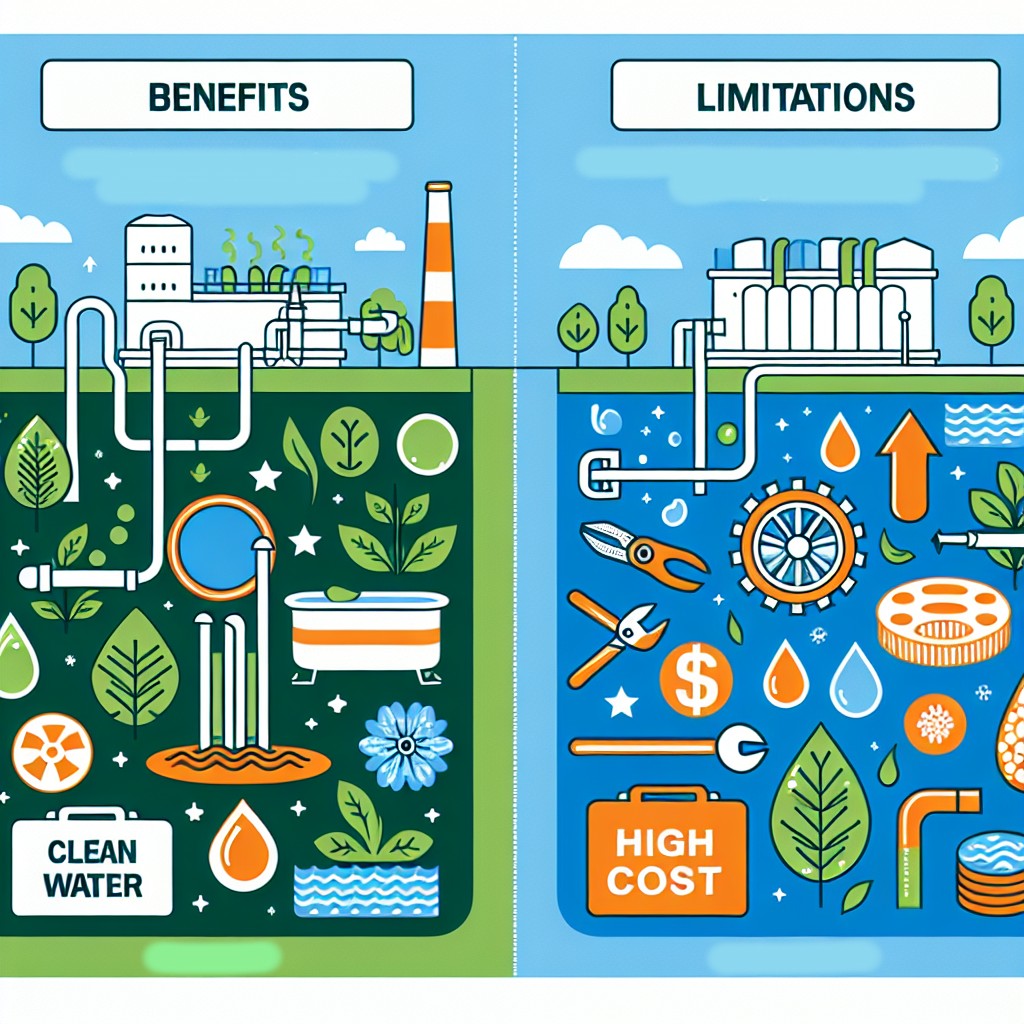
Despite the numerous benefits, implementing EcoSan technologies in challenging environments is not without its obstacles. One major challenge is the initial cost and maintenance of these systems. Advanced EcoSan toilets can be more expensive to install compared to traditional systems, posing a financial barrier, particularly in low-income regions.
To address this, various funding mechanisms and incentives can be explored, such as government subsidies, international aid, and micro-financing options. Additionally, involving local communities in the planning and maintenance of EcoSan facilities can enhance their sustainability and acceptance.
Technical challenges, such as ensuring effective sanitization and dealing with odor issues, require innovative engineering solutions and ongoing research. Advances in materials science and microbiology can lead to more efficient and user-friendly EcoSan systems, making them more attractive to potential adopters.
Lastly, cultural and social perceptions of human waste pose a significant hurdle. Education and awareness campaigns can play a crucial role in changing attitudes towards waste management and highlighting the environmental and health benefits of EcoSan technologies.
Future Trends and Innovations
The future of EcoSan technologies is bright, with numerous innovations on the horizon. Advances in smart sanitation systems, for instance, are poised to revolutionize waste management. These systems integrate sensors and data analytics to monitor and optimize the performance of EcoSan toilets, ensuring they function efficiently and addressing issues in real-time.
Another promising trend is the development of decentralized wastewater treatment systems. These systems treat waste locally, reducing the need for extensive infrastructure and making them suitable for remote or disaster-prone areas. Technologies like anaerobic digestion and constructed wetlands are being refined to enhance their efficiency and adaptability.
Moreover, the integration of ecological sanitation with renewable energy sources, such as solar power, can further enhance its sustainability. Solar-powered dehydration toilets, for example, use solar energy to dry and sanitize waste, offering a viable solution for sunny, yet water-scarce regions.
By keeping an eye on these trends and staying abreast of technological advances, stakeholders can continue to innovate and improve EcoSan systems, making sustainable sanitation accessible to all, even in the most challenging environments.
Conclusion
Ecological sanitation represents a paradigm shift in how we manage human waste, turning it from a problem into a valuable resource. Particularly in challenging environments, where conventional systems falter, EcoSan technologies offer a reliable, sustainable, and efficient solution. By focusing on the core principles of containment, sanitization, and recycling, these systems not only safeguard public health but also promote environmental sustainability by conserving water and recycling nutrients.
As demonstrated by various successful implementations around the world, EcoSan systems can effectively address the unique challenges posed by different environments. However, continued efforts are needed to overcome financial, technical, and social barriers to their widespread adoption. Future advancements in smart sanitation, decentralized treatment, and renewable energy integration promise to enhance the capability and reach of EcoSan technologies.
By investing in research, fostering community engagement, and promoting policy support, we can pave the way for a healthier, more sustainable future. Whether you’re an advocate, a policy-maker, or a concerned citizen, understanding and supporting EcoSan technologies can make a significant difference in achieving global sanitation goals and protecting our planet.