Ecological Sanitation (EcoSan) is an innovative approach to managing human waste sustainably. Traditional sanitation methods, such as conventional flush toilets and septic systems, often contribute to environmental pollution, putting significant stress on water resources. EcoSan, on the other hand, emphasizes the importance of closing nutrient loops, promoting water conservation, and reducing pollutants. By converting waste into useful resources like compost, EcoSan addresses both sanitation challenges and environmental sustainability.
A vital aspect of EcoSan is the promotion of biodegradable and reusable sanitary products. These products play a crucial role in reducing landfill waste and preventing the contamination of water bodies. Traditional sanitary products, including disposable nappies and menstrual products, contribute significantly to plastic pollution. In contrast, biodegradable and reusable alternatives offer eco-friendly solutions that align with the principles of EcoSan. In this article, we will explore various types of biodegradable and reusable sanitary products, their benefits, challenges, and the future of these technologies in EcoSan.
Types of Biodegradable Sanitary Products
Biodegradable sanitary products are designed to break down naturally in the environment, minimizing their ecological footprint. These products are typically made from plant-based or organic materials, which decompose over time without leaving harmful residues. Common types of biodegradable sanitary products include:
- Biodegradable Menstrual Pads: Made from organic cotton, bamboo, and plant-based fibers, these pads are free from synthetic chemicals and plastics. They decompose faster than conventional pads, reducing the burden on landfills.
- Biodegradable Diapers: Like their menstrual pad counterparts, these diapers are crafted from renewable materials, including bio-based films and biodegradable superabsorbent polymers. They offer a sustainable alternative to traditional disposable diapers, which can take hundreds of years to decompose.
- Compostable Sanitary Products: Compostable items are a subset of biodegradable products designed to break down under specific composting conditions. Compostable menstrual cups, for instance, are a recent innovation made from natural rubber or plant-based materials, ensuring they degrade effectively in composting facilities.
The demand for biodegradable sanitary products is rising, driven by increased environmental awareness and consumer preference for sustainable choices. These products represent a significant step forward in ecological sanitation, helping to reduce needless waste and promote environmental stewardship.
Reusable Sanitary Products
Reusable sanitary products offer another dimension of sustainability by reducing the need for single-use items. These products can be cleaned and reused multiple times, significantly lowering their environmental impact. Key examples of reusable sanitary products include:
- Menstrual Cups: Made from medical-grade silicone, rubber, or latex, menstrual cups are inserted into the vagina to collect menstrual fluid. They are durable, lasting up to ten years with proper care, and reduce the waste generated by disposable tampons and pads.
- Cloth Menstrual Pads: Reusable cloth pads are an eco-friendly alternative to disposable menstrual products. They are typically made from natural fibers and can be washed and reused for several years, reducing the volume of waste significantly.
- Cloth Diapers: Like cloth menstrual pads, cloth diapers are made from natural or synthetic fabrics that can be washed and reused. They come in various styles, including pre-folds, fitted, and all-in-one designs, providing parents with flexible and sustainable diapering options.
Reusable sanitary products not only benefit the environment but also offer cost savings over time. By making a one-time purchase, users can avoid the recurring costs associated with disposable products. Moreover, these products often promote better health outcomes by reducing exposure to potentially harmful chemicals found in conventional sanitary items.
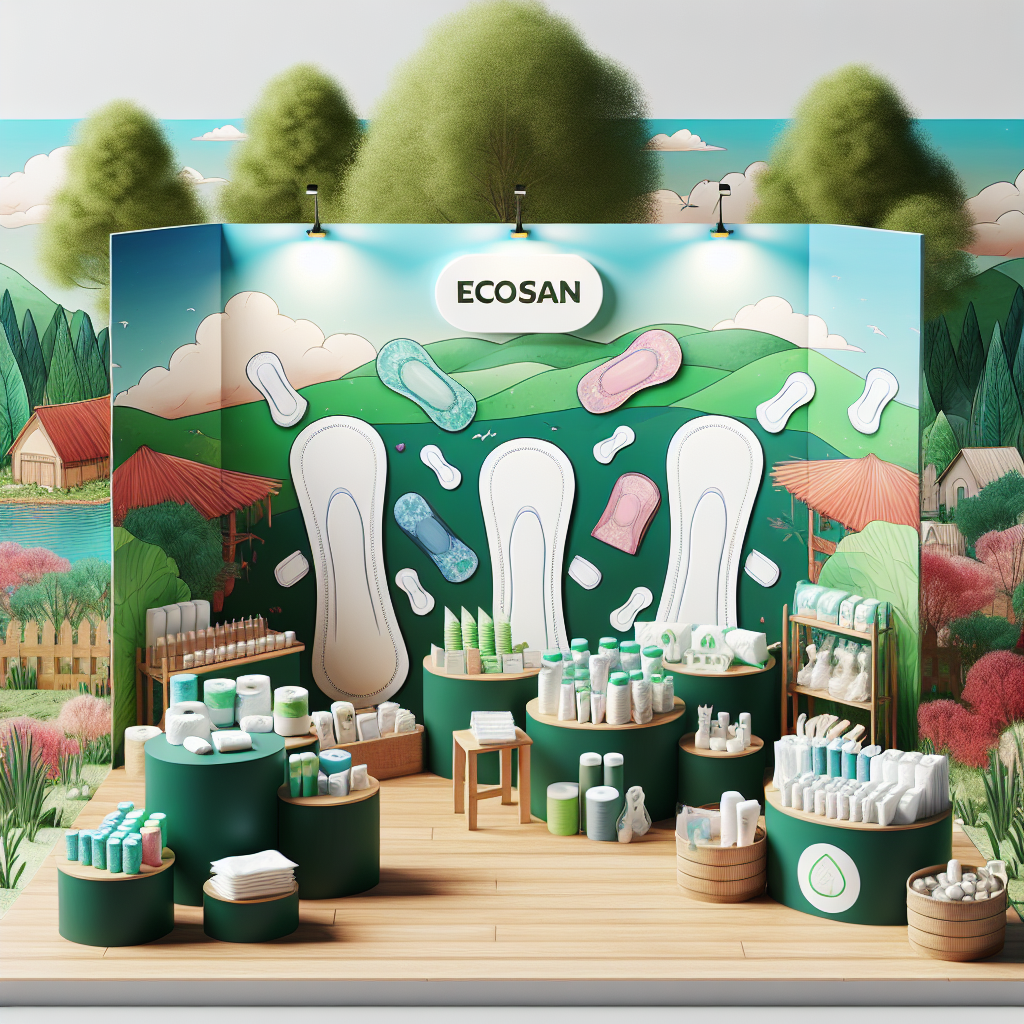
Benefits of Biodegradable and Reusable Sanitary Products
Biodegradable and reusable sanitary products offer numerous benefits, aligning with the principles of EcoSan to promote sustainability and environmental health. Some of the key benefits include:
- Reduced Environmental Impact: Both biodegradable and reusable products minimize waste generation and pollution. They lower the volume of single-use items entering landfills and reduce plastic pollution in water bodies.
- Resource Conservation: Using biodegradable and reusable products conserves natural resources by reducing the need for raw materials used in manufacturing disposable items. It also promotes a more sustainable lifecycle for these products.
- Cost-Effectiveness: While the initial investment in reusable products may be higher, they provide significant cost savings over time. This makes them an economical choice for consumers committed to sustainable living.
- Improved Health Outcomes: Eco-friendly sanitary products often avoid the use of synthetic chemicals, fragrances, and dyes, reducing the risk of skin irritation and allergic reactions. They offer a safer choice for personal health and well-being.
- Supporting Circular Economy: By promoting the reuse and composting of sanitary products, EcoSan technologies support a circular economy where waste is repurposed as a valuable resource rather than discarded.
Overall, the adoption of biodegradable and reusable sanitary products represents a critical step towards a more sustainable future, fostering a harmonious relationship between humans and the environment.
Challenges and Barriers to Adoption
Despite the numerous benefits, the widespread adoption of biodegradable and reusable sanitary products faces several challenges. Addressing these barriers is crucial to advancing EcoSan technologies and promoting sustainable practices. Some of the key challenges include:
- High Initial Costs: The upfront cost of reusable and some biodegradable products can be a barrier for many consumers. While they offer long-term savings, the initial investment may deter some individuals, particularly in low-income communities.
- Limited Availability and Awareness: Access to biodegradable and reusable products varies significantly by region. Limited availability in certain areas, combined with a lack of awareness about these options, hampers their adoption.
- Cultural and Social Norms: Cultural beliefs and societal norms can influence attitudes towards sanitary products. In some communities, traditional preferences for disposable items may persist, making it challenging to shift towards sustainable alternatives.
- Convenience Factors: Disposable products are often perceived as more convenient due to their single-use nature. Changing consumer habits to adopt reusable options requires a shift in mindset and daily routines, which can be difficult for some users.
Addressing these challenges requires collaborative efforts from governments, manufacturers, non-governmental organizations, and consumers. By raising awareness, improving accessibility, and providing incentives, it is possible to overcome these barriers and advance the adoption of eco-friendly sanitary products.
The Future of EcoSan Technologies
The future of EcoSan technologies holds great promise in revolutionizing the sanitation sector. Continued research and innovation are driving the development of more efficient, sustainable, and user-friendly sanitary products. Key trends and advancements shaping the future of EcoSan include:
- Innovative Materials: Ongoing research is exploring new materials that are not only biodegradable but also enhance the performance of sanitary products. For instance, advancements in biodegradable superabsorbent polymers can improve the absorption capacity of diapers and pads.
- Integration with Circular Economy Models: The future of EcoSan lies in integrating these technologies within broader circular economy frameworks. This entails developing systems for recycling and repurposing sanitary waste, turning it into valuable resources such as compost and bioenergy.
- Enhanced Consumer Education: Efforts to educate consumers about the benefits and proper use of biodegradable and reusable products are crucial. Information campaigns, workshops, and community engagement activities can play a vital role in promoting sustainable choices.
- Policy Support and Incentives: Government policies and incentives can significantly boost the adoption of eco-friendly sanitary products. Subsidies for biodegradable and reusable products, as well as stringent regulations on plastic waste, can drive market demand and innovation.
As the world becomes increasingly aware of the environmental impact of traditional sanitation practices, the role of EcoSan technologies will continue to grow. By embracing biodegradable and reusable sanitary products, society can make significant strides towards a more sustainable and resilient future.
Conclusion
Ecological Sanitation (EcoSan) represents a fundamental shift towards sustainable waste management practices that prioritize environmental health and resource conservation. Biodegradable and reusable sanitary products are critical components of this shift, offering eco-friendly alternatives to conventional disposables.
The adoption of biodegradable menstrual pads, compostable diapers, and reusable menstrual cups and cloth diapers demonstrates the potential for reducing waste and minimizing pollution. These products not only support the principles of EcoSan but also promote better health outcomes and cost savings for consumers.
However, challenges such as high initial costs, limited availability, and cultural barriers must be addressed to facilitate broader adoption. Collaborative efforts from stakeholders, including governments, manufacturers, and consumers, are essential to overcome these obstacles and advance EcoSan technologies.
Looking to the future, continued innovation, consumer education, and supportive policies will be pivotal in driving the success of EcoSan initiatives. By embracing biodegradable and reusable sanitary products, we can collectively work towards a more sustainable and environmentally responsible world.