Water pollution is one of the most critical environmental challenges in today’s world. Industrial discharges, agricultural runoffs, and domestic waste contribute significantly to the contamination of water bodies, making the water unsuitable for both human consumption and natural ecosystems. Traditional wastewater treatment methods, while effective, are often costly and energy-intensive. In contrast, Ecological Sanitation (EcoSan) presents a sustainable solution that utilizes natural processes to treat wastewater, emphasizing the principle of closing the nutrient loop.
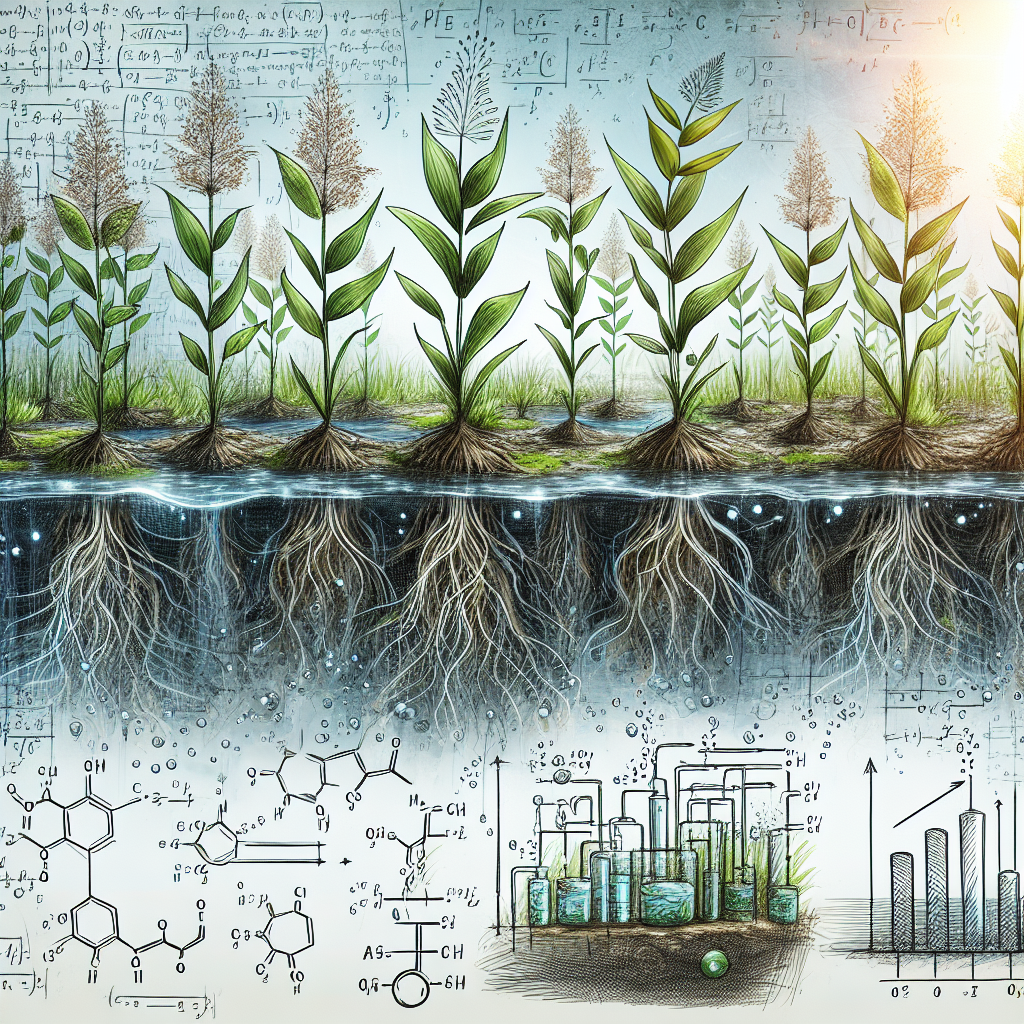
Among the various methods of EcoSan, phytoremediation has emerged as a remarkably effective and environmentally friendly technique. Phytoremediation involves using plants to absorb, accumulate, and neutralize pollutants from the soil and water. This article aims to explore the concept of phytoremediation in wastewater treatment, the types of plants used, the mechanisms through which they clean water, and real-world applications of these green technologies.
Understanding Phytoremediation
Phytoremediation is a natural and sustainable method of removing contaminants from the environment. It leverages the ability of certain plants to uptake, degrade, or immobilize harmful substances in their tissues, roots, or through microbial activity associated with their root systems. The primary advantage of phytoremediation is that it is a cost-effective, low-maintenance, and eco-friendly alternative to conventional wastewater treatment methods.
The key plants used in phytoremediation are specially selected for their abilities to handle high concentrations of pollutants, adaptability to different environmental conditions, and rapid growth rates. Common phytoremediators include water hyacinth, duckweed, cattails, and certain types of reeds and grasses. Each of these plants offers unique advantages in terms of pollutant removal efficiency and ecological benefits.
Mechanisms of Phytoremediation
The process of phytoremediation can be broken down into several mechanisms through which plants clean the water:
- Phytoextraction: Plants absorb contaminants through their roots and accumulate them in their above-ground parts, which can then be harvested and disposed of safely.
- Phytostabilization: Plants immobilize contaminants in the soil, preventing their spread and access to deeper groundwater.
- Phytodegradation: Plants break down organic pollutants into simpler, less toxic forms using metabolic processes or through microbial activity in the rhizosphere.
- Phytovolatilization: Plants absorb pollutants and release them into the atmosphere in a less harmful gaseous form.
These mechanisms not only help in removing contaminants but also improve soil structure, reduce erosion, and enhance biodiversity, contributing to the overall health of the ecosystem.

Types of Plants Used in Phytoremediation
The success of phytoremediation largely depends on the selection of appropriate plant species. Some of the most effective plants used in wastewater treatment include:
- Water Hyacinth (Eichhornia crassipes): Known for its rapid growth and high biomass, water hyacinth is excellent in removing heavy metals and organic pollutants from water bodies.
- Duckweed (Lemna minor): Duckweed is proficient at absorbing nutrients like nitrogen and phosphorus, making it ideal for treating agricultural runoff.
- Cattails (Typha spp.): These plants thrive in wetlands and are effective at trapping sediments and absorbing heavy metals.
- Reeds (Phragmites australis): Reeds are robust plants that can tolerate a wide range of environmental conditions and are efficient at removing organic and inorganic pollutants from both soil and water.
- Sedges (Carex spp.): Sedges are known for their deep root systems that stabilize soil and filter contaminants from water.
Each plant species brings unique strengths to phytoremediation, enabling the treatment of diverse types of wastewater under varying environmental conditions.
Case Studies of Phytoremediation
Phytoremediation has been successfully implemented in numerous projects worldwide, showcasing its effectiveness in treating different types of wastewater:
- Kibera Slum Project in Kenya: Water hyacinths and vetiver grass were used to clean wastewater from Nairobi’s Kibera slums. The project demonstrated significant reductions in pollutants such as nitrogen, phosphorus, and harmful bacteria.
- Marunda Urban Farming Project in Indonesia: Duckweed and water lettuce were employed to treat domestic sewage in the urban farming projects of Jakarta’s Marunda district, resulting in cleaner water for irrigation and aquaculture.
- Cheonggyecheon Stream in South Korea: The revitalization of Cheonggyecheon Stream involved using reed beds to filter pollutants, enhancing the stream’s water quality and restoring biodiversity.
- Constructed Wetlands in India: Various constructed wetlands employing cattails, reeds, and sedges have been set up across India to treat industrial effluents and municipal wastewater, proving cost-effective and sustainable.
These case studies highlight the versatility and effectiveness of phytoremediation in diverse settings, from urban slums to industrial areas.
Challenges and Limitations of Phytoremediation
While phytoremediation offers many benefits, it also comes with certain challenges and limitations:
- Time-Consuming: Phytoremediation is generally slower than conventional methods, requiring longer periods to achieve significant pollutant reduction.
- Plant Disposal: The harvested plant material, often containing concentrated pollutants, requires careful handling and disposal to prevent secondary contamination.
- Seasonal Variations: The effectiveness of phytoremediation can be influenced by seasonal factors, such as changes in temperature and water availability, which may impact plant growth and pollutant uptake.
- Limited to Surface Contaminants: Phytoremediation is more effective for treating contaminants in the upper soil layers and water column but may not be as efficient for deeper groundwater pollution.
- Maintenance Requirements: Regular monitoring and maintenance are necessary to ensure the healthy growth of the phytoremediating plants and optimal pollutant removal efficiency.
Addressing these challenges requires a comprehensive understanding of the site-specific conditions and the development of integrated management strategies that complement phytoremediation with other treatment methods.
Future Prospects of Phytoremediation
The future of phytoremediation looks promising, with ongoing research and technological advancements aimed at enhancing its efficiency and applicability. Some emerging trends and innovations in this field include:
- Genetically Engineered Plants: Research is underway to develop transgenic plants with enhanced abilities to uptake and degrade specific pollutants.
- Nanotechnology: The integration of nanomaterials with phytoremediating plants may improve the removal efficiency of certain contaminants.
- Hybrid Systems: Combining phytoremediation with other biological, chemical, or physical treatment methods can create more robust and effective wastewater treatment solutions.
- Ecological Engineering: Designing constructed wetlands and green infrastructures that mimic natural ecosystems can optimize the pollution removal processes and provide additional ecological benefits.
- Community Engagement: Promoting community-based phytoremediation projects can empower local populations to take an active role in environmental conservation and sustainable water management.
These innovations, coupled with supportive policies and increased public awareness, can significantly expand the scope and impact of phytoremediation in addressing global water pollution challenges.
Conclusion
Phytoremediation represents a powerful, sustainable approach to wastewater treatment that leverages the natural abilities of plants to clean water. By using a variety of plants suited to different environmental conditions, phytoremediation can effectively remove a wide range of pollutants from water bodies. Despite its challenges, this green technology offers numerous ecological, economic, and social benefits, making it a viable alternative to traditional wastewater treatment methods.
The successful implementation of phytoremediation in various projects worldwide underscores its potential as a versatile and effective solution for water pollution. As research and technological advancements continue to enhance its efficiency, and as communities increasingly adopt eco-friendly practices, phytoremediation is poised to play a critical role in the pursuit of environmental sustainability and public health protection.
Embracing phytoremediation and other EcoSan methods can pave the way for a cleaner, healthier, and more resilient future, where the natural processes of the environment are harnessed to create sustainable solutions for even the most pressing pollution problems. It is imperative for governments, industries, and communities to recognize the value of these green technologies and invest in their development and implementation, ensuring that future generations inherit a planet with cleaner water and a healthier ecosystem.