Introduction: Ecological sanitation, or EcoSan, is a system that brings together human waste management and environmental sustainability by transforming waste into valuable resources. This approach is not only beneficial for the environment but also offers significant economic advantages. By effectively converting waste products like urine and feces into valuable resources such as fertilizers, EcoSan promotes a circular economy and reduces the environmental impact of traditional sanitation methods.
In many parts of the world, traditional sanitation systems rely on extensive water usage and complex infrastructure, contributing to water scarcity and environmental pollution. EcoSan breaks this mold by presenting an alternative that recycles nutrients, conserves water, and reduces the need for chemical fertilizers. As urbanization and population growth increase pressure on existing systems, EcoSan provides an innovative and sustainable solution. In this article, we will delve into the methods of effective EcoSan, examine its economic benefits, and explore how this approach can be implemented on a broader scale.
Methods for Effective EcoSan
EcoSan methods come in various forms, each designed to handle waste in a manner that is safe, efficient, and environmentally beneficial. Below are some of the most effective methods:
1. Composting Toilets
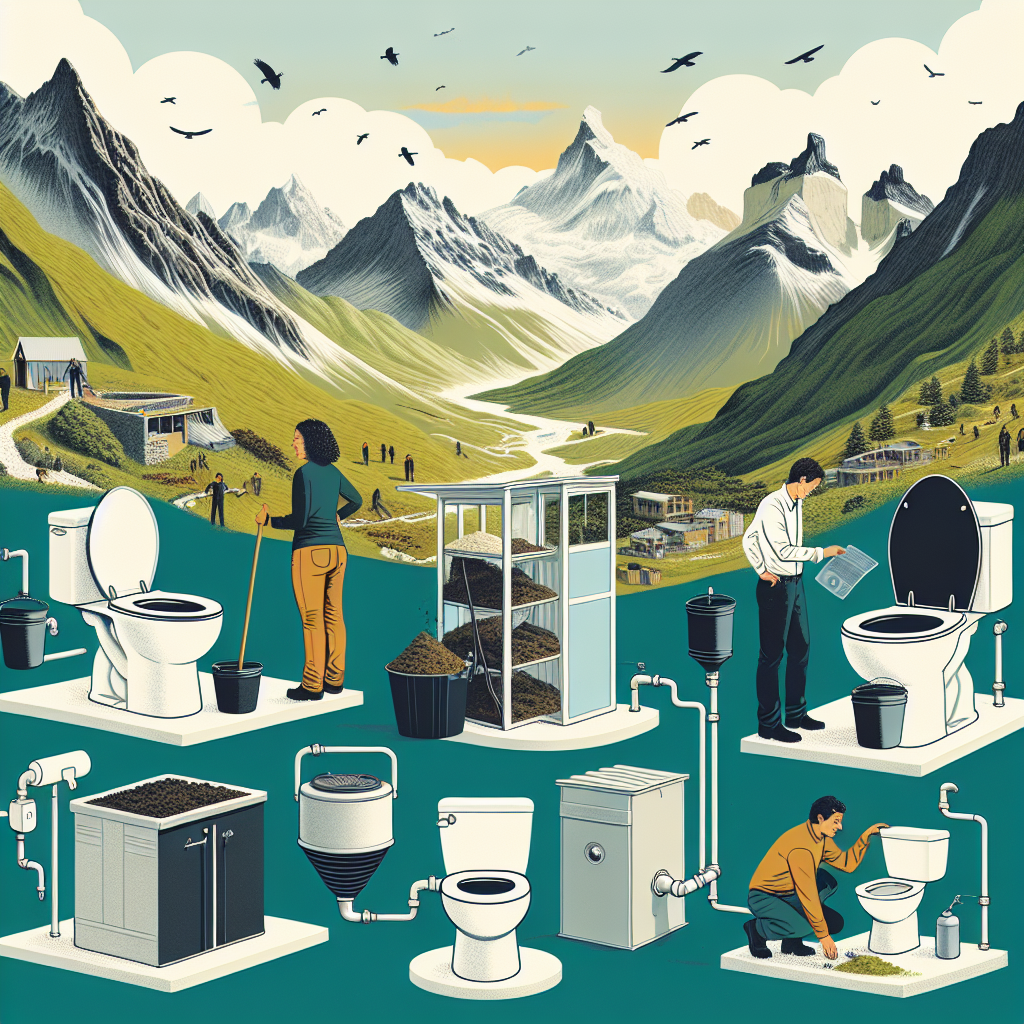
Composting toilets operate without water, using aerobic processes to decompose human waste into valuable compost. These systems typically consist of a toilet seat connected to a composting chamber. The waste is regularly mixed with organic material like sawdust to balance moisture and reduce odors. Over time, microorganisms break down the waste, resulting in nutrient-rich compost that can be used to fertilize plants. This method is particularly effective in areas with limited water resources or where conventional sewage systems are impractical.
2. Urine Diversion Dehydration Toilets (UDDTs)
UDDTs separate urine and feces at the source, allowing them to be processed separately. Urine is collected and can be directly used as a liquid fertilizer due to its high nitrogen content. Feces are stored in a ventilated chamber where they dehydrate and can later be composted. This separation reduces the risk of pathogen transmission and enables easier handling of the waste.
3. Constructed Wetlands
Constructed wetlands are engineered systems designed to mimic natural wetlands, using plants, soil, and associated microorganisms to treat wastewater. Wastewater is routed through a series of vegetated beds, where organic matter is broken down and nutrients are absorbed by the plants. The treated water is then released into the environment or reused for irrigation. This method provides a natural and aesthetic way to treat waste while creating habitats for wildlife.
Economic Benefits of EcoSan
Adopting EcoSan systems yields substantial economic benefits, both directly and indirectly. Here are some key economic advantages:
1. Cost Savings on Infrastructure
Traditional sewage systems require extensive and costly infrastructure, including pipes, treatment plants, and pumping stations. EcoSan systems, on the other hand, often use decentralized approaches that significantly reduce the need for such infrastructure. This translates to lower installation and maintenance costs, making EcoSan an affordable option for both urban and rural settings.
2. Reduction in Water Consumption
Waterless and low-water EcoSan technologies conserve significant amounts of water, leading to lower water bills and reduced strain on local water resources. In water-scarce regions, this conservation is crucial for maintaining economic stability and minimizing the cost of water supply.
3. Resource Recovery and Revenue Generation
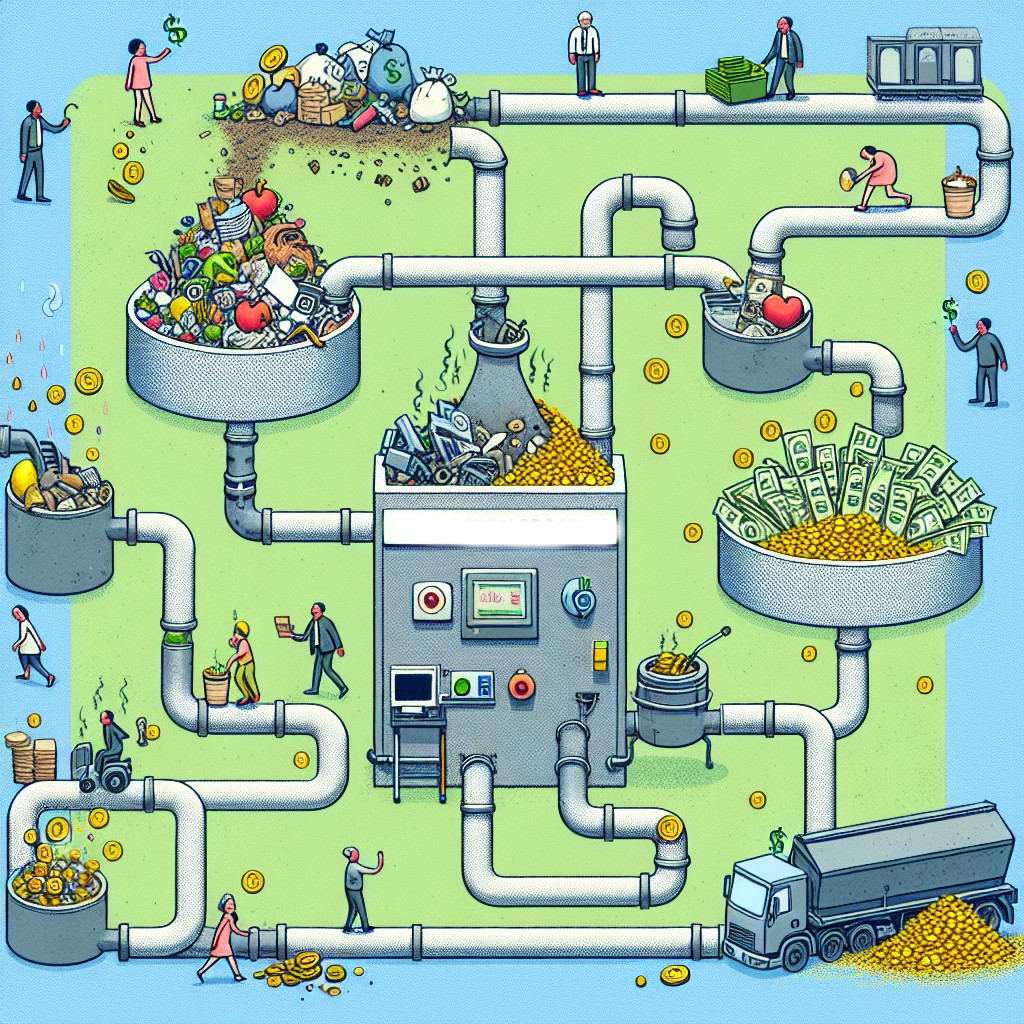
EcoSan transforms waste into resources such as compost and urine-based fertilizers, which can be marketed and sold. This not only creates a revenue stream but also reduces the need for synthetic fertilizers, thereby saving money and decreasing the environmental impact of chemical usage. Additionally, the promotion of local businesses focused on waste treatment and resource recovery can stimulate economic growth and provide job opportunities.
Challenges and Solutions
While EcoSan offers numerous benefits, its implementation does come with challenges. However, these can be addressed through strategic solutions:
1. Cultural Acceptance
One of the primary challenges is the cultural acceptance of using human waste as a resource. Education and awareness campaigns are essential to highlight the benefits and safety of EcoSan practices. Providing information on the science behind waste treatment and the success stories from existing projects can help shift public perception.
2. Technical Expertise
Effective implementation of EcoSan systems requires technical expertise in design, management, and maintenance. Capacity-building programs and training workshops can equip local communities with the necessary skills and knowledge. Partnering with NGOs, governmental bodies, and international organizations can also provide the support needed to develop these competencies.
3. Policy and Regulation
Creating supportive policies and regulations is crucial for the widespread adoption of EcoSan systems. Governments can incentivize the use of EcoSan by providing subsidies, tax breaks, and grants for projects that prioritize sustainable sanitation solutions. Clear guidelines and standards for the construction and maintenance of EcoSan facilities will also ensure safety and efficacy.
Case Studies of Successful EcoSan Projects
Several successful EcoSan projects around the world demonstrate the viability and benefits of these systems. Here are a couple of notable examples:
1. Otji Toilet in Namibia
The Otji Toilet, implemented in Otjiwarongo, Namibia, is a dry sanitation system that separates urine and feces. The urine is collected in storage containers and used as fertilizer, while the feces are dried and composted. This project has helped improve sanitation in arid regions, conserve water, and produce valuable agricultural inputs.
2. SOIL in Haiti
Sustainable Organic Integrated Livelihoods (SOIL) is a nonprofit organization operating in Haiti. They provide ecological sanitation services, collecting human waste from EcoSan toilets, and transforming it into compost through a thermophilic process. The nutrient-rich compost is sold to farmers, contributing to local agriculture and fostering a circular economy. SOIL has successfully demonstrated how EcoSan can promote public health, protect the environment, and generate economic benefits in a resource-constrained setting.
Future Prospects of EcoSan
As the global population continues to grow, the need for sustainable and efficient waste management solutions becomes increasingly urgent. EcoSan presents a promising path forward, combining environmental, economic, and social benefits. Future prospects for EcoSan include:
1. Integration with Urban Planning
EcoSan systems can be integrated into urban planning initiatives, helping cities become more sustainable and resilient. Urban agriculture projects can benefit from the nutrient-rich fertilizers produced by EcoSan systems, creating local food sources and promoting green spaces within cities.
2. Technological Advances
Advancements in technology can enhance the efficiency and effectiveness of EcoSan systems. Innovations such as microbial fuel cells, which generate electricity from waste, or advanced composting techniques, can further increase the benefits of EcoSan. Research and development efforts should focus on improving the safety, scalability, and cost-effectiveness of these systems.
3. Global Collaboration
International collaboration is essential to share knowledge, resources, and best practices for implementing EcoSan systems. Partnerships between governments, NGOs, academic institutions, and the private sector can drive the adoption of EcoSan on a global scale. Initiatives like the Sustainable Development Goals (SDGs) provide a framework for promoting sustainable sanitation solutions and can help align efforts towards achieving these goals.
Conclusion
EcoSan represents a forward-thinking approach to sanitation that addresses environmental, economic, and social challenges. By converting waste into valuable resources, EcoSan promotes a circular economy, reduces environmental impact, and provides economic benefits. Despite the challenges, the success of existing projects demonstrates the viability of EcoSan as a sustainable sanitation solution.
To maximize the potential of EcoSan, it is essential to prioritize education and awareness, build technical expertise, and create supportive policies and regulations. Through strategic investments and global collaboration, we can ensure that EcoSan becomes a mainstream practice, contributing to a healthier and more sustainable world.