In an age where environmental consciousness is becoming a significant decision-making factor, the hospitality industry is increasingly under pressure to adopt sustainable practices. One striking area where hotels can make a substantial impact is in sanitation. Ecological sanitation, or EcoSan, is a holistic approach to sanitation that focuses on converting waste into resources, thereby tackling multiple environmental issues simultaneously. Unlike conventional systems, which often contribute to pollution and squander valuable nutrients, EcoSan systems are designed to be resource-efficient and environmentally friendly.
Hotels, given their high levels of water and resource consumption, are well-placed to lead in this area and reap the manifold benefits of EcoSan. From reducing the environmental footprint to cutting down operational costs and enhancing guest experiences, the advantages are myriad. However, successfully integrating EcoSan methods into hotel operations requires careful planning, the right infrastructure, and a commitment to sustainability principles.
This article aims to explore the various methods of effective EcoSan applicable to the hospitality industry, providing actionable insights for hotels looking to embrace this sustainable practice. We will explore the key components, benefits, and challenges of adopting ecological sanitation, and present practical examples to illustrate how these systems can be seamlessly integrated into hotel operations.
Understanding EcoSan
Ecological sanitation (EcoSan) is a system that treats human waste as a resource, transforming it into fertilizers, soil conditioners, and biogas. The core principle lies in closing the loop between sanitation and agriculture, thereby turning waste into valuable inputs for food production. Unlike traditional systems, which typically aim to dispose of waste, EcoSan systems seek to recycle and repurpose.
Key components of EcoSan systems include urine diverting dry toilets (UDDTs), composting toilets, and biogas digesters. These systems offer innovative ways to handle waste by segregating urine and feces, which can then be processed separately to recover nutrients and energy. For instance, urine, rich in nitrogen, phosphorus, and potassium, can be diluted and used as a fertilizer, while feces can be composted to produce rich soil amendments.
By adopting these systems, hotels can not only reduce their environmental impact but also generate valuable resources, thereby promoting a more sustainable and circular economy. Moreover, the use of EcoSan practices can enhance a hotel’s brand image, attracting environmentally-conscious guests who prioritize sustainability in their choices.
Benefits of EcoSan in the Hospitality Industry
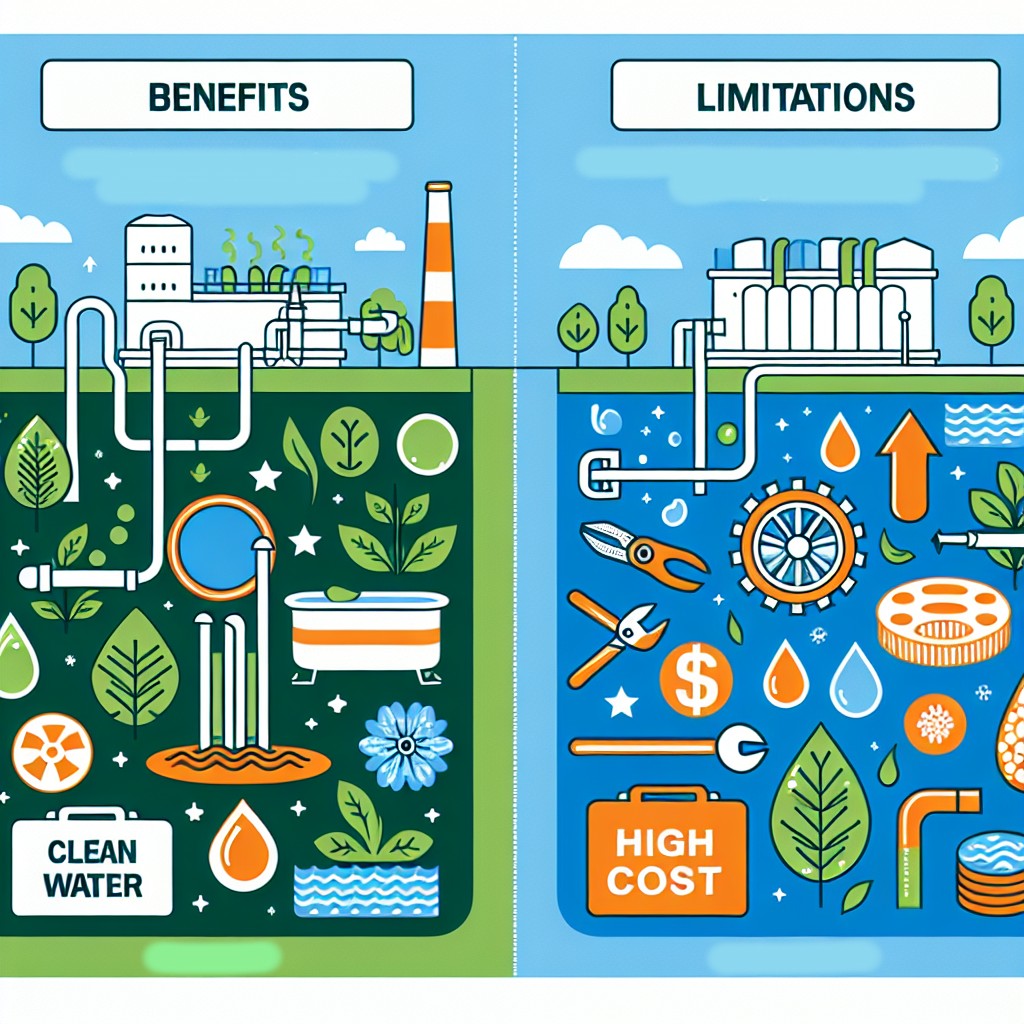
The benefits of adopting EcoSan methods in hotel operations are extensive, touching upon environmental, economic, and social dimensions. From an environmental perspective, EcoSan significantly reduces water usage, a critical concern given the rising scarcity of this valuable resource. Conventional flush toilets can use up to 10 liters of water per flush, whereas dry sanitation systems eliminate this requirement altogether.
Additionally, by converting waste into resources, EcoSan systems minimize pollution and greenhouse gas emissions associated with traditional sewage treatment. The organic matter from composting toilets or biogas systems can be utilized within hotel landscapes or local farms, reducing reliance on synthetic fertilizers and enhancing soil fertility.
Economically, the savings on water bills, waste disposal, and fertilizer costs can be substantial. Implementing EcoSan systems might require an upfront investment, but the long-term savings and possible revenue from selling compost or biogas can make it a financially viable option.
Socially, EcoSan practices can enhance the guest experience by aligning with their values. Modern travelers are increasingly looking for eco-friendly accommodations, and hotels that implement sustainable practices can attract this growing market segment. Moreover, the educational aspect of EcoSan systems can create awareness among guests, fostering a culture of sustainability and environmental stewardship.

Challenges of Implementing EcoSan in Hotels
While the benefits of EcoSan are compelling, hotels may face several challenges when adopting these systems. One significant hurdle is the initial capital investment required for installing EcoSan infrastructure, such as UDDTs, composting toilets, or biogas digesters. These systems, although cost-effective in the long run, can be perceived as expensive and may deter some establishments from making the switch.
Another challenge is the need for staff training and guest education. EcoSan systems operate differently from conventional sanitation methods, and both staff and guests need to understand their use and maintenance. Mismanagement can lead to operational issues and negative guest experiences, so comprehensive training programs are essential.
Regulatory and cultural barriers can also pose challenges. In some regions, regulations regarding sanitation and waste management may not accommodate EcoSan systems, requiring hotels to navigate bureaucratic processes. Additionally, cultural perceptions of waste may impact acceptance and use of these technologies among guests and staff.
To overcome these challenges, hotels can start with pilot projects to demonstrate the feasibility and benefits of EcoSan systems. Engaging stakeholders, from local authorities to guests, in the transition process can build support and facilitate smoother implementation. Collaborating with experts and leveraging successful case studies from other regions can also provide valuable insights and guidance.
Case Studies of Successful EcoSan Integration
Several hotels around the world have successfully integrated EcoSan systems, serving as models for others looking to follow suit. One notable example is the Green Village in Bali, Indonesia. This eco-friendly resort has implemented an array of sustainable practices, including composting toilets and urine diverting systems. By converting human waste into compost and fertilizer, the Green Village has created a self-sustaining loop that benefits both the environment and the local community.
Another exemplary hotel is the El Monte Sagrado Resort in Taos, New Mexico. This luxurious resort has adopted innovative wastewater treatment systems that recycle and purify greywater for irrigation purposes. The bio-sand filter system installed at the resort ensures that water is reused efficiently, significantly reducing the resort’s overall water consumption.
In Sweden, the Skarholmen Ecohotel showcases comprehensive EcoSan integration through its use of UDDTs and biogas systems. The hotel transforms organic waste into biogas, which is then used for cooking and heating, highlighting the potential for hotels to generate renewable energy on-site. Additionally, the nutrient-rich by-products are used to fertilize the hotel’s gardens, completing the ecological cycle.
These case studies illustrate that with the right infrastructure and commitment, EcoSan systems can be effectively integrated into hotel operations, enhancing sustainability and providing economic benefits. By learning from these pioneers, other hotels can adopt best practices and avoid common pitfalls, ensuring a successful transition to EcoSan.
Actionable Steps for Hotels Looking to Implement EcoSan
For hotels eager to embrace EcoSan, a step-by-step approach can facilitate effective implementation. The first step is to conduct a comprehensive assessment of the hotel’s current sanitation practices and identify potential areas for improvement. Engaging with EcoSan experts can provide valuable insights and recommendations tailored to the hotel’s specific context.
Next, hotels should evaluate the feasibility of various EcoSan technologies, such as UDDTs, composting toilets, or biogas systems. Factors to consider include the hotel’s size, guest demographics, and local regulatory environment. Based on this evaluation, hotels can select the most suitable systems for their needs.
Staff training is crucial for ensuring the smooth operation and maintenance of EcoSan systems. Hotels should invest in comprehensive training programs that cover both technical aspects and guest interaction. Educating guests about the benefits and proper use of EcoSan systems can also enhance their experience and participation.
Financial considerations are also important. Hotels should prepare a detailed cost-benefit analysis, factoring in initial investment, operational savings, and potential revenue from by-products such as compost or biogas. Exploring funding opportunities or incentives from local governments and environmental organizations can also help offset costs.
Finally, hotels should establish monitoring and evaluation mechanisms to track the performance and impact of EcoSan systems. Regular assessments can identify areas for improvement and ensure that the systems continue to operate efficiently. By adopting a proactive and iterative approach, hotels can refine their EcoSan practices and maximize their sustainability benefits.
Conclusion
Incorporating EcoSan methods into the hospitality industry represents a significant opportunity for hotels to lead in sustainability and environmental stewardship. By transforming human waste into valuable resources, EcoSan systems offer a holistic solution to the challenges of conventional sanitation practices. The environmental, economic, and social benefits of EcoSan are compelling, from reducing water consumption and pollution to enhancing guest experiences and generating renewable energy.
However, successful implementation requires careful planning, investment in infrastructure, and a commitment to education and training. Hotels must navigate initial challenges related to cost, regulatory barriers, and cultural perceptions, but the long-term gains make the effort worthwhile. By learning from successful case studies and adopting best practices, hotels can integrate EcoSan systems seamlessly into their operations and become pioneers in sustainable hospitality.
As the demand for eco-friendly accommodations continues to rise, hotels that embrace EcoSan can differentiate themselves in the market and attract environmentally-conscious guests. Moreover, by promoting sustainable practices, these hotels can contribute to broader environmental goals and set an example for the industry. The journey towards EcoSan may require dedication and innovation, but it ultimately leads to a greener, more sustainable future for the hospitality industry and beyond.